Department of Emergency Surgery, Union Hospital, Tongji Medical College, Huazhong University of Science and Technology, Wuhan, China.
Center for Translational Medicine, Union Hospital, Tongji Medical College, Huazhong University of Science and Technology, Wuhan, China.
Front Immunol. 2023 Feb 6;14:1114006. doi: 10.3389/fimmu.2023.1114006. eCollection 2023.
The molecular mechanisms of age-related bone loss are unclear and without valid drugs yet. The aims of this study were to explore the molecular changes that occur in bone tissue during age-related bone loss, to further clarify the changes in function, and to predict potential therapeutic drugs.
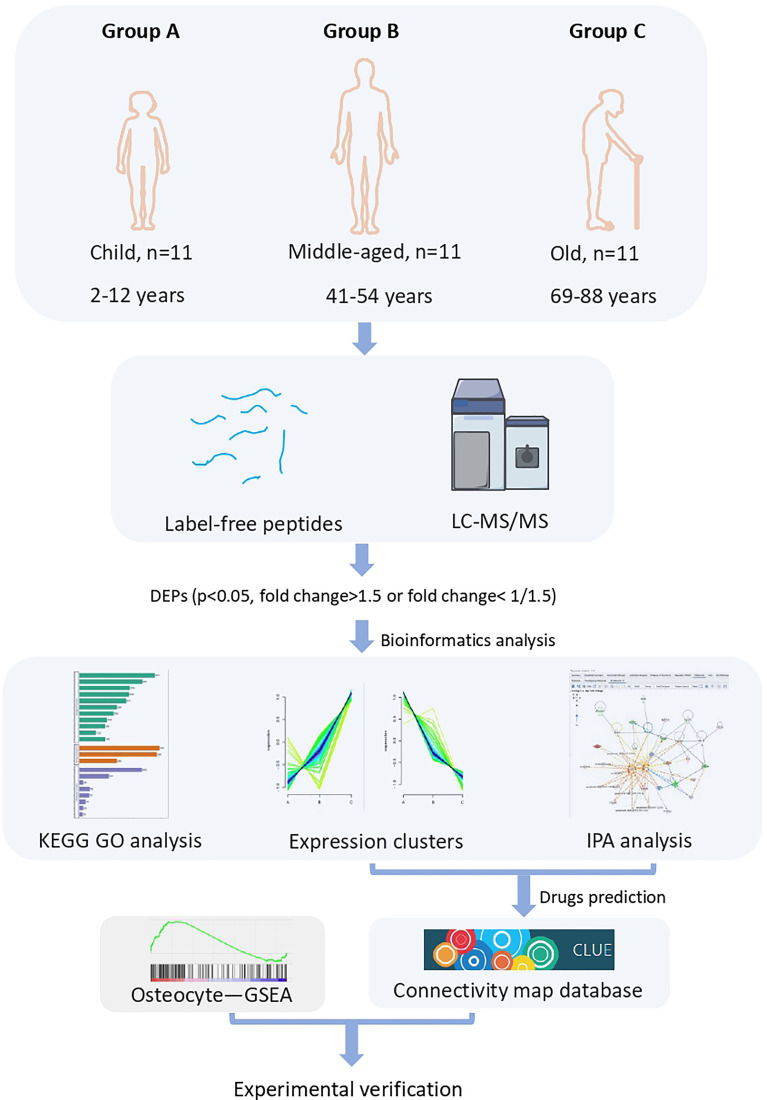
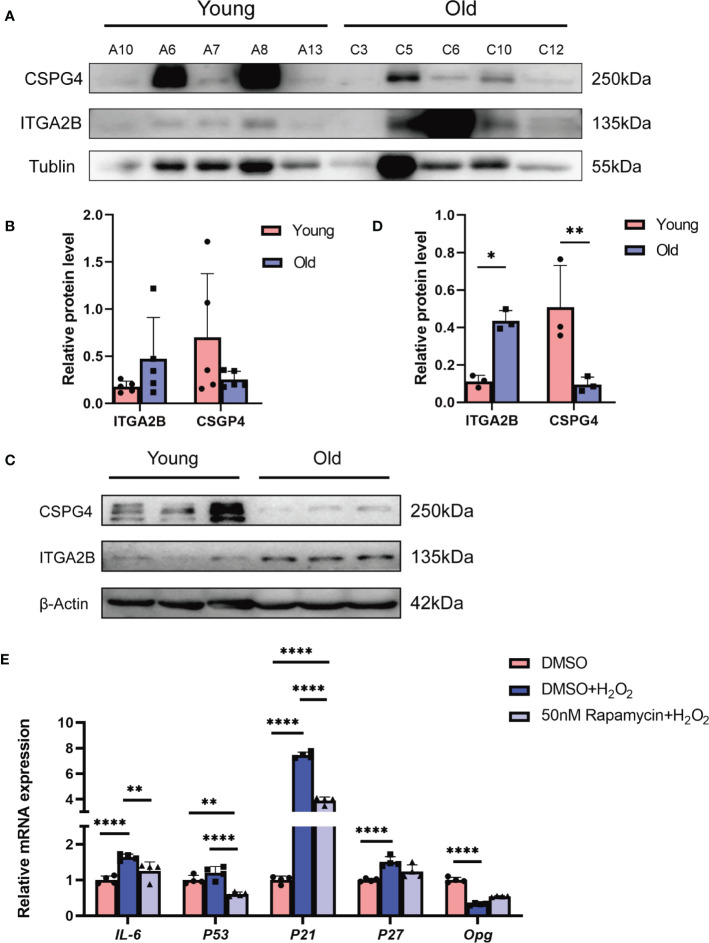
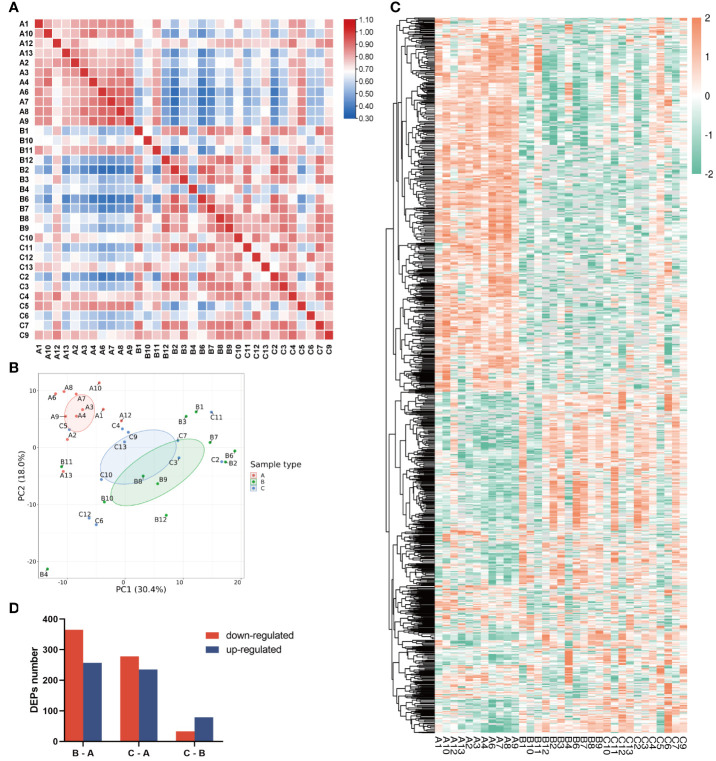
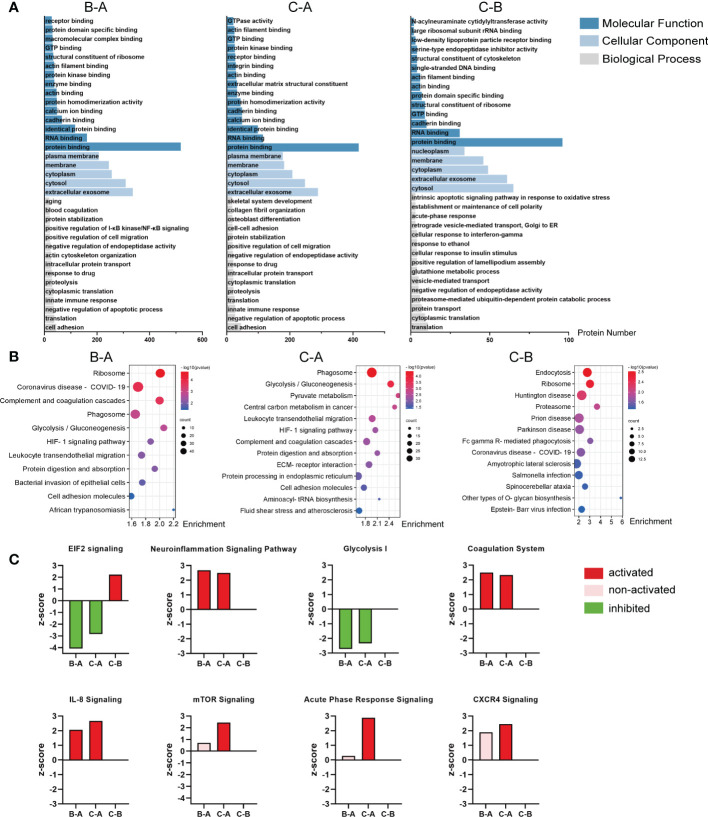
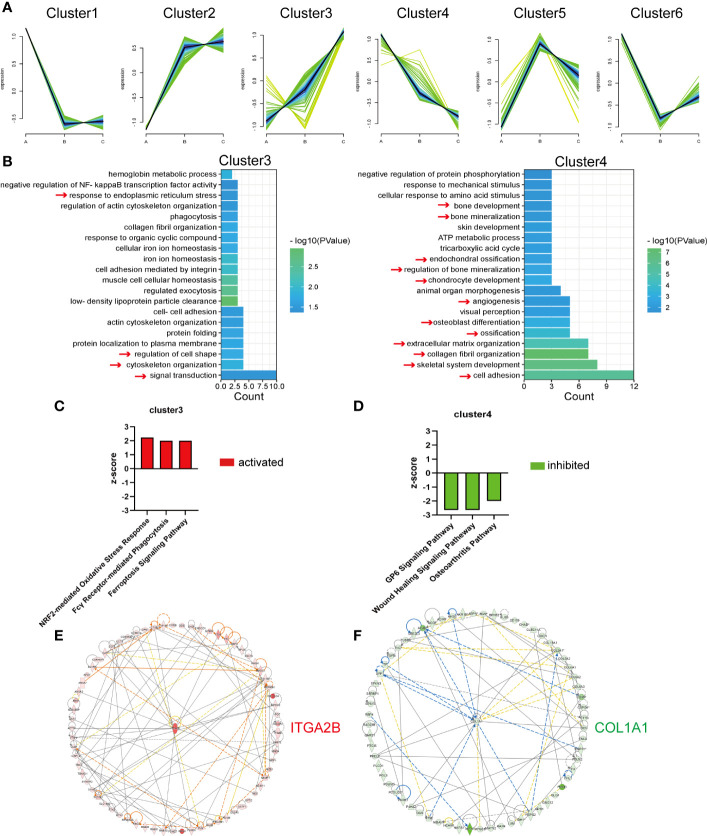
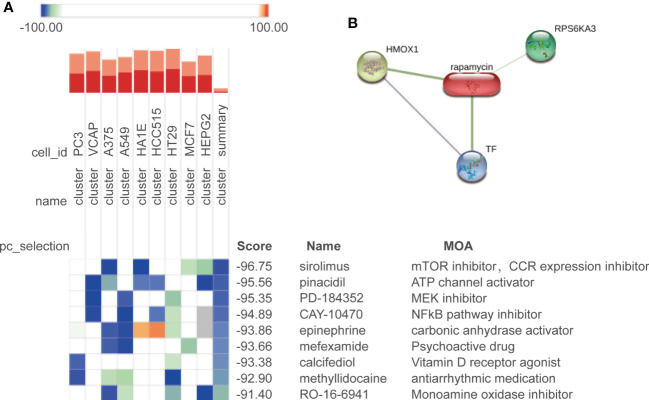
We collected bone tissues from children, middle-aged individuals, and elderly people for protein sequencing and compared the three groups of proteins pairwise, and the differentially expressed proteins (DEPs) in each group were analyzed by Gene Ontology (GO) and Kyoto Encyclopedia of Genes and Genomes (KEGG). K-means cluster analysis was then used to screen out proteins that continuously increased/decreased with age. Canonical signaling pathways that were activated or inhibited in bone tissue along with increasing age were identified by Ingenuity Pathway Analysis (IPA). Prediction of potential drugs was performed using the Connectivity Map (CMap). Finally, DEPs from sequencing were verified by Western blot, and the drug treatment effect was verified by quantitative real-time PCR.
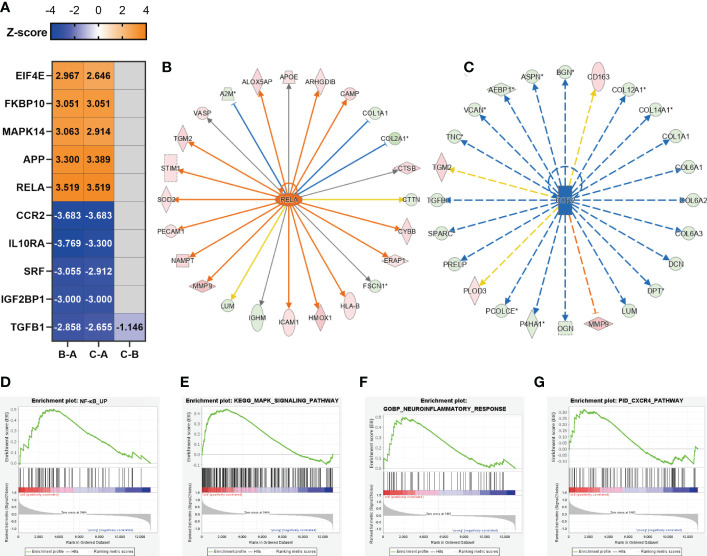
The GO and KEGG analyses show that the DEPs were associated with inflammation and bone formation with aging, and the IPA analysis shows that pathways such as IL-8 signaling and acute-phase response signaling were activated, while glycolysis I and EIF2 signaling were inhibited. A total of nine potential drugs were predicted, with rapamycin ranking the highest. In cellular experiments, rapamycin reduced the senescence phenotype produced by the HO-stimulated osteocyte-like cell MLO-Y4.
With age, inflammatory pathways are activated in bone tissue, and signals that promote bone formation are inhibited. This study contributes to the understanding of the molecular changes that occur in bone tissue during age-related bone loss and provides evidence that rapamycin is a drug of potential clinical value for this disease. The therapeutic effects of the drug are to be further studied in animals.
与年龄相关的骨质流失的分子机制尚不清楚,也没有有效的药物。本研究旨在探讨与年龄相关的骨质流失过程中骨组织发生的分子变化,进一步阐明功能变化,并预测潜在的治疗药物。
我们收集了儿童、中年人和老年人的骨组织进行蛋白质测序,并对三组蛋白质进行两两比较,通过基因本体论(GO)和京都基因与基因组百科全书(KEGG)分析每组的差异表达蛋白(DEPs)。然后,使用 K-均值聚类分析筛选出随年龄连续增加/减少的蛋白质。通过 Ingenuity 通路分析(IPA)鉴定随年龄增长在骨组织中激活或抑制的经典信号通路。使用连接图谱(CMap)预测潜在药物。最后,通过 Western blot 验证测序得到的 DEPs,通过定量实时 PCR 验证药物治疗效果。
GO 和 KEGG 分析表明,DEPs 与衰老时的炎症和骨形成有关,IPA 分析表明,IL-8 信号和急性期反应信号等通路被激活,而糖酵解 I 和 EIF2 信号被抑制。共预测到 9 种潜在药物,其中雷帕霉素排名最高。在细胞实验中,雷帕霉素减少了 HO 刺激的成骨细胞样细胞 MLO-Y4 产生的衰老表型。
随着年龄的增长,骨组织中的炎症途径被激活,促进骨形成的信号被抑制。本研究有助于了解与年龄相关的骨质流失过程中骨组织发生的分子变化,并为雷帕霉素作为治疗这种疾病的潜在临床价值药物提供了证据。药物的治疗效果将在动物中进一步研究。