Department of Neurosurgery, Wuxi People's Hospital Affiliated to Nanjing Medical University, Wuxi, Jiangsu, China.
Clinical Medical College, Southwest Medical University, Luzhou, China.
Front Immunol. 2023 Feb 7;14:1090040. doi: 10.3389/fimmu.2023.1090040. eCollection 2023.
Glioblastoma multiforme (GBM) is the most common cancer of the central nervous system, while Parkinson's disease (PD) is a degenerative neurological condition frequently affecting the elderly. Neurotrophic factors are key factors associated with the progression of degenerative neuropathies and gliomas.
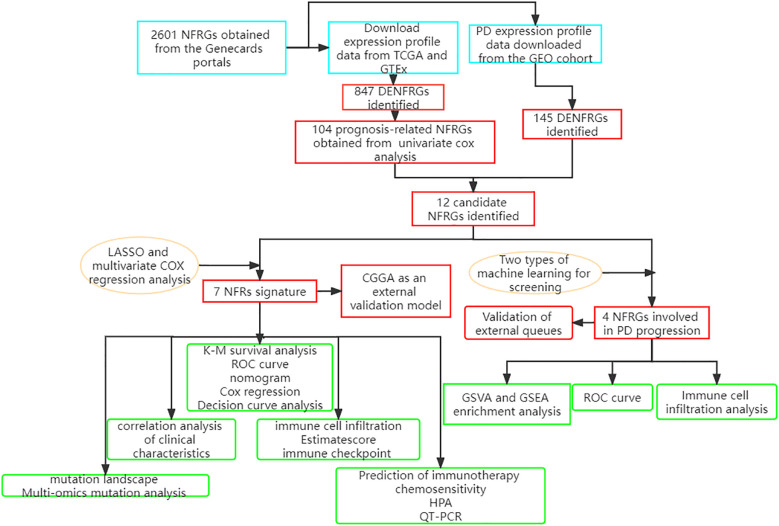
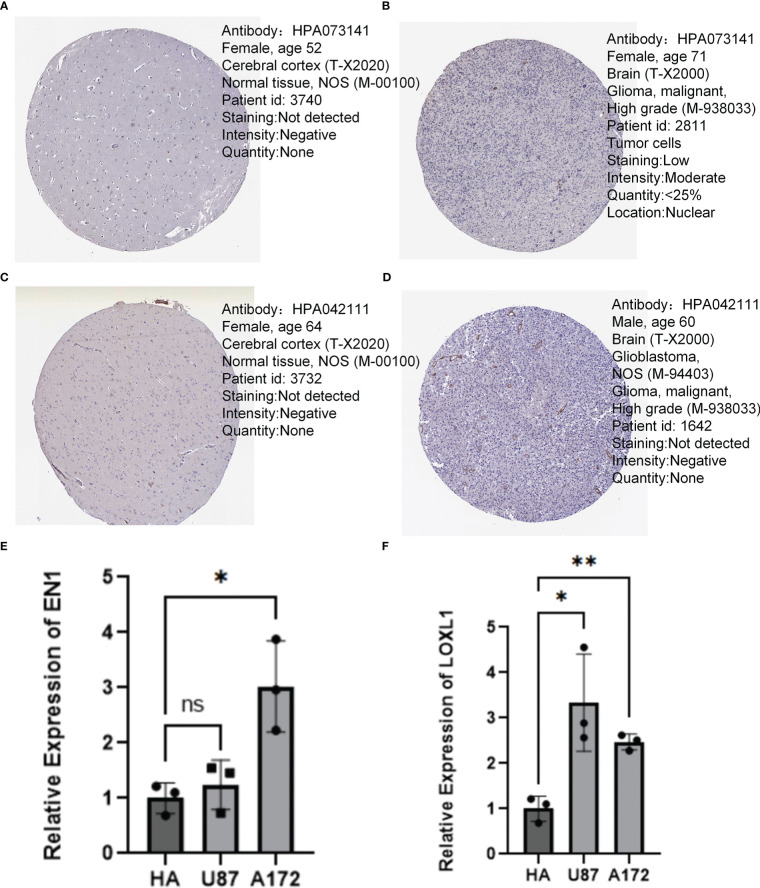
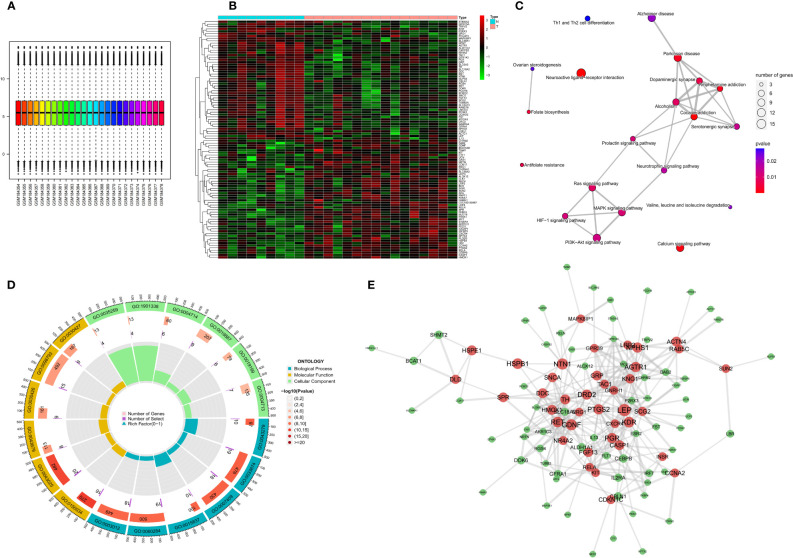
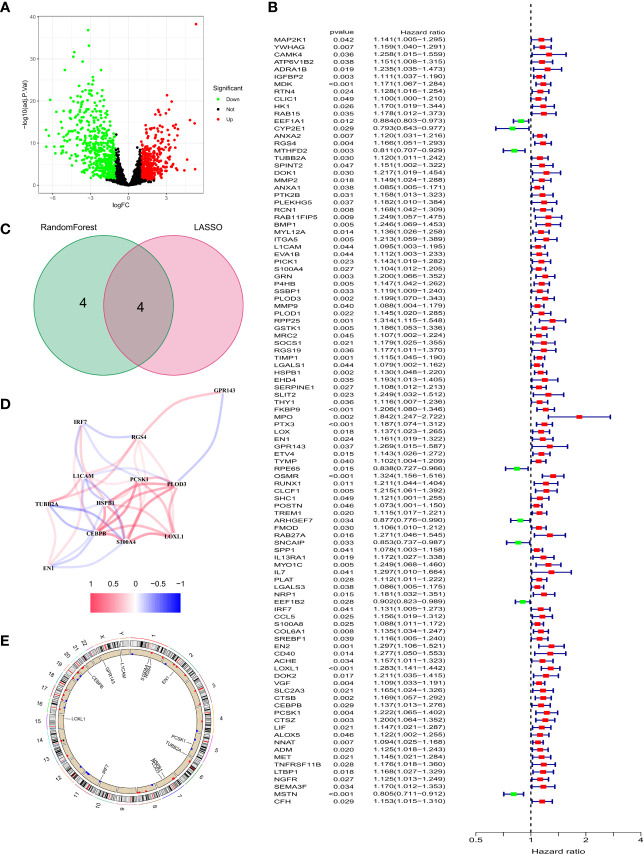
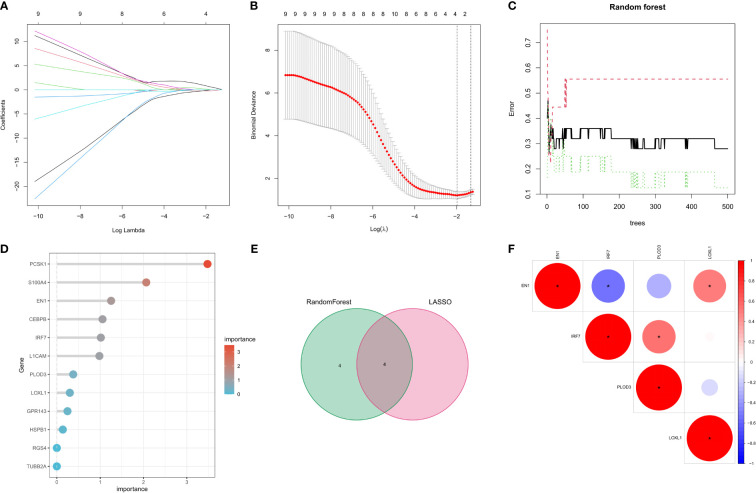
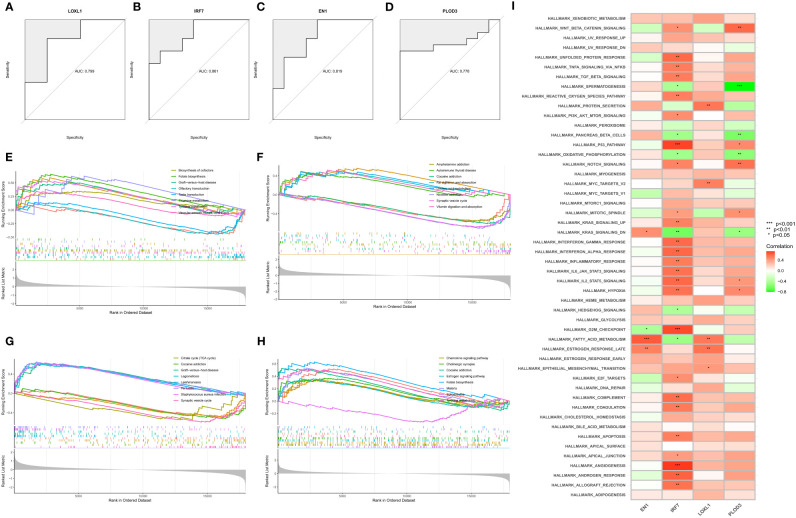
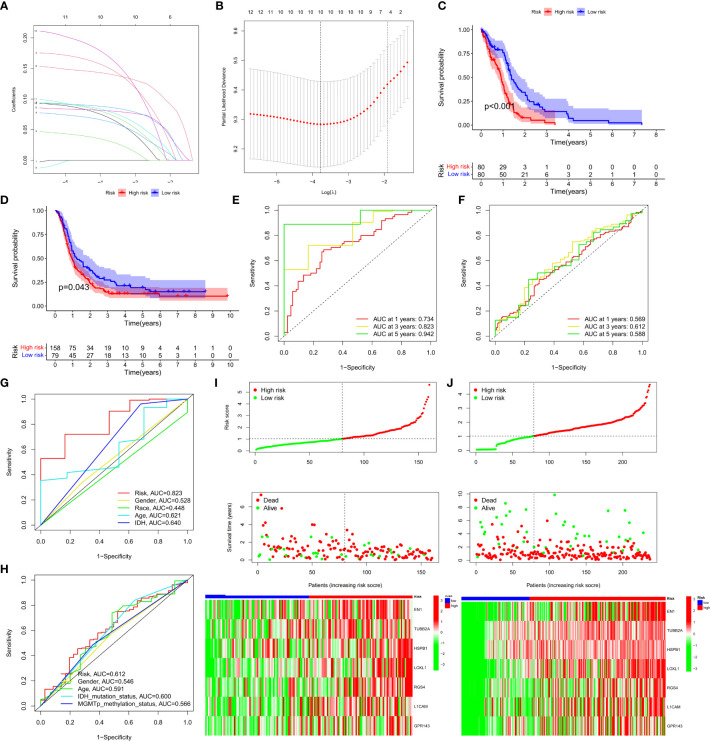
The 2601 neurotrophic factor-related genes (NFRGs) available in the Genecards portal were analyzed and 12 NFRGs with potential roles in the pathogenesis of Parkinson's disease and the prognosis of GBM were identified. LASSO regression and random forest algorithms were then used to screen the key NFRGs. The correlation of the key NFRGs with immune pathways was verified using GSEA (Gene Set Enrichment Analysis). A prognostic risk scoring system was constructed using LASSO (Least absolute shrinkage and selection operator) and multivariate Cox risk regression based on the expression of the 12 NFRGs in the GBM cohort from The Cancer Genome Atlas (TCGA) database. We also investigated differences in clinical characteristics, mutational landscape, immune cell infiltration, and predicted efficacy of immunotherapy between risk groups. Finally, the accuracy of the model genes was validated using multi-omics mutation analysis, single-cell sequencing, QT-PCR, and HPA.
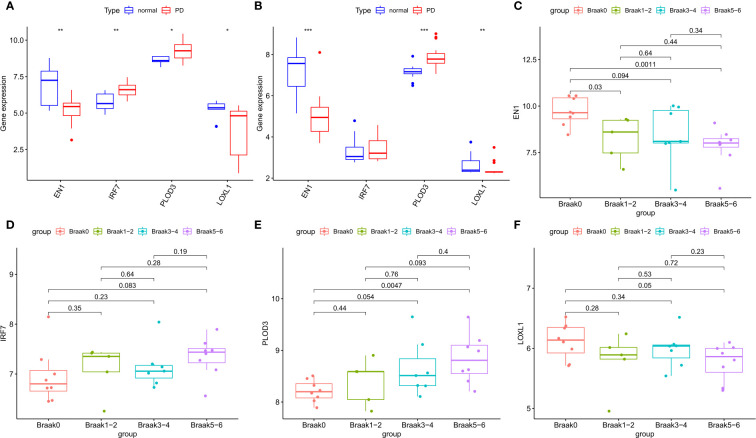
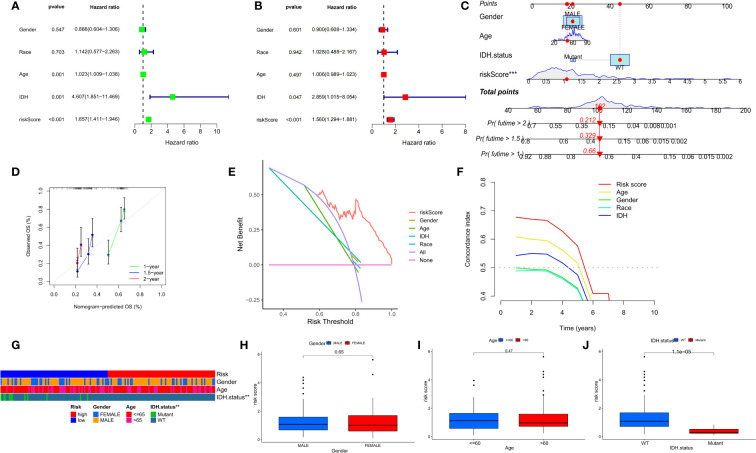
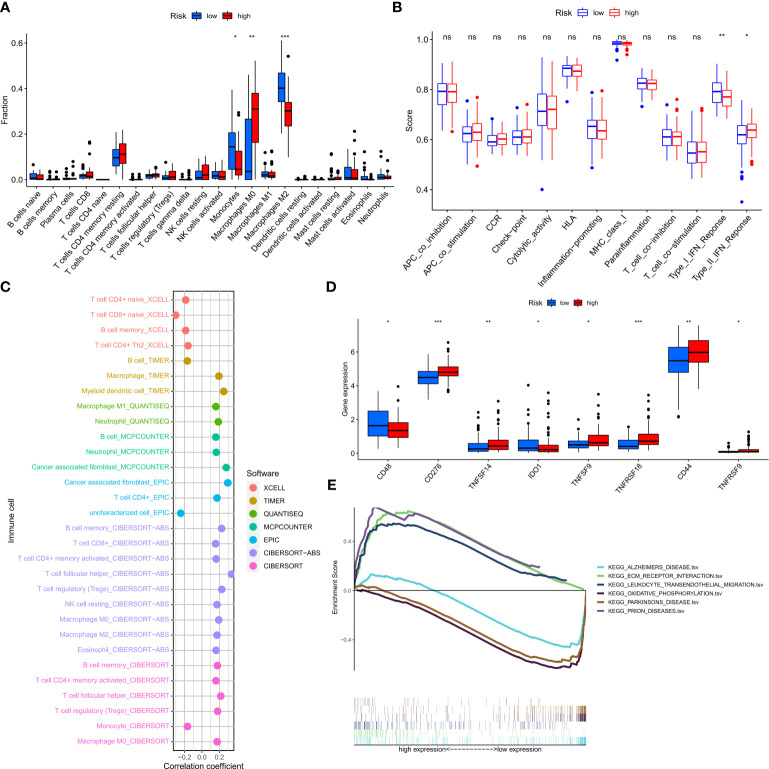
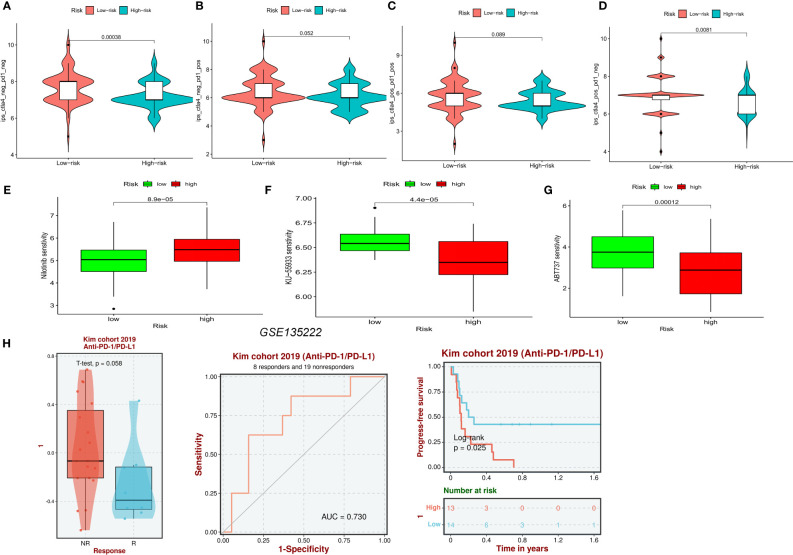
We found that 4 NFRGs were more reliable for the diagnosis of Parkinson's disease through the use of machine learning techniques. These results were validated using two external cohorts. We also identified 7 NFRGs that were highly associated with the prognosis and diagnosis of GBM. Patients in the low-risk group had a greater overall survival (OS) than those in the high-risk group. The nomogram generated based on clinical characteristics and risk scores showed strong prognostic prediction ability. The NFRG signature was an independent prognostic predictor for GBM. The low-risk group was more likely to benefit from immunotherapy based on the degree of immune cell infiltration, expression of immune checkpoints (ICs), and predicted response to immunotherapy. In the end, 2 NFRGs (EN1 and LOXL1) were identified as crucial for the development of Parkinson's disease and the outcome of GBM.
Our study revealed that 4 NFRGs are involved in the progression of PD. The 7-NFRGs risk score model can predict the prognosis of GBM patients and help clinicians to classify the GBM patients into high and low risk groups. EN1, and LOXL1 can be used as therapeutic targets for personalized immunotherapy for patients with PD and GBM.
多形性胶质母细胞瘤(GBM)是中枢神经系统最常见的癌症,而帕金森病(PD)是一种常见于老年人的退行性神经疾病。神经营养因子是与退行性神经病变和神经胶质瘤进展相关的关键因素。
分析了 Genecards 门户中可用的 2601 个神经营养因子相关基因(NFRGs),并确定了 12 个在帕金森病发病机制和 GBM 预后中具有潜在作用的 NFRGs。然后,使用 LASSO 回归和随机森林算法筛选关键 NFRGs。使用 GSEA(基因集富集分析)验证关键 NFRGs 与免疫途径的相关性。使用 LASSO(最小绝对收缩和选择算子)和基于 TCGA 数据库中 GBM 队列表达的多变量 Cox 风险回归构建预后风险评分系统。我们还研究了风险组之间的临床特征、突变景观、免疫细胞浸润和预测免疫治疗效果的差异。最后,使用多组学突变分析、单细胞测序、QT-PCR 和 HPA 验证模型基因的准确性。
通过使用机器学习技术,我们发现 4 个 NFRGs 更有助于帕金森病的诊断。这些结果通过两个外部队列得到验证。我们还确定了 7 个与 GBM 预后和诊断高度相关的 NFRGs。低风险组的总生存期(OS)明显长于高风险组。基于临床特征和风险评分生成的列线图显示出强大的预后预测能力。NFRG 特征是 GBM 的独立预后预测因子。低风险组根据免疫细胞浸润程度、免疫检查点(ICs)表达和预测的免疫治疗反应更有可能受益于免疫治疗。最后,确定了 2 个 NFRGs(EN1 和 LOXL1)在帕金森病的发生和 GBM 的转归中起关键作用。
我们的研究表明,4 个 NFRGs 参与了 PD 的进展。7-NFRGs 风险评分模型可预测 GBM 患者的预后,并有助于临床医生将 GBM 患者分为高风险和低风险组。EN1 和 LOXL1 可作为 PD 和 GBM 患者个性化免疫治疗的治疗靶点。