School of Biochemistry and Cell Biology, BioSciences Institute, University College Cork, T12 YT20 Cork, Ireland.
Department of Pharmacology and Therapeutics, Western Gateway Building, University College Cork, T12 XF62 Cork, Ireland.
J Cell Sci. 2023 Mar 15;136(6). doi: 10.1242/jcs.259875. Epub 2023 Mar 21.
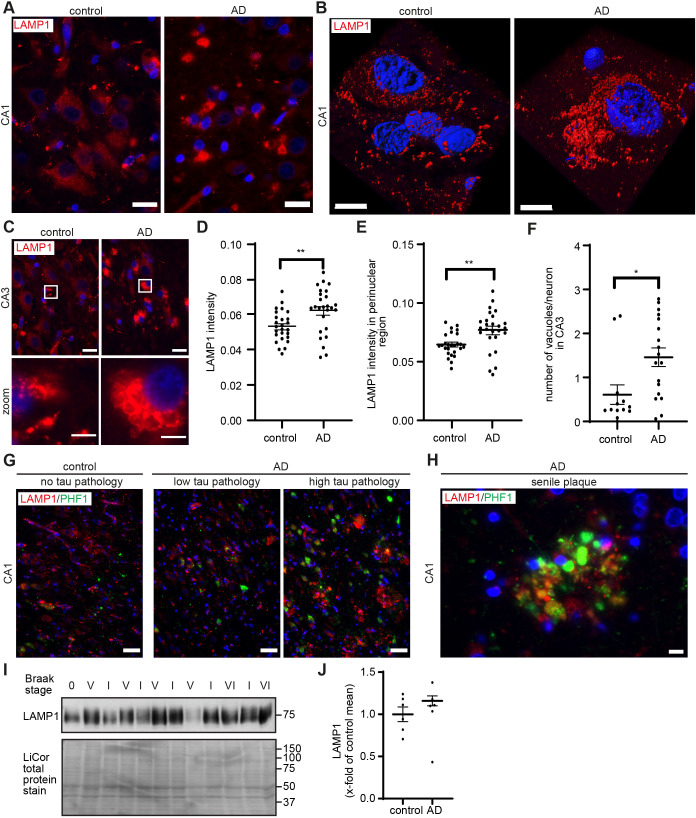
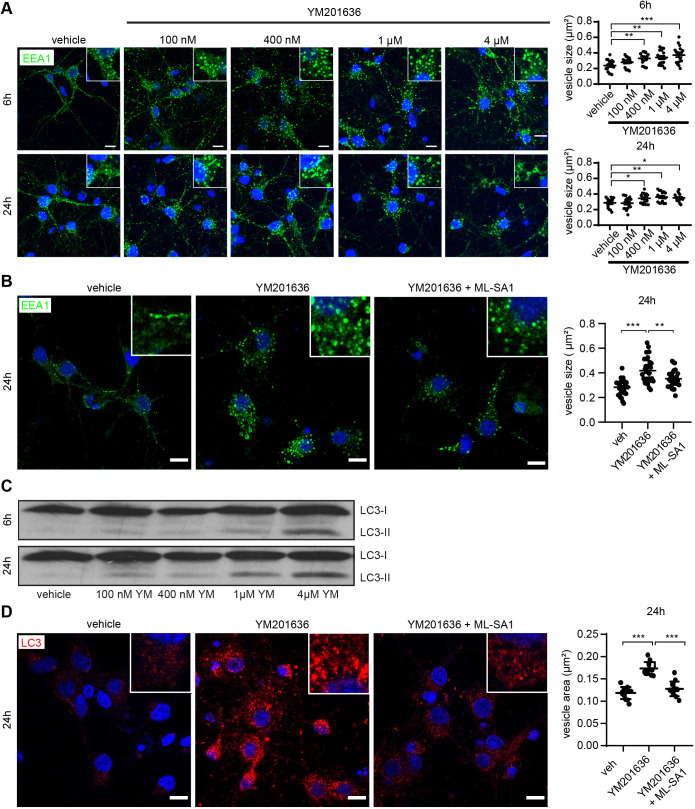
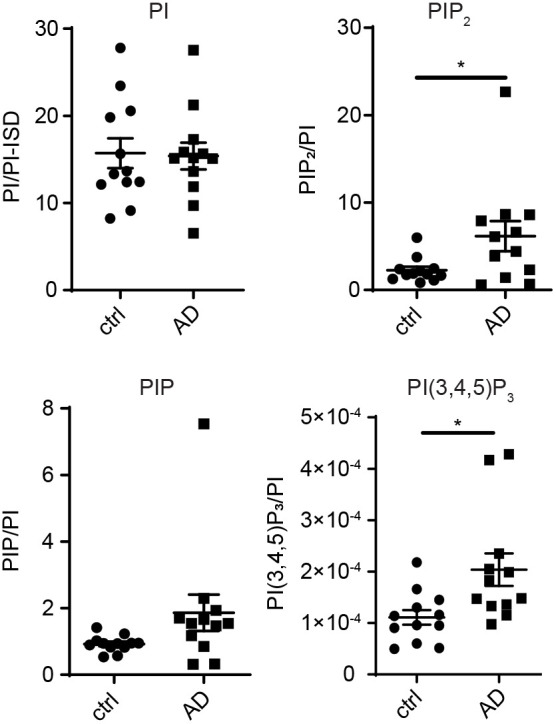
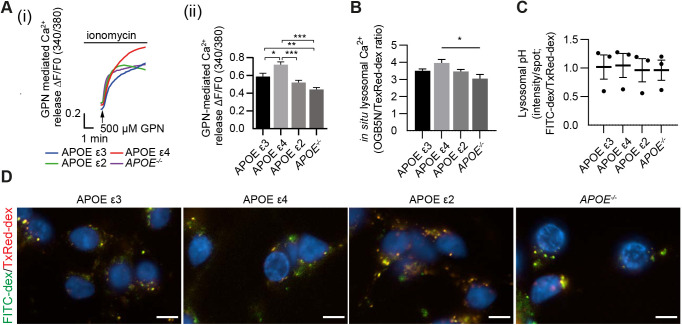
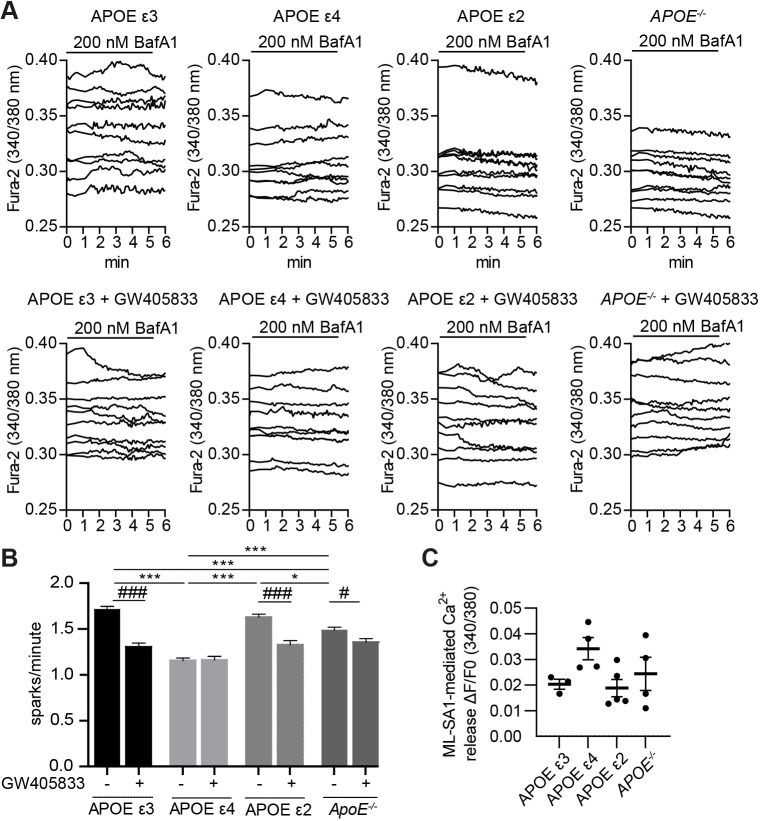
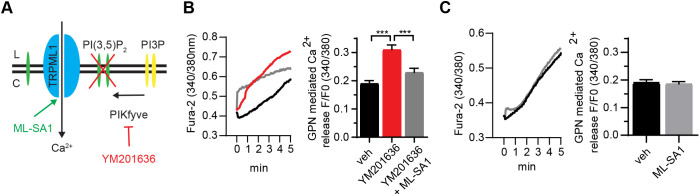
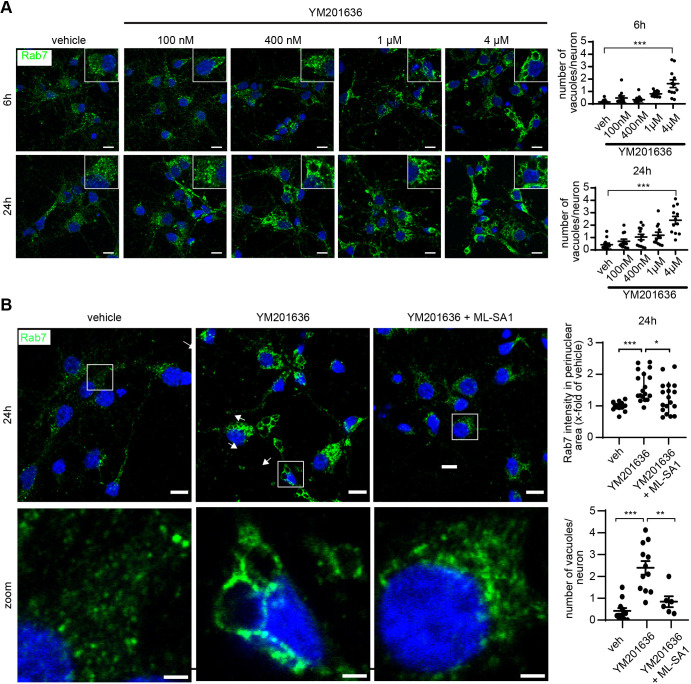
Abnormalities in the endosomal-autophagic-lysosomal (EAL) system are an early event in Alzheimer's disease (AD) pathogenesis. However, the mechanisms underlying these abnormalities are unclear. The transient receptor potential channel mucolipin 1(TRPML1, also known as MCOLN1), a vital endosomal-lysosomal Ca2+ channel whose loss of function leads to neurodegeneration, has not been investigated with respect to EAL pathogenesis in late-onset AD (LOAD). Here, we identify pathological hallmarks of TRPML1 dysregulation in LOAD neurons, including increased perinuclear clustering and vacuolation of endolysosomes. We reveal that induced pluripotent stem cell (iPSC)-derived human cortical neurons expressing APOE ε4, the strongest genetic risk factor for LOAD, have significantly diminished TRPML1-induced endolysosomal Ca2+ release. Furthermore, we found that blocking TRPML1 function in primary neurons by depleting the TRPML1 agonist PI(3,5)P2 via PIKfyve inhibition, recreated multiple features of EAL neuropathology evident in LOAD. This included increased endolysosomal Ca2+ content, enlargement and perinuclear clustering of endolysosomes, autophagic vesicle accumulation and early endosomal enlargement. Strikingly, these AD-like neuronal EAL defects were rescued by TRPML1 reactivation using its synthetic agonist ML-SA1. These findings implicate defects in TRPML1 in LOAD EAL pathogenesis and present TRPML1 as a potential therapeutic target.
内体-自噬-溶酶体 (EAL) 系统的异常是阿尔茨海默病 (AD) 发病机制中的早期事件。然而,这些异常的机制尚不清楚。瞬时受体电位通道 mucolipin 1(TRPML1,也称为 MCOLN1)是一种重要的内体溶酶体 Ca2+ 通道,其功能丧失会导致神经退行性变,但尚未针对晚期发病的 AD(LOAD)中的 EAL 发病机制进行研究。在这里,我们在 LOAD 神经元中确定了 TRPML1 失调的病理特征,包括核周聚集和内溶酶体空泡化增加。我们揭示了表达 APOE ε4 的诱导多能干细胞 (iPSC) 衍生的人类皮质神经元,APOE ε4 是 LOAD 的最强遗传风险因素,其 TRPML1 诱导的内溶酶体 Ca2+ 释放显著减少。此外,我们发现通过 PIKfyve 抑制耗尽 TRPML1 激动剂 PI(3,5)P2 来阻断原代神经元中的 TRPML1 功能,可重现 LOAD 中明显存在的多种 EAL 神经病理学特征。这包括内溶酶体 Ca2+ 含量增加、内溶酶体增大和核周聚集、自噬囊泡积累和早期内体增大。引人注目的是,这些 AD 样神经元 EAL 缺陷通过使用其合成激动剂 ML-SA1 激活 TRPML1 得到挽救。这些发现表明 TRPML1 缺陷与 LOAD 的 EAL 发病机制有关,并提出 TRPML1 是一个潜在的治疗靶点。