Institute of Plant Protection, Jiangsu Academy of Agricultural Sciences, Jiangsu Key Laboratory for Food Quality and Safety, State Key Laboratory Cultivation Base of Ministry of Science and Technology, Nanjing, China.
Department of Plant Pathology, College of Plant Protection, Nanjing Agricultural University, Nanjing, China.
Mol Plant Pathol. 2023 May;24(5):452-465. doi: 10.1111/mpp.13314. Epub 2023 Feb 24.
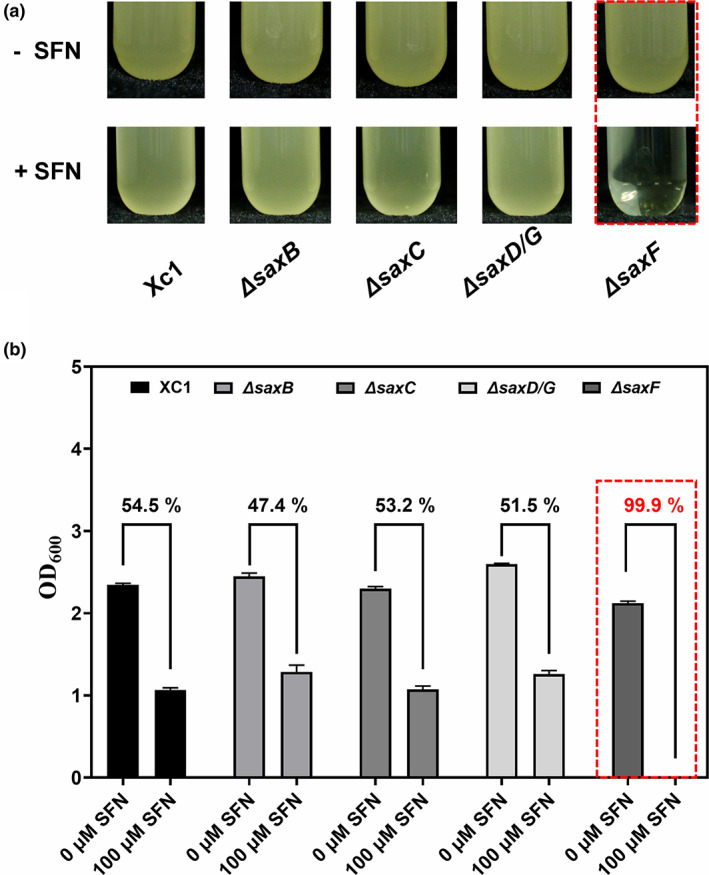
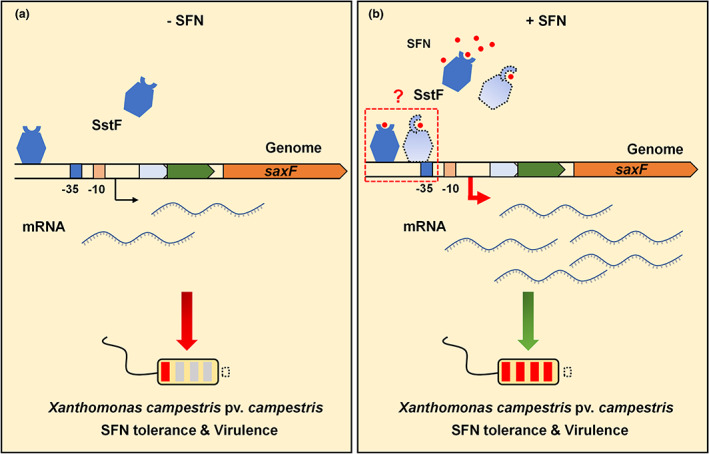
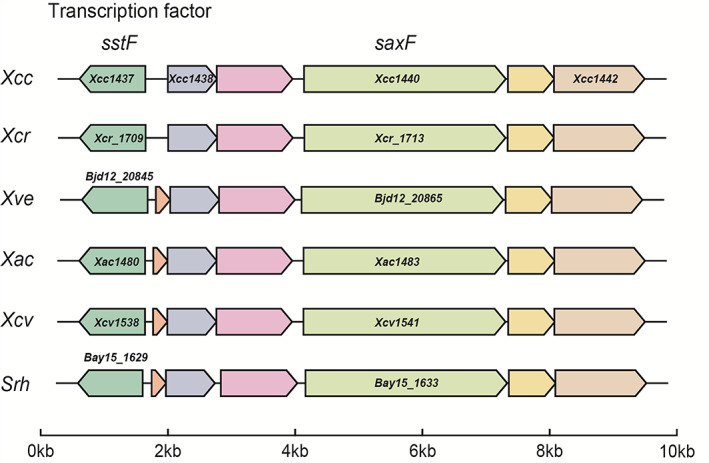
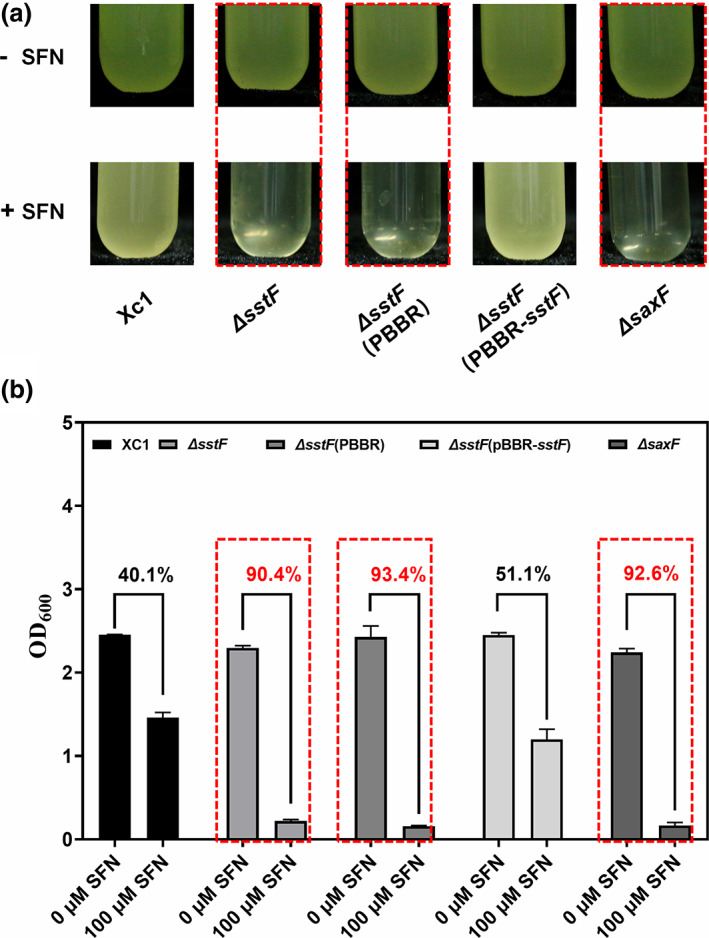
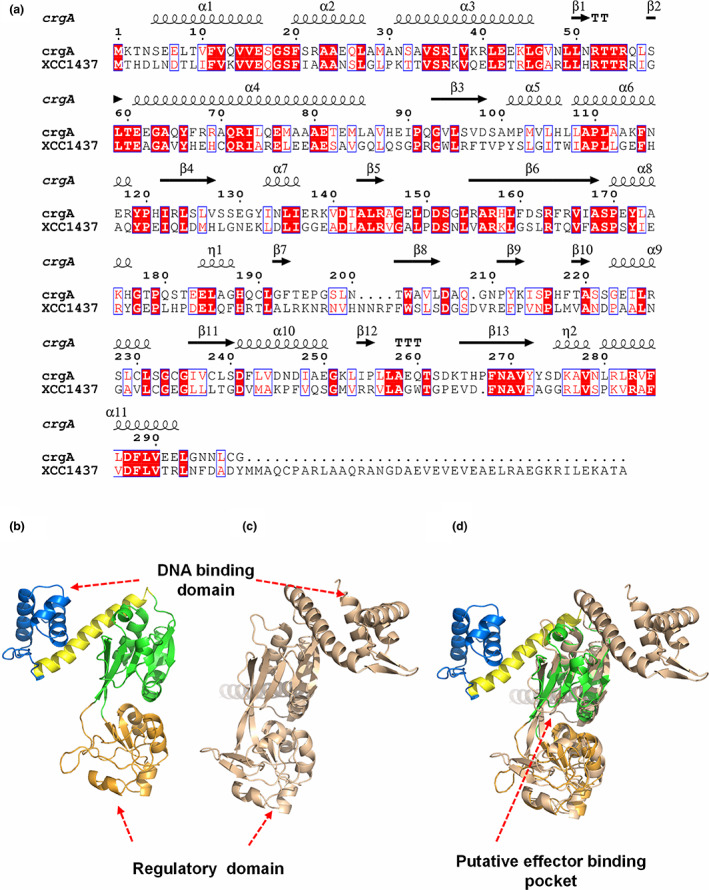
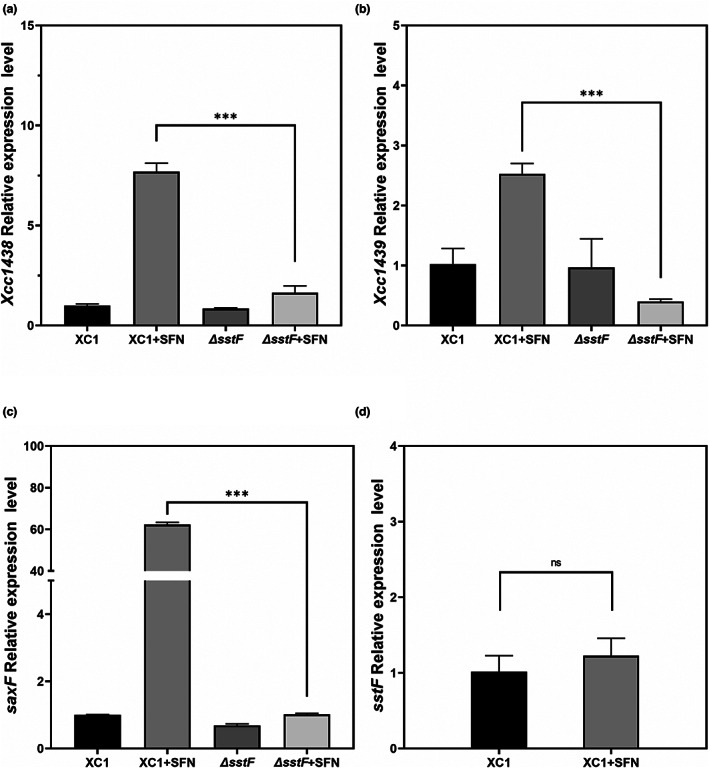
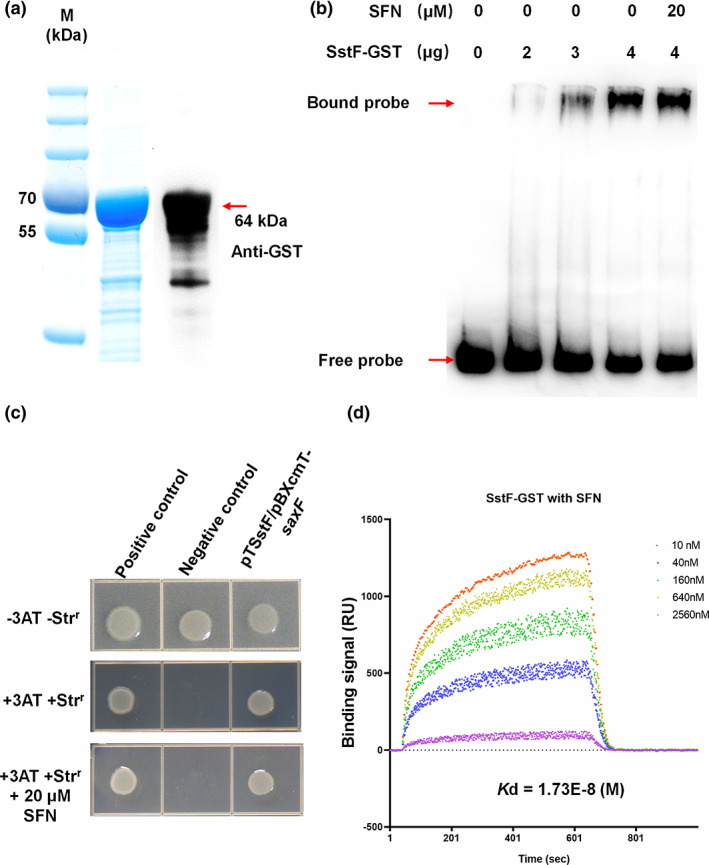
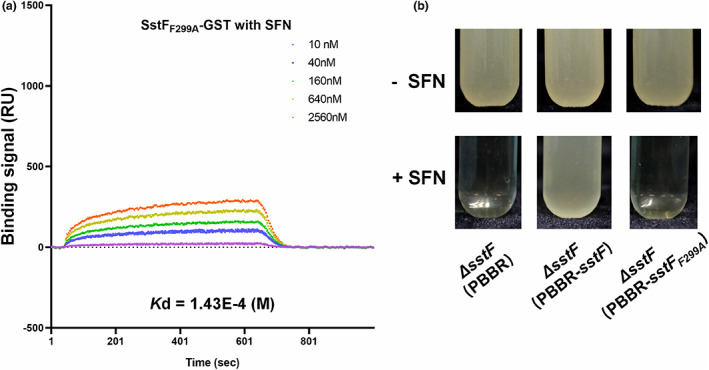
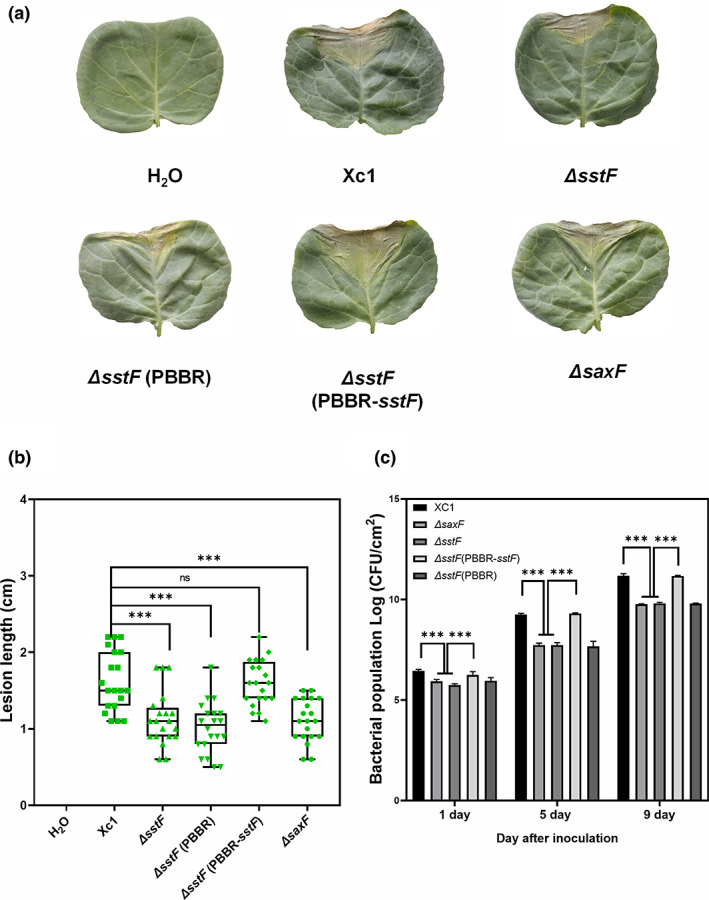
Avoiding the host defence system is necessary for the survival of pathogens. However, the mechanisms by which pathogenic bacteria sense and resist host defence signals are still unknown. Sulforaphane (SFN) is a secondary metabolite of crucifers. It not only plays an important role in maintaining the local defence response but also directly inhibits the growth of some pathogens. In this study, we identified a key SFN tolerance-related gene, saxF, in Xanthomonas campestris pv. campestris (Xcc), the causal agent of black rot in crucifers. More interestingly, we found that the transcription of saxF was regulated by the novel transcription factor SFN-sensing transcription factor (SstF). As a LysR family transcription factor, SstF can sense SFN and regulate the expression of saxF cluster genes to increase SFN resistance by directly binding to the promoter of saxF. In addition, we found that SstF and saxF also play an important role in positively regulating the virulence of Xcc. Collectively, our results illustrate a previously unknown mechanism by which Xcc senses the host defence signal SFN and activates the expression of SFN tolerance-related genes to increase virulence. Therefore, this study provides a remarkable result; that is, during pathogen-plant co-evolution, new functions of existing scaffolds are activated, thus improving the proficiency of the pathogenic mechanism.
逃避宿主防御系统是病原体生存的必要条件。然而,致病菌感知和抵抗宿主防御信号的机制仍不清楚。萝卜硫素(SFN)是十字花科植物的次生代谢物。它不仅在维持局部防御反应中起着重要作用,而且直接抑制一些病原体的生长。在本研究中,我们在十字花科黑腐病菌(Xanthomonas campestris pv. campestris,Xcc)中鉴定了一个与 SFN 耐受相关的关键基因 saxF,Xcc 是十字花科植物黑腐病的病原体。更有趣的是,我们发现 saxF 的转录受新型 SFN 感应转录因子(SstF)调控。作为 LysR 家族转录因子,SstF 可以感应 SFN 并调节 saxF 簇基因的表达,通过直接结合 saxF 的启动子来增加 SFN 抗性。此外,我们发现 SstF 和 saxF 也在正向调控 Xcc 毒力中发挥重要作用。总之,我们的研究结果阐明了一个以前未知的机制,即 Xcc 感知宿主防御信号 SFN 并激活 SFN 耐受相关基因的表达,从而增加毒力。因此,本研究提供了一个显著的结果,即在病原体-植物的共同进化过程中,激活了现有支架的新功能,从而提高了致病机制的效率。