Paris Francesca, Marrazzo Pasquale, Pizzuti Valeria, Marchionni Cosetta, Rossi Maura, Michelotti Martina, Petrovic Biljana, Ciani Elisabetta, Simonazzi Giuliana, Pession Andrea, Bonsi Laura, Alviano Francesco
Unit of Histology, Embryology and Applied Biology, Department of Medical and Surgical Sciences, University of Bologna, 40126 Bologna, Italy.
Department of Medical and Surgical Sciences, University of Bologna, 40138 Bologna, Italy.
Bioengineering (Basel). 2023 Feb 2;10(2):189. doi: 10.3390/bioengineering10020189.
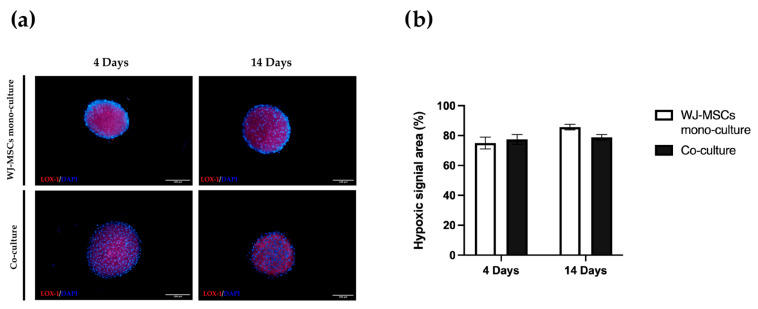
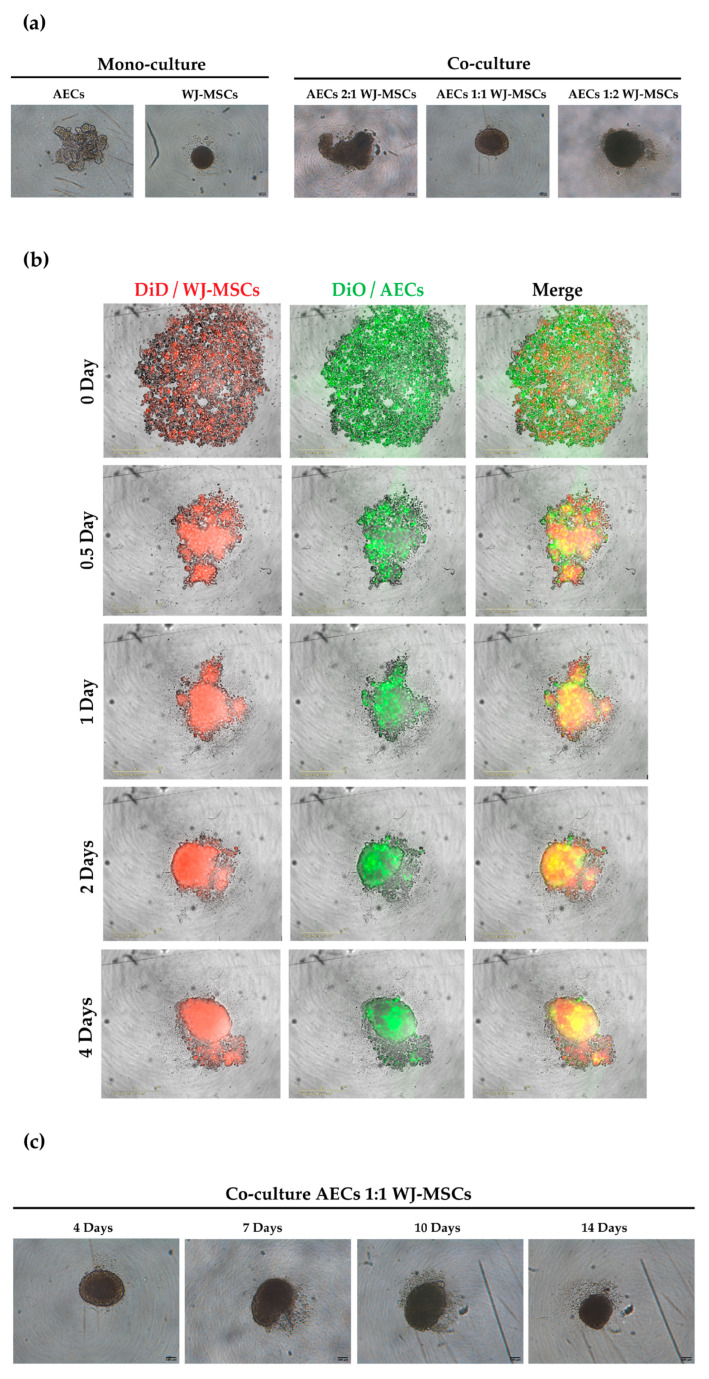
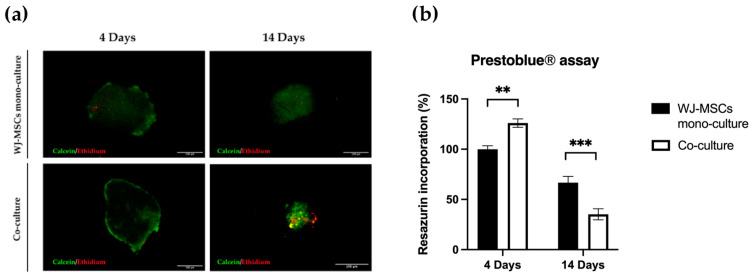
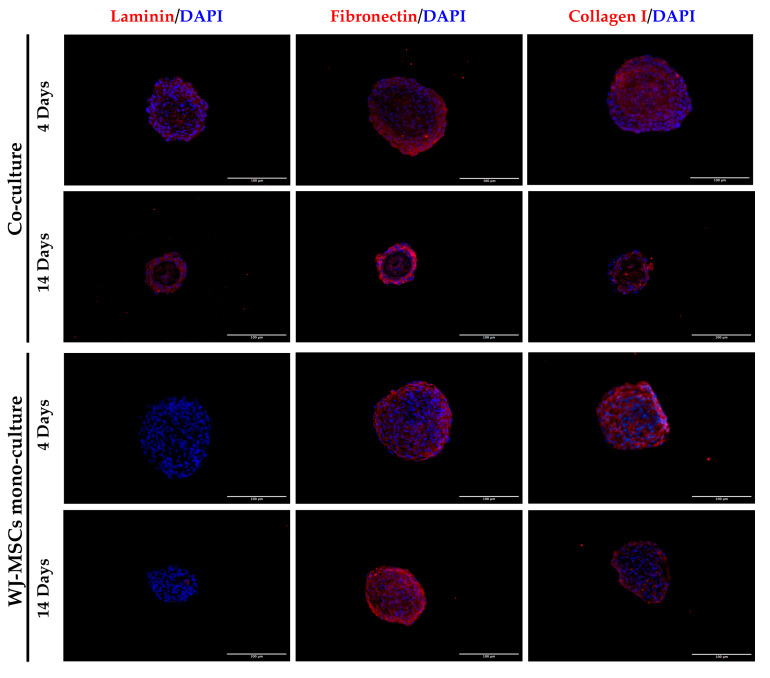
Type 1 diabetes mellitus (T1DM) is a complex metabolic disease characterized by a massive loss of insulin-producing cells due to an autoimmune reaction. Currently, daily subcutaneous administration of exogenous insulin is the only effective treatment. Therefore, in recent years considerable interest has been given to stem cell therapy and in particular to the use of three-dimensional (3D) cell cultures to better reproduce in vivo conditions. The goal of this study is to provide a reliable cellular model that could be investigated for regenerative medicine applications for the replacement of insulin-producing cells in T1DM. To pursue this aim we create a co-culture spheroid of amniotic epithelial cells (AECs) and Wharton's jelly mesenchymal stromal cells (WJ-MSCs) in a one-to-one ratio. The resulting co-culture spheroids were analyzed for viability, extracellular matrix production, and hypoxic state in both early- and long-term cultures. Our results suggest that co-culture spheroids are stable in long-term culture and are still viable with a consistent extracellular matrix production evaluated with immunofluorescence staining. These findings suggest that this co-culture may potentially be differentiated into endo-pancreatic cells for regenerative medicine applications in T1DM.
1型糖尿病(T1DM)是一种复杂的代谢性疾病,其特征是由于自身免疫反应导致产生胰岛素的细胞大量丧失。目前,每日皮下注射外源性胰岛素是唯一有效的治疗方法。因此,近年来,干细胞疗法,尤其是利用三维(3D)细胞培养来更好地模拟体内条件,受到了广泛关注。本研究的目的是提供一种可靠的细胞模型,可用于再生医学应用,以替代T1DM中产生胰岛素的细胞。为实现这一目标,我们以1:1的比例创建了羊膜上皮细胞(AECs)和华通氏胶间充质基质细胞(WJ-MSCs)的共培养球体。对所得的共培养球体在早期和长期培养中的活力、细胞外基质产生和缺氧状态进行了分析。我们的结果表明,共培养球体在长期培养中是稳定的,并且通过免疫荧光染色评估,其仍具有活力,细胞外基质产生一致。这些发现表明,这种共培养可能潜在地分化为胰腺内分泌细胞,用于T1DM的再生医学应用。