Hsieh Cheng-Ta, Yen Ting-Lin, Chen Yu-Hao, Jan Jing-Shiun, Teng Ruei-Dun, Yang Chih-Hao, Sun Jui-Ming
Division of Neurosurgery, Department of Surgery, Sijhih Cathay General Hospital, New Taipei City 22174, Taiwan.
School of Medicine, National Tsing Hua University, Hsinchu 300044, Taiwan.
Antioxidants (Basel). 2023 Jan 17;12(2):217. doi: 10.3390/antiox12020217.
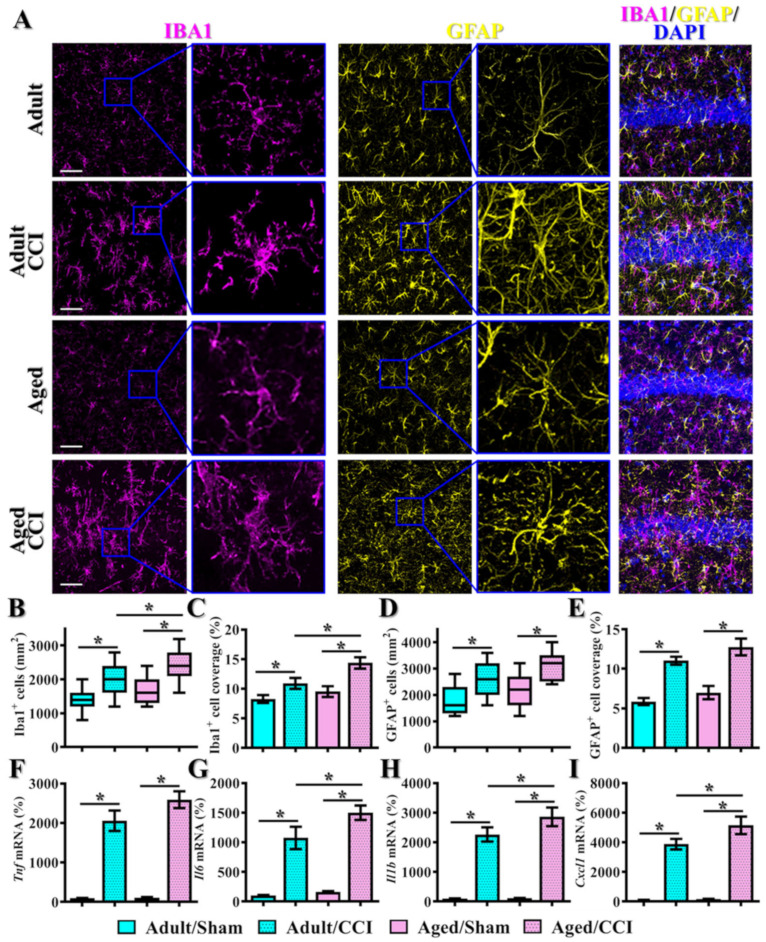
The incidence of traumatic brain injury (TBI) increases dramatically with advanced age and accumulating evidence indicates that age is one of the important predictors of an unfavorable prognosis after brain trauma. Unfortunately, thus far, evidence-based effective therapeutics for geriatric TBI is limited. By using middle-aged animals, we first confirm that there is an age-related change in TBI susceptibility manifested by increased inflammatory events, neuronal death and impaired functional outcomes in motor and cognitive behaviors. Since thyroid hormones function as endogenous regulators of oxidative stress, we postulate that age-related thyroid dysfunction could be a crucial pathology in the increased TBI severity. By surgically removing the thyroid glands, which recapitulates the age-related increase in TBI-susceptible phenotypes, we provide direct evidence showing that endogenous thyroid hormone-dependent compensatory regulation of antioxidant events modulates individual TBI susceptibility, which is abolished in aged or thyroidectomized individuals. The antioxidant capacity of melatonin is well-known, and we found acute melatonin treatment but not liothyronine (T3) supplementation improved the TBI-susceptible phenotypes of oxidative stress, excitotoxic neuronal loss and promotes functional recovery in the aged individuals with thyroid dysfunction. Our study suggests that monitoring thyroid function and acute administration of melatonin could be feasible therapeutics in the management of geriatric-TBI in clinic.
创伤性脑损伤(TBI)的发病率随着年龄增长而急剧上升,越来越多的证据表明,年龄是脑外伤后预后不良的重要预测因素之一。遗憾的是,迄今为止,针对老年TBI的循证有效治疗方法有限。通过使用中年动物,我们首先证实,TBI易感性存在与年龄相关的变化,表现为炎症反应增加、神经元死亡以及运动和认知行为的功能结果受损。由于甲状腺激素作为氧化应激的内源性调节因子,我们推测年龄相关的甲状腺功能障碍可能是TBI严重程度增加的关键病理因素。通过手术切除甲状腺,模拟了与年龄相关的TBI易感表型增加,我们提供了直接证据表明,内源性甲状腺激素依赖的抗氧化事件补偿调节可调节个体的TBI易感性,而在老年或甲状腺切除个体中这种调节作用消失。褪黑素的抗氧化能力是众所周知的,我们发现急性褪黑素治疗而非补充三碘甲状腺原氨酸(T3)可改善甲状腺功能障碍老年个体的TBI易感表型,包括氧化应激、兴奋性毒性神经元丢失,并促进功能恢复。我们的研究表明,监测甲状腺功能以及急性给予褪黑素可能是临床上管理老年TBI的可行治疗方法。