Slaven John E, Wilkerson Matthew, Soltis Anthony R, Rittase W Bradley, Bradfield Dmitry T, Bylicky Michelle, Cary Lynnette, Tsioplaya Alena, Bouten Roxane, Dalgard Clifton, Day Regina M
Department of Pharmacology and Molecular Therapeutics, Uniformed Services University of the Health Sciences, 4301 Jones Bridge Rd., Bethesda, MD 20814, USA.
Collaborative Health Initiative Research Program, Uniformed Services University of the Health Sciences, Bethesda, MD 20814, USA.
Antioxidants (Basel). 2023 Jan 21;12(2):241. doi: 10.3390/antiox12020241.
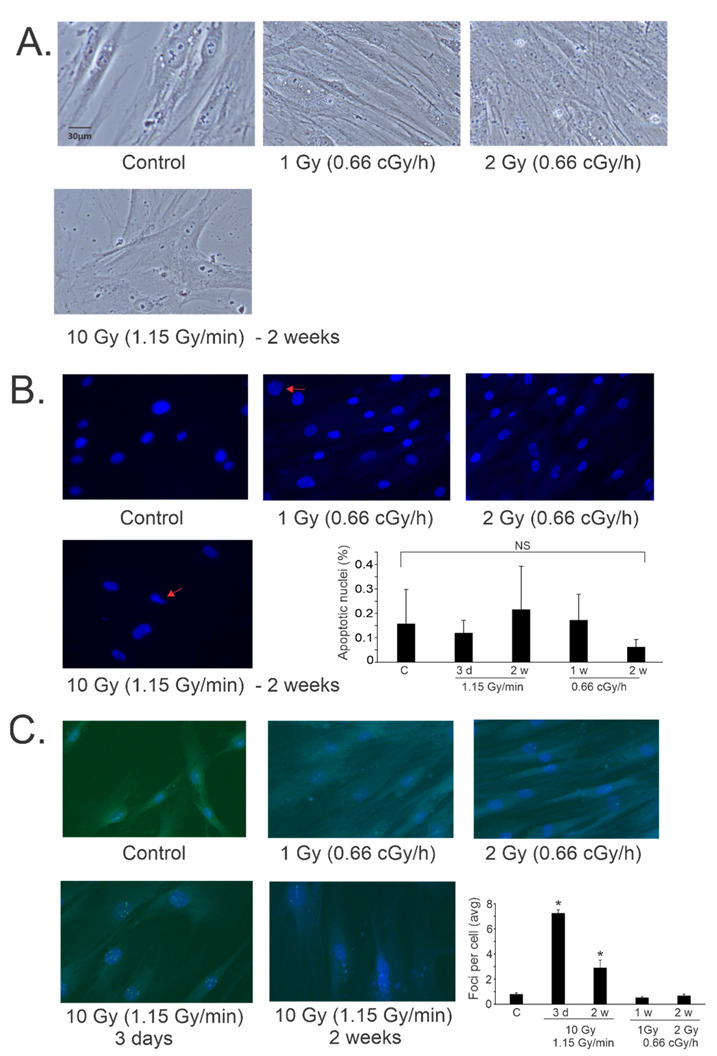
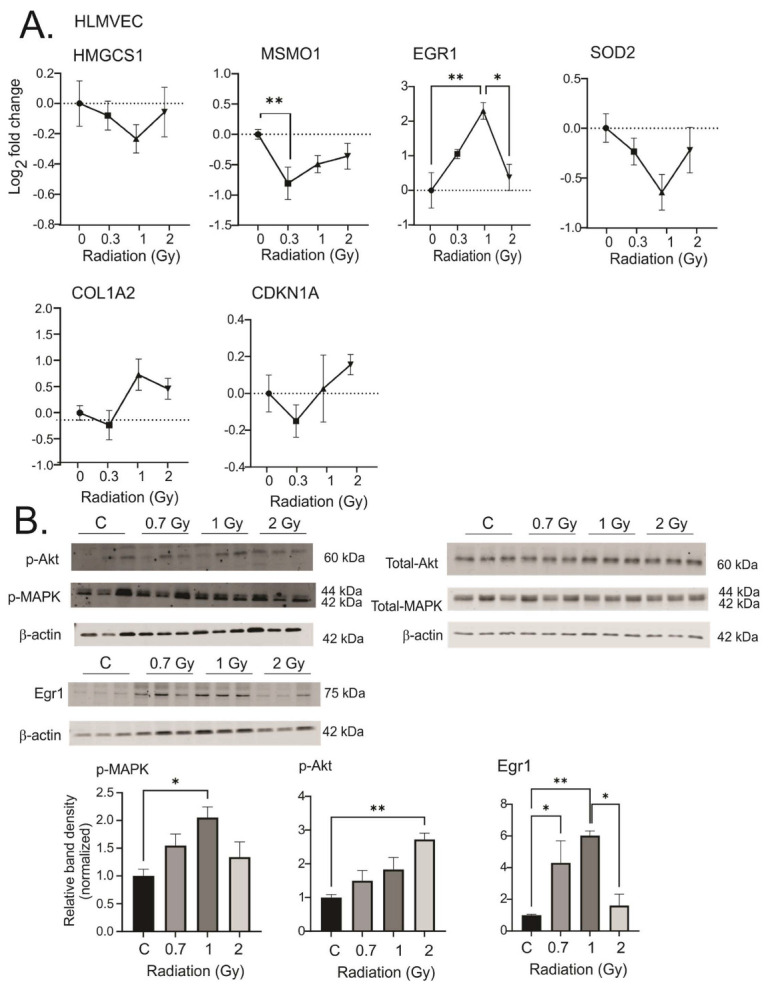
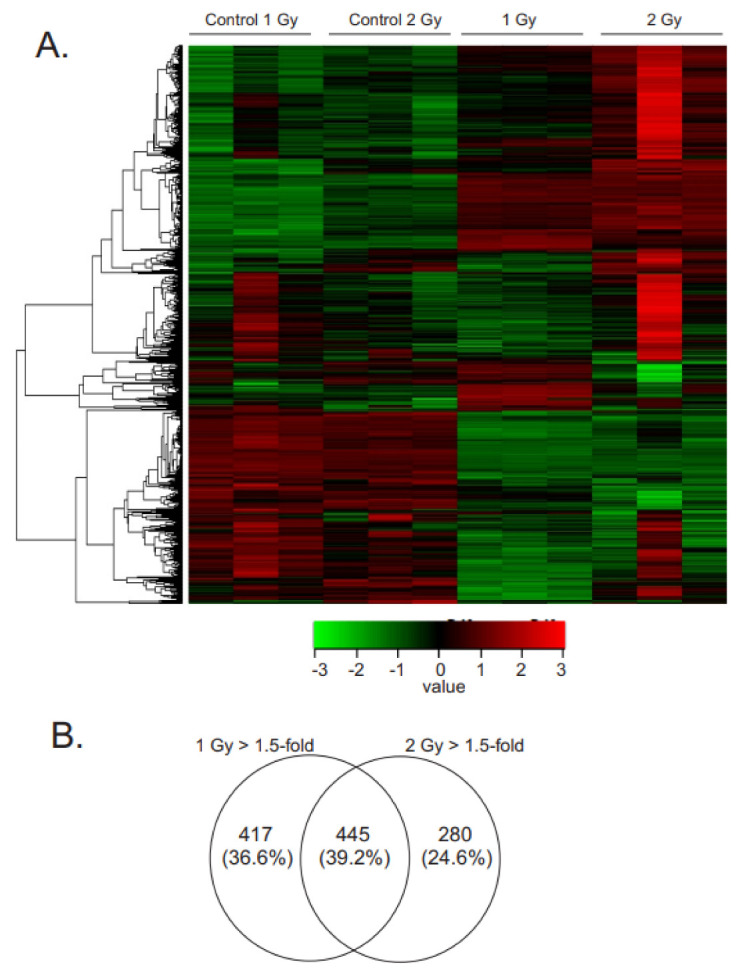
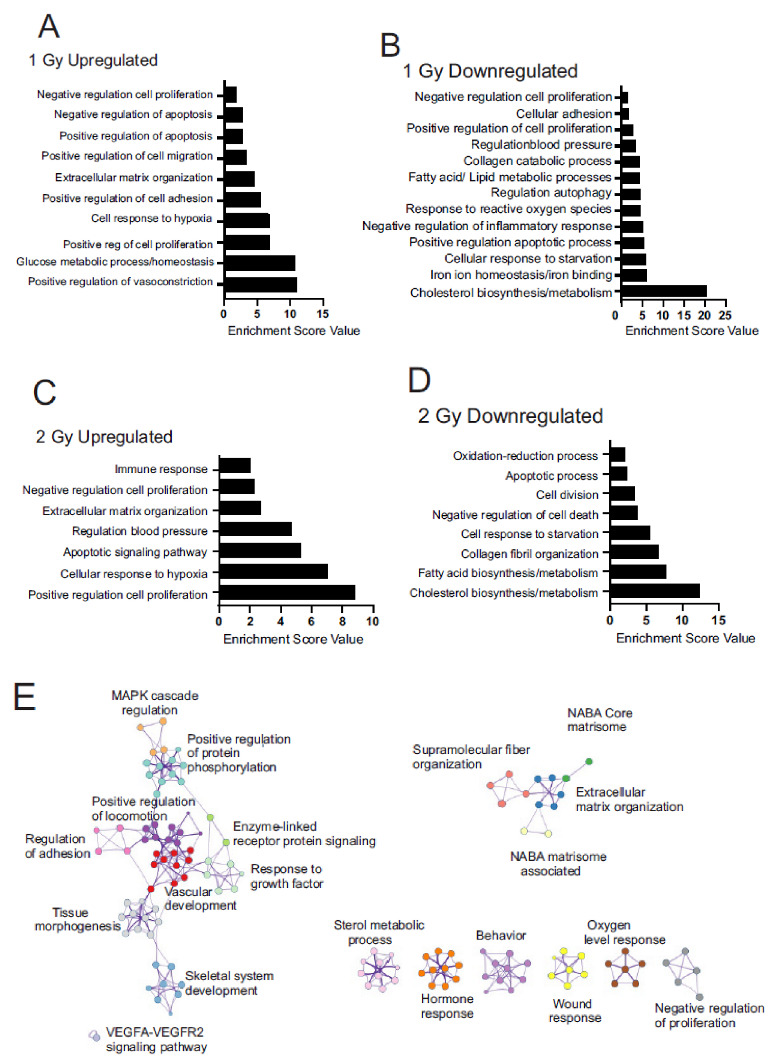
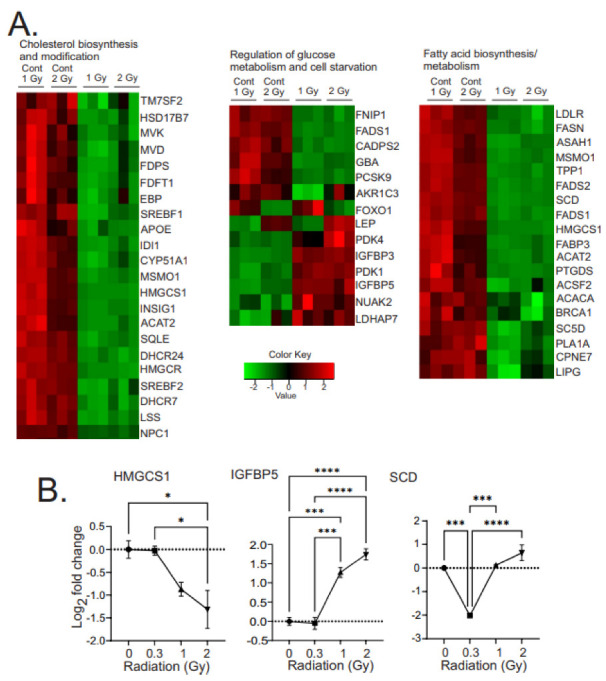
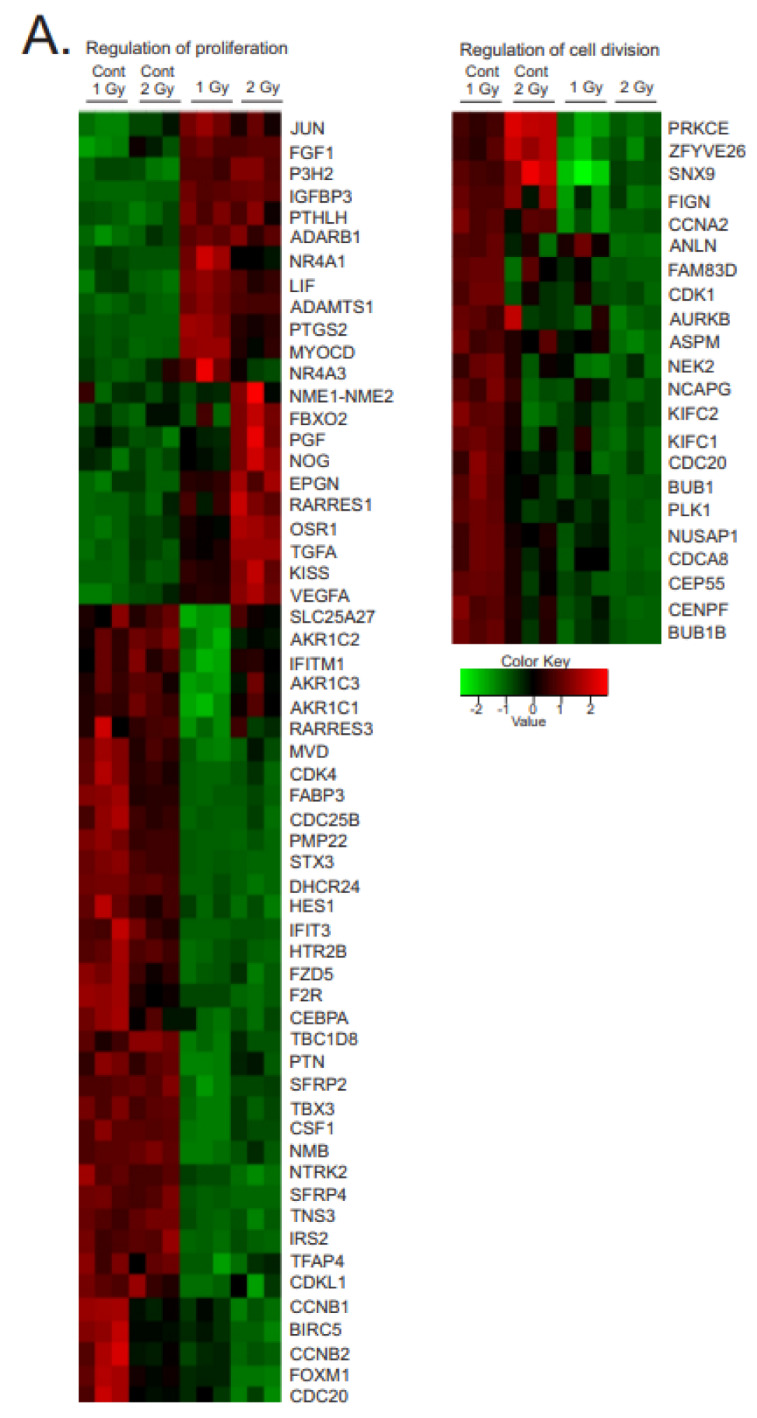
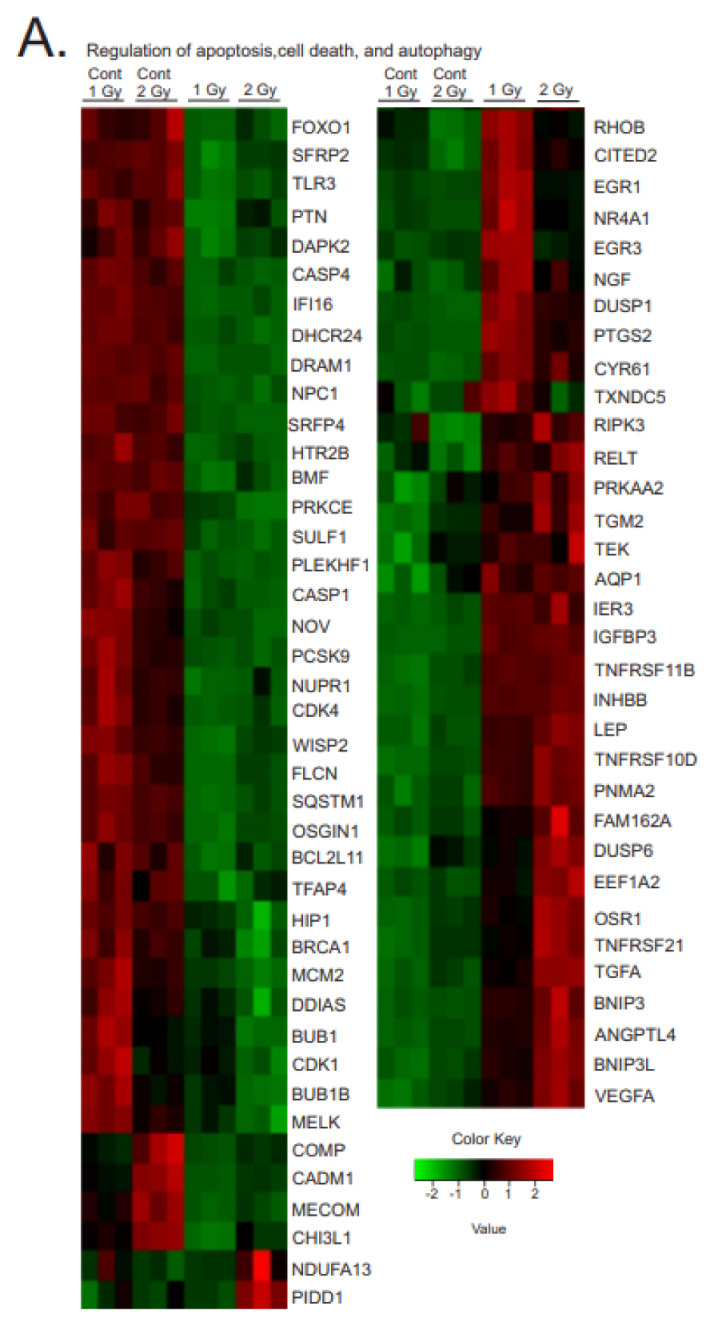
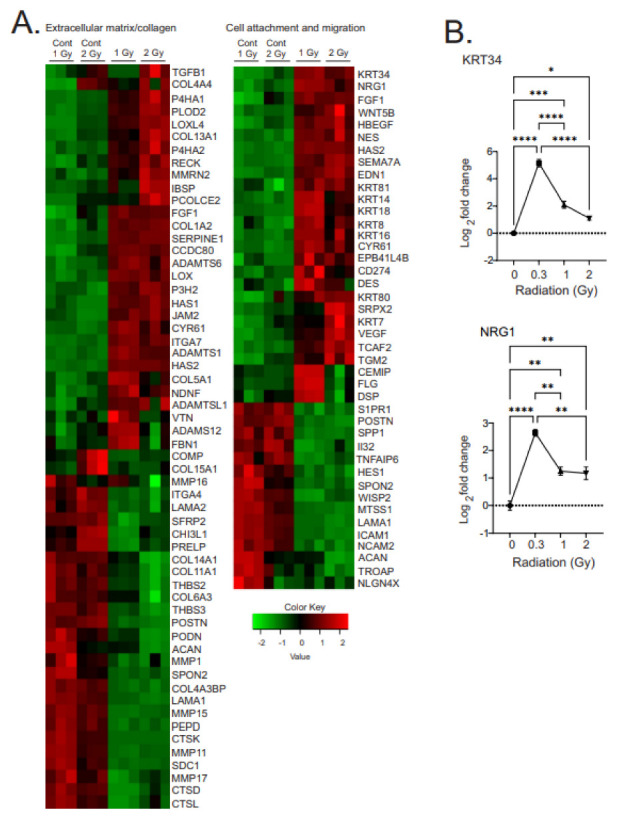
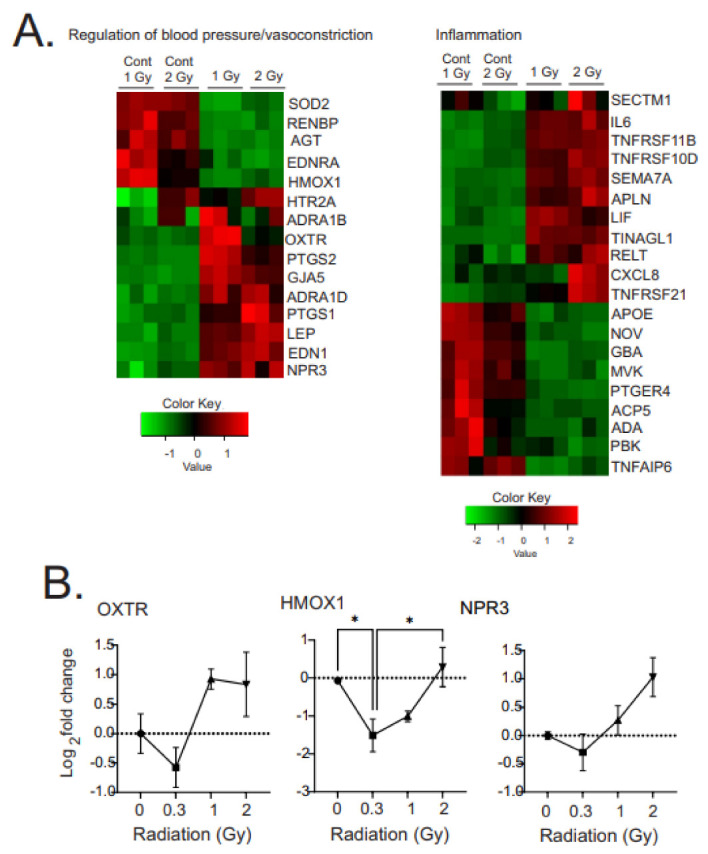
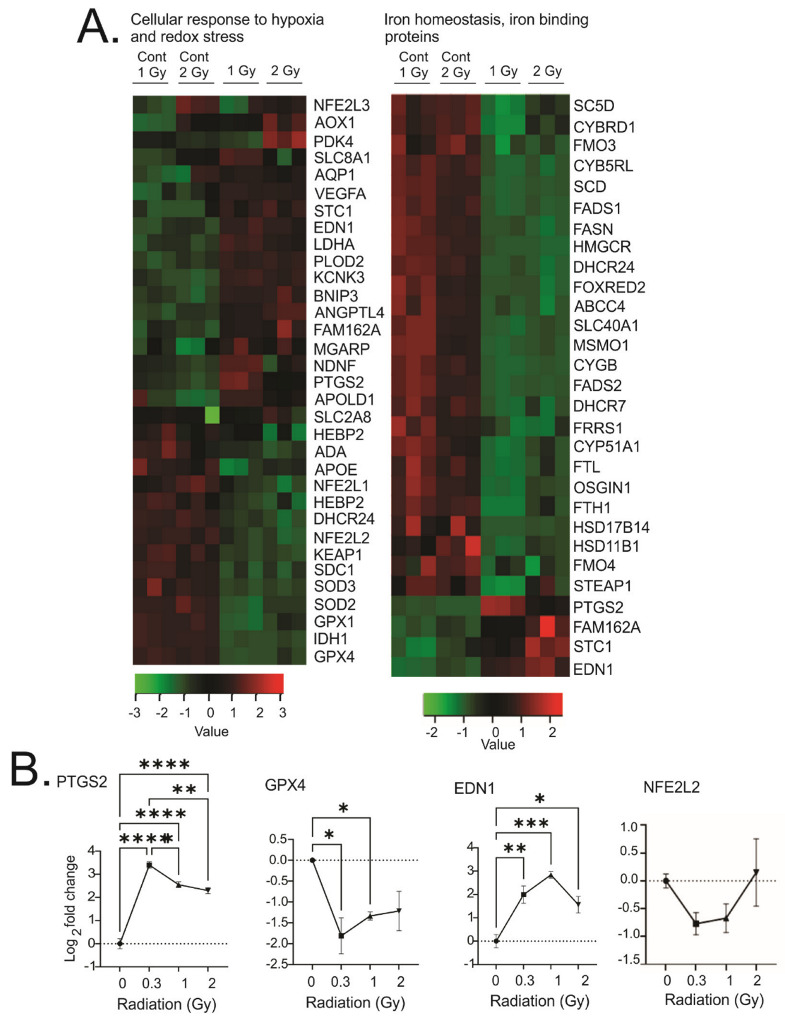
Low dose-rate radiation exposure can occur in medical imaging, as background from environmental or industrial radiation, and is a hazard of space travel. In contrast with high dose-rate radiation exposure that can induce acute life-threatening syndromes, chronic low-dose radiation is associated with Chronic Radiation Syndrome (CRS), which can alter environmental sensitivity. Secondary effects of chronic low dose-rate radiation exposure include circulatory, digestive, cardiovascular, and neurological diseases, as well as cancer. Here, we investigated 1-2 Gy, 0.66 cGy/h, Co radiation effects on primary human mesenchymal stem cells (hMSC). There was no significant induction of apoptosis or DNA damage, and cells continued to proliferate. Gene ontology (GO) analysis of transcriptome changes revealed alterations in pathways related to cellular metabolism (cholesterol, fatty acid, and glucose metabolism), extracellular matrix modification and cell adhesion/migration, and regulation of vasoconstriction and inflammation. Interestingly, there was increased hypoxia signaling and increased activation of pathways regulated by iron deficiency, but Nrf2 and related genes were reduced. The data were validated in hMSC and human lung microvascular endothelial cells using targeted qPCR and Western blotting. Notably absent in the GO analysis were alteration pathways for DNA damage response, cell cycle inhibition, senescence, and pro-inflammatory response that we previously observed for high dose-rate radiation exposure. Our findings suggest that cellular gene transcription response to low dose-rate ionizing radiation is fundamentally different compared to high-dose-rate exposure. We hypothesize that cellular response to hypoxia and iron deficiency are driving processes, upstream of the other pathway regulation.
低剂量率辐射暴露可发生在医学成像中,作为环境或工业辐射的背景辐射,也是太空旅行的一种危害。与可诱发急性危及生命综合征的高剂量率辐射暴露不同,慢性低剂量辐射与慢性辐射综合征(CRS)相关,后者可改变环境敏感性。慢性低剂量率辐射暴露的继发效应包括循环系统、消化系统、心血管系统和神经系统疾病以及癌症。在此,我们研究了1-2 Gy、0.66 cGy/h的钴辐射对原代人骨髓间充质干细胞(hMSC)的影响。未观察到明显的细胞凋亡或DNA损伤诱导,细胞继续增殖。转录组变化的基因本体(GO)分析显示,与细胞代谢(胆固醇、脂肪酸和葡萄糖代谢)、细胞外基质修饰和细胞粘附/迁移以及血管收缩和炎症调节相关的途径发生了改变。有趣的是,缺氧信号增加,缺铁调节的途径激活增加,但Nrf2和相关基因减少。使用靶向定量PCR和蛋白质印迹法在hMSC和人肺微血管内皮细胞中验证了这些数据。在GO分析中明显缺失的是我们之前在高剂量率辐射暴露中观察到的DNA损伤反应、细胞周期抑制、衰老和促炎反应的改变途径。我们的研究结果表明,与高剂量率暴露相比,细胞对低剂量率电离辐射的基因转录反应存在根本差异。我们假设,细胞对缺氧和缺铁的反应是驱动过程,在其他途径调节的上游。