Inarejos-Garcia Antonio M, Heil Julia, Martorell Patricia, Álvarez Beatriz, Llopis Silvia, Helbig Ines, Liu Jie, Quebbeman Bryon, Nemeth Tim, Holmgren Deven, Morlock Gertrud E
Department of Functional Extracts, ADM Valencia, 46740 Carcaixent, Spain.
Chair of Food Science, Institute of Nutritional Science, and TransMIT Center for Effect-Directed Analysis, Justus Liebig University Giessen, Heinrich-Buff-Ring 26-32, 35392 Giessen, Germany.
Antioxidants (Basel). 2023 Feb 14;12(2):476. doi: 10.3390/antiox12020476.
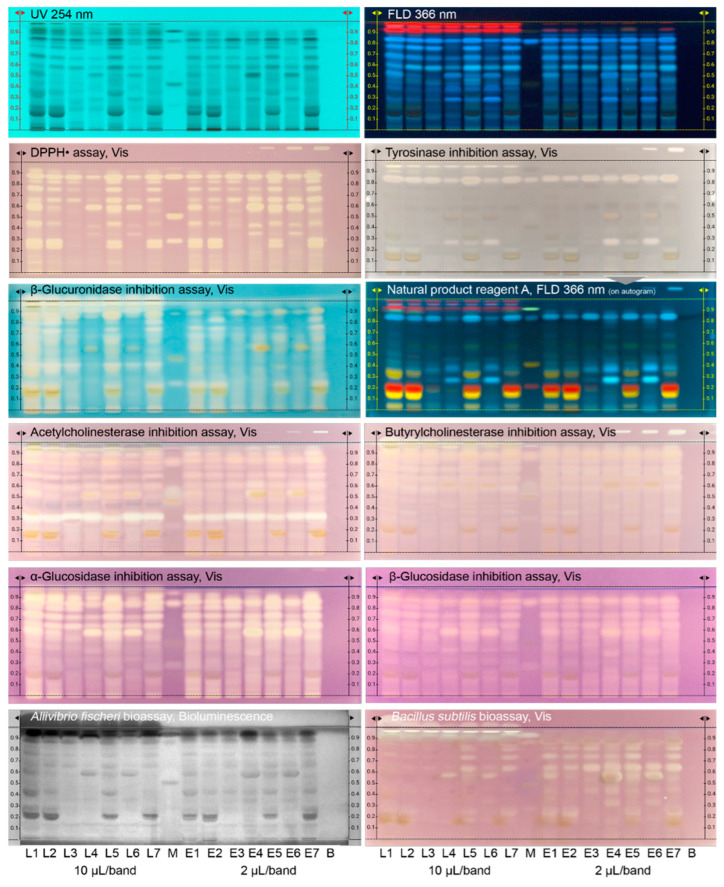
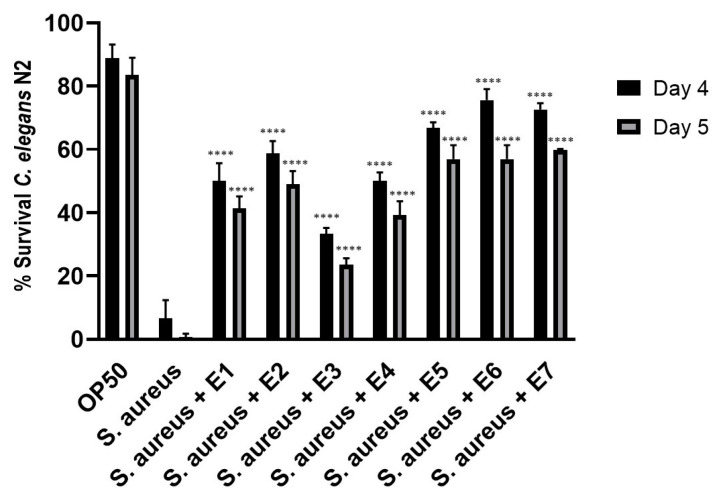
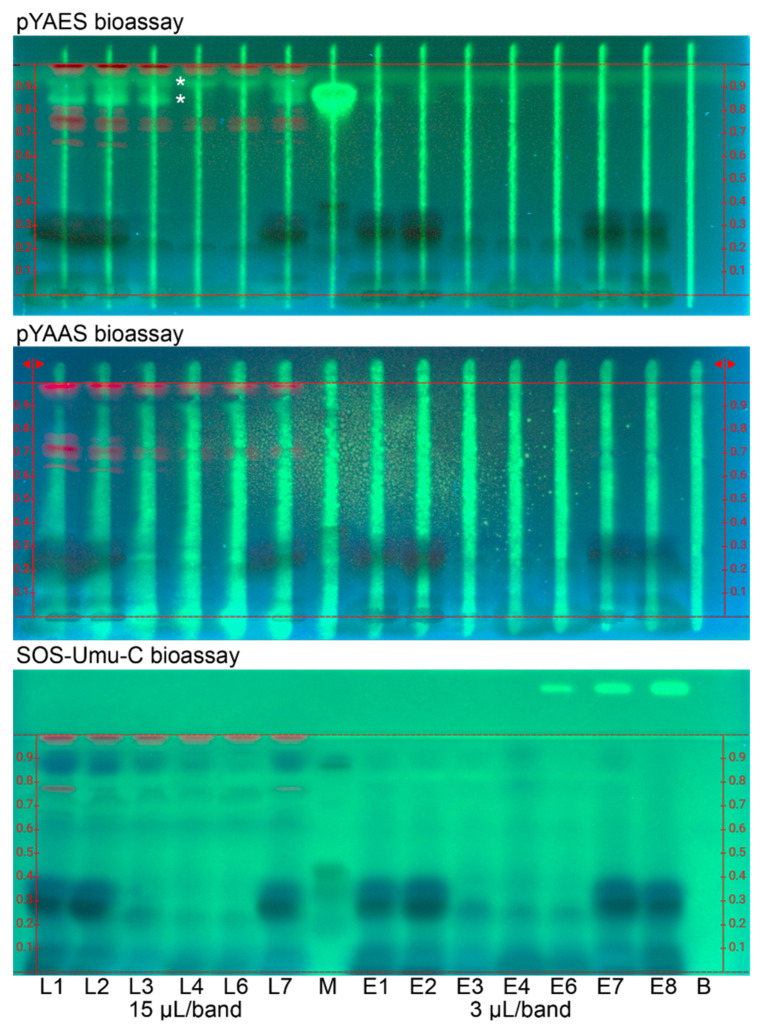
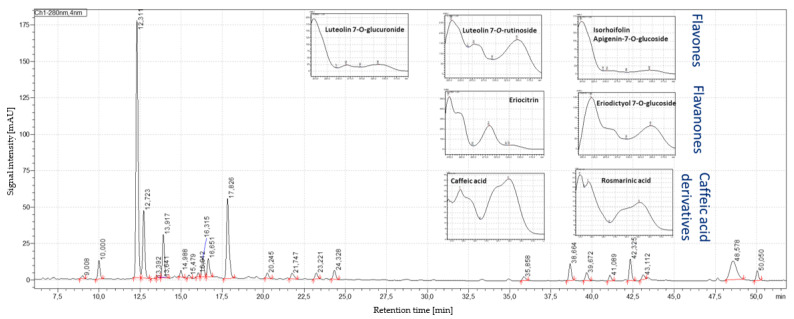
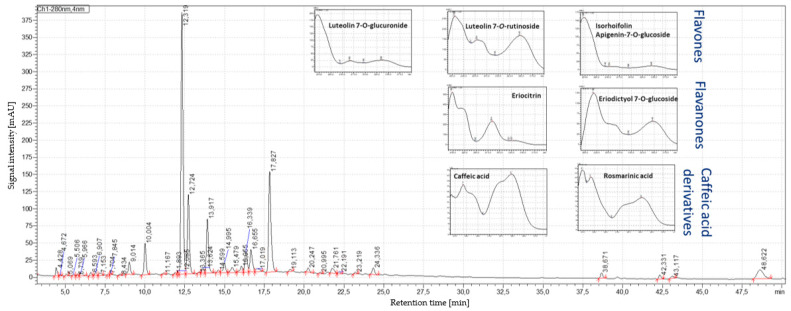
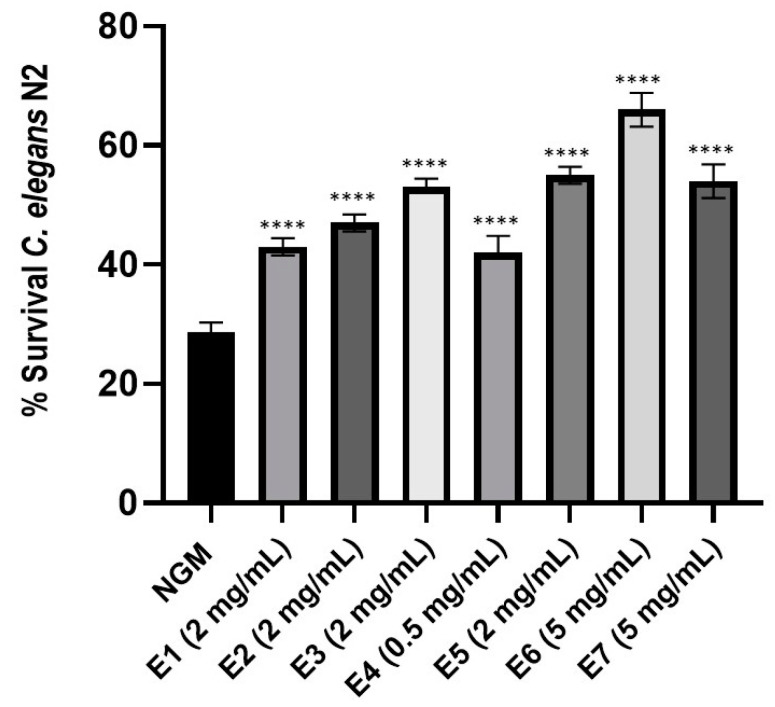
During the development of novel, standardized peppermint extracts targeting functional applications, it is critical to adequately characterize raw material plant sources to assure quality and consistency of the end-product. This study aimed to characterize existing and proprietary, newly bred varieties of peppermint and their corresponding aqueous extract products. Taxonomy was confirmed through genetic authenticity assessment. Non-target effect-directed profiling was developed using high-performance thin-layer chromatography-multi-imaging-effect-directed assays (HPTLC-UV/Vis/FLD-EDA). Results demonstrated substantial differences in compounds associated with functional attributes, notably antioxidant potential, between the peppermint samples. Further chemical analysis by high-performance liquid chromatography-photodiode array/mass spectrometry detection (HPLC-PDA/MS) and headspace solid-phase microextraction-gas chromatography-flame ionization/MS detection (headspace SPME-GC-FID/MS) confirmed compositional differences. A broad variability in the contents of flavonoids and volatiles was observed. The peppermint samples were further screened for their antioxidant potential using the model, and the results indicated concordance with observed content differences of the identified functional compounds. These results documented variability among raw materials of peppermint leaves, which can yield highly variable extract products that may result in differing effects on functional targets in vivo. Hence, product standardization via effect-directed profiles is proposed as an appropriate tool.
在开发针对功能性应用的新型标准化薄荷提取物时,充分表征原料植物来源以确保最终产品的质量和一致性至关重要。本研究旨在表征现有的和专有的、新培育的薄荷品种及其相应的水提取物产品。通过遗传真实性评估确认了分类学。使用高效薄层色谱-多成像-效应导向分析(HPTLC-UV/Vis/FLD-EDA)开发了非靶向效应导向分析方法。结果表明,薄荷样品中与功能属性相关的化合物存在显著差异,尤其是抗氧化潜力。通过高效液相色谱-光电二极管阵列/质谱检测(HPLC-PDA/MS)和顶空固相微萃取-气相色谱-火焰离子化/MS检测(顶空SPME-GC-FID/MS)进行的进一步化学分析证实了成分差异。观察到黄酮类化合物和挥发物含量存在广泛差异。使用该模型进一步筛选薄荷样品的抗氧化潜力,结果表明与所鉴定功能化合物的含量差异一致。这些结果记录了薄荷叶原料之间的变异性,这可能会产生高度可变的提取物产品,从而可能对体内功能靶点产生不同的影响。因此,建议通过效应导向分析进行产品标准化,作为一种合适的工具。