Alkatheri Asma Hussain, Yap Polly Soo-Xi, Abushelaibi Aisha, Lai Kok-Song, Cheng Wan-Hee, Erin Lim Swee-Hua
Health Sciences Division, Abu Dhabi Women's College, Higher Colleges of Technology, Abu Dhabi 41012, United Arab Emirates.
Jeffrey Cheah School of Medicine and Health Sciences, Monash University Malaysia, Jalan Lagoon Selatan, Bandar Sunway, Selangor 47500, Malaysia.
Antibiotics (Basel). 2023 Jan 17;12(2):190. doi: 10.3390/antibiotics12020190.
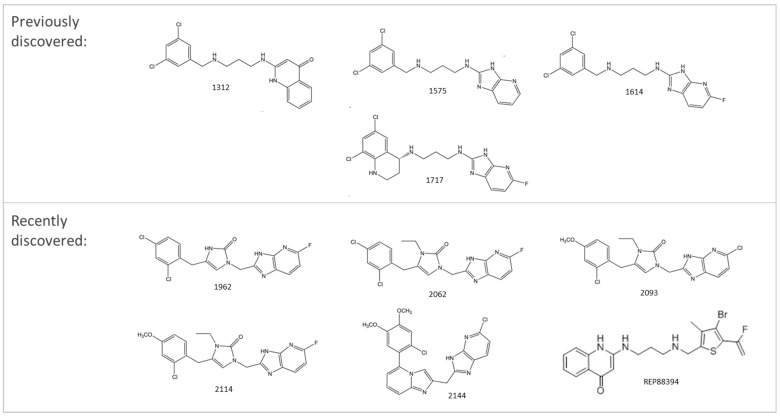
Multidrug resistance (MDR) has become an increasing threat to global health because bacteria can develop resistance to antibiotics over time. Scientists worldwide are searching for new approaches that go beyond traditional antibiotic discovery and development pipelines. Advances in genomics, however, opened up an unexplored therapeutic opportunity for the discovery of new antibacterial agents. Genomic approaches have been used to discover several novel antibiotics that target critical processes for bacterial growth and survival, including histidine kinases (HKs), LpxC, FabI, peptide deformylase (PDF), and aminoacyl-tRNA synthetases (AaRS). In this review, we will discuss the use of microbial genomics in the search for innovative and promising drug targets as well as the mechanisms of action for novel antimicrobial agents. We will also discuss future directions on how the utilization of the microbial genomics approach could improve the odds of antibiotic development having a more successful outcome.
多重耐药性(MDR)已对全球健康构成日益严重的威胁,因为细菌会随着时间的推移对抗生素产生耐药性。世界各地的科学家正在寻找超越传统抗生素发现和开发流程的新方法。然而,基因组学的进展为发现新型抗菌剂开辟了一个未被探索的治疗机会。基因组学方法已被用于发现几种针对细菌生长和存活关键过程的新型抗生素,包括组氨酸激酶(HKs)、LpxC、FabI、肽脱甲酰基酶(PDF)和氨酰-tRNA合成酶(AaRS)。在这篇综述中,我们将讨论微生物基因组学在寻找创新且有前景的药物靶点以及新型抗菌剂作用机制方面的应用。我们还将讨论利用微生物基因组学方法如何提高抗生素开发取得更成功结果的可能性的未来方向。