Cancer Innovation Laboratory, Center for Cancer Research, National Cancer Institute, Frederick, MD 21702, USA.
Molecular Cytogenetics Section, Mouse Cancer Genetics Program, Center for Cancer Research, National Cancer Institute, Frederick, MD 21702, USA.
Biomolecules. 2023 Feb 7;13(2):311. doi: 10.3390/biom13020311.
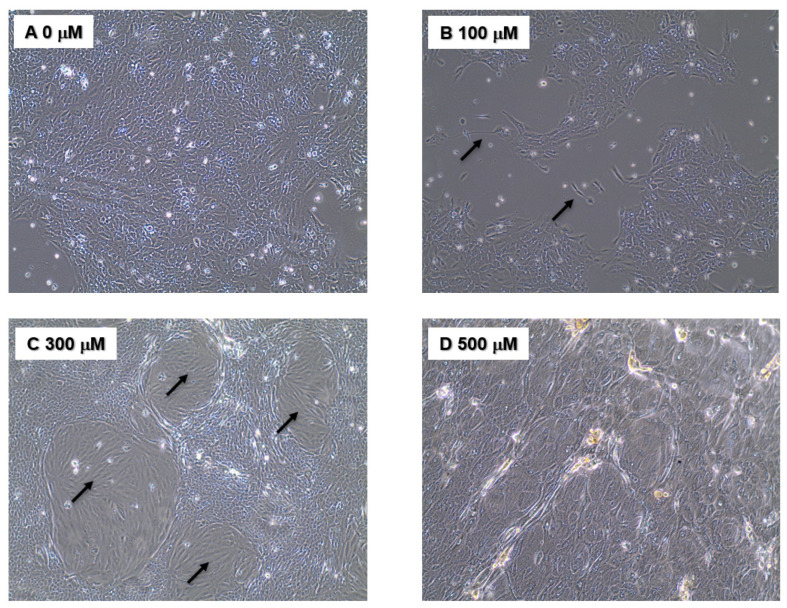
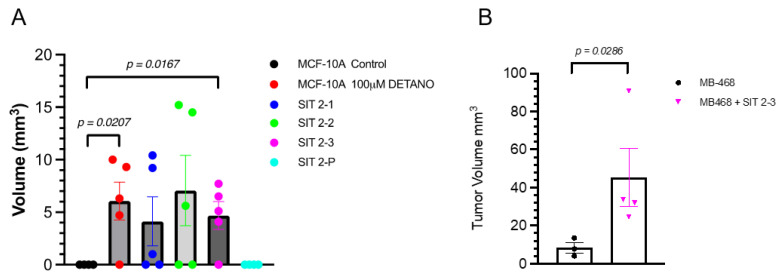
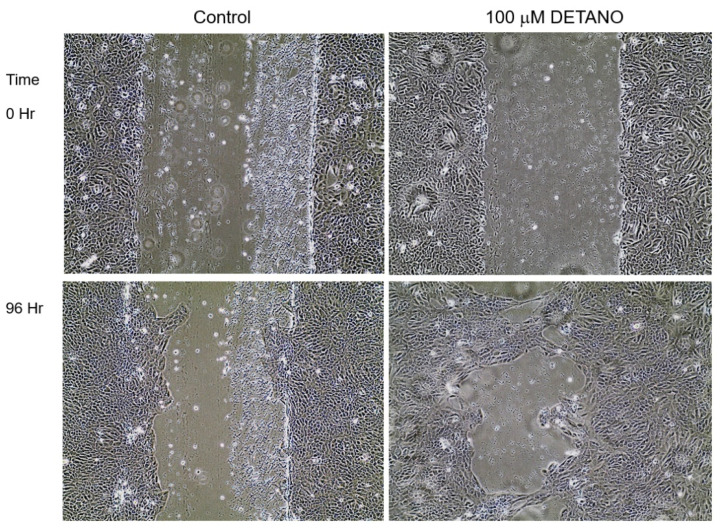
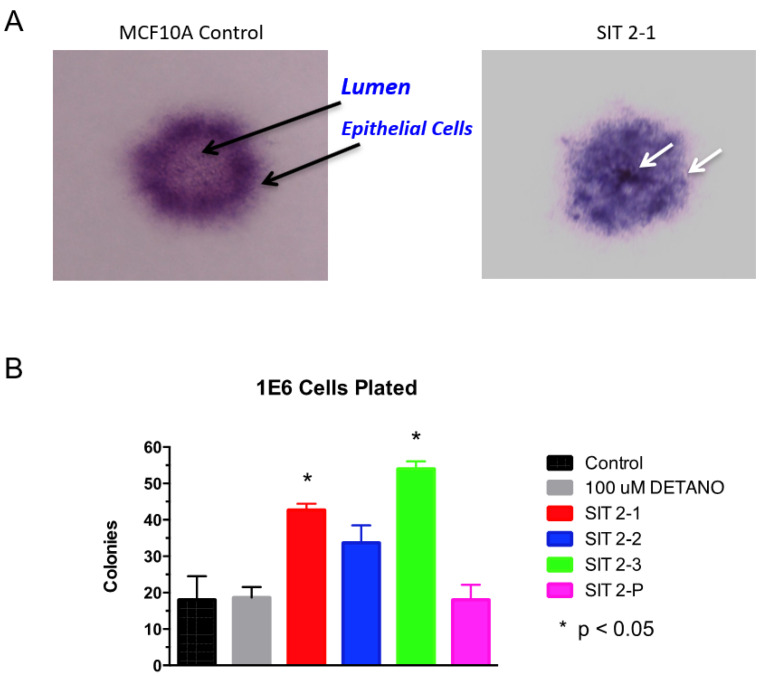
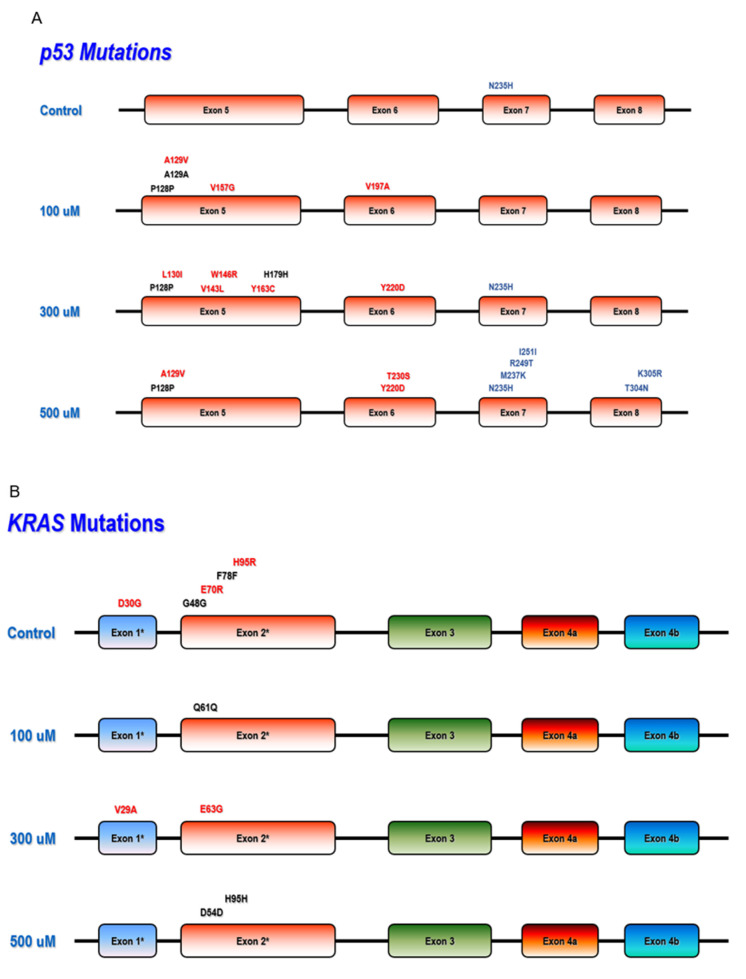
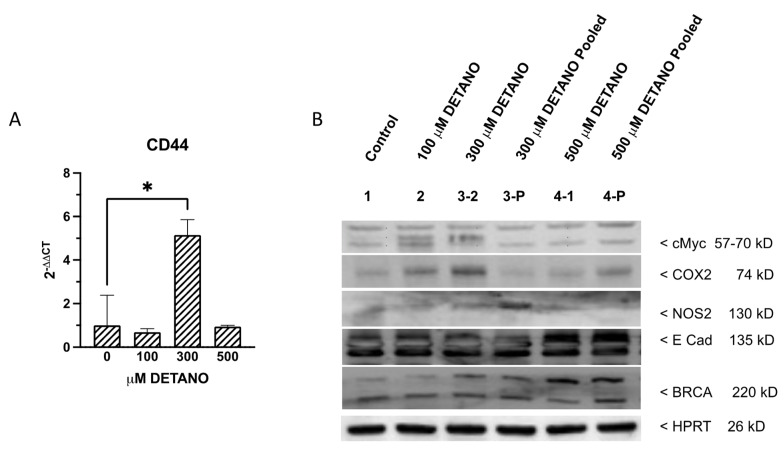
The small endogenous signaling molecule nitric oxide (NO) has been linked with chronic inflammation and cancer. The effects of NO are both concentration and temporally dependent; under some conditions, NO protects against damage caused by reactive oxygen species and activates P53 signaling. During chronic inflammation, NO causes DNA damage and inhibits repair proteins. To extend our understanding of the roles of NO during carcinogenesis, we investigated the possible effects of chronic NO exposure on MCF10A breast epithelial cells, as defined by changes in cellular morphology, chromosome/genomic stability, RNA, and protein expression, and altered cell phenotypes. Human MCF10A cells were maintained in varying doses of the NO donor DETANO for three weeks. Distinct patterns of genomic modifications in TP53 and KRAS target genes were detected in NO-treated cells when compared to background mutations. In addition, quantitative real-time PCR demonstrated an increase in the expression of cancer stem cell (CSC) marker CD44 after prolonged exposure to 300 μM DETANO. While similar changes in cell morphology were found in cells exposed to 300-500 μM DETANO, cells cultured in 100 μM DETANO exhibited enhanced motility. In addition, 100 μM NO-treated cells proliferated in serum-free media and selected clonal populations and pooled cells formed colonies in soft agar that were clustered and disorganized. These findings show that chronic exposure to NO generates altered breast epithelial cell phenotypes with malignant characteristics.
内源性小分子信号分子一氧化氮(NO)与慢性炎症和癌症有关。NO 的作用既依赖于浓度又依赖于时间;在某些条件下,NO 可防止活性氧引起的损伤,并激活 P53 信号通路。在慢性炎症中,NO 会导致 DNA 损伤并抑制修复蛋白。为了更深入地了解 NO 在致癌过程中的作用,我们研究了慢性 NO 暴露对 MCF10A 乳腺上皮细胞的可能影响,这些影响通过细胞形态、染色体/基因组稳定性、RNA 和蛋白质表达以及改变的细胞表型来定义。人 MCF10A 细胞在不同剂量的 NO 供体 DETANO 中维持 3 周。与背景突变相比,在 NO 处理的细胞中检测到 TP53 和 KRAS 靶基因中的基因组修饰的独特模式。此外,定量实时 PCR 显示,在长时间暴露于 300 μM DETANO 后,癌症干细胞 (CSC) 标志物 CD44 的表达增加。虽然在暴露于 300-500 μM DETANO 的细胞中发现了类似的细胞形态变化,但在暴露于 100 μM DETANO 的细胞中观察到了增强的迁移能力。此外,100 μM NO 处理的细胞在无血清培养基中增殖,并选择克隆群体和汇集细胞在软琼脂中形成集落,这些集落呈簇状且紊乱。这些发现表明,慢性暴露于 NO 会产生具有恶性特征的改变的乳腺上皮细胞表型。