Ciacchini Rebecca, Orrù Graziella, Cucurnia Elisa, Sabbatini Silvia, Scafuto Francesca, Lazzarelli Alessandro, Miccoli Mario, Gemignani Angelo, Conversano Ciro
Department of Surgical, Medical and Molecular Pathology and Critical Care Medicine, University of Pisa, 56126 Pisa, Italy.
Department of Civilizations and Forms of Knowledge, University of Pisa, 56126 Pisa, Italy.
Children (Basel). 2023 Jan 31;10(2):278. doi: 10.3390/children10020278.
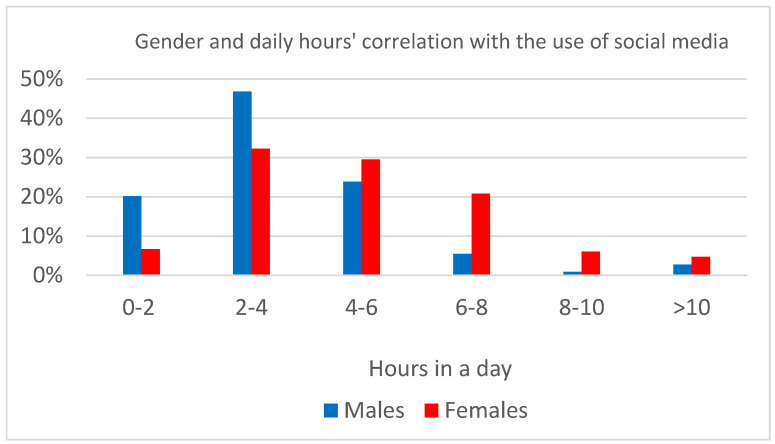
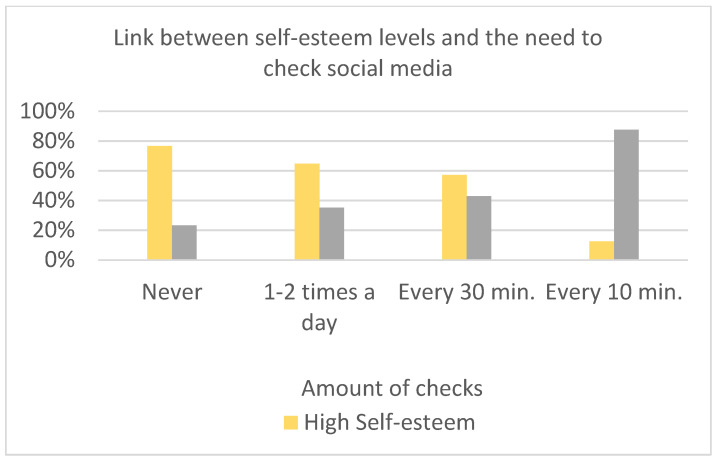
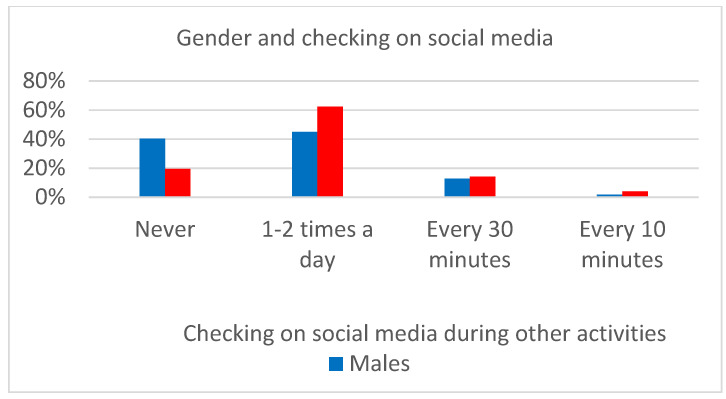
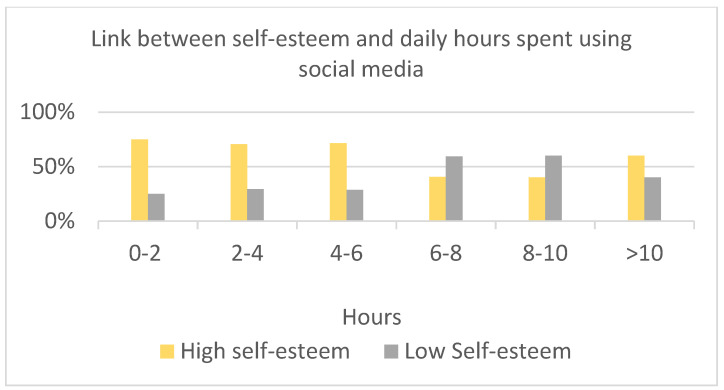
Considering the growing interest in the possible effects of internet's addiction on adoles-cent's mental health, this study aimed at exploring the psychological correlates of social media and internet problematic use during the first year of the covid-19 pandemic. A cross-sectional study was conducted in a sample of secondary school students (N = 258); participants were asked to complete an online survey, investigating social media addiction (BSMAS), self-esteem (RSES), feelings of isolation (CSIQ-A) and anxiety (STAI-Y). Data analysis (descriptive statistics, correlational and regression analyses) was conducted through XLSTAT software ©. An additional ad hoc questionnaire was administrated. Findings showed that the 11% of the participants were significantly addicted to social media, mostly females (59%). Gender represented an exposure factor for the hours spent on social media and the checking activity while performing other daily activities. Significant correlations emerged between the self-report measure of social media addiction and self-esteem and anxiety. Low scores at RSES corresponded to higher checking activity, hours spent on social networks, and playing videogames that were investigated as supplementary indicators of addiction with ad hoc questionnaire. The regression analysis showed just two predictors of social media addiction, gender (female) and trait anxiety. Limitations and implications of the study were argued in order to give some indications for future programs.
鉴于人们对网络成瘾可能对青少年心理健康产生的影响越来越感兴趣,本研究旨在探讨新冠疫情大流行第一年期间社交媒体和网络使用问题的心理相关因素。对一个中学生样本(N = 258)进行了一项横断面研究;参与者被要求完成一项在线调查,调查社交媒体成瘾(BSMAS)、自尊(RSES)、孤独感(CSIQ - A)和焦虑(STAI - Y)。通过XLSTAT软件©进行数据分析(描述性统计、相关性分析和回归分析)。还发放了一份额外的特别问卷。研究结果显示,11%的参与者存在显著的社交媒体成瘾问题,其中大多为女性(59%)。性别是花在社交媒体上的时间以及在进行其他日常活动时的查看行为的一个影响因素。社交媒体成瘾的自我报告测量与自尊和焦虑之间存在显著相关性。RSES得分低对应着更高的查看行为、花在社交网络上的时间以及玩电子游戏的时间,这些都作为成瘾的补充指标通过特别问卷进行了调查。回归分析表明,社交媒体成瘾只有两个预测因素,即性别(女性)和特质焦虑。对该研究的局限性和影响进行了讨论,以便为未来的项目提供一些指导。