El-Nagar Asmaa, Elzaawely Abdelnaser A, El-Zahaby Hassan M, Xuan Tran Dang, Khanh Tran Dang, Gaber Mohamed, El-Wakeil Nadia, El-Sayed Yusif, Nehela Yasser
Department of Agricultural Botany, Faculty of Agriculture, Tanta University, Tanta 31527, Egypt.
Transdisciplinary Science and Engineering Program, Graduate School of Advanced Science and Engineering, Hiroshima University, Hiroshima 739-8529, Japan.
J Fungi (Basel). 2023 Feb 12;9(2):244. doi: 10.3390/jof9020244.
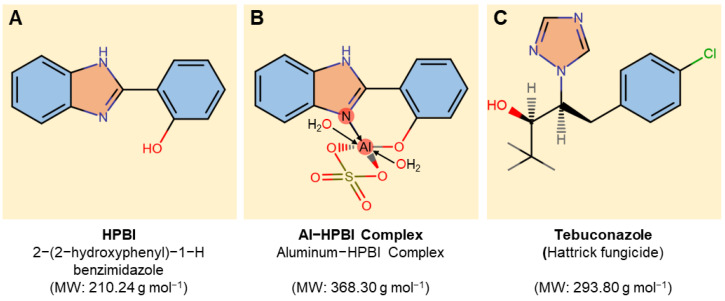
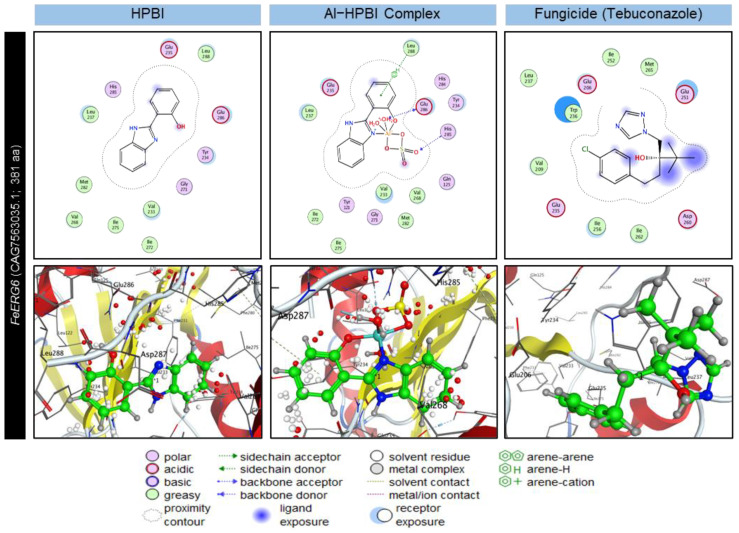
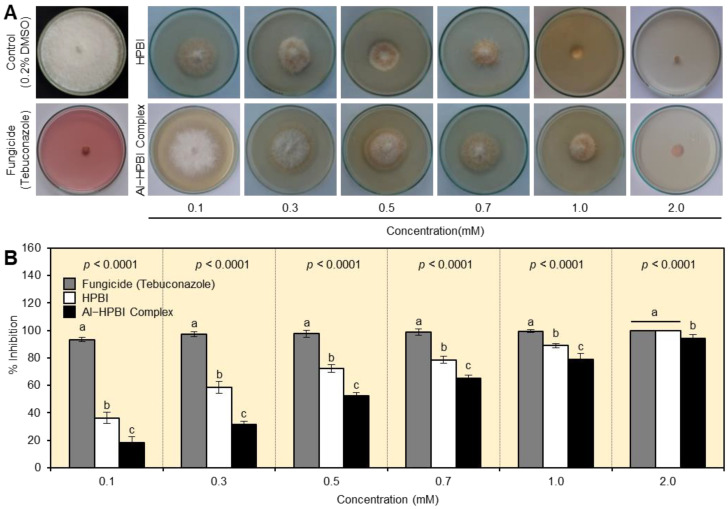
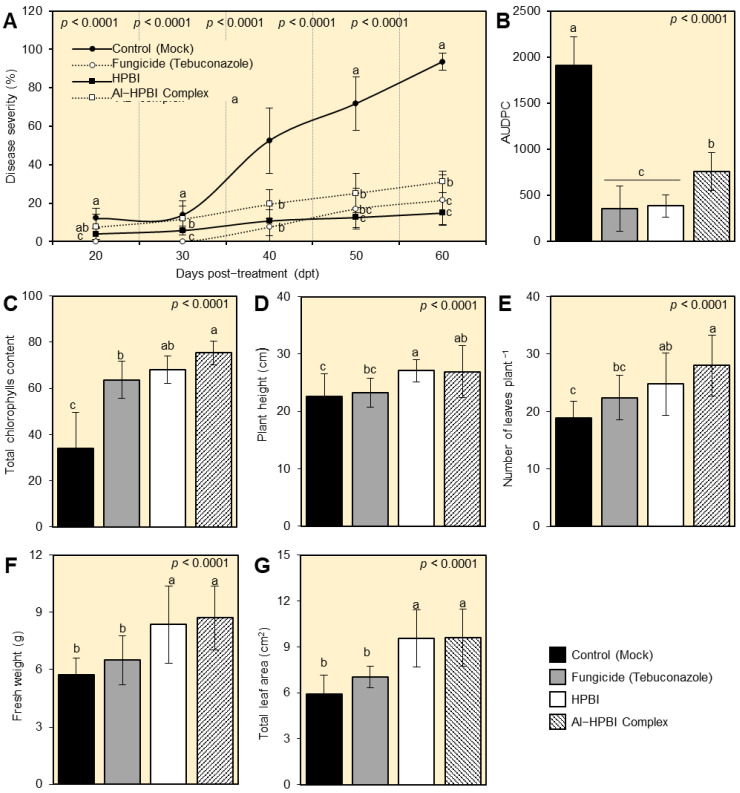
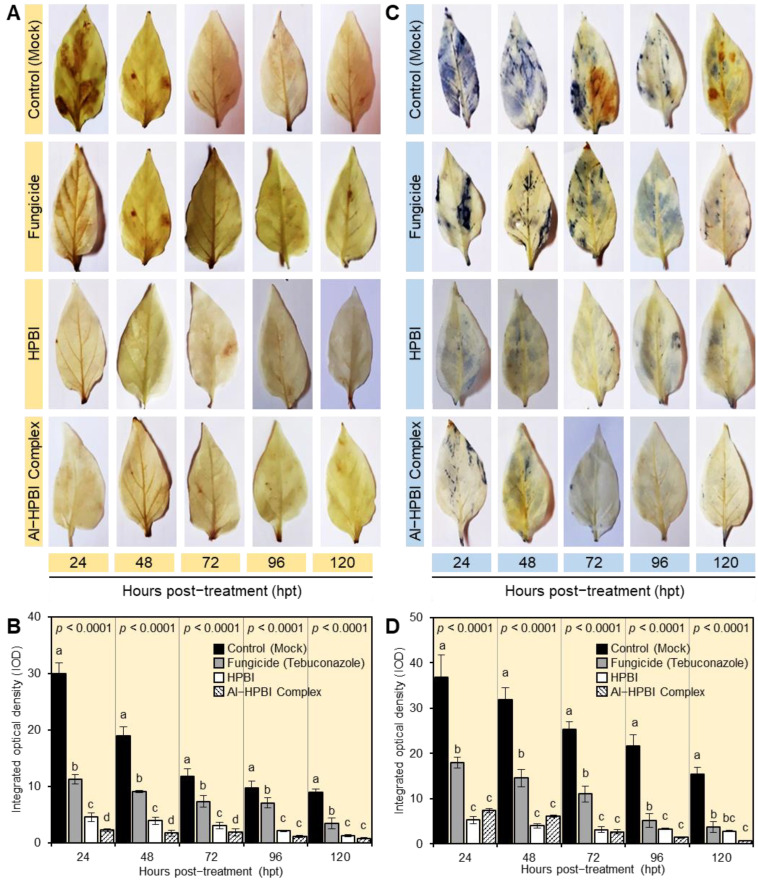
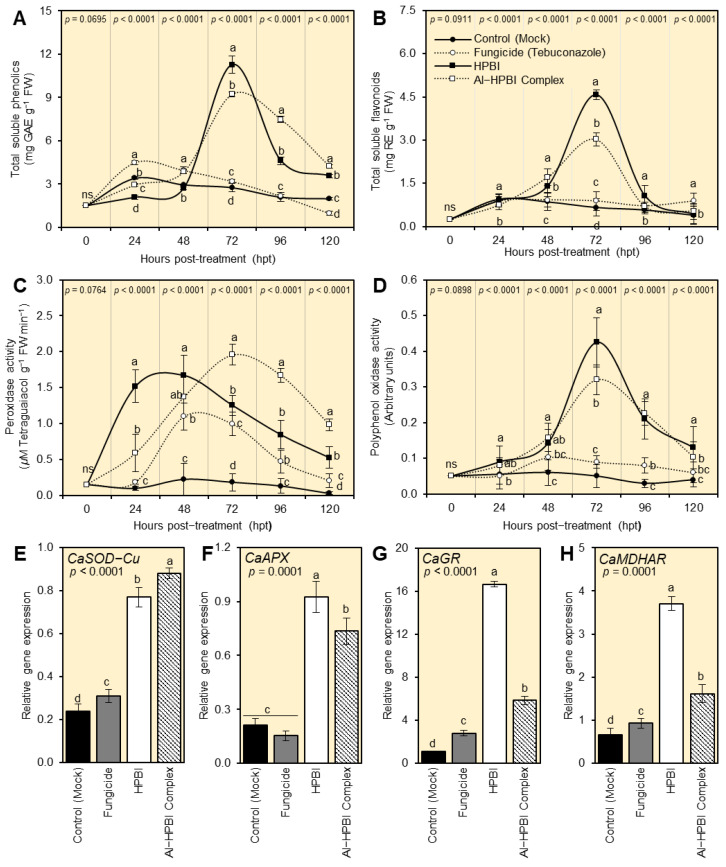
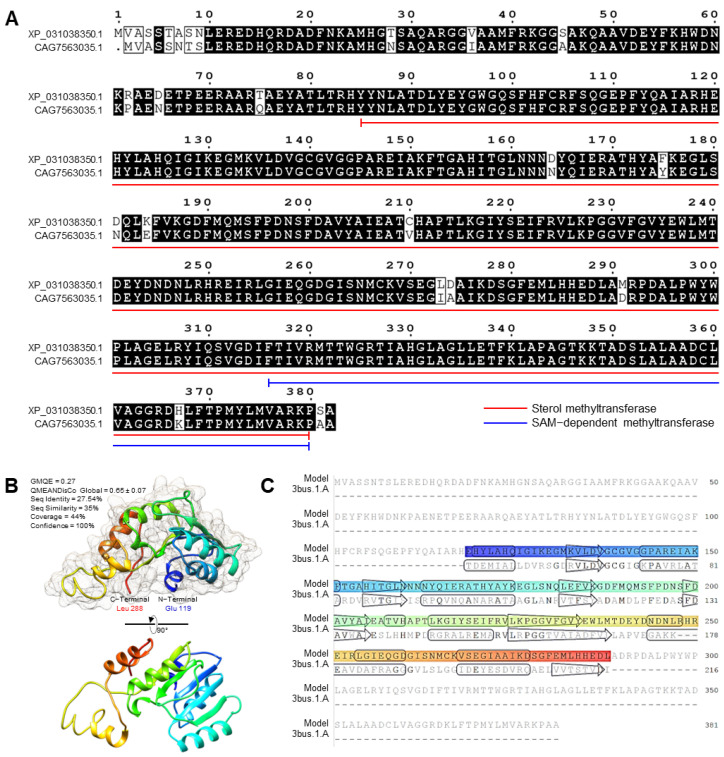
Sweet pepper ( L.), also known as bell pepper, is one of the most widely grown vegetable crops worldwide. It is attacked by numerous phytopathogenic fungi, such as , the causal agent of Fusarium wilt disease. In the current study, we proposed two benzimidazole derivatives, including 2-(2-hydroxyphenyl)-1-H benzimidazole (HPBI) and its aluminum complex (Al-HPBI complex), as potential control alternatives to . Our findings showed that both compounds demonstrated dose-dependent antifungal activity against in vitro and significantly suppressed disease development in pepper plants under greenhouse conditions. According to in silico analysis, the genome possesses a predicted Sterol 24-C-methyltransferase () protein that shares a high degree of homology with from (). It is worth mentioning that molecular docking analysis confirmed that both compounds can interact with from as well as from Moreover, root application of HPBI and its aluminum complex significantly enhanced the enzymatic activities of guaiacol-dependent peroxidases (POX), polyphenol oxidase (PPO), and upregulated four antioxidant-related enzymes, including superoxide dismutase [Cu-Zn] (), L-ascorbate peroxidase 1, cytosolic (), glutathione reductase, chloroplastic (), and monodehydroascorbate reductase (). Additionally, both benzimidazole derivatives induced the accumulation of total soluble phenolics and total soluble flavonoids. Collectively, these findings suggest that the application of HPBI and Al-HPBI complex induce both enzymatic and nonenzymatic antioxidant defense machinery.
甜椒(L.),也被称为灯笼椒,是全球种植最广泛的蔬菜作物之一。它受到多种植物病原真菌的侵袭,例如,尖孢镰刀菌枯萎病的病原体。在本研究中,我们提出了两种苯并咪唑衍生物,包括2-(2-羟基苯基)-1-H苯并咪唑(HPBI)及其铝配合物(Al-HPBI配合物),作为潜在的防治替代品。我们的研究结果表明,这两种化合物在体外均表现出对的剂量依赖性抗真菌活性,并在温室条件下显著抑制了甜椒植株的病害发展。根据计算机分析,的基因组拥有一种预测的甾醇24-C-甲基转移酶()蛋白,该蛋白与()的具有高度同源性。值得一提的是,分子对接分析证实这两种化合物都可以与的以及的相互作用。此外,根部施用HPBI及其铝配合物显著提高了愈创木酚依赖性过氧化物酶(POX)、多酚氧化酶(PPO)的酶活性,并上调了四种抗氧化相关酶的表达,包括超氧化物歧化酶[Cu-Zn]()、L-抗坏血酸过氧化物酶1、胞质()、谷胱甘肽还原酶、叶绿体()和单脱氢抗坏血酸还原酶()。此外,这两种苯并咪唑衍生物都诱导了总可溶性酚类和总可溶性黄酮类物质的积累。总的来说,这些发现表明HPBI和Al-HPBI配合物的应用诱导了酶促和非酶促抗氧化防御机制。