Jadav Mahima, Pooja Deep, Adams David J, Kulhari Hitesh
School of Nano Sciences, Central University of Gujarat, Gandhinagar 382030, Gujarat, India.
School of Pharmacy, National Forensic Science University, Gandhinagar 382007, Gujarat, India.
Pharmaceutics. 2023 Jan 25;15(2):402. doi: 10.3390/pharmaceutics15020402.
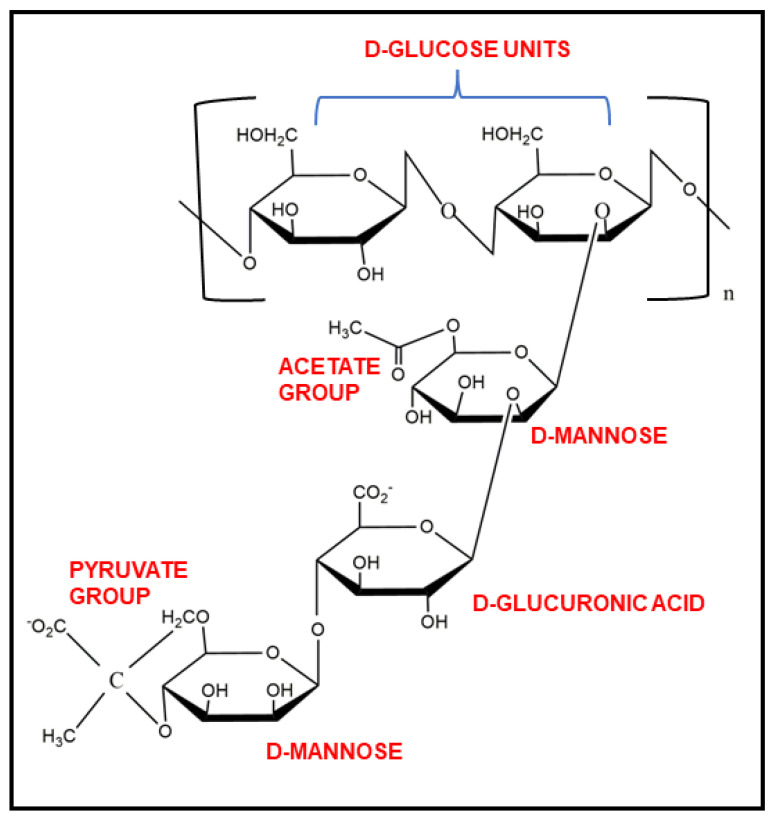
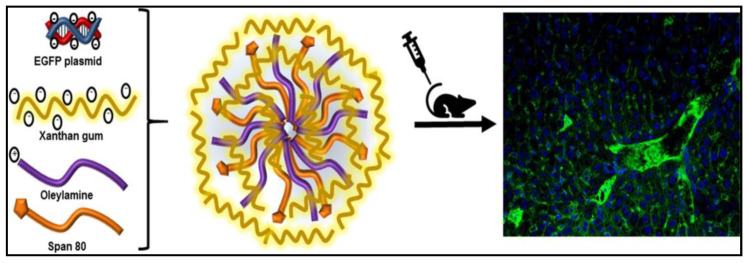
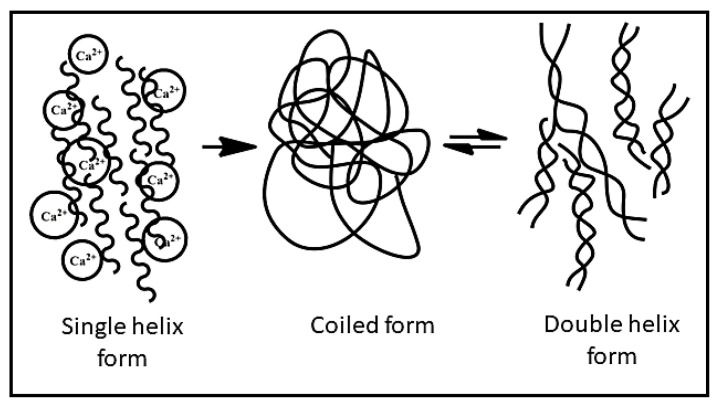
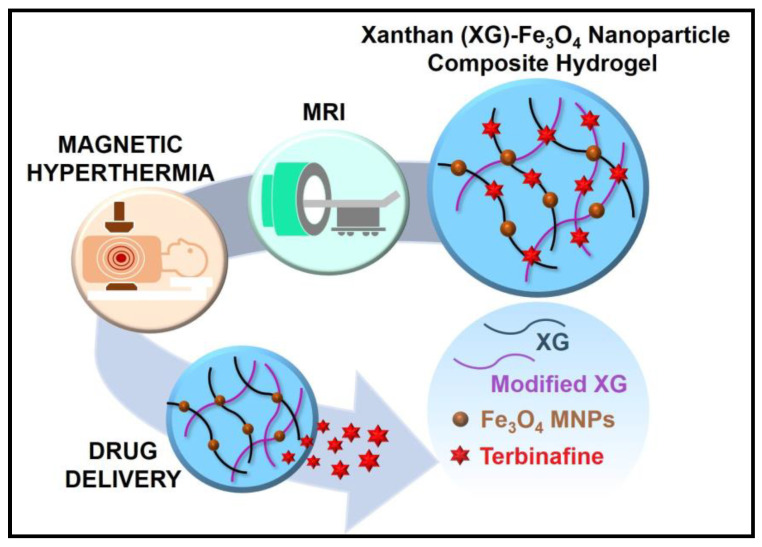
In the last three decades, polymers have contributed significantly to the improvement of drug delivery technologies by enabling the controlled and sustained release of therapeutic agents, versatility in designing different delivery systems, and feasibility of encapsulation of both hydrophobic and hydrophilic molecules. Both natural and synthetic polymers have been explored for the delivery of various therapeutic agents. However, due to the disadvantages of synthetic polymers, such as lack of intrinsic biocompatibility and bioactivity, hydrophobicity, and expensive and complex procedure of synthesis, there is a move toward the use of naturally occurring polymers. The biopolymers are generally derived from either plants or microorganisms and have shown a wide range of applications in drug administration due to their hydrophilic nature, biodegradability, biocompatibility, no or low toxicity, abundance, and readily available, ease of chemical modification, etc. This review describes the applications of a biopolymer, xanthan gum (XG), in the delivery of various therapeutic agents such as drugs, genetic materials, proteins, and peptides. XG is a high molecular weight, microbial heteropolysaccharide and is produced as a fermented product of Gram-negative bacteria, . Traditionally, it has been used as a thickener in liquid formulations and an emulsion stabiliser. XG has several favourable properties for designing various forms of drug delivery systems. Furthermore, the structure of XG can be easily modified using different temperature and pH conditions. Therefore, XG and its derivatives have been explored for various applications in the food, pharmaceutical, and cosmetic industries.
在过去三十年中,聚合物通过实现治疗剂的控释和缓释、设计不同给药系统的多功能性以及包封疏水和亲水分子的可行性,对药物递送技术的改进做出了重大贡献。天然和合成聚合物都已被用于递送各种治疗剂。然而,由于合成聚合物存在一些缺点,如缺乏内在的生物相容性和生物活性、疏水性以及合成过程昂贵且复杂,人们逐渐倾向于使用天然存在的聚合物。生物聚合物通常来源于植物或微生物,由于其亲水性、可生物降解性、生物相容性、无毒性或低毒性、丰富性、易于获取以及易于化学修饰等特点,在药物给药方面显示出广泛的应用。本综述描述了一种生物聚合物——黄原胶(XG)在递送各种治疗剂(如药物、遗传物质、蛋白质和肽)方面的应用。XG是一种高分子量的微生物杂多糖,是革兰氏阴性菌的发酵产物。传统上,它一直被用作液体制剂中的增稠剂和乳液稳定剂。XG具有多种有利于设计各种形式药物递送系统的特性。此外,XG的结构可以通过不同的温度和pH条件轻松修饰。因此,XG及其衍生物已被探索用于食品、制药和化妆品行业的各种应用。