Vaccaro Concetta, Lenzi Francesca Romana, Addonisio Gabriella, Gianfrilli Daniele, Volkmann Anna Maria, Napier David, Giles-Vernick Tamara
Health and Welfare Unit, Censis Foundation, Rome, Italy.
Laboratory of Psychology and Social Processes in Sport, University of Rome "Foro Italico", Rome, Italy.
Front Sociol. 2023 Feb 8;8:1127647. doi: 10.3389/fsoc.2023.1127647. eCollection 2023.
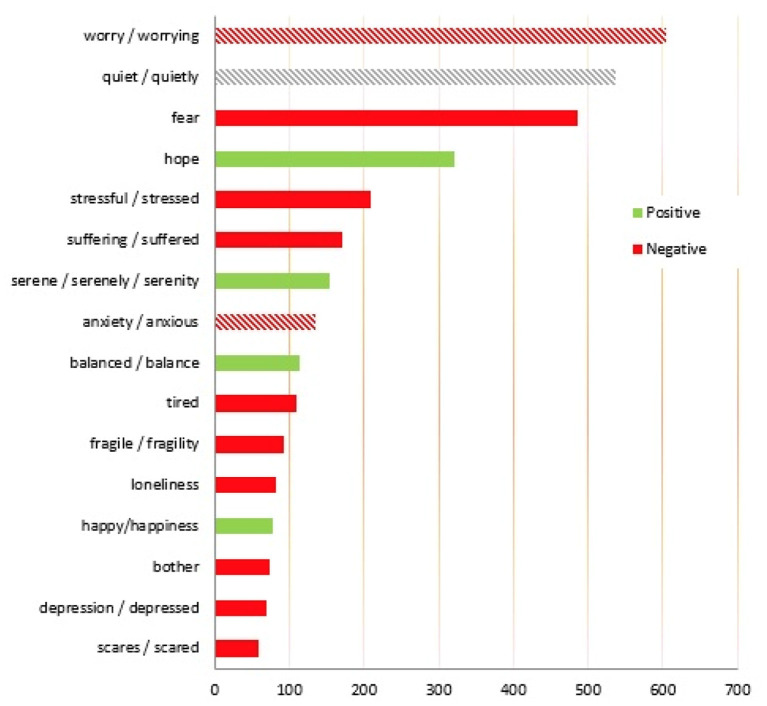
This paper describes the process, advantages and limitations of a qualitative methodology for defining and analyzing vulnerabilities during the COVID-19 pandemic. Implemented in Italy in two sites (Rome and outside Rome, in some small-medium sized municipalities in Latium) in 2021, this investigation employed a mixed digital research tool that was also used simultaneously in four other European countries. Its digital nature encompasses both processes of data collection. Among the most salient is that the pandemic catalyzed new vulnerabilities in addition to exacerbating old ones, particularly economic. Many of the vulnerabilities detected, in fact, are linked to previous situations, such as the uncertainties of labor markets, having in COVID-19 to the greatest negative effects on the most precarious workers (non-regular, part-time, and seasonal). The consequences of the pandemic are also reflected in other forms of vulnerability that appear less obvious, having exacerbated social isolation, not only out of fear of contagion, but because of the psychological challenges posed by containment measures themselves. These measures created not mere discomfort, but behavioral changes characterized by anxiety, fearfulness, and disorientation. More generally, this investigation reveals the strong influence of social determinants throughout the COVID-19 pandemic, creating new forms of vulnerability, as the effects of social, economic, and biological risk factors were compounded, in particular, among already marginalized populations.
本文描述了一种定性方法在新冠疫情期间定义和分析脆弱性的过程、优势及局限性。2021年,该调查在意大利的两个地点(罗马以及罗马以外拉齐奥大区的一些中小城市)实施,采用了一种混合数字研究工具,该工具同时也在其他四个欧洲国家使用。其数字特性涵盖了数据收集的两个过程。其中最显著的一点是,疫情除了加剧旧有的脆弱性,尤其是经济方面的脆弱性之外,还催生了新的脆弱性。事实上,检测到的许多脆弱性都与先前的情况有关,比如劳动力市场的不确定性,新冠疫情对最不稳定的工人(非正规、兼职和季节性工人)产生了最大的负面影响。疫情的后果还体现在其他不太明显的脆弱性形式上,它加剧了社会隔离,这不仅是出于对感染的恐惧,还因为防控措施本身带来的心理挑战。这些措施不仅造成了不适,还导致了以焦虑、恐惧和迷失方向为特征的行为变化。更普遍地说,这项调查揭示了社会决定因素在整个新冠疫情期间的强大影响,随着社会、经济和生物风险因素的影响相互叠加,尤其是在已经处于边缘地位的人群中,产生了新的脆弱性形式。