Adams Alison, Ferguson Max, Greer Alissa M, Burmeister Charlene, Lock Kurt, McDougall Jenny, Scow Marnie, Buxton Jane A
British Columbia Center for Disease Control, 655W 12th Avenue, Vancouver, BC V5Z 4R4, Canada.
School of Population and Public Health, University of British Columbia, 2206 E Mall, Vancouver, BC V6T 1Z8, Canada.
Drug Alcohol Depend Rep. 2022 Aug 12;4:100086. doi: 10.1016/j.dadr.2022.100086. eCollection 2022 Sep.
Harm reduction seeks to minimizes the negative effects of drug use while respecting the rights of people with lived and living experience of substance use (PWLLE). Guideline standards ("guidelines for guidelines") provide direction on developing healthcare guidelines. To identify essential considerations for guideline development within harm reduction, we examined whether guideline standards are consistent with a harm reduction approach in their recommendations on involving people who access services.
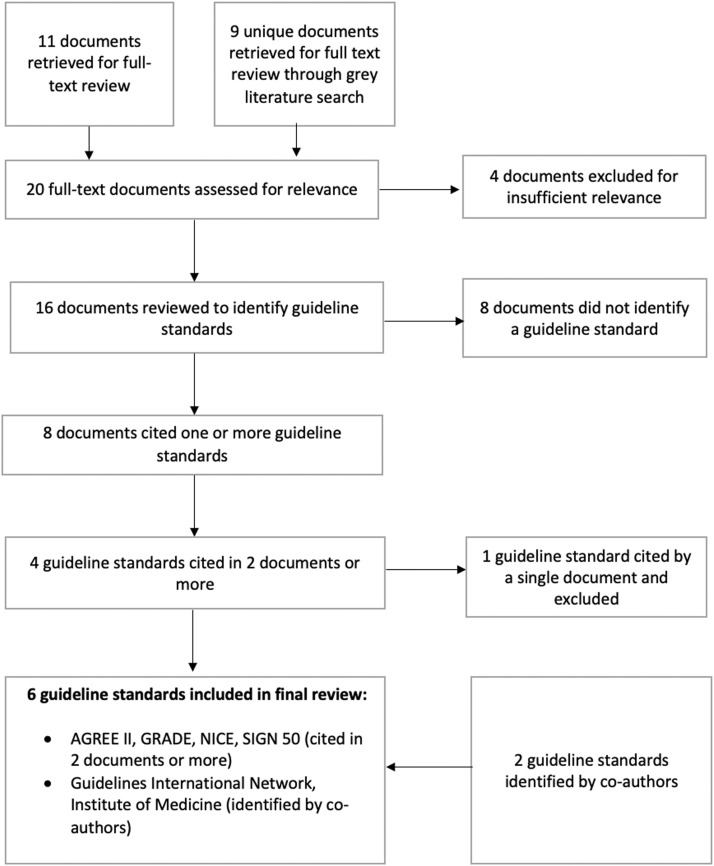
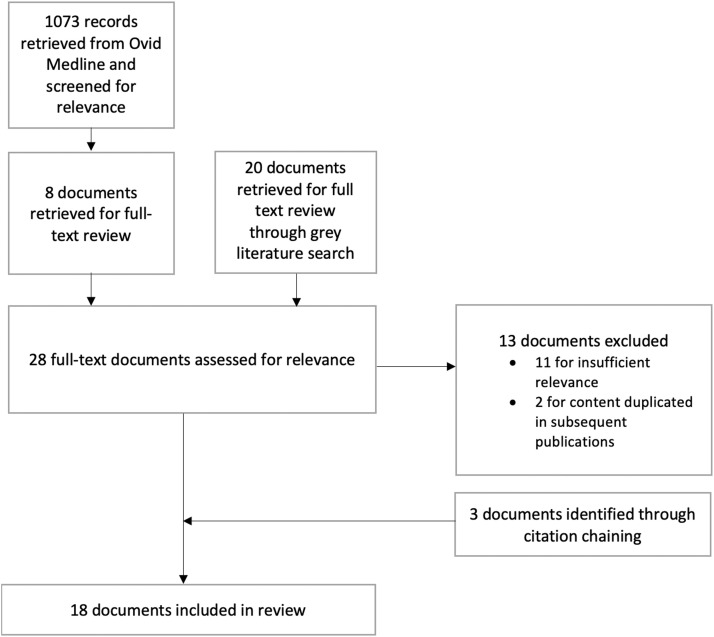
We searched the literature from 2011-2021 to identify guideline standards used in harm reduction and publications on involving PWLLE in developing harm reduction services. We used thematic analysis to compare their guidance on involving people who access services. Findings were validated with two organizations of PWLLE.
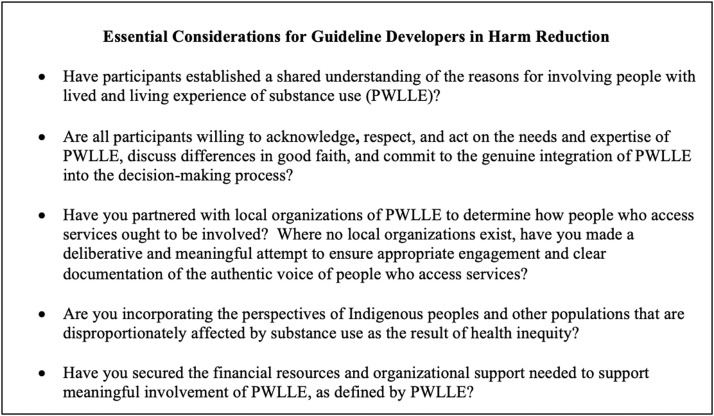
Six guideline standards and 18 publications met inclusion criteria. We identified three themes related to involving people who access services: , and . Subthemes varied across the literature. We identified five essential considerations for guideline development in harm reduction: establishing a shared understanding of reasons for involving PWLLE; respecting their expertise; partnering with PWLLE to ensure appropriate engagement; incorporating perspectives of populations disproportionately affected by substance use; and securing resources.
Guideline standards and the harm reduction literature approach the involvement of people who access services from different perspectives. Thoughtful integration of the two paradigms can improve guidelines while empowering PWLLE. Our findings can support the development of high-quality guidelines that align with the fundamental principles of harm reduction in their involvement of PWLLE.
减少伤害旨在将药物使用的负面影响降至最低,同时尊重有物质使用经历的人的权利(有物质使用经历的人)。指南标准(“指南的指南”)为制定医疗保健指南提供指导。为了确定减少伤害指南制定的基本考虑因素,我们研究了指南标准在关于让接受服务的人参与的建议方面是否与减少伤害方法一致。
我们检索了2011年至2021年的文献,以确定减少伤害中使用的指南标准以及关于让有物质使用经历的人参与制定减少伤害服务的出版物。我们使用主题分析来比较它们在让接受服务的人参与方面的指导。研究结果由两个有物质使用经历的人组织进行了验证。
六项指南标准和18篇出版物符合纳入标准。我们确定了与让接受服务的人参与相关的三个主题: ,以及 。各文献中的子主题各不相同。我们确定了减少伤害指南制定的五个基本考虑因素:就让有物质使用经历的人参与的原因达成共同理解;尊重他们的专业知识;与有物质使用经历的人合作以确保适当参与;纳入受物质使用影响不成比例的人群的观点;以及确保资源。
指南标准和减少伤害文献从不同角度探讨了让接受服务的人参与的问题。对这两种范式进行深思熟虑的整合可以改进指南,同时增强有物质使用经历的人的权能。我们的研究结果可以支持制定高质量的指南,这些指南在让有物质使用经历的人参与方面符合减少伤害的基本原则。