Burnet Institute, 85 Commercial Road, Melbourne, VIC, 3004, Australia.
Research Centre for Infectious Diseases, School of Biological Sciences, The University of Adelaide, Adelaide, 5005, Australia.
Cell Mol Life Sci. 2023 Feb 27;80(3):74. doi: 10.1007/s00018-023-04712-z.
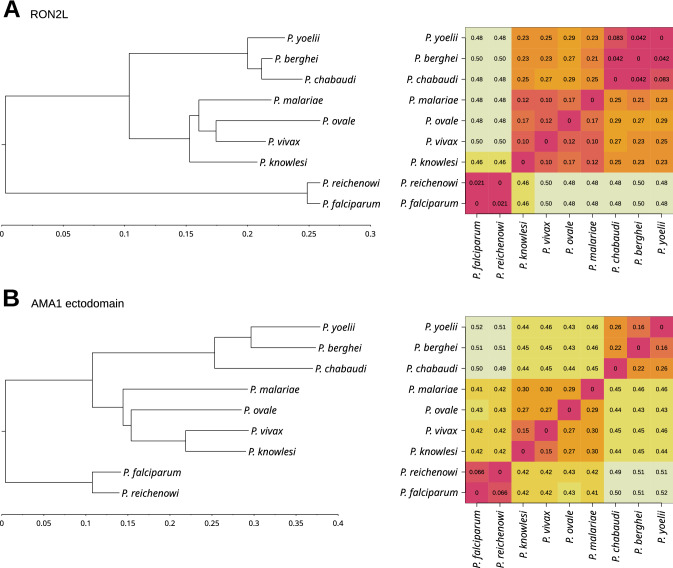
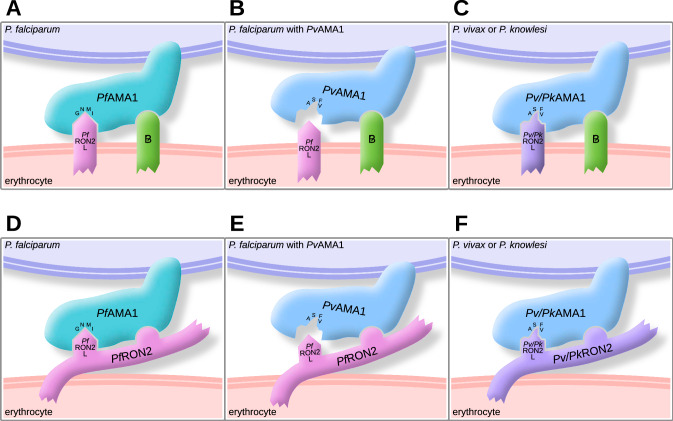
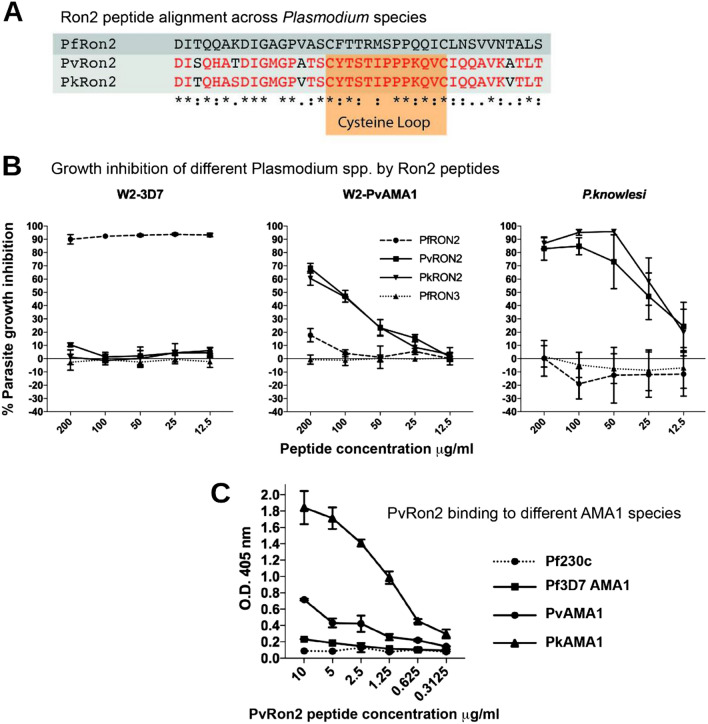
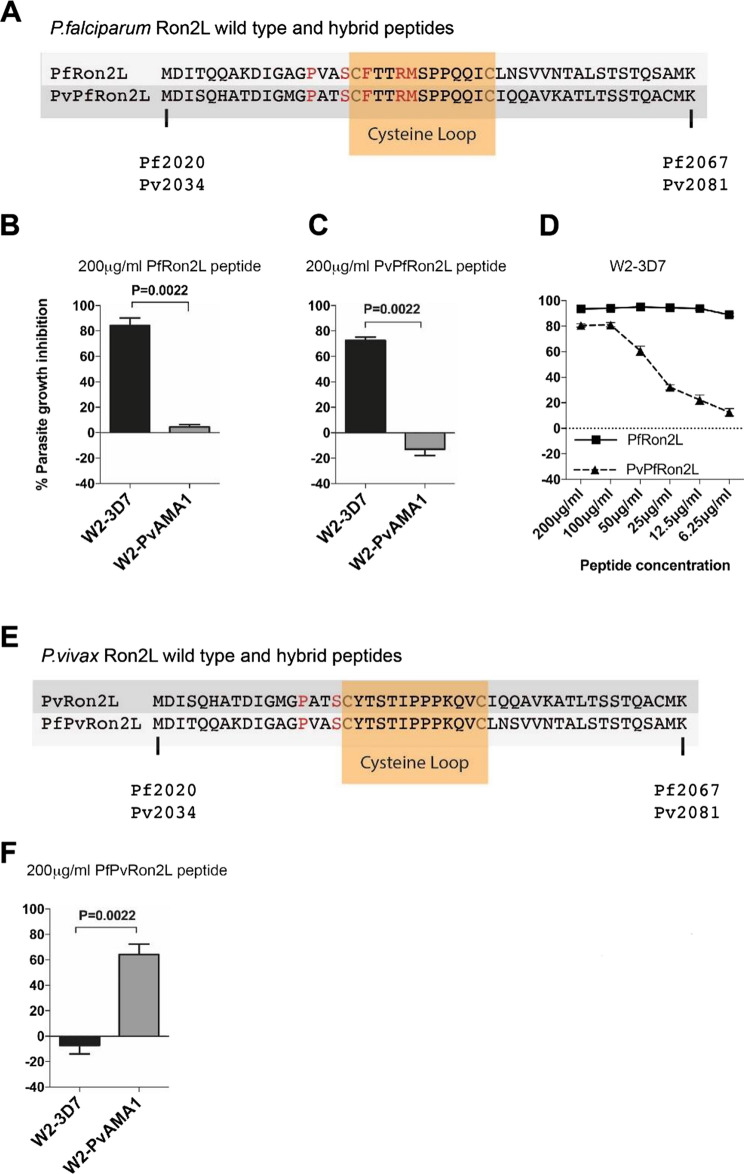
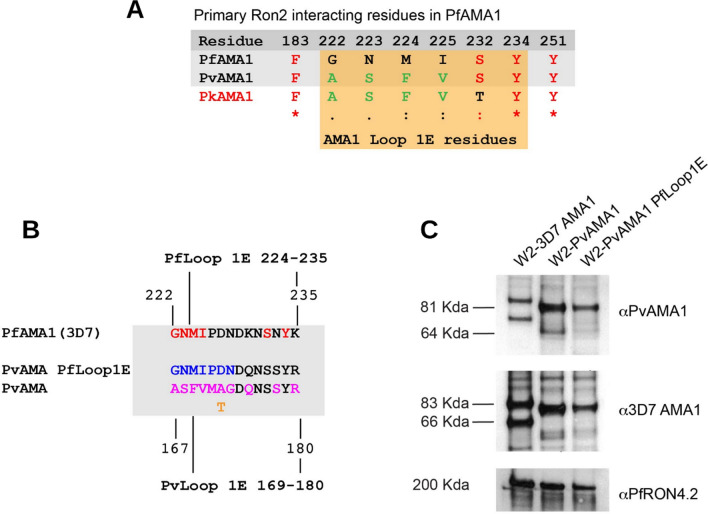
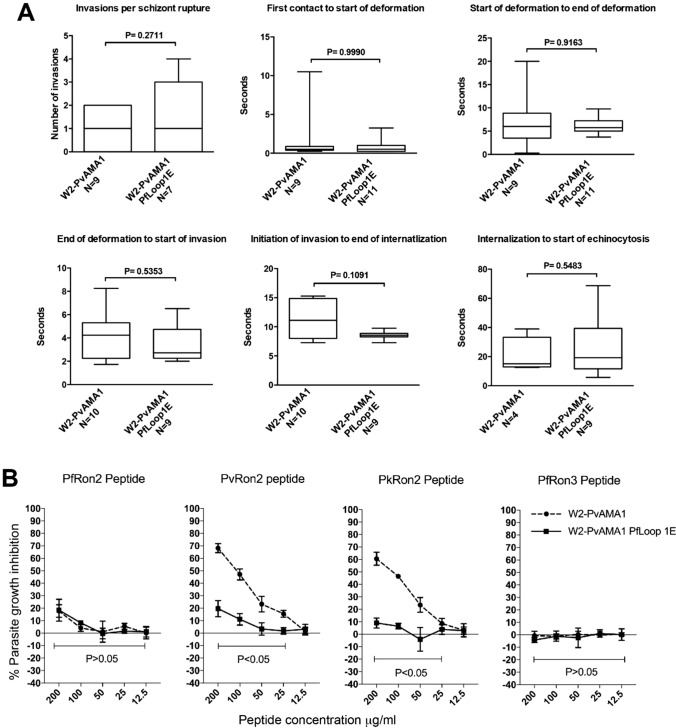
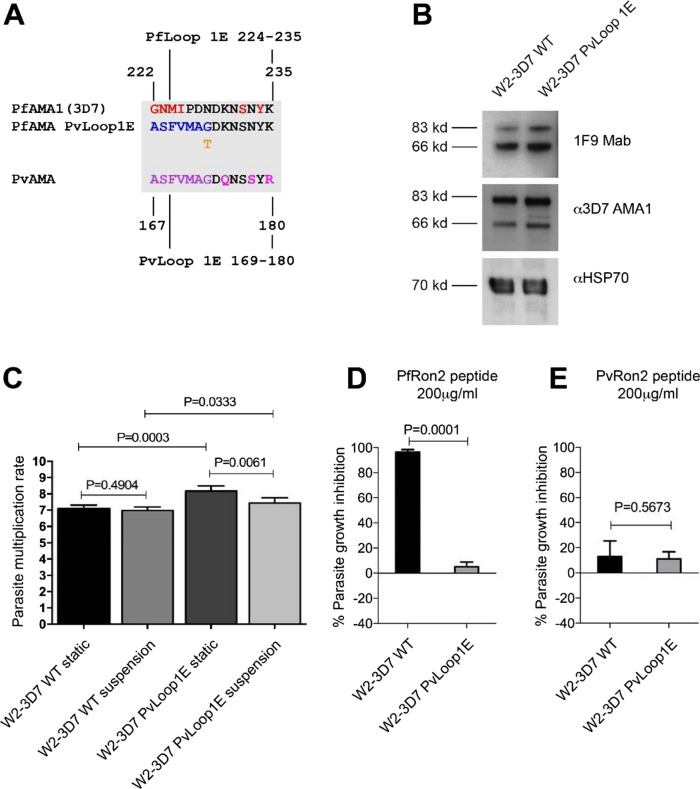
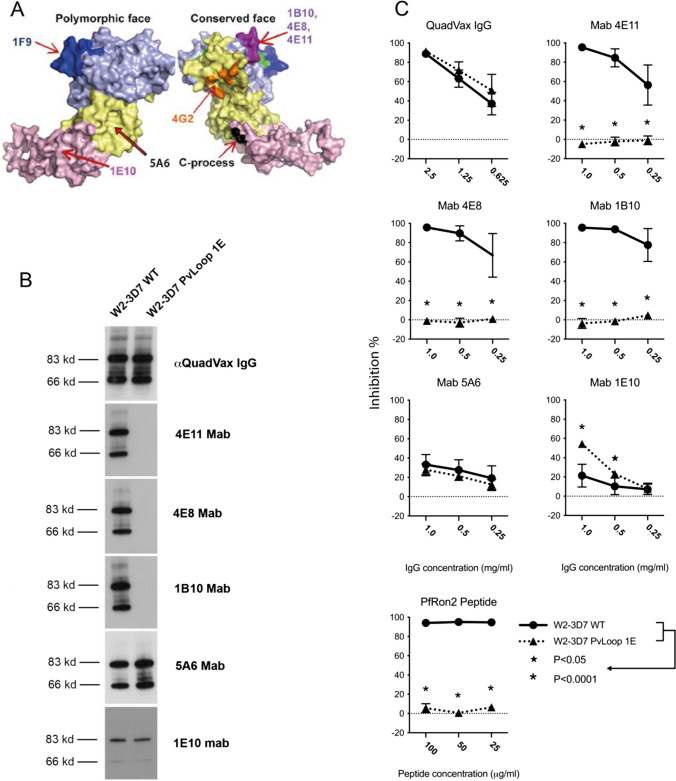
Plasmodium falciparum and P. vivax are the major causes of human malaria, and P. knowlesi is an important additional cause in SE Asia. Binding of apical membrane antigen 1 (AMA1) to rhoptry neck protein 2 (RON2) was thought to be essential for merozoite invasion of erythrocytes by Plasmodium spp. Our findings reveal that P. falciparum and P. vivax have diverged and show species-specific binding of AMA1 to RON2, determined by a β-hairpin loop in RON2 and specific residues in AMA1 Loop1E. In contrast, cross-species binding of AMA1 to RON2 is retained between P. vivax and P. knowlesi. Mutation of specific amino acids in AMA1 Loop1E in P. falciparum or P. vivax ablated RON2 binding without impacting erythrocyte invasion. This indicates that the AMA1-RON2-loop interaction is not essential for invasion and additional AMA1 interactions are involved. Mutations in AMA1 that disrupt RON2 binding also enable escape of invasion inhibitory antibodies. Therefore, vaccines and therapeutics will need to be broader than targeting only the AMA1-RON2 interaction. Antibodies targeting AMA1 domain 3 had greater invasion-inhibitory activity when RON2-loop binding was ablated, suggesting this domain is a promising additional target for vaccine development. Targeting multiple AMA1 interactions involved in invasion may enable vaccines that generate more potent inhibitory antibodies and address the capacity for immune evasion. Findings on specific residues for invasion function and species divergence and conservation can inform novel vaccines and therapeutics against malaria caused by three species, including the potential for cross-species vaccines.
恶性疟原虫和间日疟原虫是人类疟疾的主要病原体,而伯氏疟原猴疟原虫是东南亚地区的重要病原体。顶膜抗原 1(AMA1)与 裂殖体颈部蛋白 2(RON2)的结合被认为是疟原虫属裂殖子入侵红细胞所必需的。我们的研究结果表明,恶性疟原虫和间日疟原虫已经发生了分化,并且 AMA1与 RON2 的结合具有种特异性,这是由 RON2 中的β发夹环和 AMA1 Loop1E 中的特定残基决定的。相比之下,间日疟原虫和伯氏疟原猴疟原虫之间存在 AMA1 与 RON2 的交叉种结合。恶性疟原虫或间日疟原虫中 AMA1 Loop1E 中的特定氨基酸突变会消除 RON2 结合而不影响红细胞入侵。这表明 AMA1-RON2-环相互作用对于入侵并非必不可少,并且涉及其他 AMA1 相互作用。破坏 RON2 结合的 AMA1 突变也能使入侵抑制抗体逃逸。因此,疫苗和疗法将需要比仅针对 AMA1-RON2 相互作用更广泛。当 RON2-环结合被消除时,针对 AMA1 结构域 3 的抗体具有更大的入侵抑制活性,这表明该结构域是疫苗开发的一个有前途的额外靶标。针对入侵中涉及的多个 AMA1 相互作用可能会产生更有效的抑制抗体,并解决免疫逃避的能力。关于入侵功能和种间分化和保守性的特定残基的发现,可以为针对包括潜在的跨种疫苗在内的三种疟原虫引起的疟疾提供新的疫苗和疗法。