Emerg Infect Dis. 2023 Apr;29(4):734-741. doi: 10.3201/eid2904.221433. Epub 2023 Feb 27.
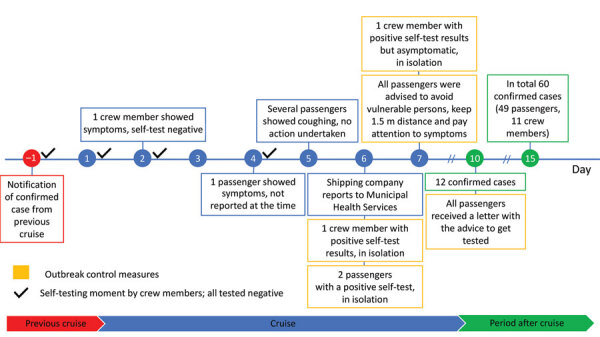
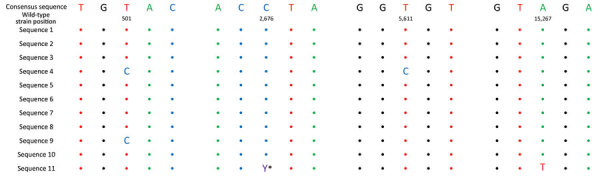
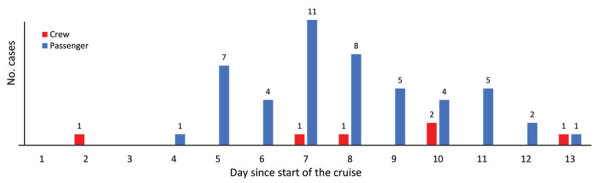
We investigated a large outbreak of SARS-CoV-2 infections among passengers and crew members (60 cases in 132 persons) on a cruise ship sailing for 7 days on rivers in the Netherlands. Whole-genome analyses suggested a single or limited number of viral introductions consistent with the epidemiologic course of infections. Although some precautionary measures were taken, no social distancing was exercised, and air circulation and ventilation were suboptimal. The most plausible explanation for introduction of the virus is by persons (crew members and 2 passengers) infected during a previous cruise, in which a case of COVID-19 had occurred. The crew was insufficiently prepared on how to handle the situation, and efforts to contact public health authorities was inadequate. We recommend installing clear handling protocols, direct contacts with public health organizations, training of crew members to recognize outbreaks, and awareness of air quality on river-cruise ships, as is customary for most seafaring cruises.
我们调查了一艘在荷兰内河上航行 7 天的游轮上的乘客和船员(132 人中 60 例)中 SARS-CoV-2 感染的大规模暴发。全基因组分析表明,感染的流行病学过程与单一或少数几次病毒传入一致。尽管采取了一些预防措施,但没有实施社交距离,空气流通和通风也不理想。病毒传入最可能的解释是受感染的人员(船员和 2 名乘客)在之前的一次游轮旅行中感染的,当时曾发生过 COVID-19 病例。船员在如何处理这种情况方面准备不足,并且与公共卫生当局的联系也不足。我们建议安装明确的处理协议,与公共卫生组织直接联系,培训船员识别疫情,并提高对河轮上空气质量的认识,这是大多数航海游轮的惯例。