Department of General Surgery, Hacettepe University School of Medicine, Sihhiye, 06100, Ankara, Turkey.
Department of Basic Oncology, Hacettepe University Cancer Institute, Sihhiye, 06100, Ankara, Turkey.
Mol Med. 2023 Feb 27;29(1):29. doi: 10.1186/s10020-023-00622-9.
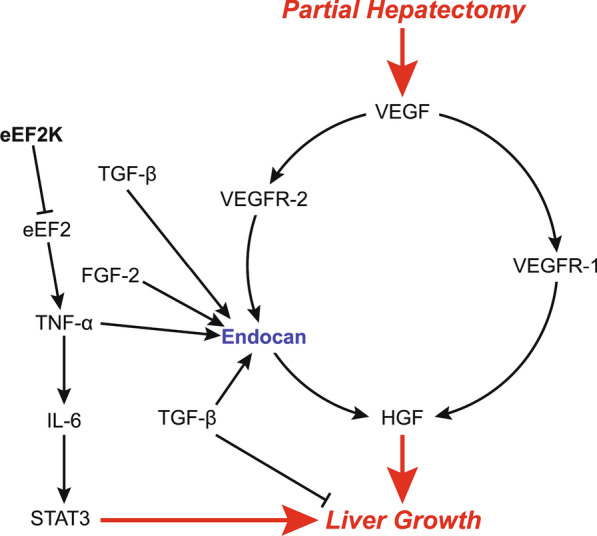
Intriguingly, liver regeneration after injury does not induce uncontrolled growth and the underlying mechanisms of such a "hepatostat" are still not clear. Endocan, a proteoglycan, was implicated in liver regeneration. It can support the function of hepatocyte growth factor/scatter factor in tissue repair after injury. Endostatin, a 20 kDa C-terminal fragment of collagen XVIII, may modulate the cessation of liver regeneration. eEF2K, a protein kinase that regulates protein synthesis, can regulate angiogenesis. Thus, we investigated the role of endocan, endostatin and eEF2K during normal liver regeneration.
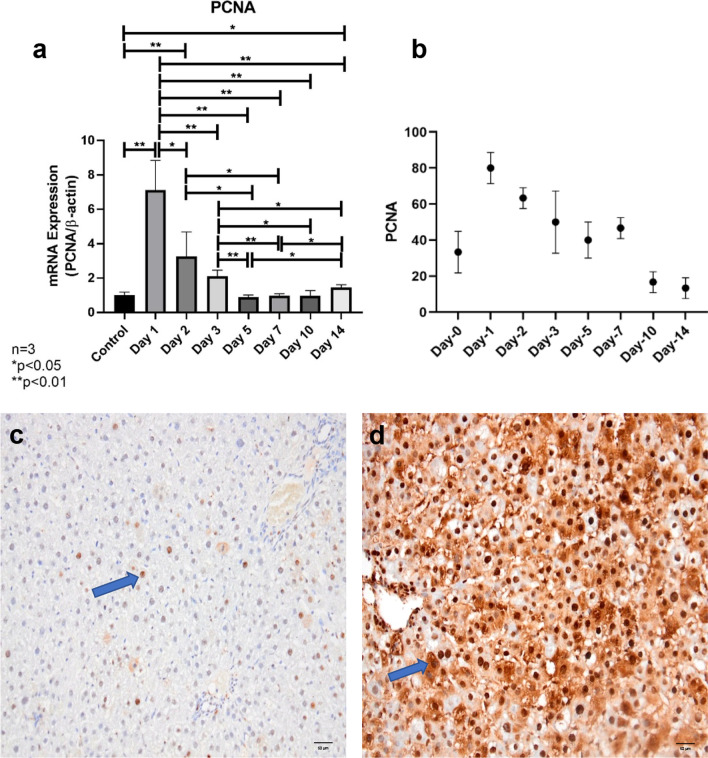
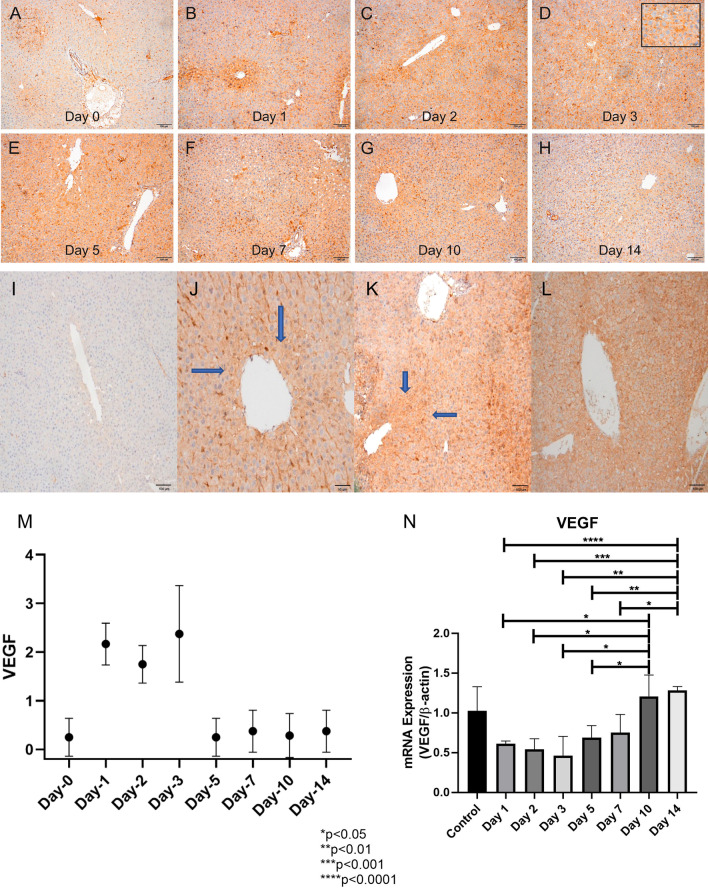
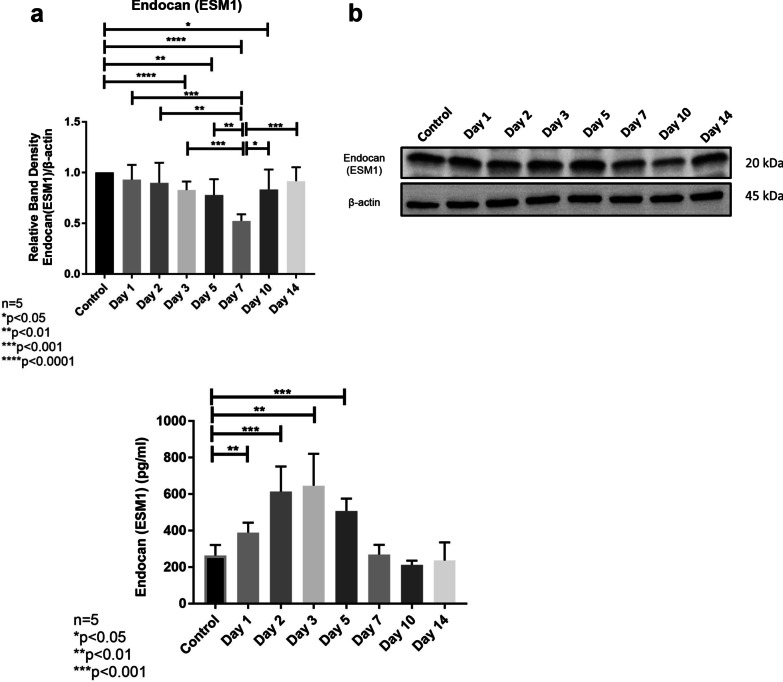
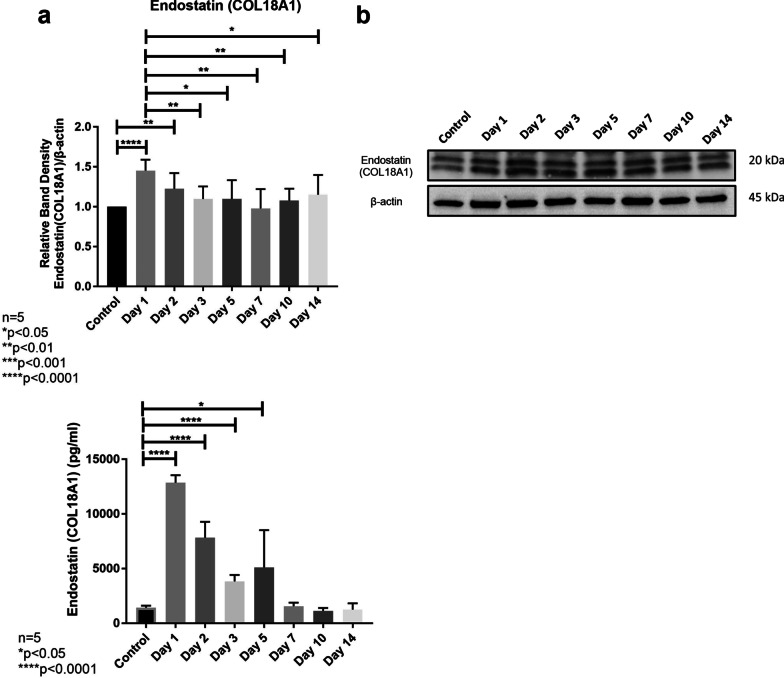
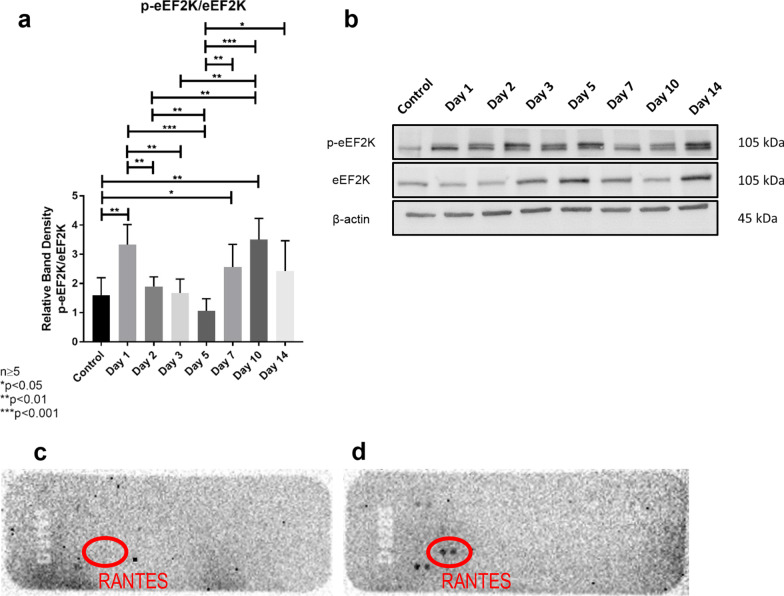
Serum samples and regenerating remnant liver tissues were obtained on various days after partial hepatectomy in rats. mRNA expression levels of Vegf and Pcna were analyzed in addition to immunohistochemical evaluations. Liver tissue protein levels of endostatin, endocan and p-eEF2K/eEF2K were determined with Western blot. Serum levels of endostatin and endocan were assessed with ELISA.
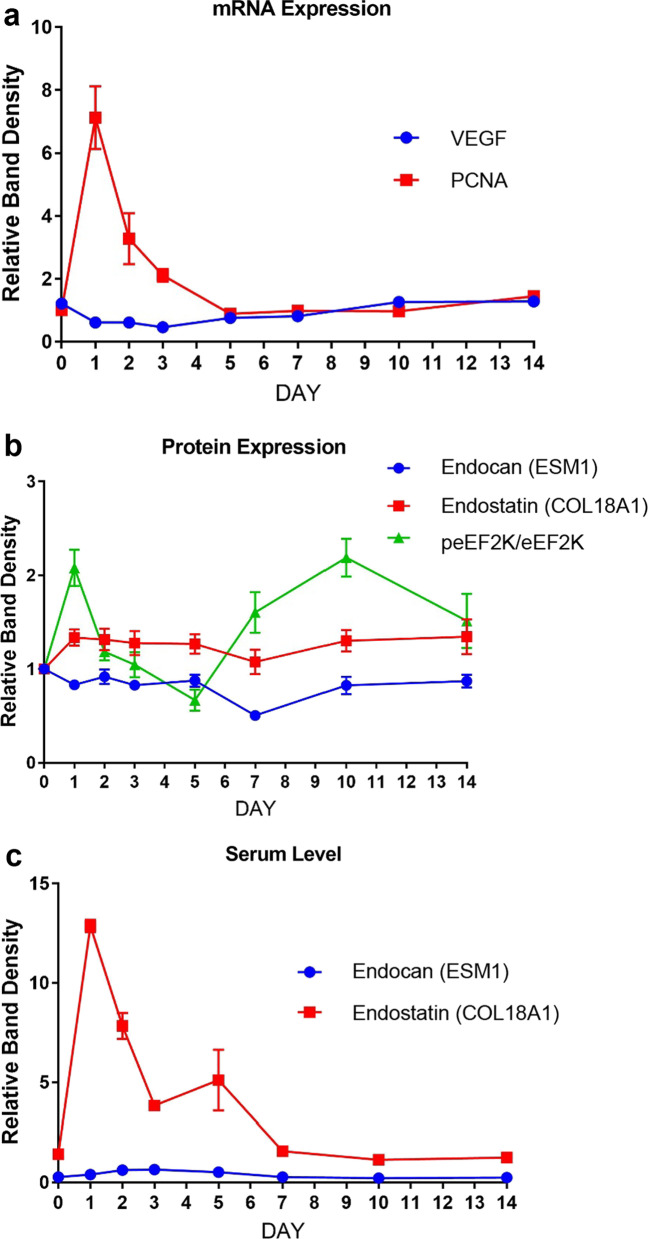
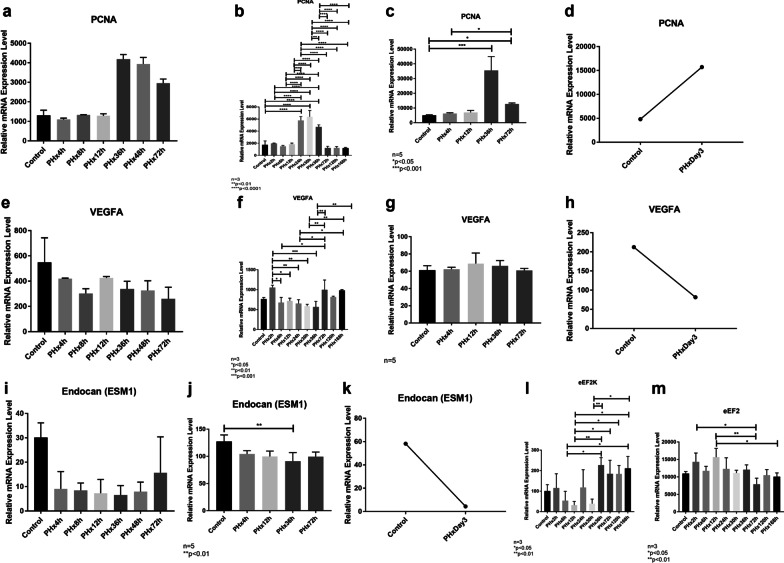
Pcna expression level in residual liver tissues peaked on day-1, while Vegf expression reached its highest level on days 1-3 after partial hepatectomy (70%). Endocan activity declined gradually on days 1-7. The decrease in liver endocan expression was accompanied by an increase in serum endocan levels. Partial hepatectomy induced a rapid increase in liver endostatin levels. Following its surge on day-1, endostatin expression gradually declined, which was accompanied by a peak in serum endostatin. Finally, partial hepatectomy was shown to regulate eEF2K; thus, increasing protein translation.
We revealed possible mechanistic insights into liver regeneration by examining the associations of Pcna, Vegf, endocan, endostatin, eEF2K with hepatic regeneration after partial hepatectomy. Indeed, endocan might serve as a useful biomarker to monitor clinical prognosis in a plethora of conditions such as recovery of donor's remaining liver after living-donor liver transplant. Whether endocan might represent a strategy to optimize liver regeneration when given therapeutically needs to be investigated in future studies.
有趣的是,肝损伤后的再生不会引起不受控制的生长,而这种“肝稳态”的潜在机制尚不清楚。内皮细胞蛋白聚糖(endocan)被认为与肝再生有关。它可以支持肝细胞生长因子/分散因子在损伤后组织修复中的功能。胶原 XVIII 的 C 端 20kDa 片段内皮抑素(endostatin)可能调节肝再生的停止。eEF2K 是一种调节蛋白质合成的蛋白激酶,可调节血管生成。因此,我们研究了内皮细胞蛋白聚糖、内皮抑素和 eEF2K 在正常肝再生过程中的作用。
在大鼠部分肝切除后的不同天数采集血清样本和再生残余肝组织。分析 Vegf 和 Pcna 的 mRNA 表达水平,并进行免疫组织化学评价。用 Western blot 法测定肝组织内皮抑素、内皮细胞蛋白聚糖和 p-eEF2K/eEF2K 的蛋白水平。用 ELISA 法测定血清内皮抑素和内皮细胞蛋白聚糖水平。
残余肝组织中 Pcna 表达水平于第-1 天达到峰值,而 Vegf 表达于部分肝切除后第 1-3 天达到最高水平(70%)。肝内皮细胞蛋白聚糖活性于第 1-7 天逐渐下降。肝内皮细胞蛋白聚糖表达减少伴随着血清内皮细胞蛋白聚糖水平的增加。部分肝切除诱导肝内皮抑素水平迅速升高。肝内皮抑素表达于第 1 天激增后逐渐下降,伴随血清内皮抑素峰值。最后,部分肝切除被证明可以调节 eEF2K;从而增加蛋白质翻译。
通过检查 Pcna、Vegf、内皮细胞蛋白聚糖、内皮抑素、eEF2K 与部分肝切除后肝再生的关系,我们揭示了肝再生的可能机制见解。事实上,内皮细胞蛋白聚糖可能作为一种有用的生物标志物,用于监测活体供肝移植后供肝剩余恢复等多种情况下的临床预后。内皮细胞蛋白聚糖是否可以作为一种治疗策略来优化肝再生,需要在未来的研究中进行探讨。