Department of Immunology, Blavatnik Institute, Harvard Medical School, Boston, MA, USA.
Division of Dermatology, John T. Milliken Department of Medicine, Washington University School of Medicine in St Louis, St Louis, MO, USA.
Nature. 2023 Mar;615(7952):472-481. doi: 10.1038/s41586-023-05753-x. Epub 2023 Mar 1.
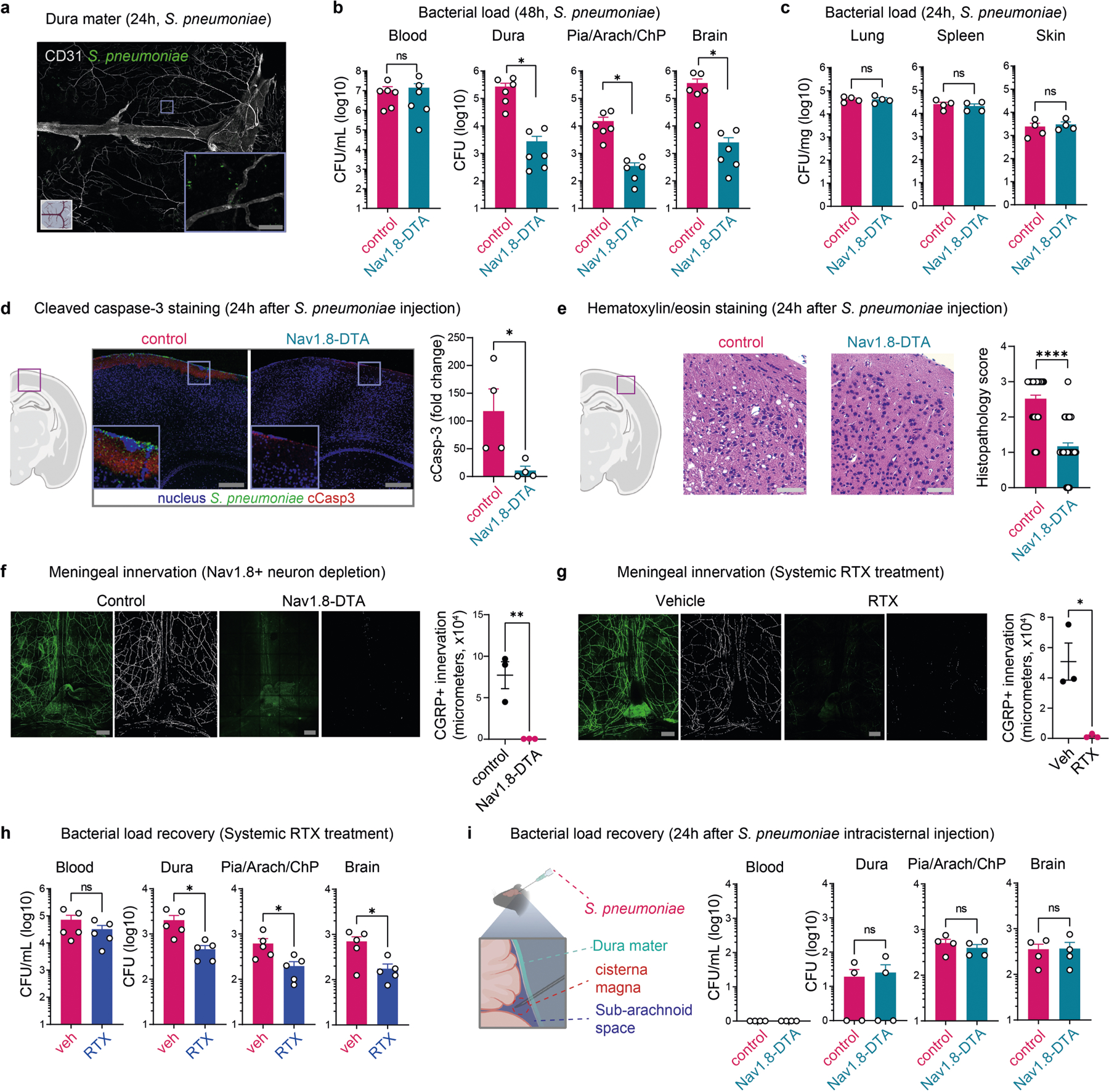
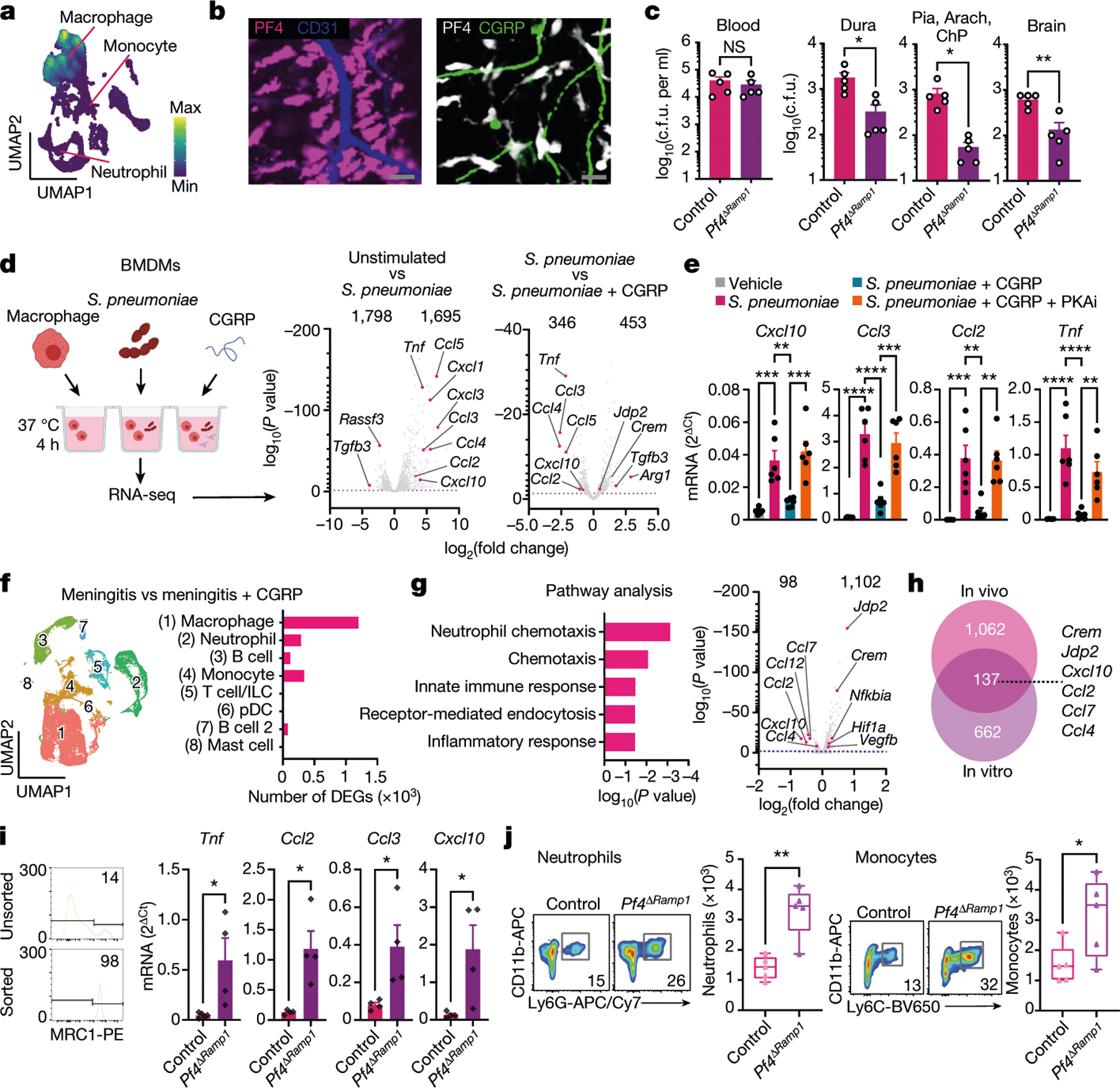
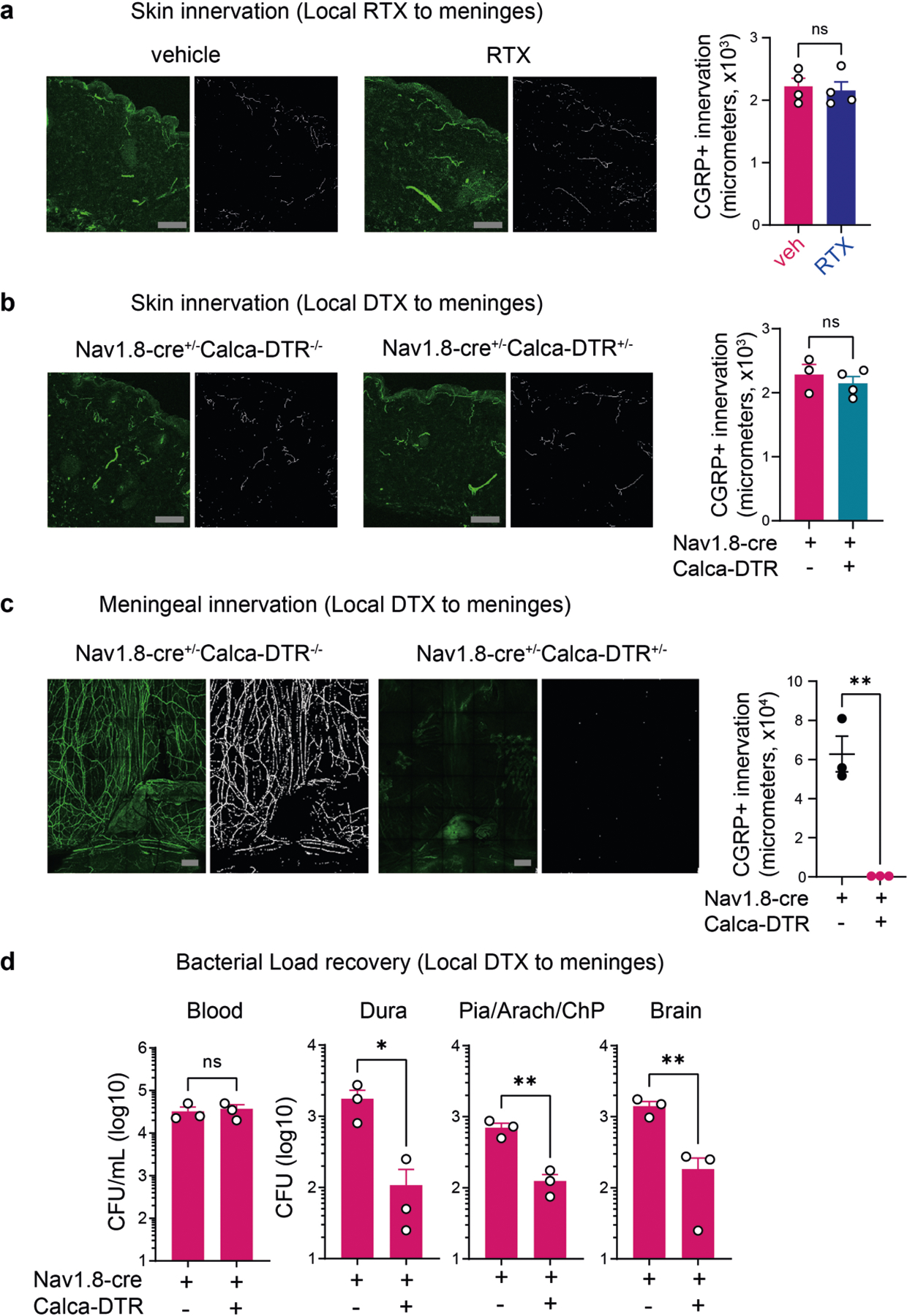
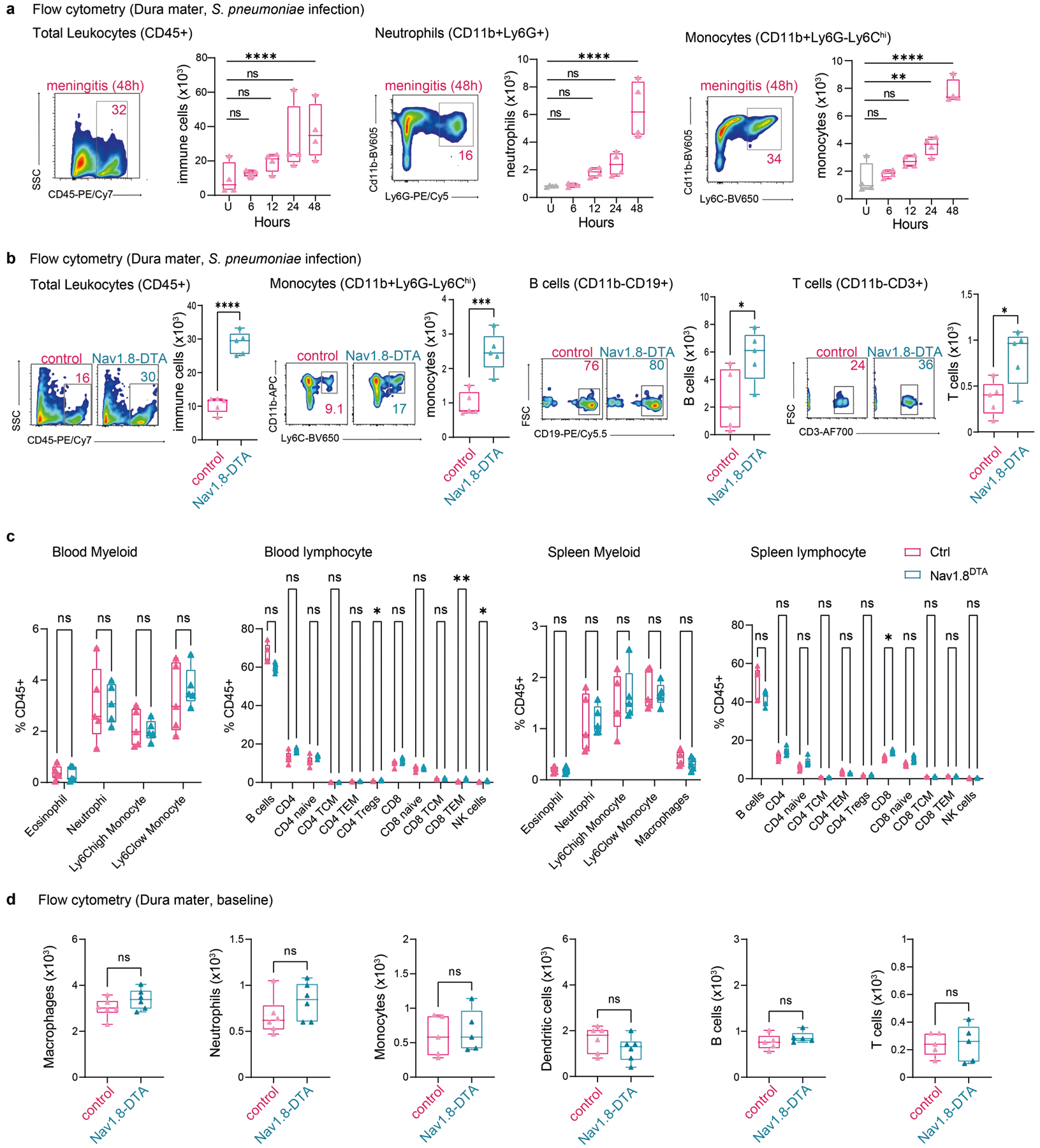
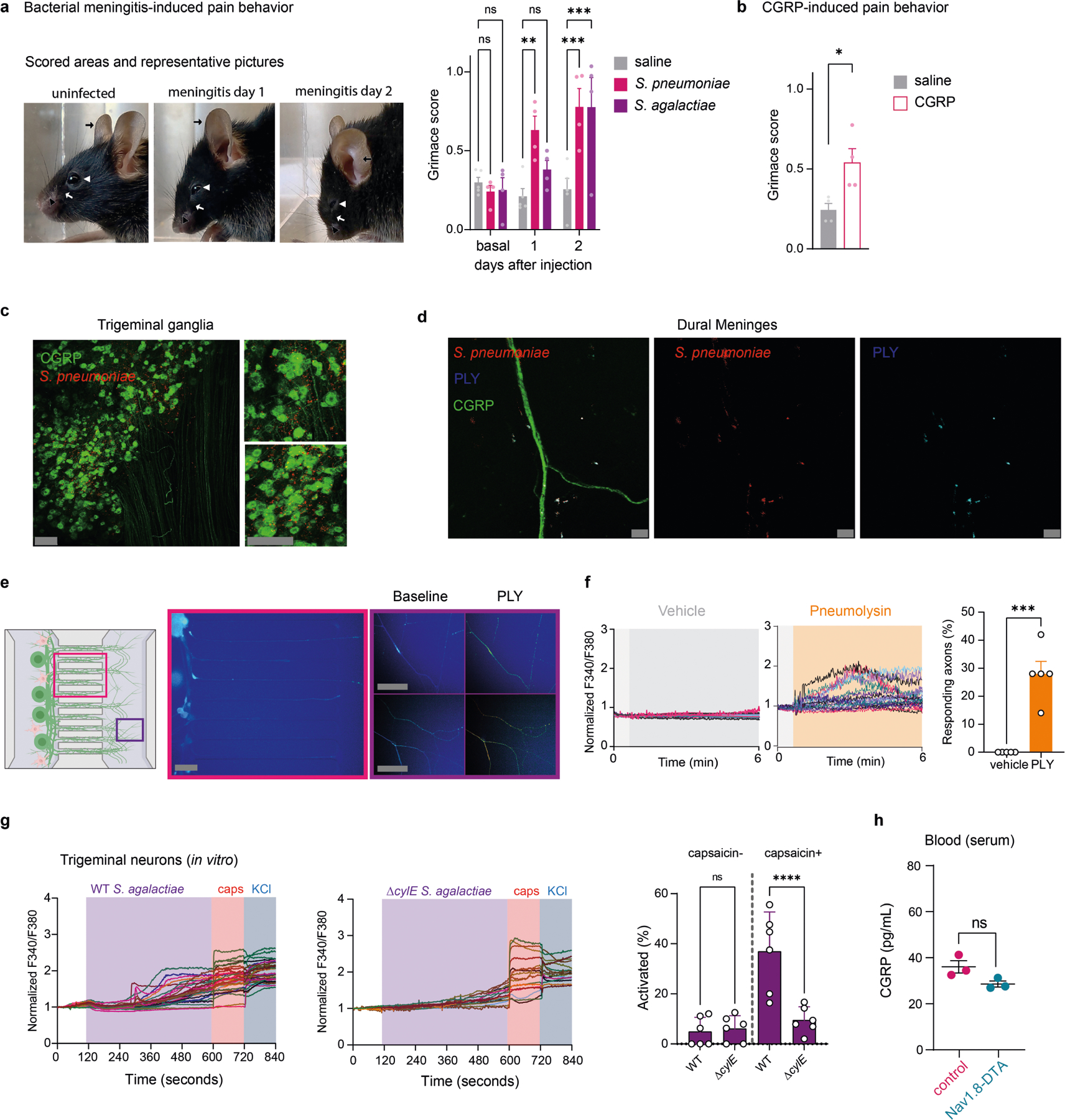
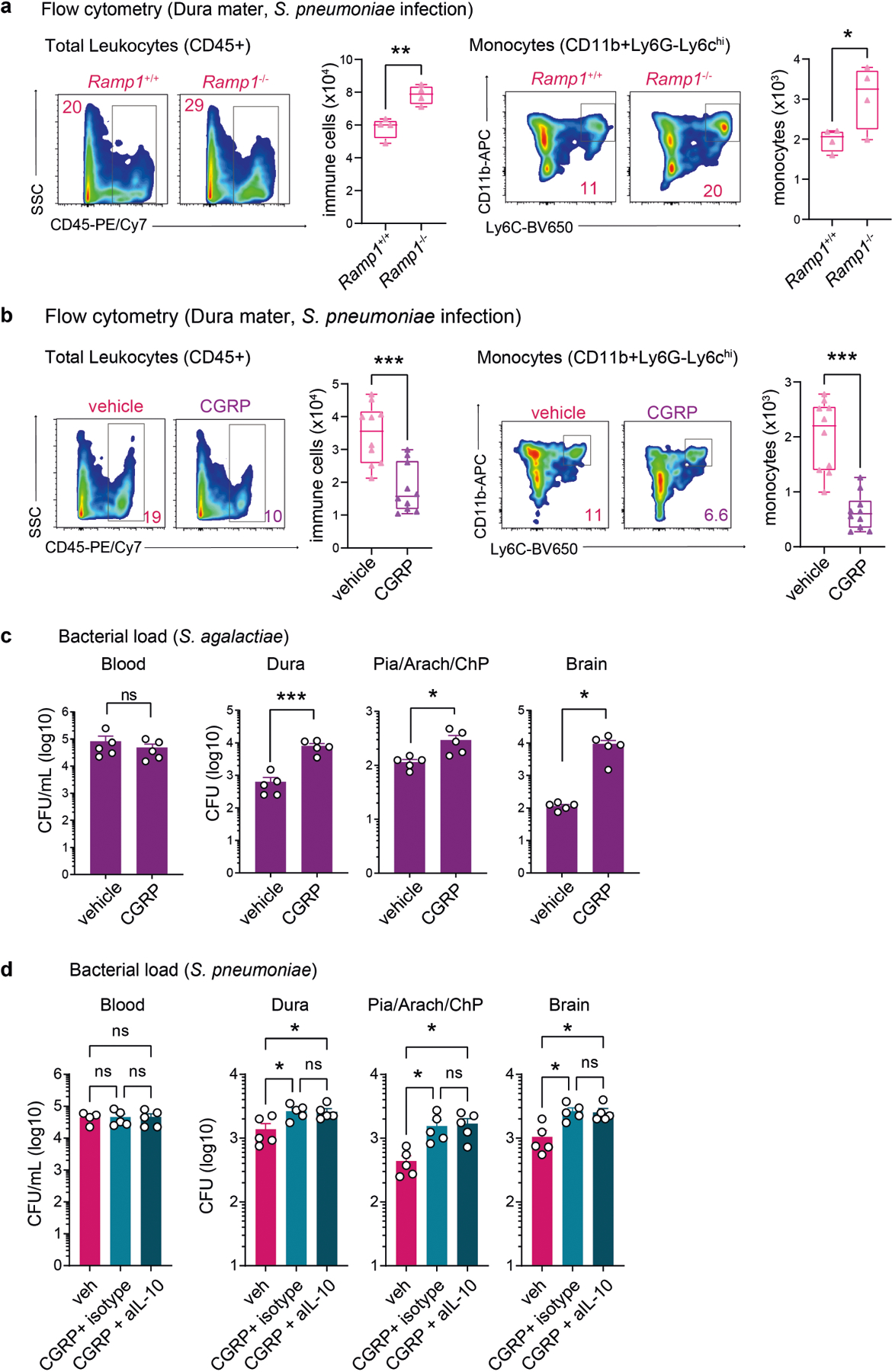
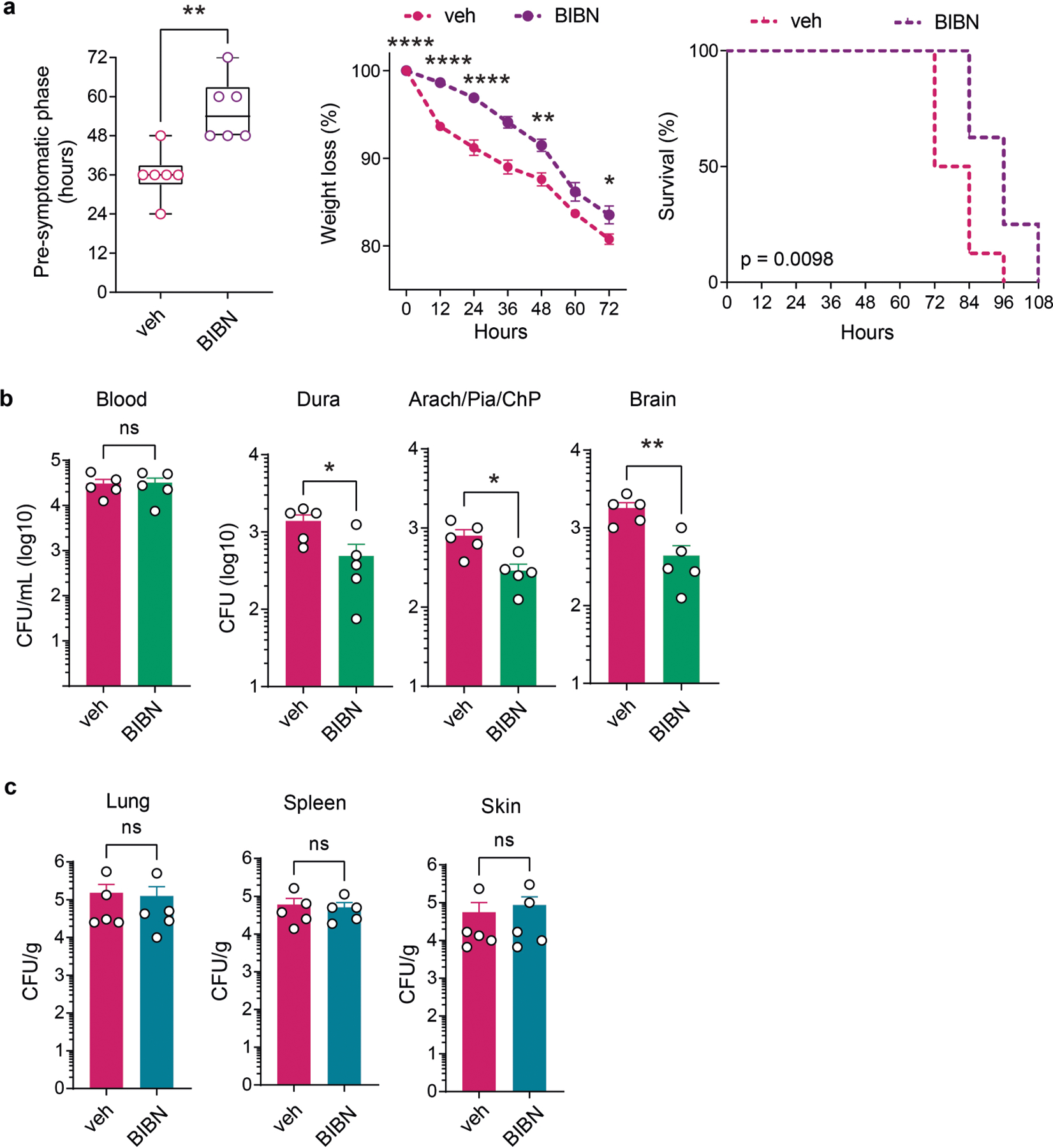
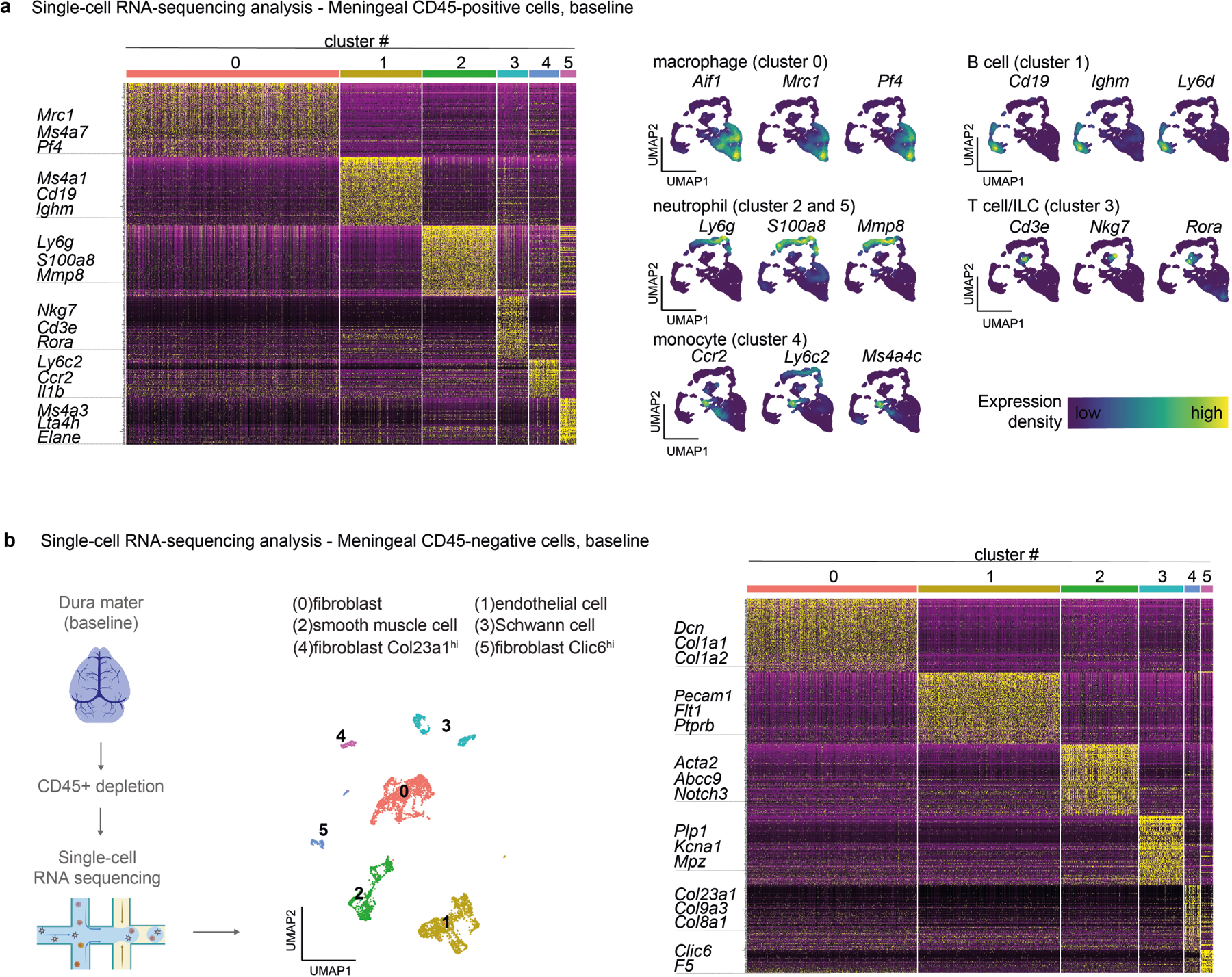
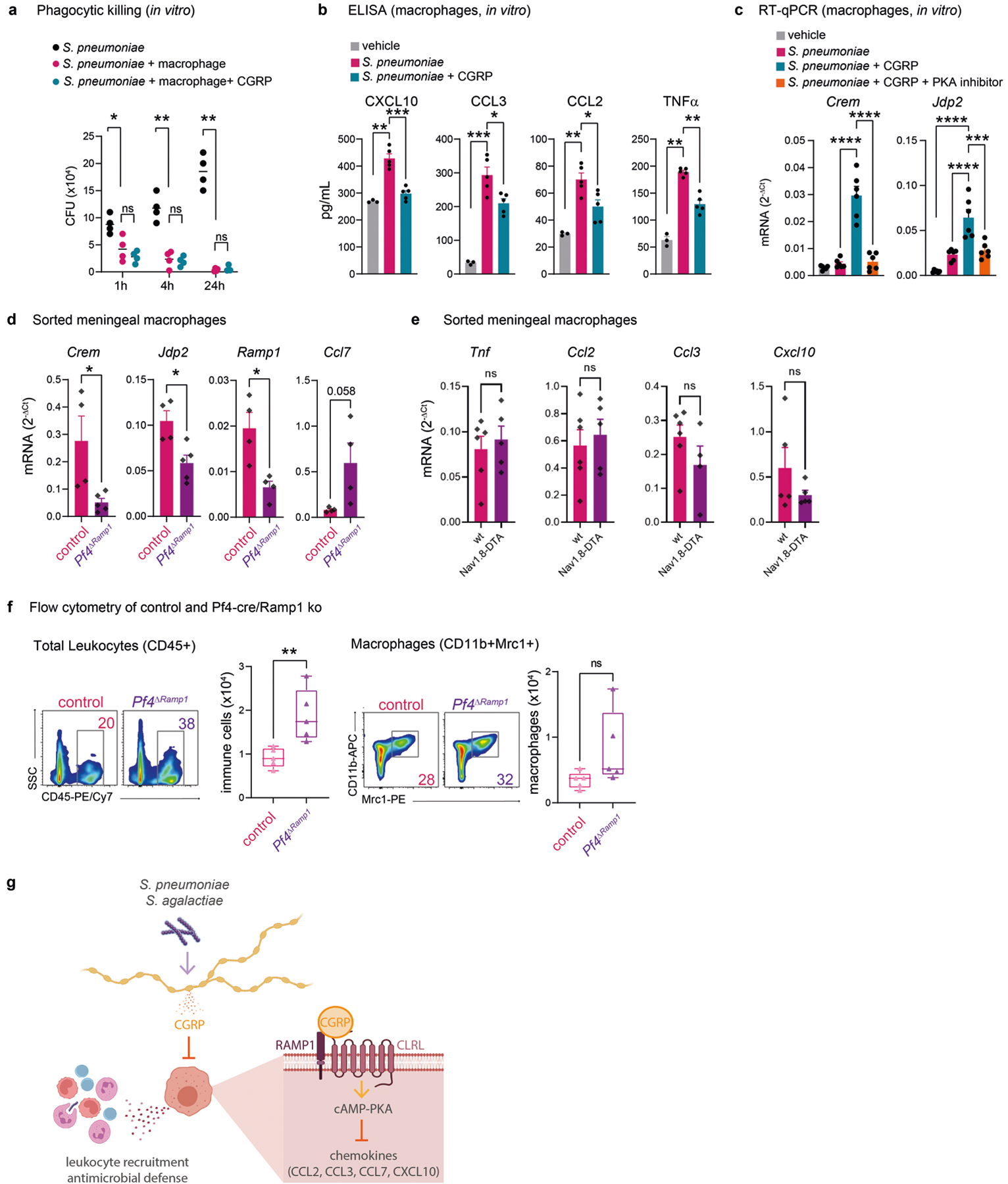
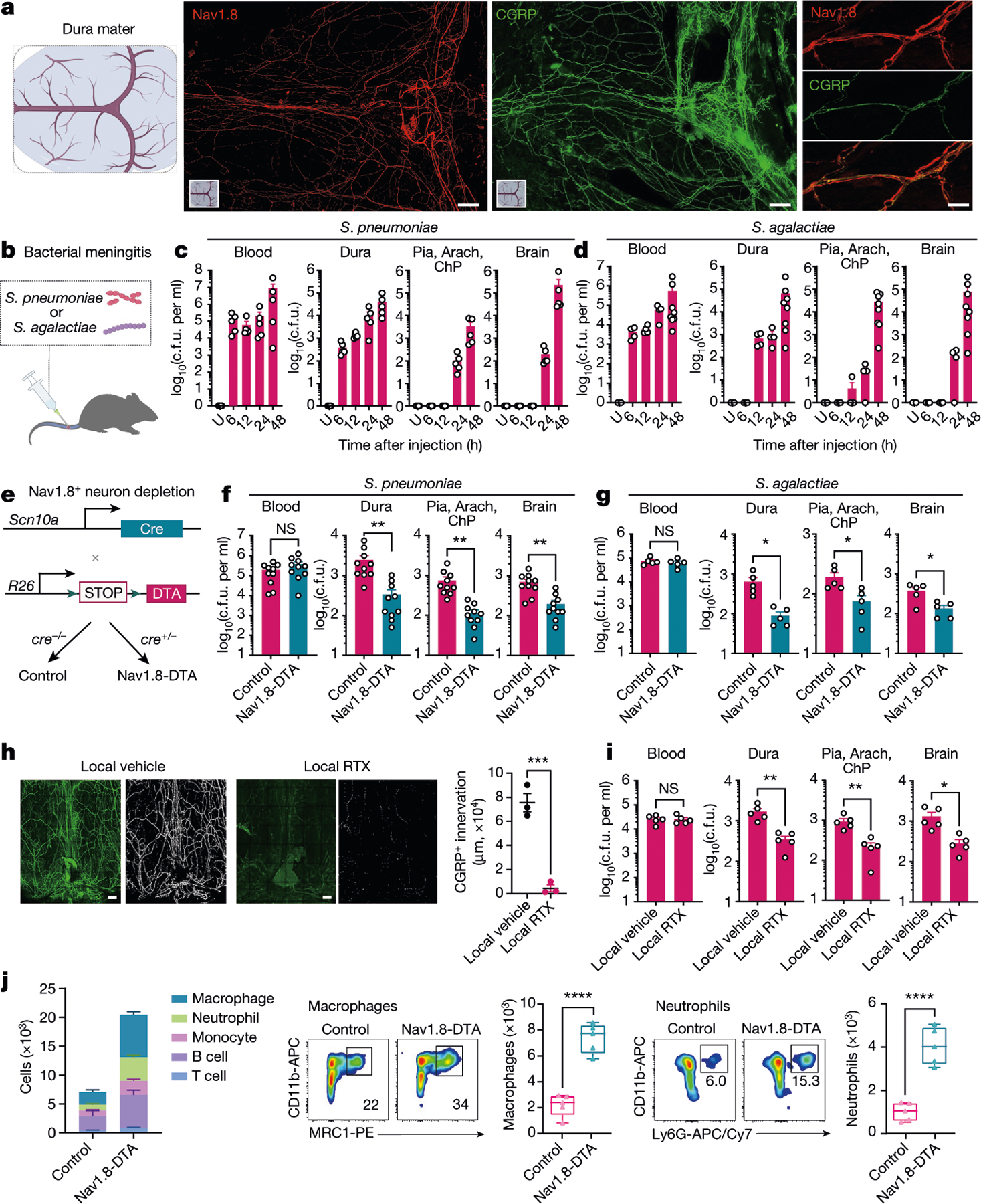
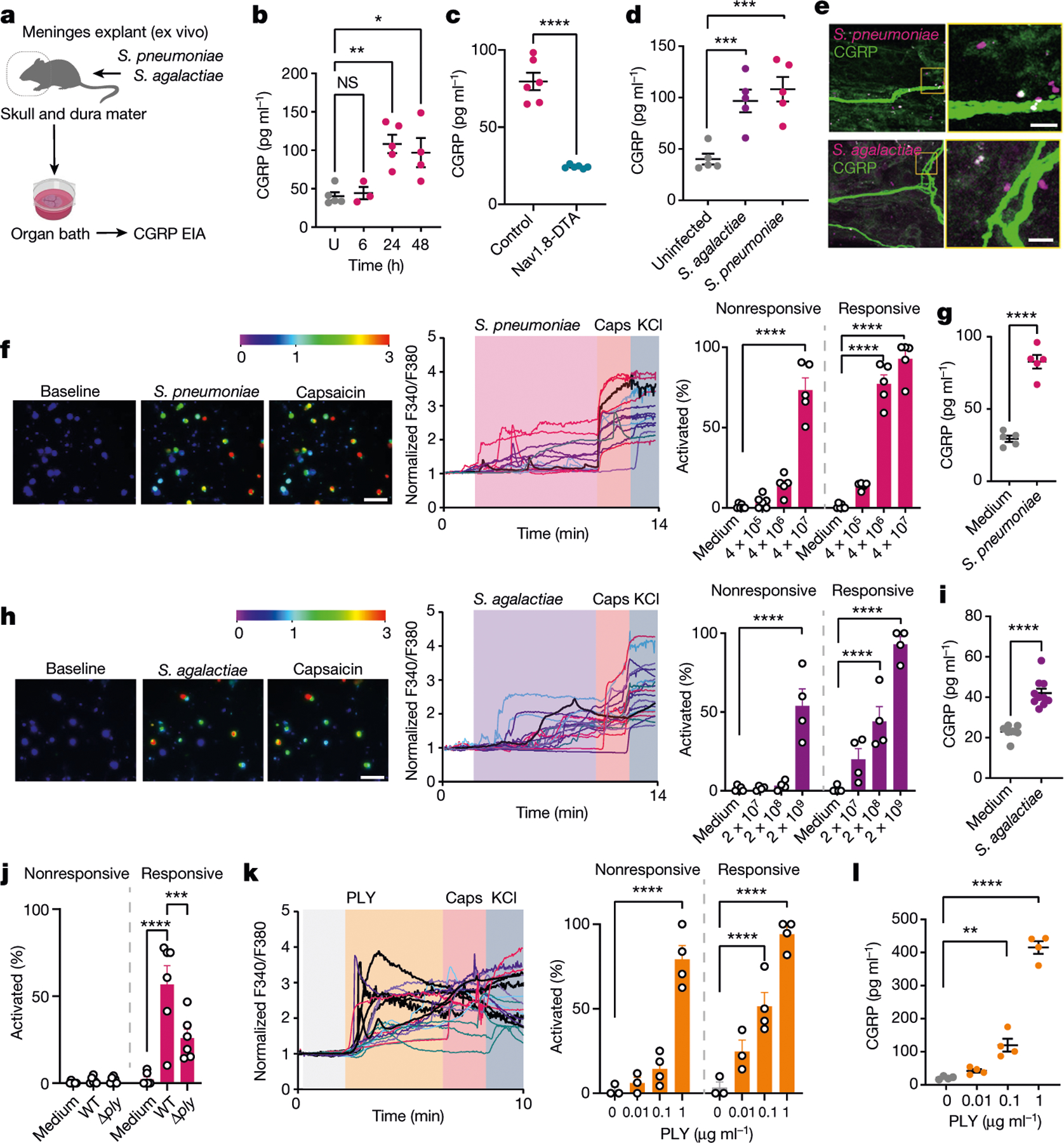
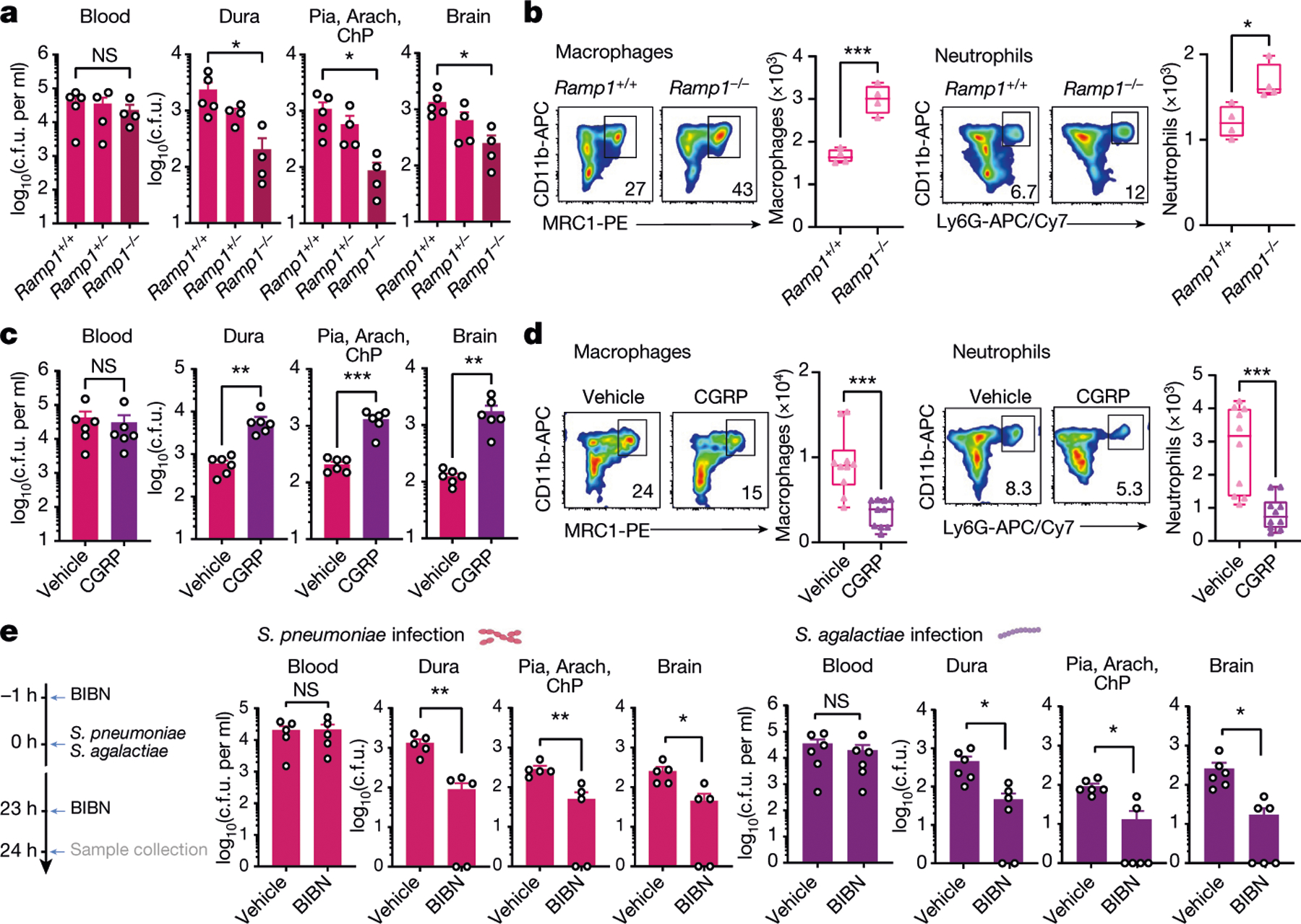
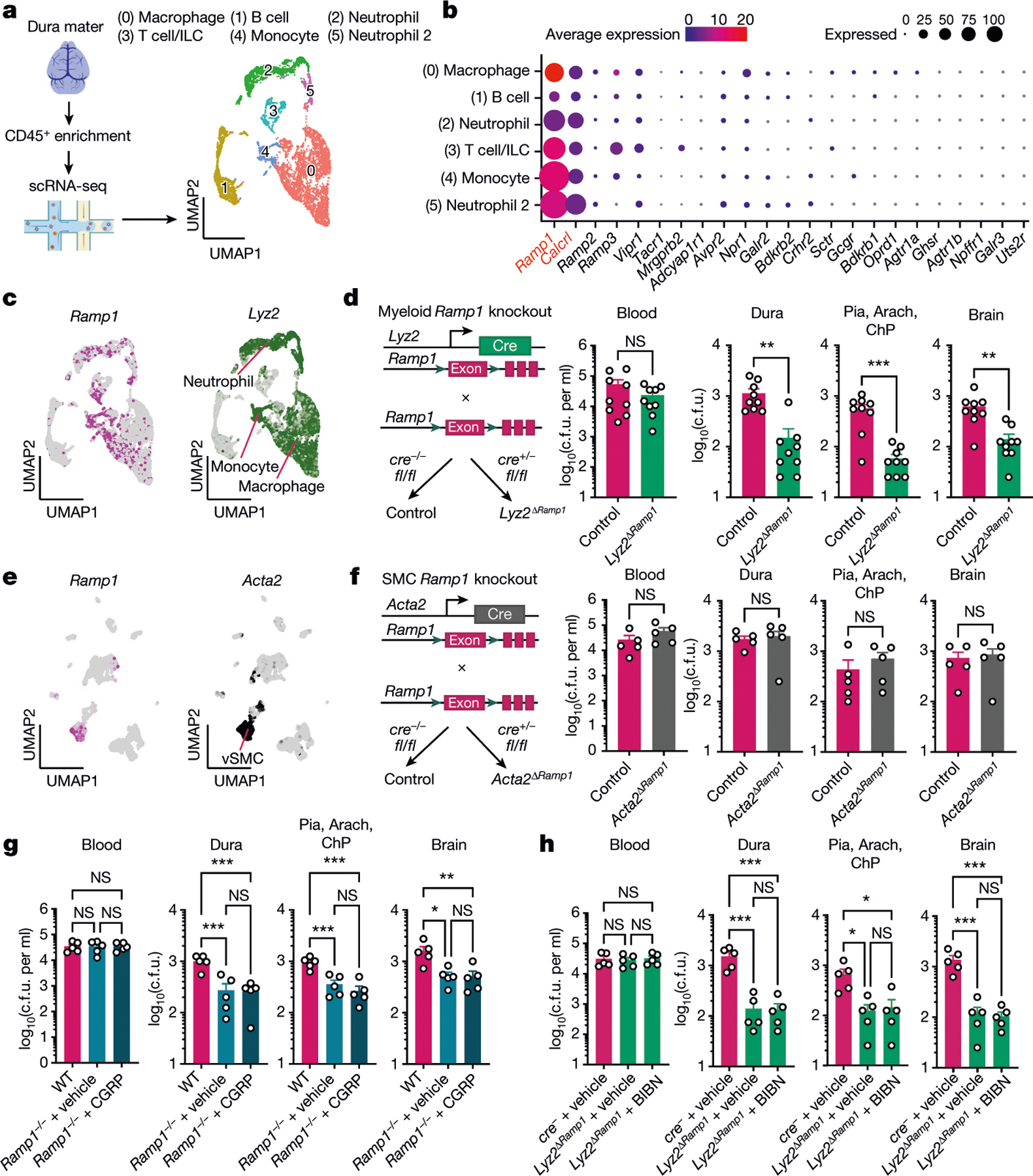
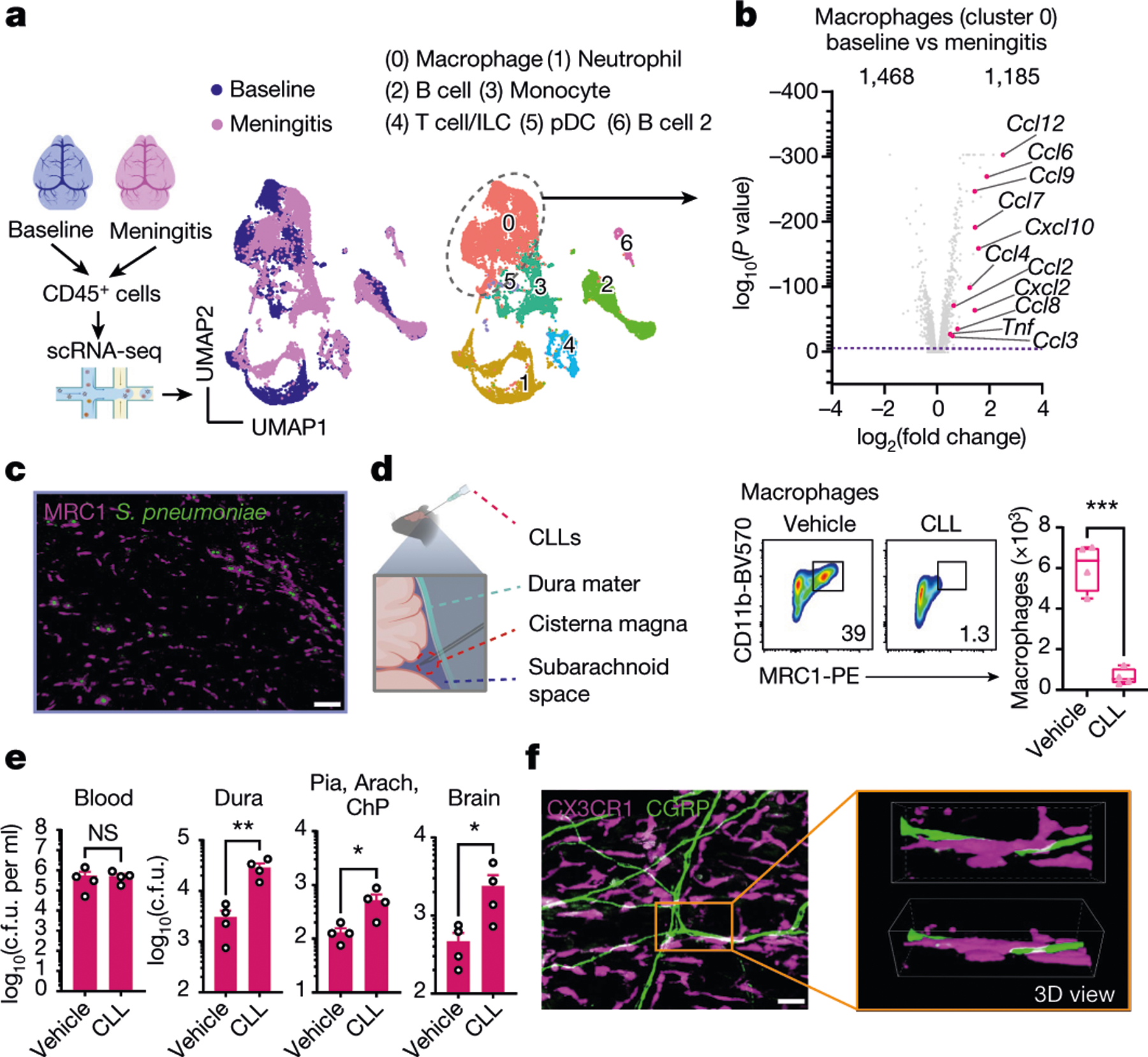
The meninges are densely innervated by nociceptive sensory neurons that mediate pain and headache. Bacterial meningitis causes life-threatening infections of the meninges and central nervous system, affecting more than 2.5 million people a year. How pain and neuroimmune interactions impact meningeal antibacterial host defences are unclear. Here we show that Nav1.8 nociceptors signal to immune cells in the meninges through the neuropeptide calcitonin gene-related peptide (CGRP) during infection. This neuroimmune axis inhibits host defences and exacerbates bacterial meningitis. Nociceptor neuron ablation reduced meningeal and brain invasion by two bacterial pathogens: Streptococcus pneumoniae and Streptococcus agalactiae. S. pneumoniae activated nociceptors through its pore-forming toxin pneumolysin to release CGRP from nerve terminals. CGRP acted through receptor activity modifying protein 1 (RAMP1) on meningeal macrophages to polarize their transcriptional responses, suppressing macrophage chemokine expression, neutrophil recruitment and dural antimicrobial defences. Macrophage-specific RAMP1 deficiency or pharmacological blockade of RAMP1 enhanced immune responses and bacterial clearance in the meninges and brain. Therefore, bacteria hijack CGRP-RAMP1 signalling in meningeal macrophages to facilitate brain invasion. Targeting this neuroimmune axis in the meninges can enhance host defences and potentially produce treatments for bacterial meningitis.
脑膜被痛觉感觉神经元密集支配,这些神经元介导疼痛和头痛。细菌性脑膜炎会导致脑膜和中枢神经系统的危及生命的感染,每年影响超过 250 万人。疼痛和神经免疫相互作用如何影响脑膜的抗菌宿主防御机制尚不清楚。在这里,我们表明 Nav1.8 伤害感受器通过神经肽降钙素基因相关肽 (CGRP) 在感染期间向脑膜中的免疫细胞发出信号。这个神经免疫轴抑制宿主防御并加剧细菌性脑膜炎。伤害感受器神经元消融减少了两种细菌病原体:肺炎链球菌和无乳链球菌对脑膜和大脑的侵袭。肺炎链球菌通过其形成孔的毒素肺炎球菌溶血素激活伤害感受器,从神经末梢释放 CGRP。CGRP 通过脑膜巨噬细胞上的受体活性修饰蛋白 1(RAMP1)起作用,使它们的转录反应发生极化,抑制巨噬细胞趋化因子的表达、中性粒细胞的募集和脑膜的抗菌防御。巨噬细胞特异性 RAMP1 缺失或 RAMP1 的药理学阻断增强了脑膜和大脑中的免疫反应和细菌清除。因此,细菌劫持脑膜巨噬细胞中的 CGRP-RAMP1 信号通路,以促进大脑入侵。靶向脑膜中的这个神经免疫轴可以增强宿主防御,并可能为细菌性脑膜炎提供治疗方法。