Département de Pharmacologie et Physiologie, Université de Montréal, Montréal, Quebec, Canada.
Département de Médecine Moléculaire, Faculté de Médecine, Université Laval, Québec, Quebec, Canada.
Nature. 2022 Nov;611(7935):405-412. doi: 10.1038/s41586-022-05374-w. Epub 2022 Nov 2.
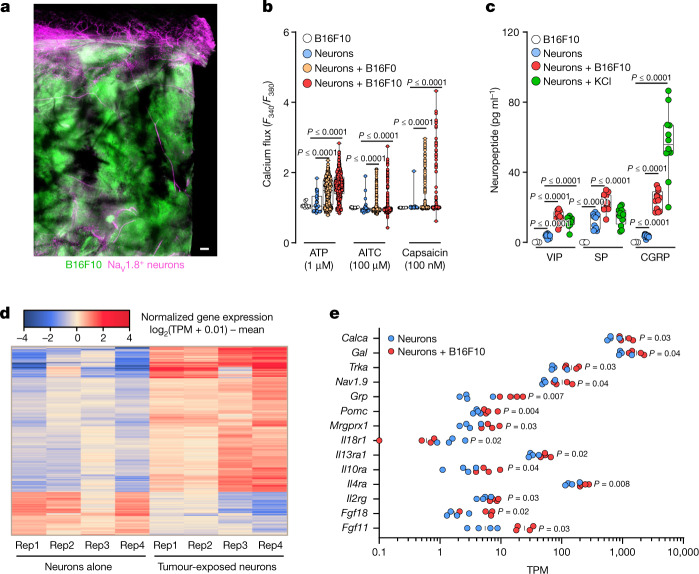
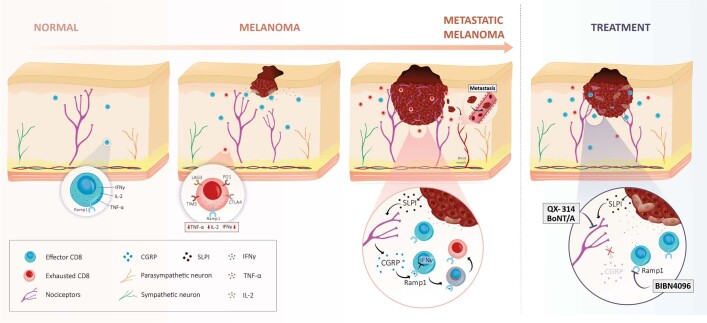
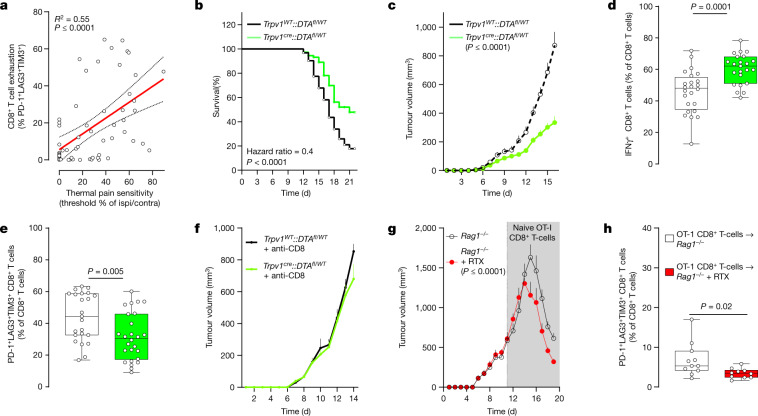
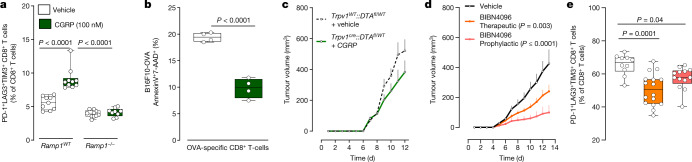
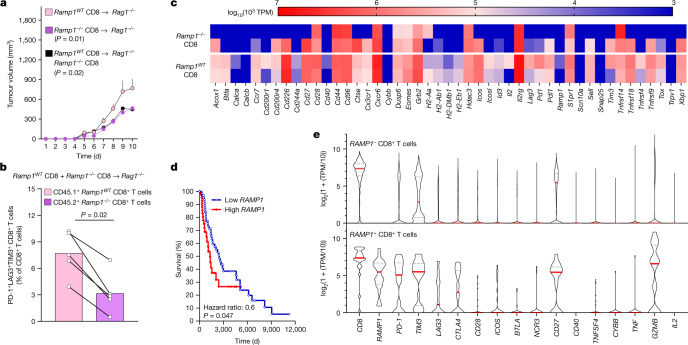
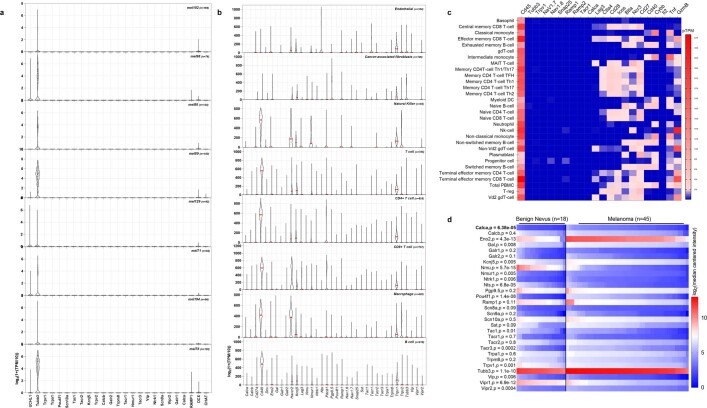
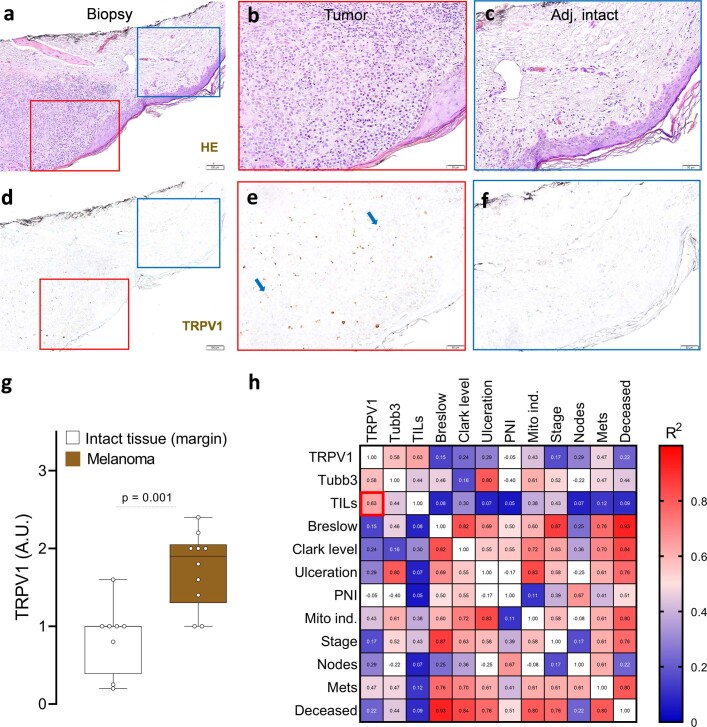
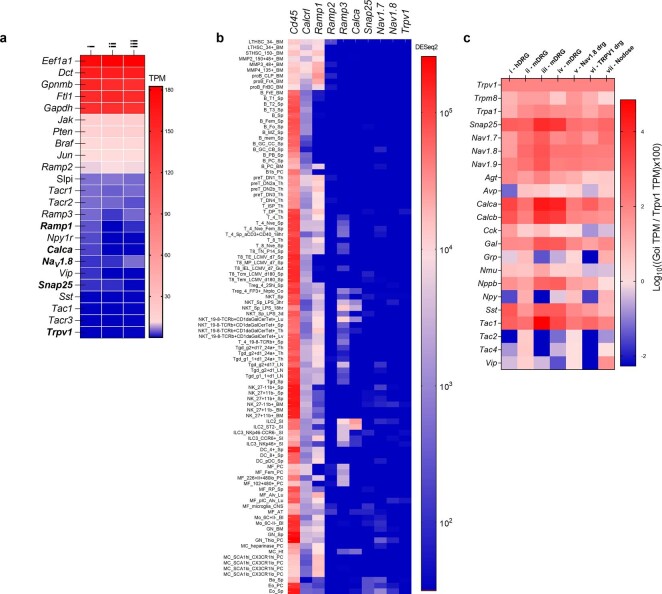
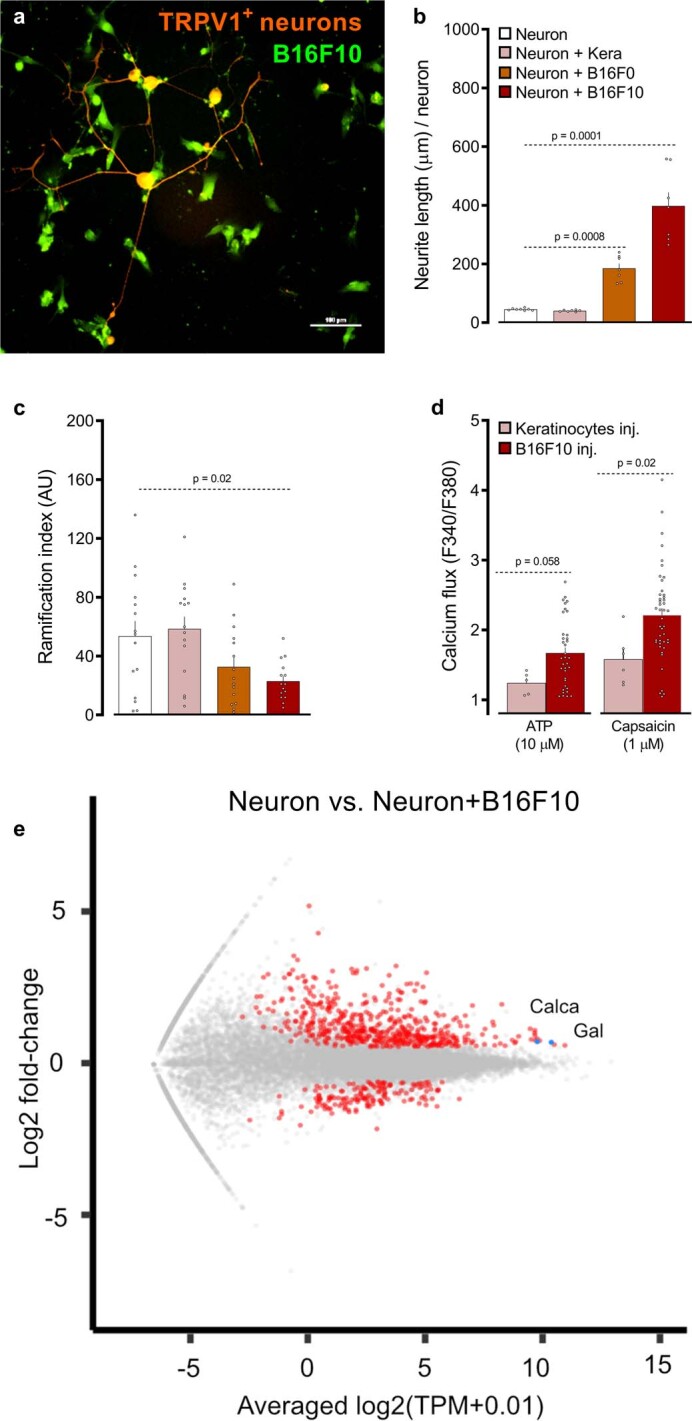
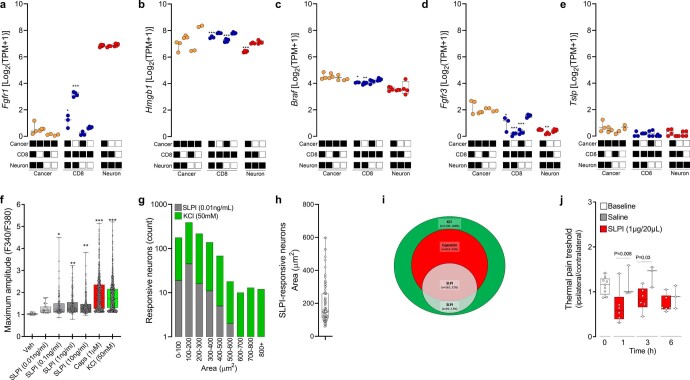
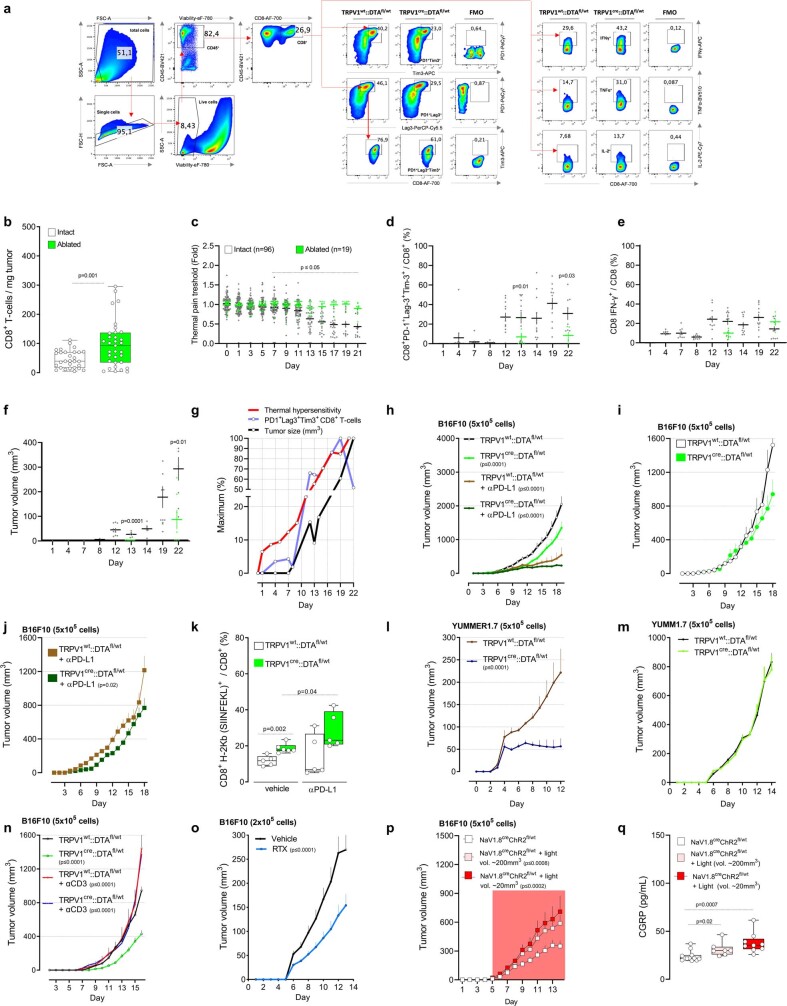
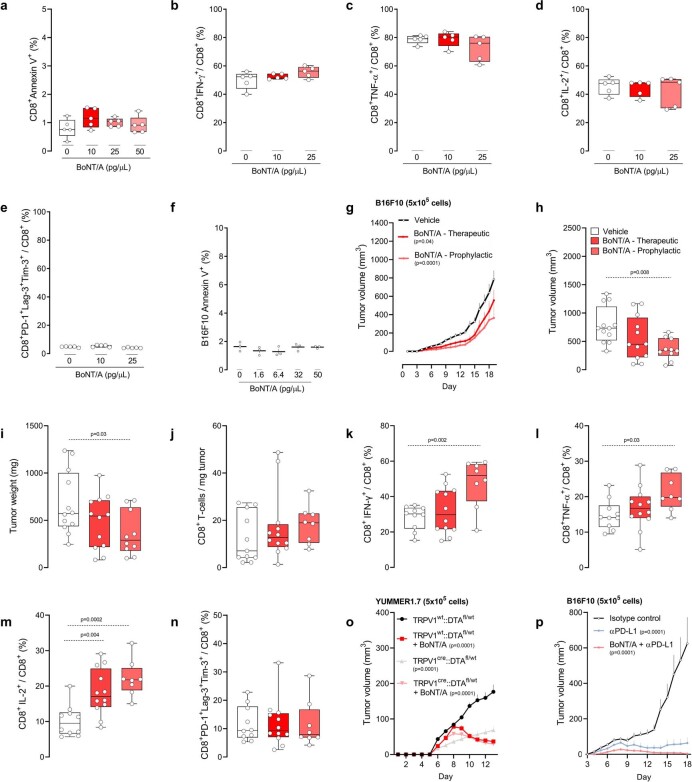
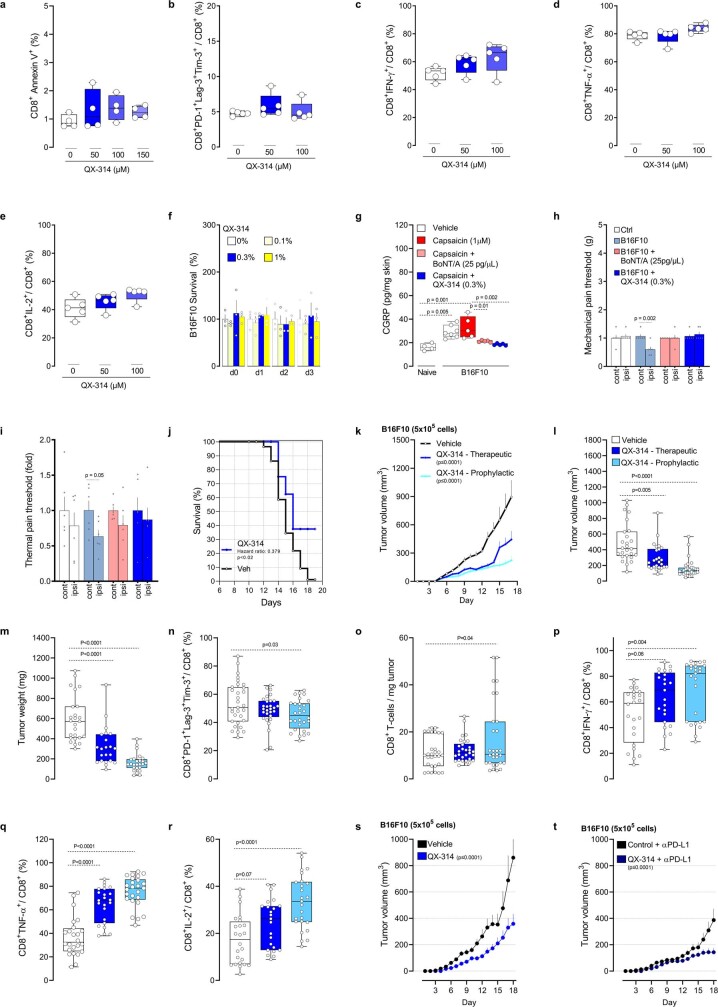
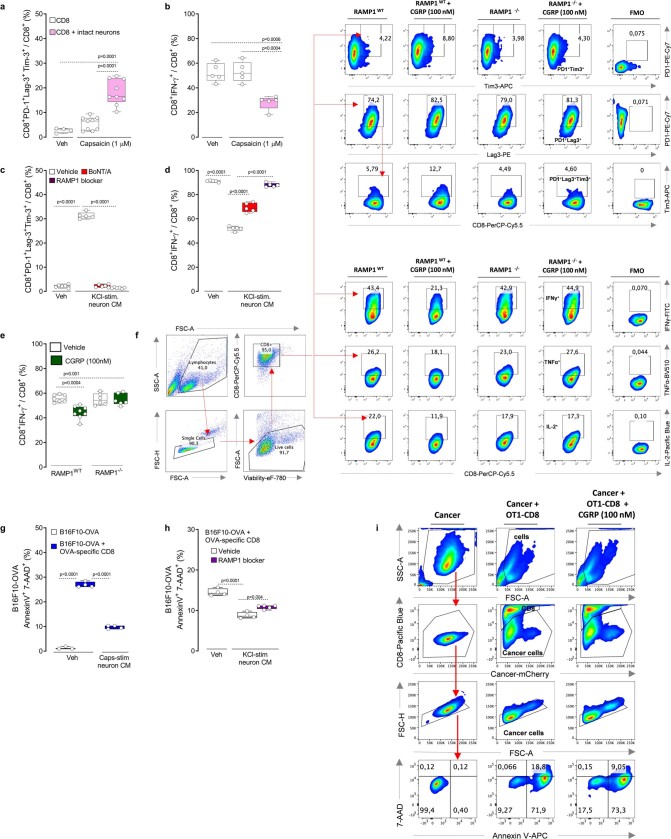
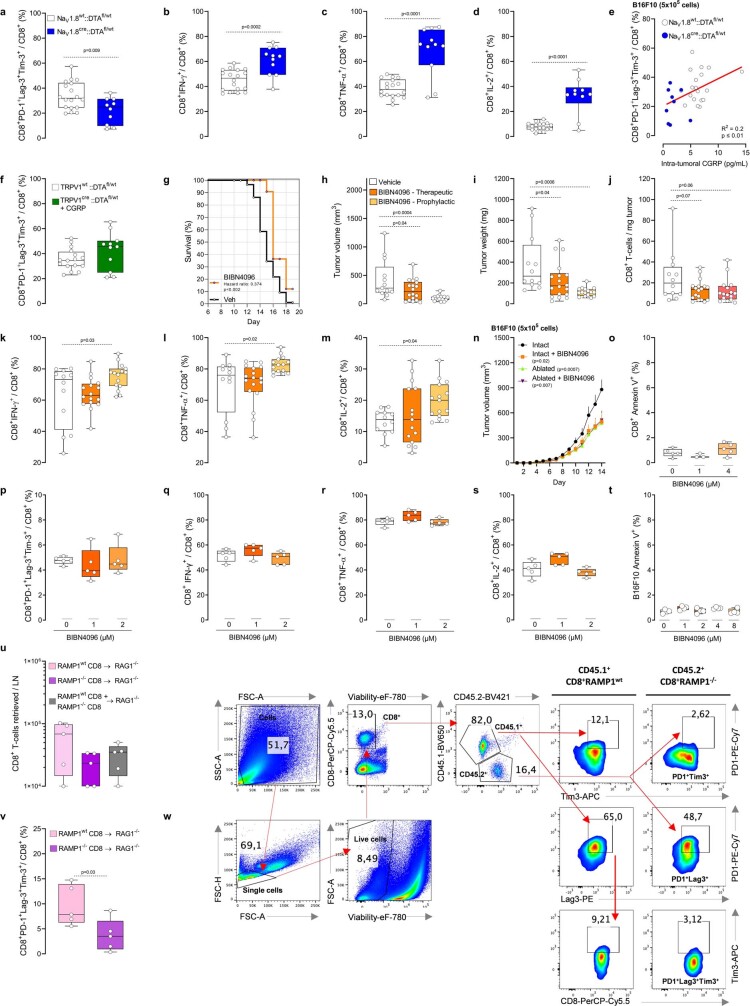
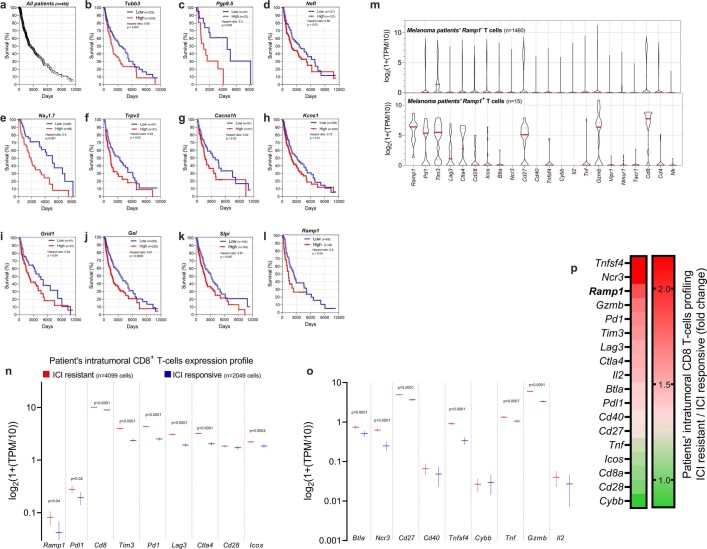
Solid tumours are innervated by nerve fibres that arise from the autonomic and sensory peripheral nervous systems. Whether the neo-innervation of tumours by pain-initiating sensory neurons affects cancer immunosurveillance remains unclear. Here we show that melanoma cells interact with nociceptor neurons, leading to increases in their neurite outgrowth, responsiveness to noxious ligands and neuropeptide release. Calcitonin gene-related peptide (CGRP)-one such nociceptor-produced neuropeptide-directly increases the exhaustion of cytotoxic CD8 T cells, which limits their capacity to eliminate melanoma. Genetic ablation of the TRPV1 lineage, local pharmacological silencing of nociceptors and antagonism of the CGRP receptor RAMP1 all reduced the exhaustion of tumour-infiltrating leukocytes and decreased the growth of tumours, nearly tripling the survival rate of mice that were inoculated with B16F10 melanoma cells. Conversely, CD8 T cell exhaustion was rescued in sensory-neuron-depleted mice that were treated with local recombinant CGRP. As compared with wild-type CD8 T cells, Ramp1 CD8 T cells were protected against exhaustion when co-transplanted into tumour-bearing Rag1-deficient mice. Single-cell RNA sequencing of biopsies from patients with melanoma revealed that intratumoral RAMP1-expressing CD8 T cells were more exhausted than their RAMP1-negative counterparts, whereas overexpression of RAMP1 correlated with a poorer clinical prognosis. Overall, our results suggest that reducing the release of CGRP from tumour-innervating nociceptors could be a strategy to improve anti-tumour immunity by eliminating the immunomodulatory effects of CGRP on cytotoxic CD8 T cells.
实体瘤由自主和感觉外周神经系统的神经纤维支配。疼痛起始感觉神经元对肿瘤的新生神经支配是否影响癌症免疫监视尚不清楚。在这里,我们发现黑色素瘤细胞与伤害感受器神经元相互作用,导致其轴突生长增加、对有害配体的反应性增加和神经肽释放增加。降钙素基因相关肽(CGRP)是一种伤害感受器产生的神经肽,它直接增加细胞毒性 CD8 T 细胞的衰竭,从而限制其消除黑色素瘤的能力。TRPV1 谱系的基因缺失、局部药理学沉默伤害感受器和 CGRP 受体 RAMP1 的拮抗作用都减少了肿瘤浸润白细胞的衰竭,并减少了肿瘤的生长,使接种 B16F10 黑色素瘤细胞的小鼠的存活率几乎增加了两倍。相反,用局部重组 CGRP 处理感觉神经元耗竭的小鼠,可挽救 CD8 T 细胞的衰竭。与野生型 CD8 T 细胞相比,Ramp1 CD8 T 细胞在共移植到携带 Rag1 缺陷的小鼠的肿瘤中时,可免受衰竭。对黑色素瘤患者活检的单细胞 RNA 测序显示,肿瘤内表达 RAMP1 的 CD8 T 细胞比其 RAMP1 阴性对应物更衰竭,而 RAMP1 的过表达与更差的临床预后相关。总的来说,我们的结果表明,减少肿瘤支配伤害感受器释放 CGRP 可能是一种通过消除 CGRP 对细胞毒性 CD8 T 细胞的免疫调节作用来改善抗肿瘤免疫的策略。