Department of Bioinformatics, The Province and Ministry Co-sponsored Collaborative Innovation Center for Medical Epigenetics, Key Laboratory of Immune Microenvironment and Disease (Ministry of Education), National Clinical Research Center for Cancer, Tianjin Medical University Cancer Institute and Hospital, Tianjin Medical University, Tianjin, China.
Department of Pharmacology, Tianjin Key Laboratory of Inflammation Biology, School of Basic Medical Sciences, Tianjin Medical University, Tianjin, China.
Nat Commun. 2023 Mar 3;14(1):1208. doi: 10.1038/s41467-023-36897-z.
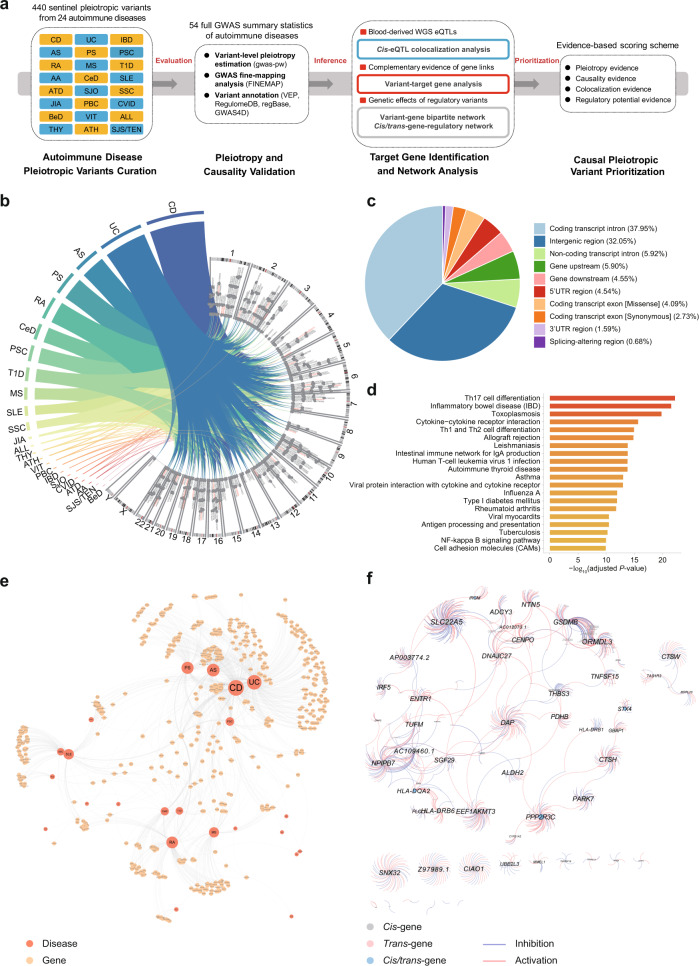
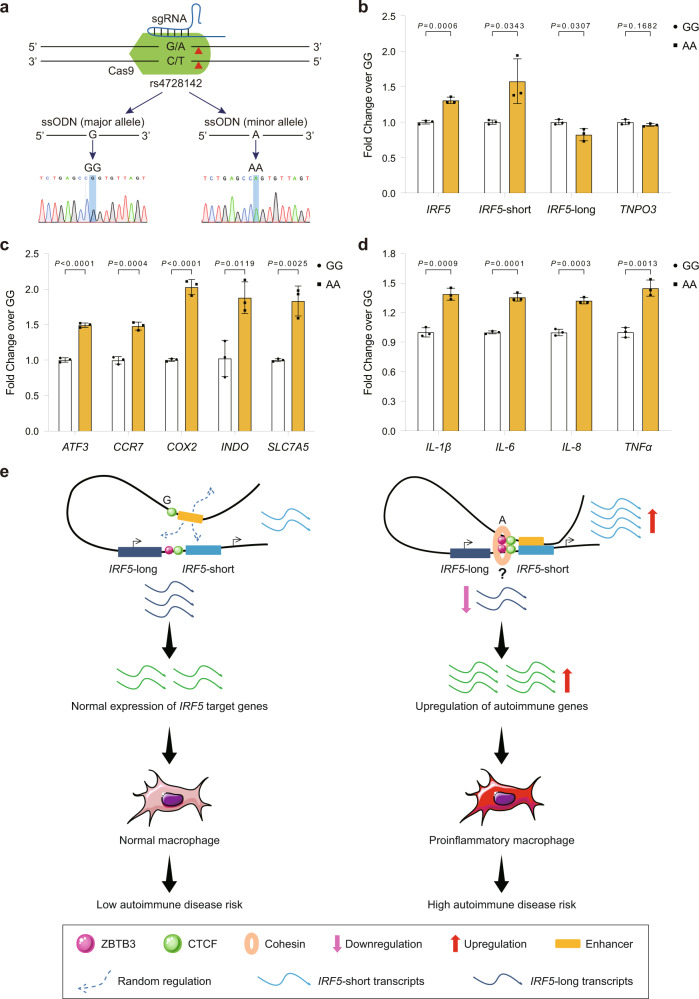
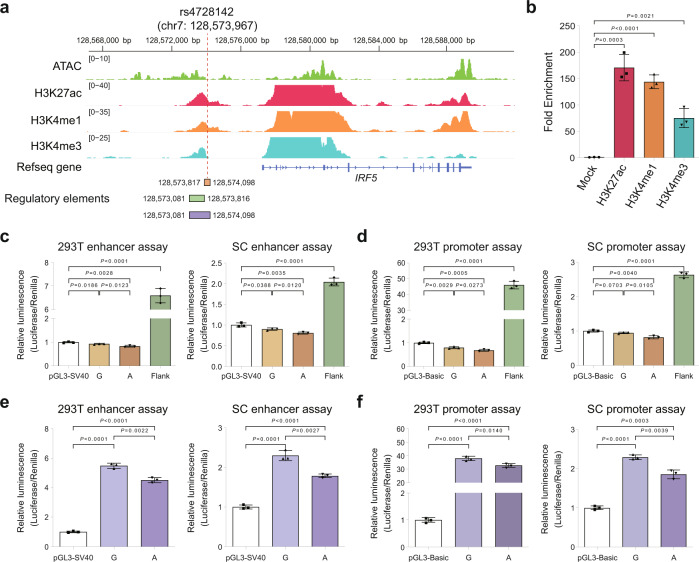
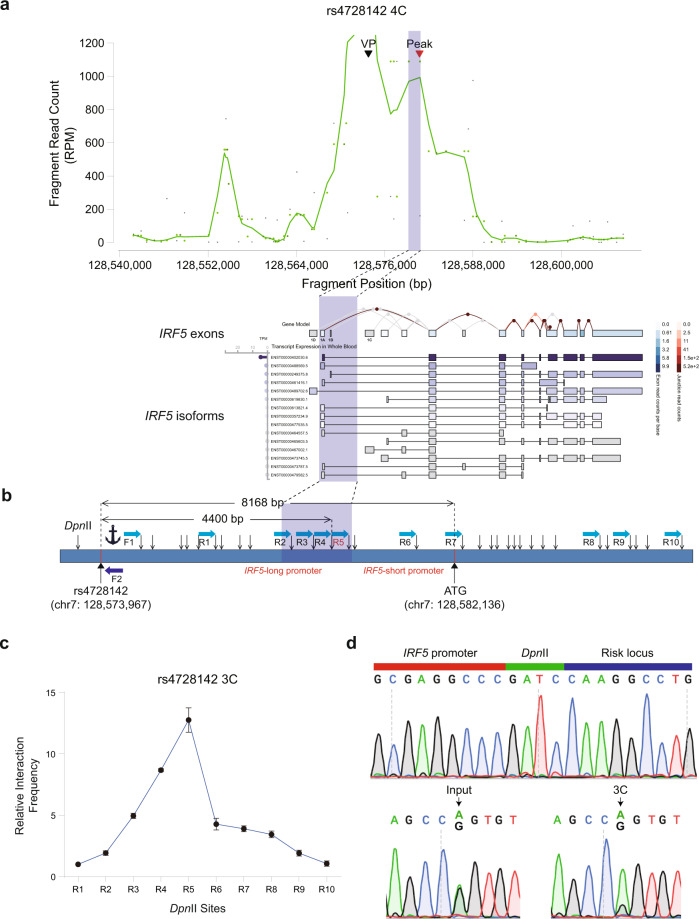
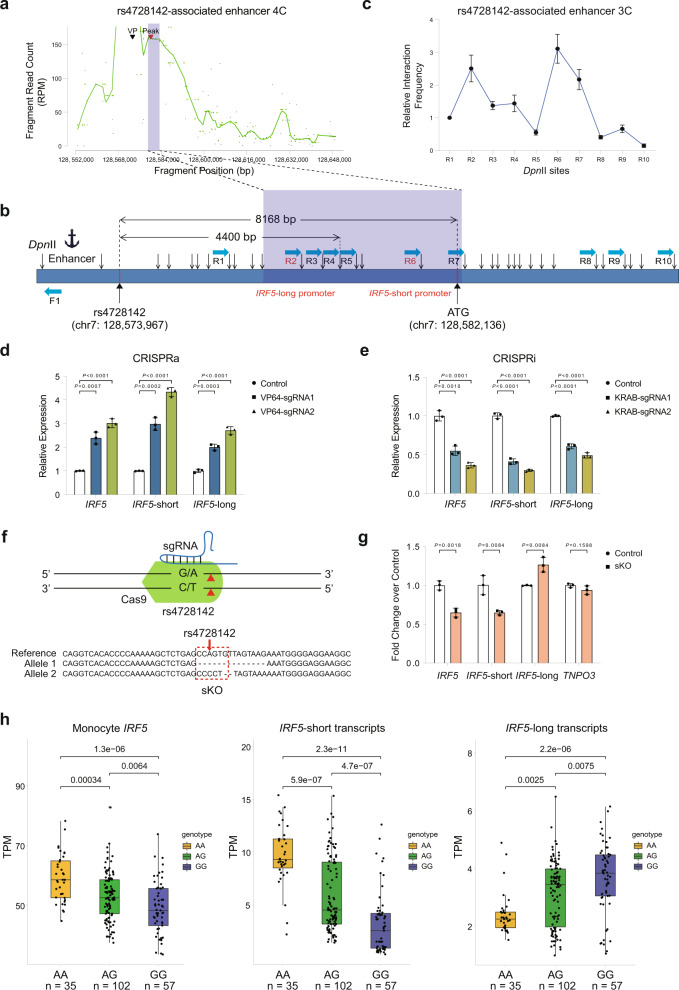
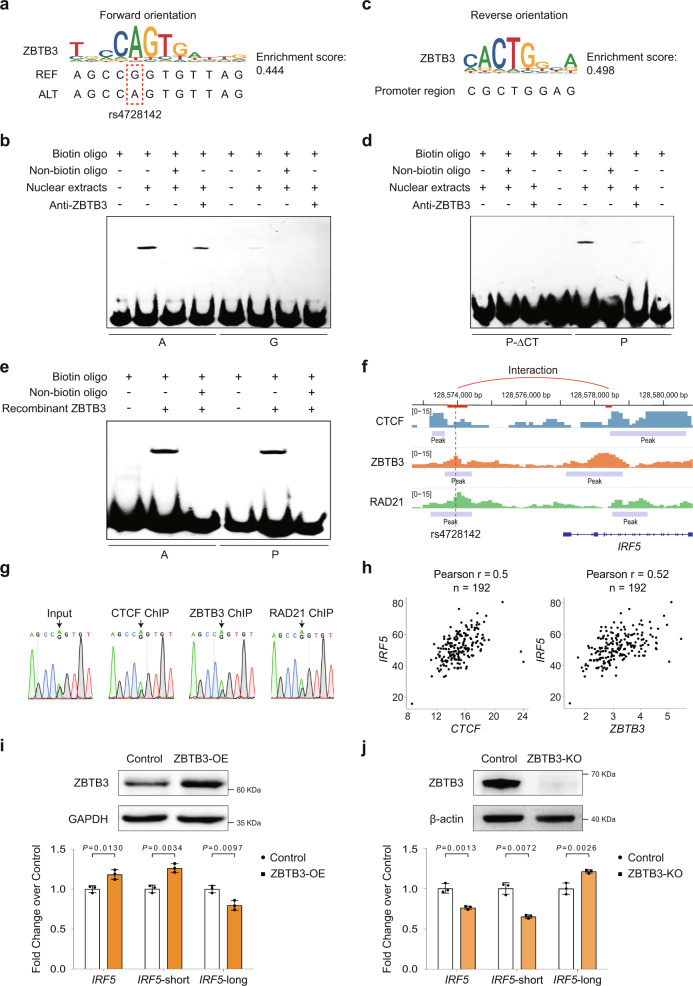
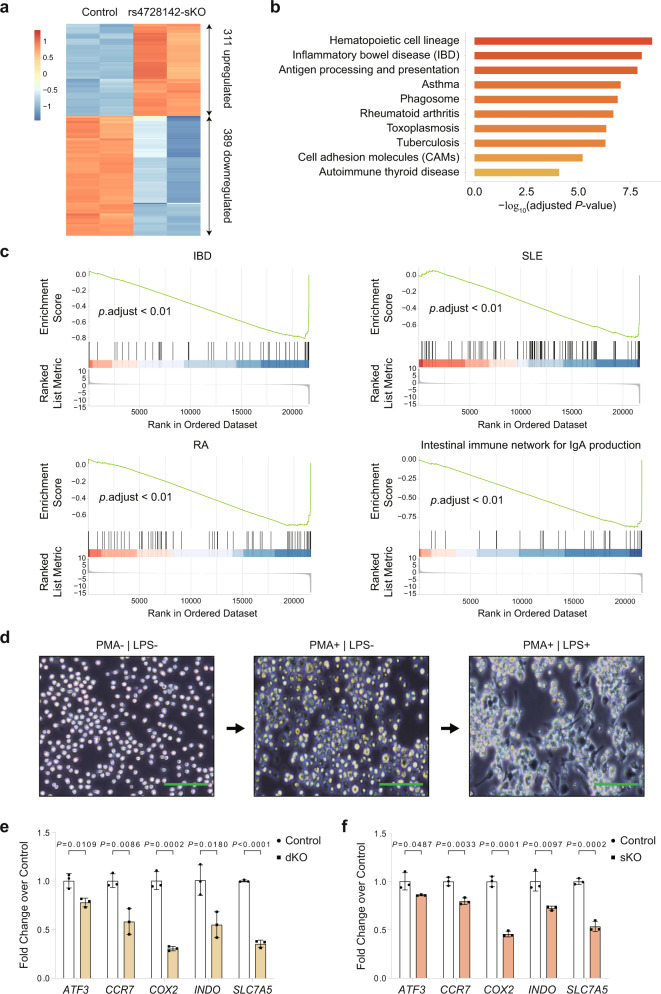
Genetic sharing is extensively observed for autoimmune diseases, but the causal variants and their underlying molecular mechanisms remain largely unknown. Through systematic investigation of autoimmune disease pleiotropic loci, we found most of these shared genetic effects are transmitted from regulatory code. We used an evidence-based strategy to functionally prioritize causal pleiotropic variants and identify their target genes. A top-ranked pleiotropic variant, rs4728142, yielded many lines of evidence as being causal. Mechanistically, the rs4728142-containing region interacts with the IRF5 alternative promoter in an allele-specific manner and orchestrates its upstream enhancer to regulate IRF5 alternative promoter usage through chromatin looping. A putative structural regulator, ZBTB3, mediates the allele-specific loop to promote IRF5-short transcript expression at the rs4728142 risk allele, resulting in IRF5 overactivation and M1 macrophage polarization. Together, our findings establish a causal mechanism between the regulatory variant and fine-scale molecular phenotype underlying the dysfunction of pleiotropic genes in human autoimmunity.
自身免疫性疾病广泛存在遗传共享现象,但因果变异及其潜在的分子机制在很大程度上仍不清楚。通过对自身免疫疾病多效性位点的系统研究,我们发现这些共享的遗传效应大多是由调控密码传递的。我们使用基于证据的策略对因果多效性变异进行功能优先级排序,并确定其靶基因。排名最高的多效性变异 rs4728142 提供了许多因果关系的证据。从机制上讲,rs4728142 包含的区域以等位基因特异性的方式与 IRF5 替代启动子相互作用,并通过染色质环化来协调其上游增强子,从而调节 IRF5 替代启动子的使用。一个假定的结构调节剂 ZBTB3 介导等位基因特异性环,以促进 rs4728142 风险等位基因上的 IRF5-短转录本表达,导致 IRF5 过度激活和 M1 巨噬细胞极化。总之,我们的研究结果建立了一个因果机制,即调控变体与人类自身免疫中多效性基因功能障碍相关的精细分子表型之间的因果关系。