Department of Anesthesiology and Perioperative Medicine, 1st Affiliated Hospital with Nanjing Medical University, No. 300 Guangzhou Road, 210029, Nanjing, Jiangsu, China.
Department of Anesthesiology, Nanjing Qixia District Hospital, 210046, Nanjing, China.
BMC Geriatr. 2023 Mar 6;23(1):123. doi: 10.1186/s12877-023-03804-6.
Postoperative cognitive dysfunction (POCD) is common after surgery and anesthesia, particularly in older patients. It has been reported that regional cerebral oxygen saturation (rSO) monitoring potentially influences the occurrence of POCD. However, its role in the prevention of POCD remains controversial in older patients. Additionally, the quality of evidence on this topic is still relatively poor.
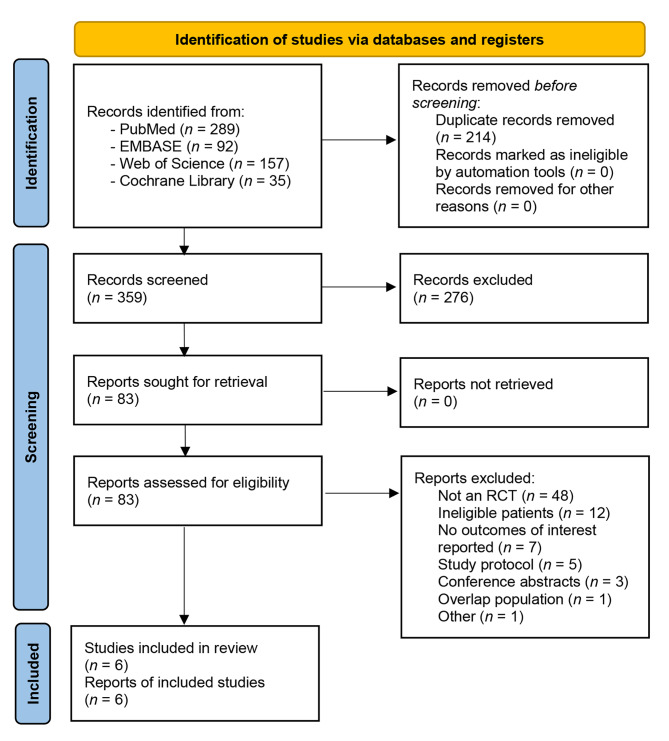
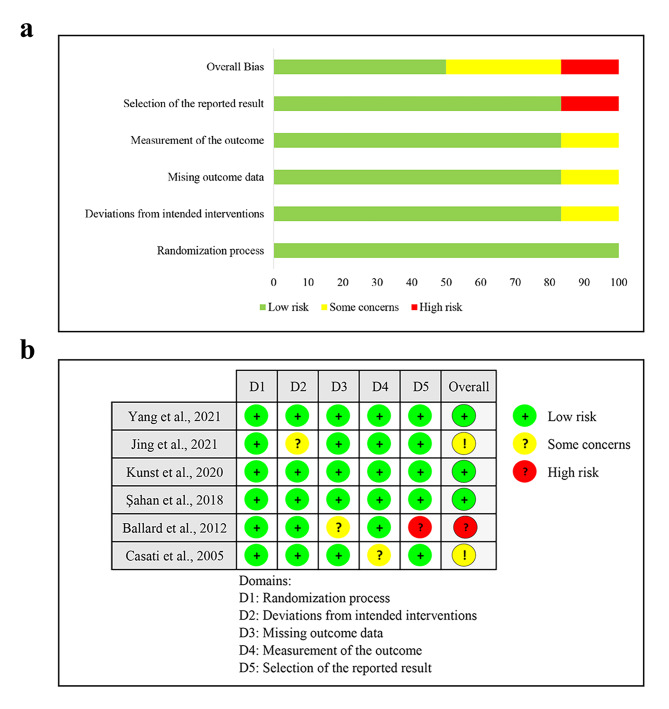
The electronic databases PubMed, EMBASE, Web of Science, and Cochrane Library were systematically searched using the indicated keywords from their inception to June 10, 2022. We limited our meta-analysis to randomized controlled trials (RCTs) that assessed the effects of rSO monitoring on POCD in older patients. Methodological quality and risk of bias were assessed. The primary outcome was the incidence of POCD during hospitalization. The secondary outcomes were postoperative complications and the length of hospital stay (LOS). Odds ratios (OR) and 95% confidence intervals (CI) were calculated to determine the incidence of POCD and postoperative complications. The standardized mean difference (SMD) instead of the raw mean difference and 95% CI were calculated for LOS.
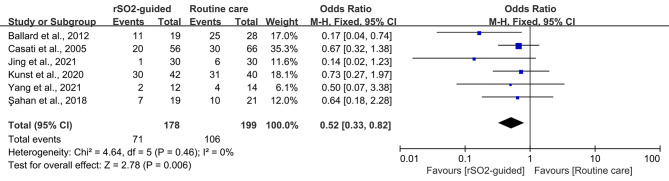
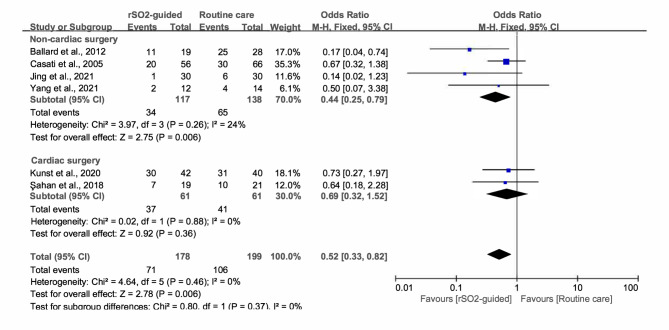
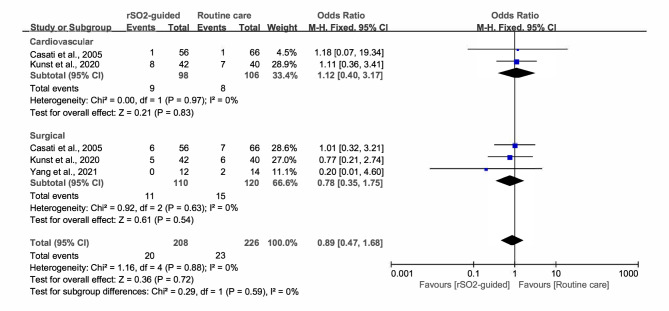
Six RCTs, involving 377 older patients, were included in this meta-analysis. The incidence of POCD ranges from 17 to 89%, with an overall prevalence of 47% in our pooled analysis. Our results demonstrated that rSO-guided intervention could reduce the incidence of POCD in older patients undergoing non-cardiac surgery (OR, 0.44; 95% CI, 0.25 to 0.79; P = 0.006) rather than cardiac surgery (OR, 0.69; 95% CI, 0.32 to 1.52; P = 0.36). Intraoperative rSO monitoring was also associated with a significantly shorter LOS in older patients undergoing non-cardiac surgery (SMD, -0.93; 95% CI, -1.75 to -0.11; P = 0.03). Neither the incidence of postoperative cardiovascular (OR, 1.12; 95% CI, 0.40 to 3.17; P = 0.83) nor surgical (OR, 0.78; 95% CI, 0.35 to 1.75; P = 0.54) complications were affected by the use of rSO monitoring.
The use of rSO monitoring is associated with a lower risk of POCD and a shorter LOS in older patients undergoing non-cardiac surgery. This may have the potential to prevent POCD in high-risk populations. Further large RCTs are still warranted to support these preliminary findings.
术后认知功能障碍(POCD)是手术后和麻醉后的常见并发症,尤其是在老年患者中。有报道称,区域性脑氧饱和度(rSO)监测可能会影响 POCD 的发生。然而,其在预防老年患者 POCD 中的作用仍存在争议。此外,关于这个主题的证据质量仍然相对较差。
我们系统地检索了 PubMed、EMBASE、Web of Science 和 Cochrane Library 等电子数据库,使用了从数据库建立到 2022 年 6 月 10 日的关键词。我们的荟萃分析仅限于评估 rSO 监测对老年患者 POCD 影响的随机对照试验(RCT)。我们评估了方法学质量和偏倚风险。主要结局是住院期间 POCD 的发生率。次要结局是术后并发症和住院时间(LOS)。我们计算了比值比(OR)和 95%置信区间(CI)来确定 POCD 和术后并发症的发生率。我们计算了 LOS 的标准化均数差(SMD)而不是原始均数差和 95%CI。
本荟萃分析纳入了 6 项 RCT,涉及 377 名老年患者。我们的汇总分析中 POCD 的发生率为 17%至 89%,总体患病率为 47%。我们的结果表明,rSO 指导干预可以降低非心脏手术老年患者 POCD 的发生率(OR,0.44;95%CI,0.25 至 0.79;P=0.006),而不是心脏手术(OR,0.69;95%CI,0.32 至 1.52;P=0.36)。术中 rSO 监测也与非心脏手术老年患者 LOS 明显缩短相关(SMD,-0.93;95%CI,-1.75 至-0.11;P=0.03)。rSO 监测既不影响术后心血管(OR,1.12;95%CI,0.40 至 3.17;P=0.83)也不影响手术(OR,0.78;95%CI,0.35 至 1.75;P=0.54)并发症的发生率。
在接受非心脏手术的老年患者中,使用 rSO 监测与 POCD 风险降低和 LOS 缩短相关。这可能有潜力预防高危人群的 POCD。仍需要进一步的大型 RCT 来支持这些初步发现。