NSF Science and Technology Center for Engineering Mechanobiology, Washington University, St. Louis, MO, USA; Department of Mechanical Engineering and Materials Science, Washington University, St. Louis, MO, USA.
NSF Science and Technology Center for Engineering Mechanobiology, Washington University, St. Louis, MO, USA; Department of Mechanical Engineering and Materials Science, Washington University, St. Louis, MO, USA.
Adv Drug Deliv Rev. 2023 May;196:114771. doi: 10.1016/j.addr.2023.114771. Epub 2023 Mar 6.
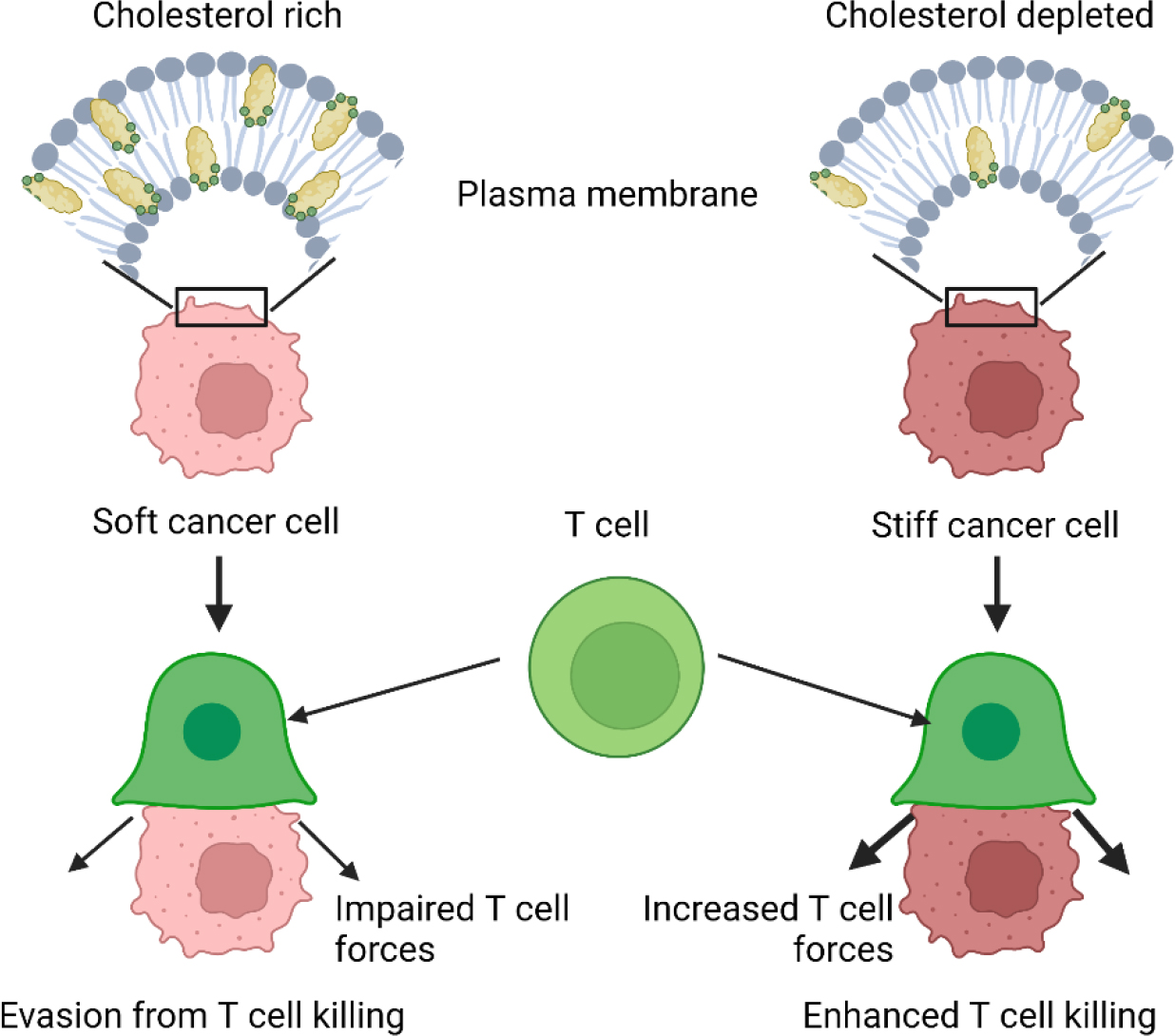
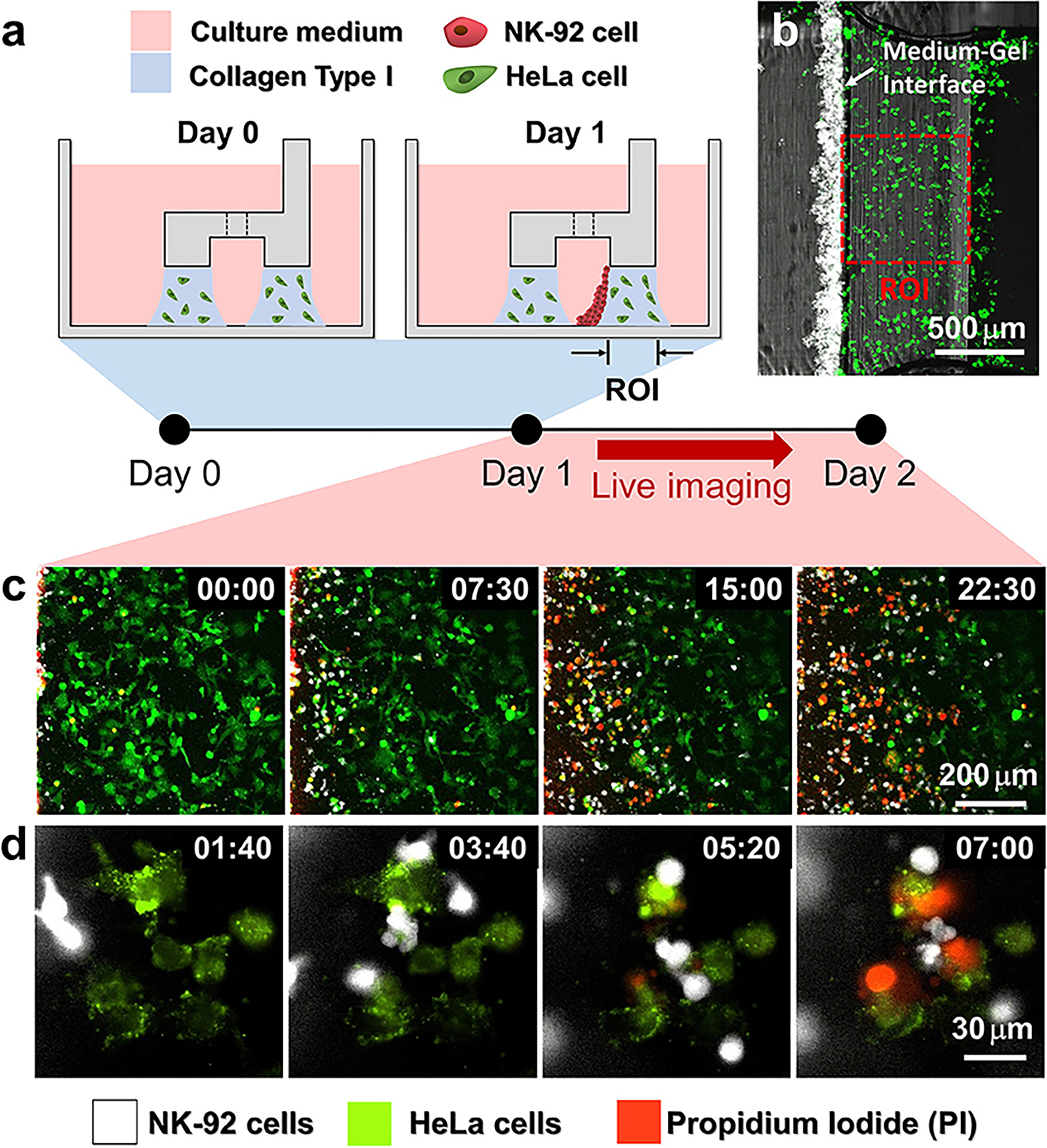
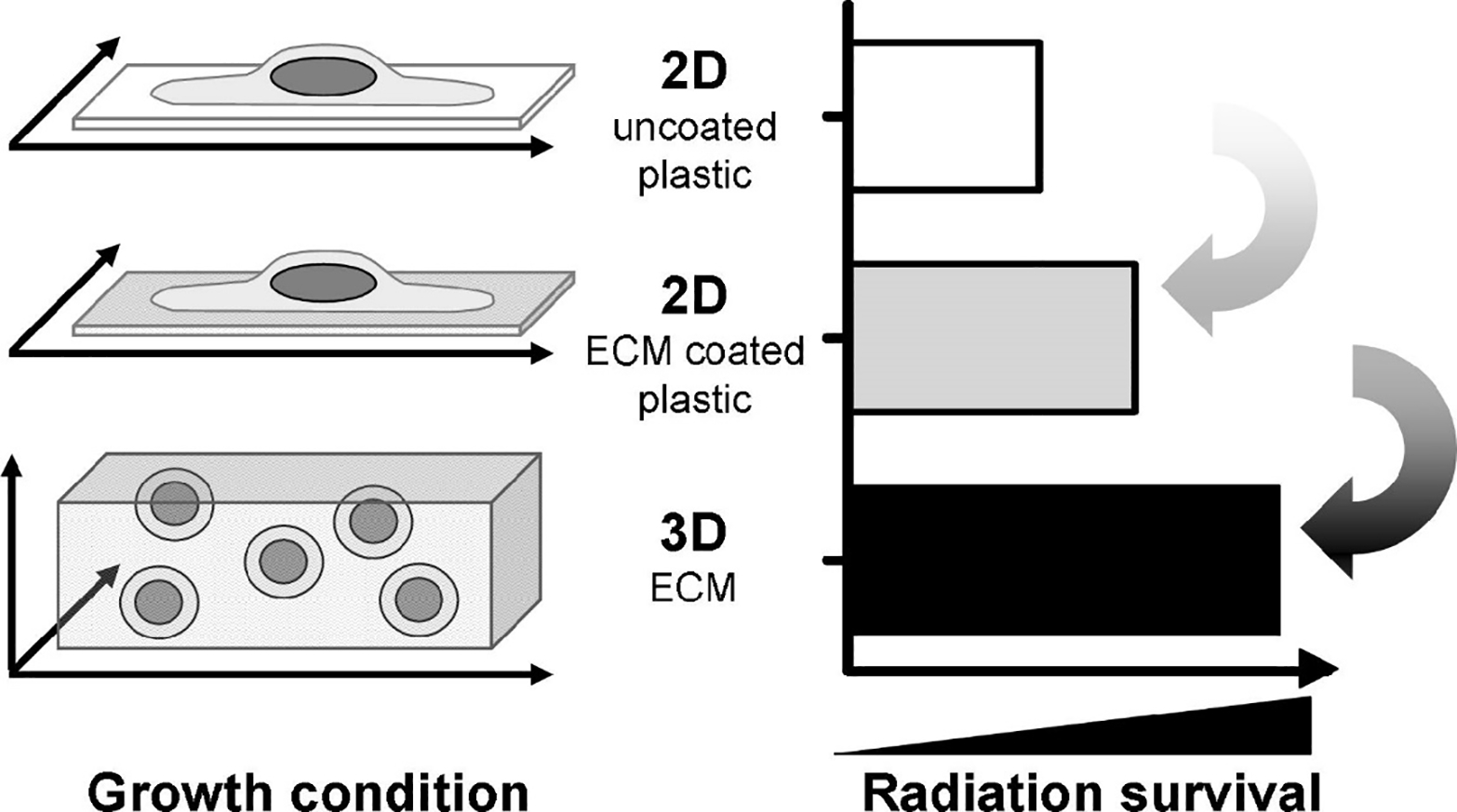
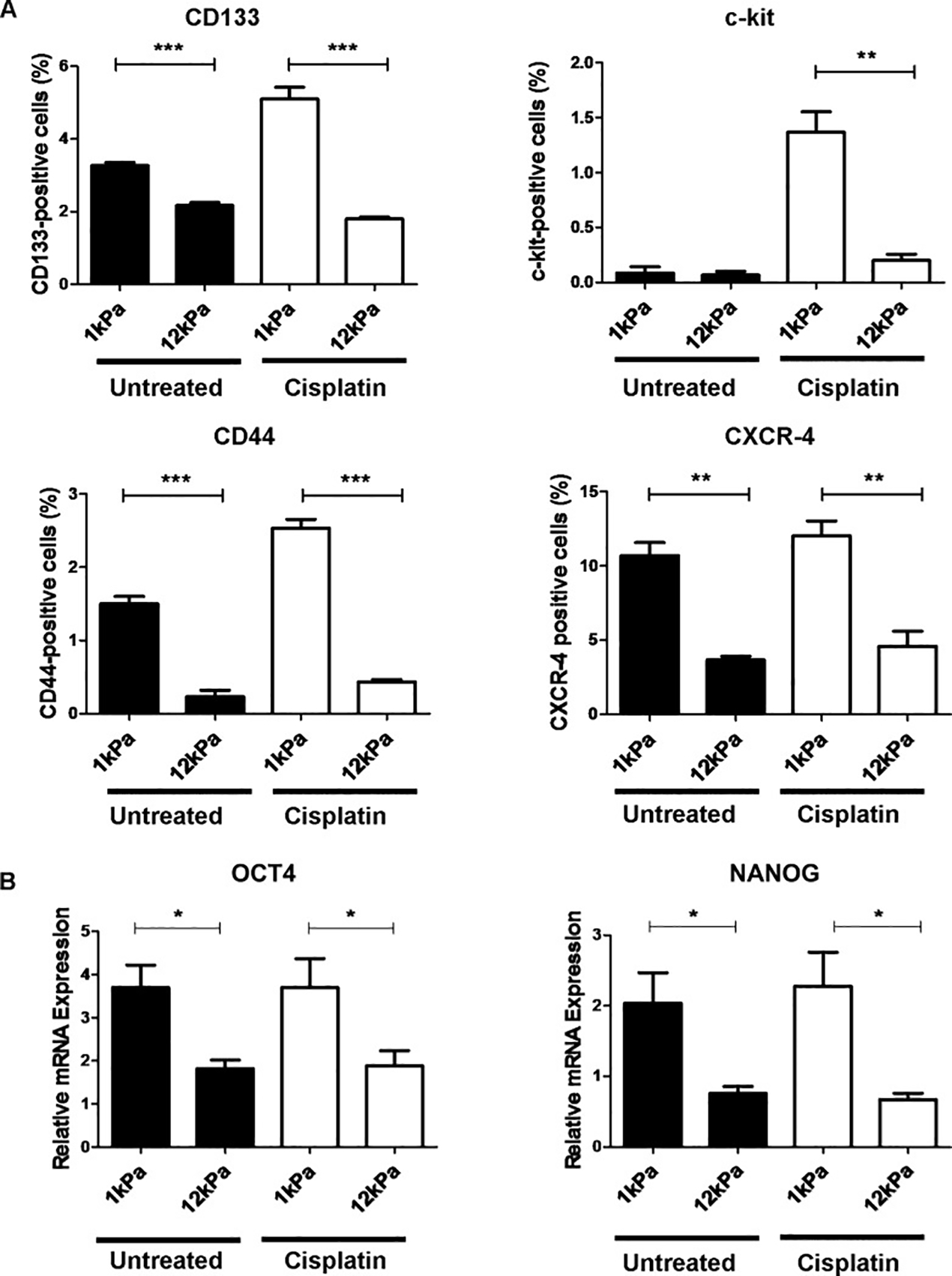
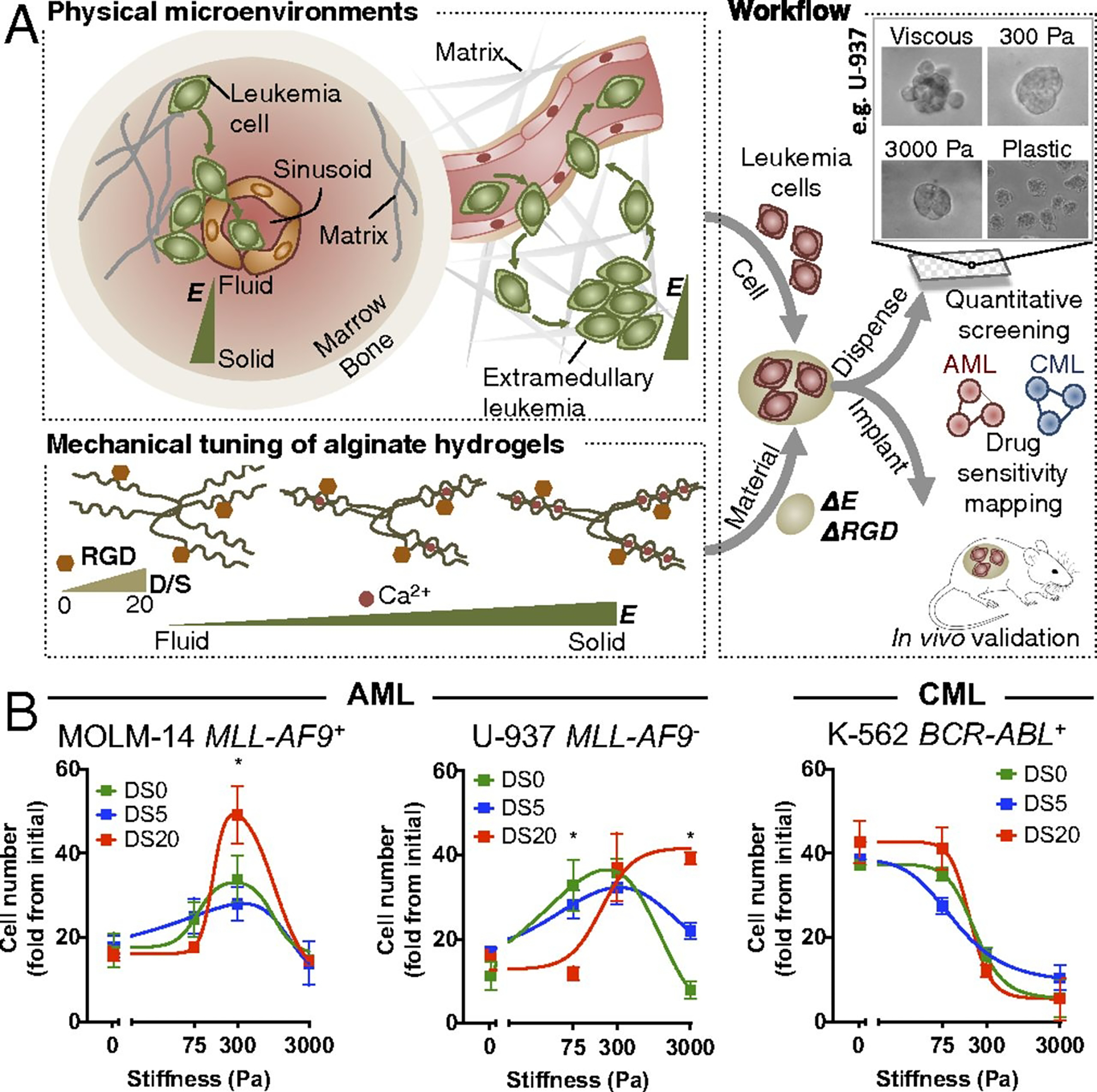
Mechanical forces are central to how cancer treatments such as chemotherapeutics and immunotherapies interact with cells and tissues. At the simplest level, electrostatic forces underlie the binding events that are critical to therapeutic function. However, a growing body of literature points to mechanical factors that also affect whether a drug or an immune cell can reach a target, and to interactions between a cell and its environment affecting therapeutic efficacy. These factors affect cell processes ranging from cytoskeletal and extracellular matrix remodeling to transduction of signals by the nucleus to metastasis of cells. This review presents and critiques the state of the art of our understanding of how mechanobiology impacts drug and immunotherapy resistance and responsiveness, and of the in vitro systems that have been of value in the discovery of these effects.
机械力是癌症治疗(如化疗和免疫疗法)与细胞和组织相互作用的核心。在最简单的层面上,静电相互作用是治疗功能的关键结合事件的基础。然而,越来越多的文献指出,机械因素也会影响药物或免疫细胞是否能够到达靶标,以及细胞与其环境之间的相互作用如何影响治疗效果。这些因素影响细胞过程,从细胞骨架和细胞外基质的重塑到细胞核信号的转导,再到细胞的转移。这篇综述介绍并评价了我们对机械生物学如何影响药物和免疫疗法的耐药性和响应性的理解的最新进展,以及在发现这些影响方面有价值的体外系统。