Rundblad Amanda, Christensen Jacob J, Hustad Kristin S, Bastani Nasser E, Ottestad Inger, Holven Kirsten B, Ulven Stine M
Department of Nutrition, Institute of Basic Medical Sciences, University of Oslo, P.O. Box 1046 Blindern, 0317, Oslo, Norway.
National Advisory Unit on Familial Hypercholesterolemia, Department of Endocrinology, Morbid Obesity and Preventive Medicine, Oslo University Hospital, Oslo, Norway.
Genes Nutr. 2023 Mar 10;18(1):3. doi: 10.1186/s12263-023-00721-6.
Metabotyping is a novel concept to group metabolically similar individuals. Different metabotypes may respond differently to dietary interventions; hence, metabotyping may become an important future tool in precision nutrition strategies. However, it is not known if metabotyping based on comprehensive omic data provides more useful identification of metabotypes compared to metabotyping based on only a few clinically relevant metabolites.
This study aimed to investigate if associations between habitual dietary intake and glucose tolerance depend on metabotypes identified from standard clinical variables or comprehensive nuclear magnetic resonance (NMR) metabolomics.
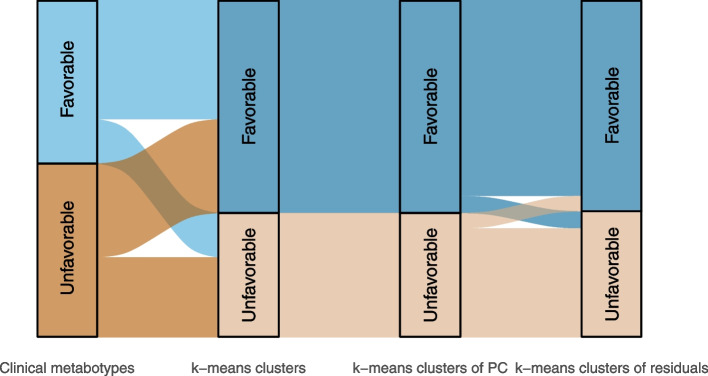
We used cross-sectional data from participants recruited through advertisements aimed at people at risk of type 2 diabetes mellitus (n = 203). Glucose tolerance was assessed with a 2-h oral glucose tolerance test (OGTT), and habitual dietary intake was recorded with a food frequency questionnaire. Lipoprotein subclasses and various metabolites were quantified with NMR spectroscopy, and plasma carotenoids were quantified using high-performance liquid chromatography. We divided participants into favorable and unfavorable clinical metabotypes based on established cutoffs for HbA1c and fasting and 2-h OGTT glucose. Favorable and unfavorable NMR metabotypes were created using k-means clustering of NMR metabolites.
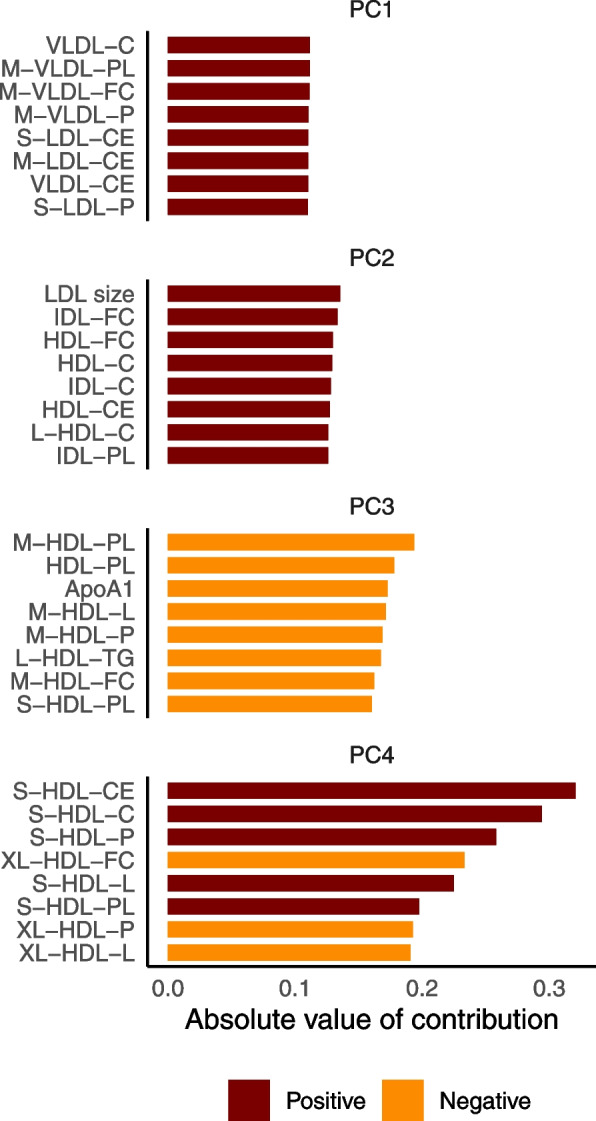
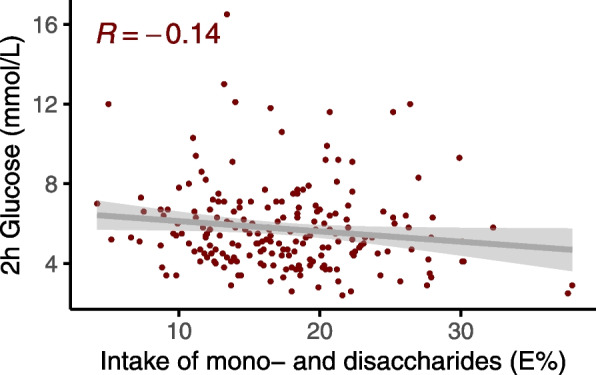
While the clinical metabotypes were separated by glycemic variables, the NMR metabotypes were mainly separated by variables related to lipoproteins. A high intake of vegetables was associated with a better glucose tolerance in the unfavorable, but not the favorable clinical metabotype (interaction, p = 0.01). This interaction was confirmed using plasma concentrations of lutein and zeaxanthin, objective biomarkers of vegetable intake. Although non-significantly, the association between glucose tolerance and fiber intake depended on the clinical metabotypes, while the association between glucose tolerance and intake of saturated fatty acids and dietary fat sources depended on the NMR metabotypes.
Metabotyping may be a useful tool to tailor dietary interventions that will benefit specific groups of individuals. The variables that are used to create metabotypes will affect the association between dietary intake and disease risk.
代谢分型是一种将代谢特征相似的个体进行分组的新概念。不同的代谢型对饮食干预的反应可能不同;因此,代谢分型可能成为精准营养策略中未来的一项重要工具。然而,与仅基于少数临床相关代谢物的代谢分型相比,基于全面组学数据的代谢分型是否能提供更有用的代谢型识别尚不清楚。
本研究旨在调查习惯性饮食摄入量与葡萄糖耐量之间的关联是否取决于从标准临床变量或综合核磁共振(NMR)代谢组学中识别出的代谢型。
我们使用了通过针对2型糖尿病风险人群的广告招募的参与者的横断面数据(n = 203)。通过2小时口服葡萄糖耐量试验(OGTT)评估葡萄糖耐量,并用食物频率问卷记录习惯性饮食摄入量。用核磁共振波谱法定量脂蛋白亚类和各种代谢物,用高效液相色谱法定量血浆类胡萝卜素。根据既定的糖化血红蛋白(HbA1c)、空腹和2小时OGTT血糖临界值,将参与者分为有利和不利的临床代谢型。使用NMR代谢物的k均值聚类创建有利和不利的NMR代谢型。
虽然临床代谢型由血糖变量区分,但NMR代谢型主要由与脂蛋白相关的变量区分。蔬菜摄入量高与不利临床代谢型(而非有利临床代谢型)的葡萄糖耐量较好相关(交互作用,p = 0.01)。使用叶黄素和玉米黄质的血浆浓度(蔬菜摄入量的客观生物标志物)证实了这种交互作用。虽然不显著,但葡萄糖耐量与纤维摄入量之间的关联取决于临床代谢型,而葡萄糖耐量与饱和脂肪酸摄入量和膳食脂肪来源之间的关联取决于NMR代谢型。
代谢分型可能是一种有用的工具,可用于制定能使特定个体群体受益的饮食干预措施。用于创建代谢型的变量将影响饮食摄入量与疾病风险之间的关联。