Jinteng Li, Peitao Xu, Wenhui Yu, Guiwen Ye, Feng Ye, Xiaojun Xu, Zepeng Su, Jiajie Lin, Yunshu Che, Zhaoqiang Zhang, Yipeng Zeng, Zhikun Li, Pei Feng, Qian Cao, Dateng Li, Zhongyu Xie, Yanfeng Wu, Huiyong Shen
Department of Orthopedics, The Eighth Affiliated Hospital of Sun Yat-sen University, Shenzhen 518003, P.R. China.
Center for Biotherapy, The Eighth Affiliated Hospital of Sun Yat-sen University, Shenzhen 518003, P.R. China.
Mol Ther Nucleic Acids. 2023 Feb 16;31:568-585. doi: 10.1016/j.omtn.2023.02.014. eCollection 2023 Mar 14.
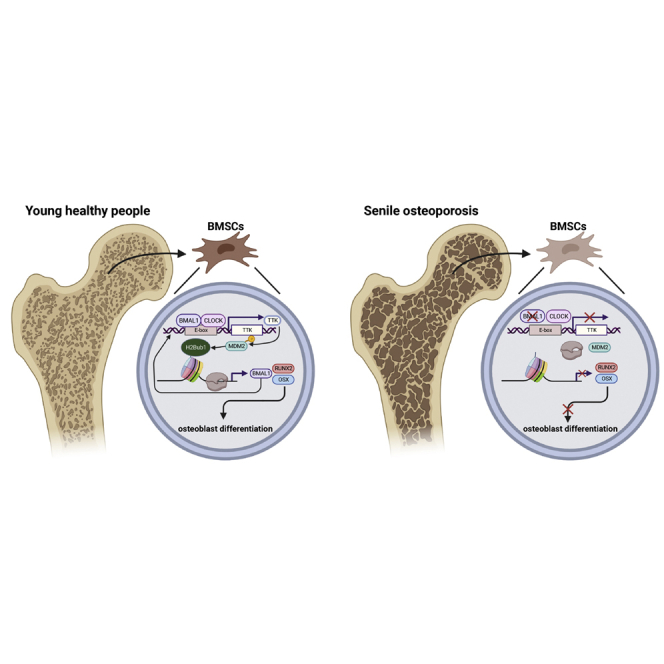
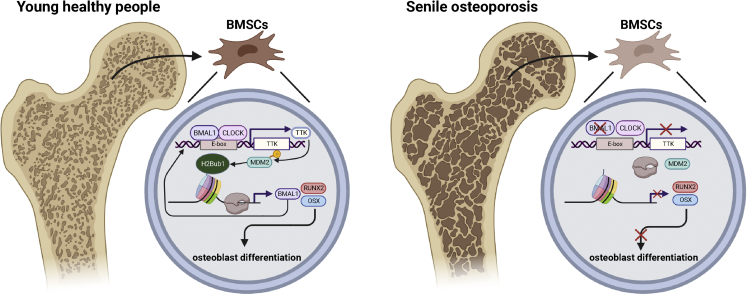
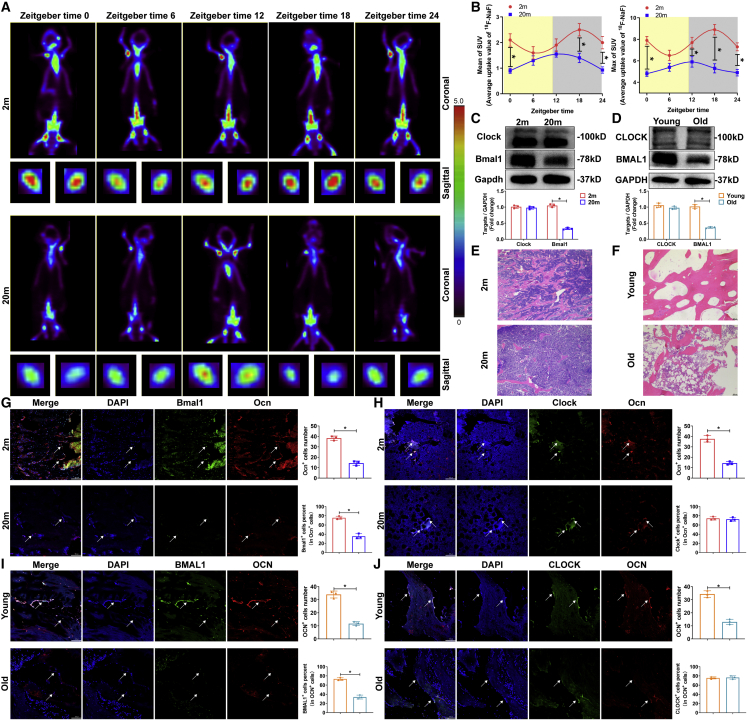
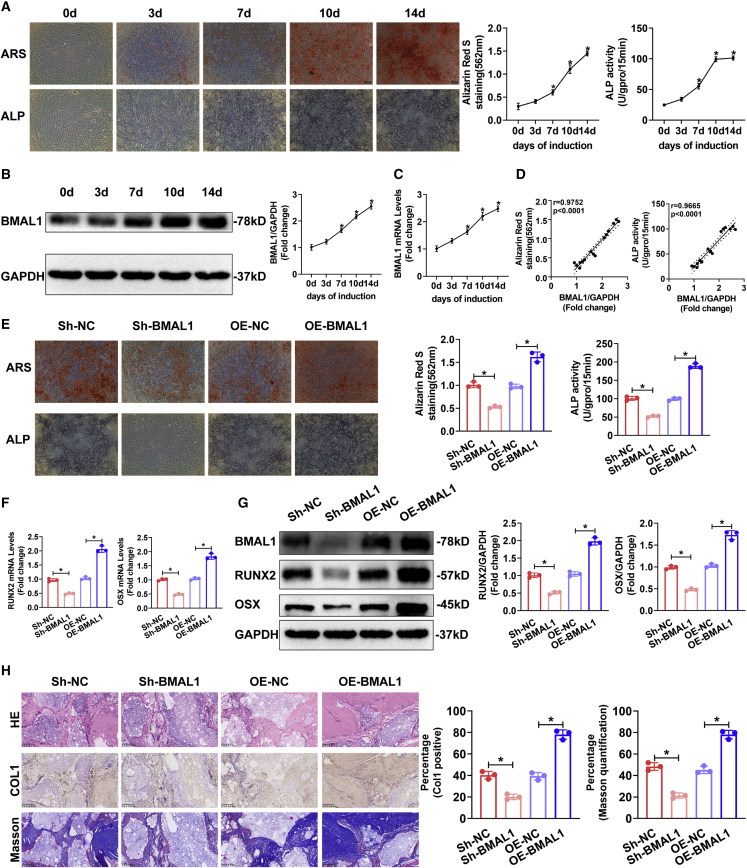
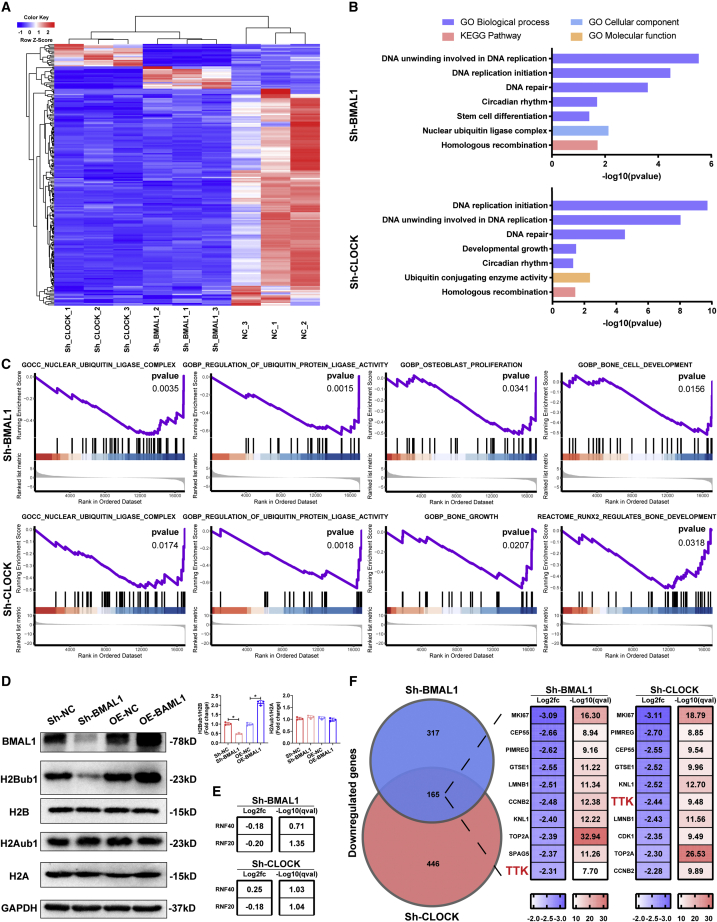
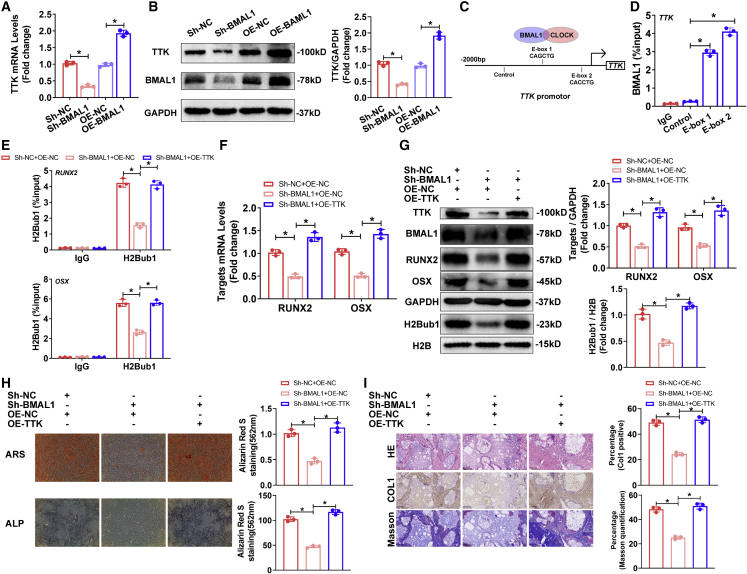
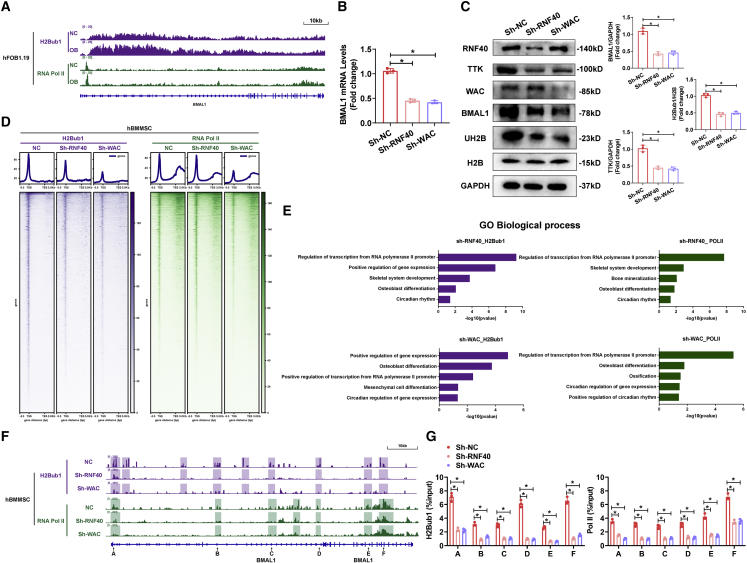
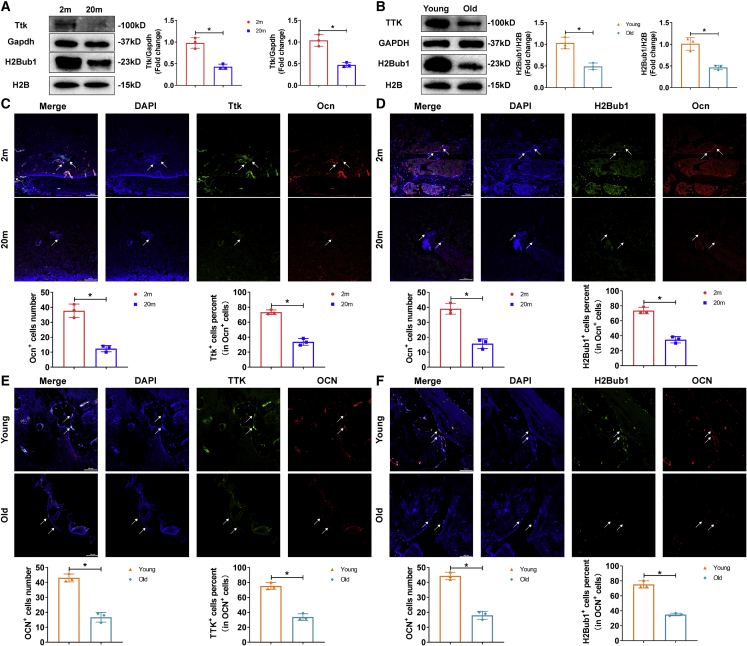
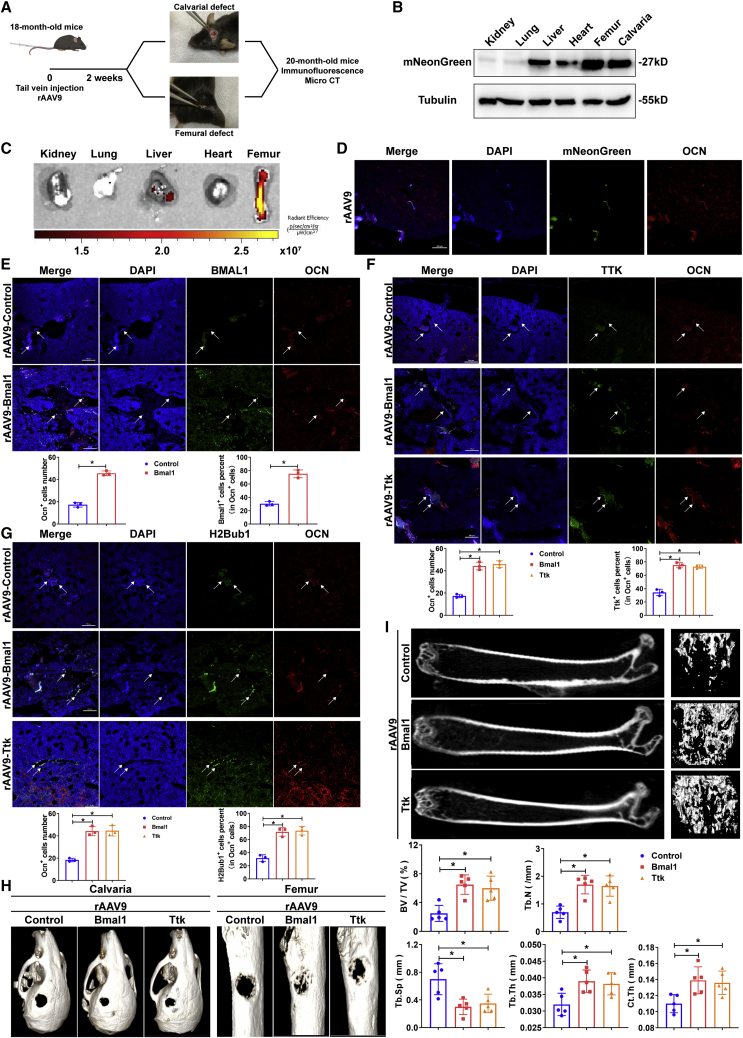
During the aging process, the reduced osteogenic differentiation of bone marrow mesenchymal stem cells (BM-MSCs) results in decreased bone formation, which contributes to senile osteoporosis. Previous studies have confirmed that interrupted circadian rhythm plays an indispensable role in age-related disease. However, the mechanism underlying the impaired osteogenic differentiation of BM-MSCs during aging and its relationship with interrupted circadian rhythm remains unclear. In this study, we confirmed that the circadian rhythm was interrupted in aging mouse skeletal systems. The level of the core rhythm component BMAL1 but not that of CLOCK in the osteoblast lineage was decreased in senile osteoporotic specimens from both human and mouse. BMAL1 targeted TTK as a circadian-controlled gene to phosphorylate MDM2 and regulate H2Bub1 level, while H2Bub1 in turn regulated the expression of BMAL1. The osteogenic capacity of BM-MSCs was maintained by a positive loop formed by BMAL1-TTK-MDM2-H2Bub1. Furthermore, we demonstrated that using bone-targeting recombinant adeno-associated virus 9 (rAAV9) to enhance Bmal1 or Ttk might have a therapeutic effect on senile osteoporosis and delays bone repair in aging mice. In summary, our study indicated that targeting the BMAL1-TTK-MDM2-H2Bub1 axis via bone-targeting rAAV9 might be a promising strategy for the treatment of senile osteoporosis.
在衰老过程中,骨髓间充质干细胞(BM-MSCs)成骨分化能力下降导致骨形成减少,这是老年性骨质疏松症的成因之一。以往研究证实,昼夜节律紊乱在与年龄相关的疾病中起不可或缺的作用。然而,衰老过程中BM-MSCs成骨分化受损的机制及其与昼夜节律紊乱的关系仍不清楚。在本研究中,我们证实衰老小鼠骨骼系统中的昼夜节律被打乱。在人和小鼠的老年性骨质疏松标本中,成骨细胞谱系中核心节律成分BMAL1的水平降低,而CLOCK的水平未降低。BMAL1将TTK作为昼夜节律控制基因,使其磷酸化MDM2并调节H2Bub1水平,而H2Bub1反过来调节BMAL1的表达。BM-MSCs的成骨能力通过BMAL1-TTK-MDM2-H2Bub1形成的正反馈回路得以维持。此外,我们证明使用骨靶向重组腺相关病毒9(rAAV9)增强Bmal1或Ttk可能对老年性骨质疏松症有治疗作用,并可延缓衰老小鼠的骨修复。总之,我们的研究表明,通过骨靶向rAAV9靶向BMAL1-TTK-MDM2-H2Bub1轴可能是治疗老年性骨质疏松症的一种有前景的策略。