Department of Pediatrics, Feinberg School of Medicine, Northwestern University, Chicago, Illinois, USA; Stanley Manne Children's Research Institute of the Ann & Robert H. Lurie Children's Hospital of Chicago, Chicago, Illinois, USA.
Department of Pediatrics, Feinberg School of Medicine, Northwestern University, Chicago, Illinois, USA; Stanley Manne Children's Research Institute of the Ann & Robert H. Lurie Children's Hospital of Chicago, Chicago, Illinois, USA.
J Biol Chem. 2023 May;299(5):104624. doi: 10.1016/j.jbc.2023.104624. Epub 2023 Mar 18.
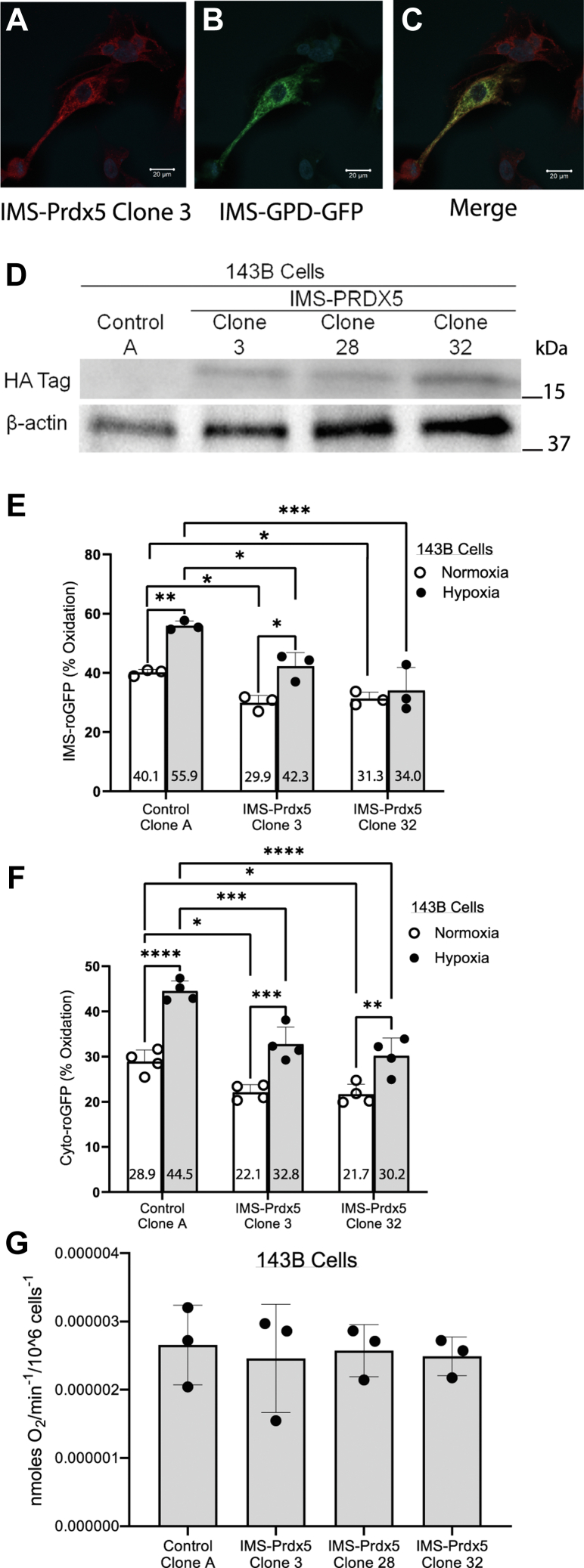
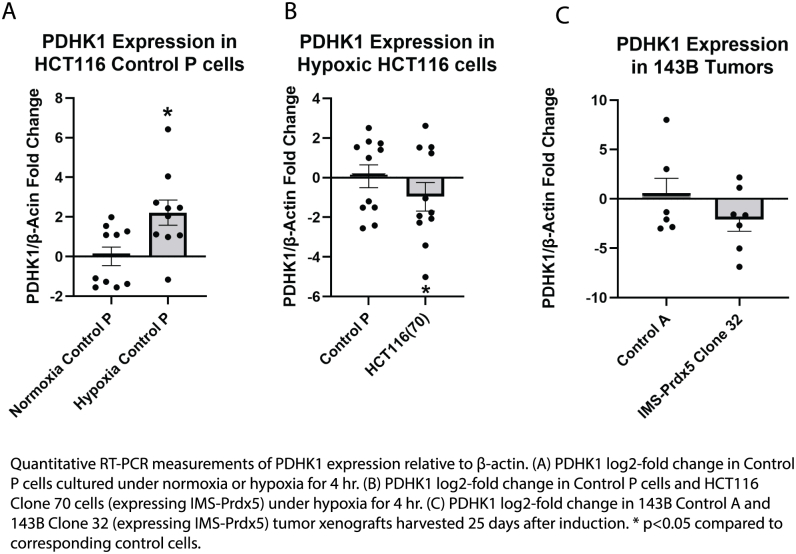
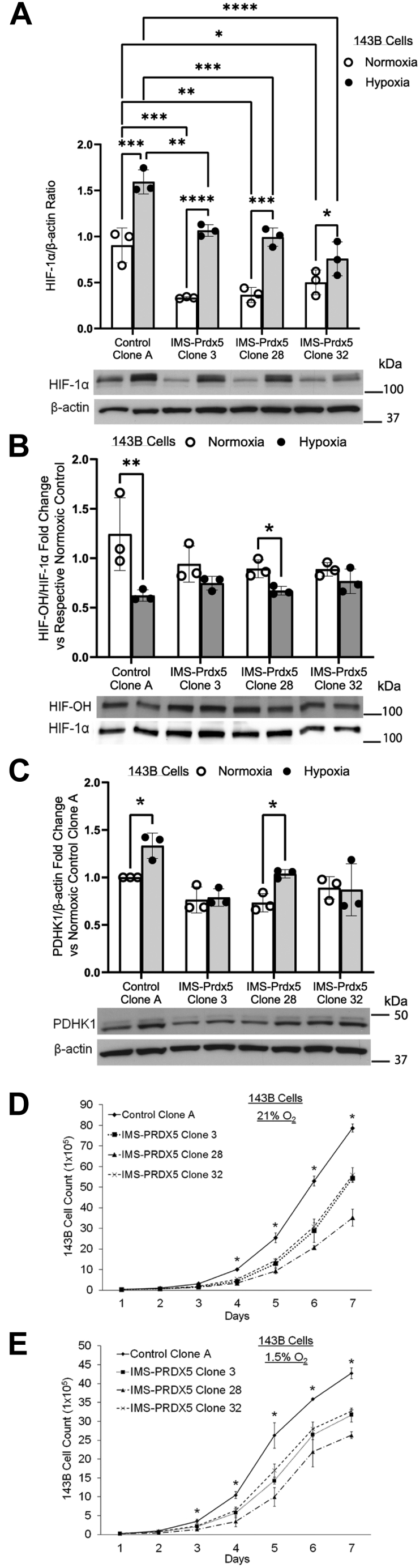
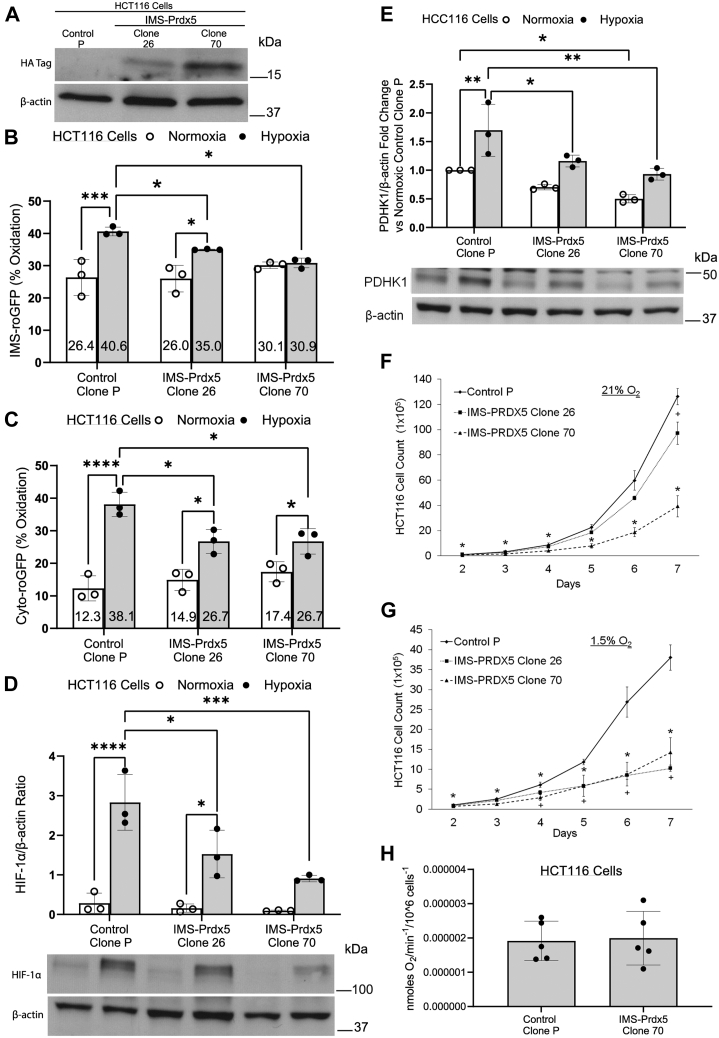
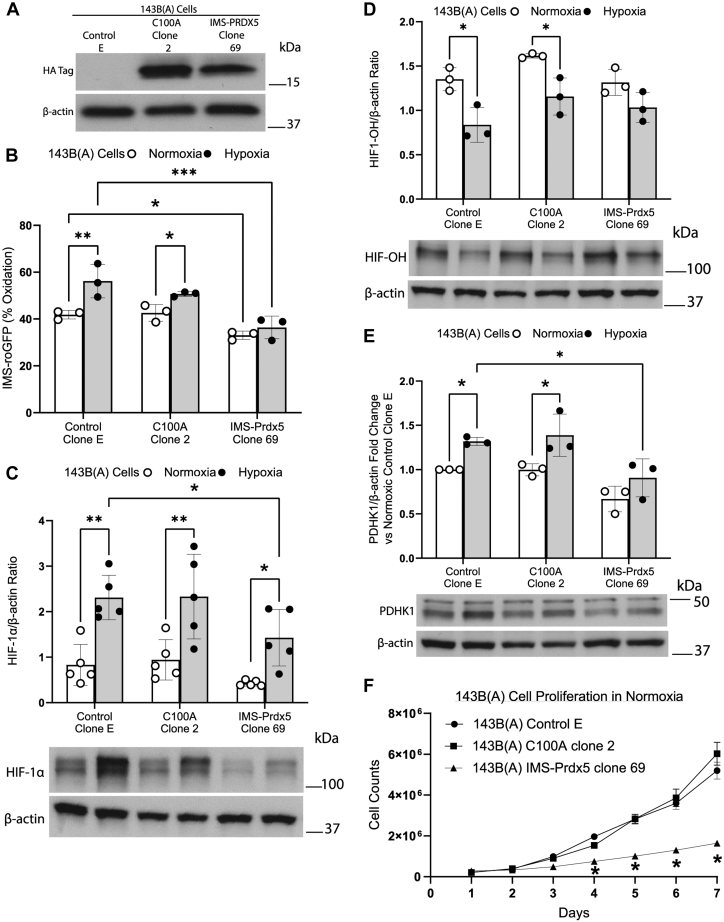
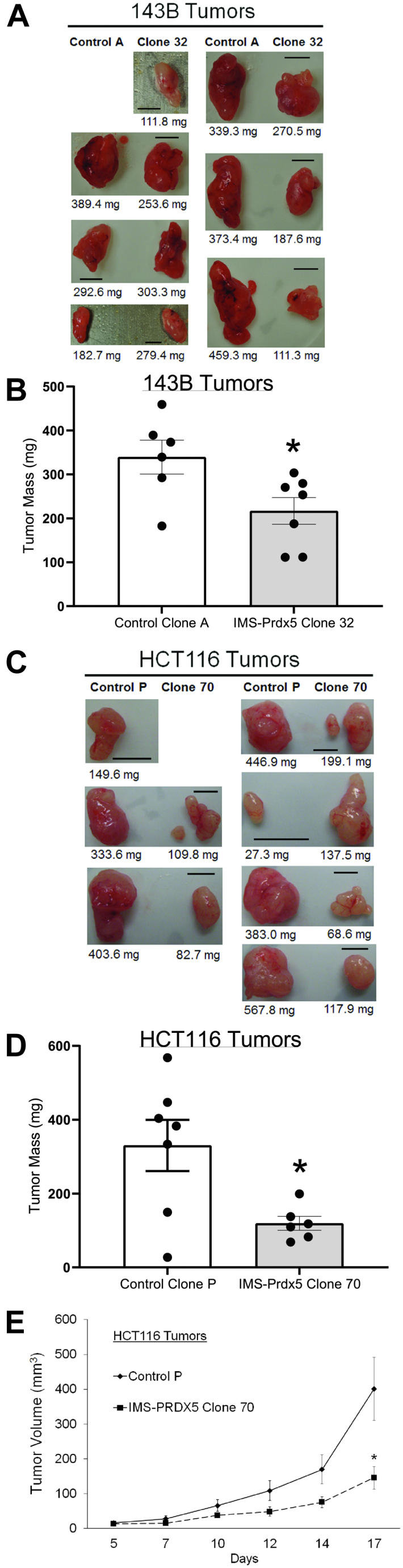
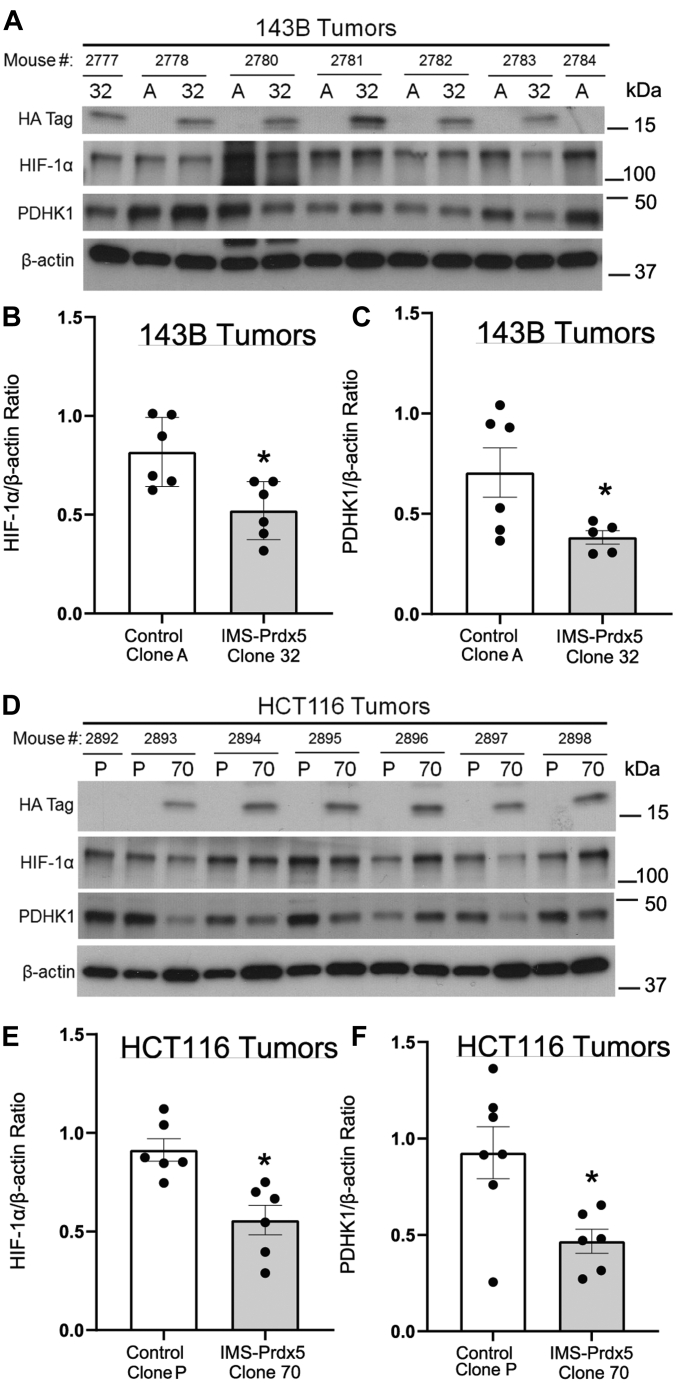
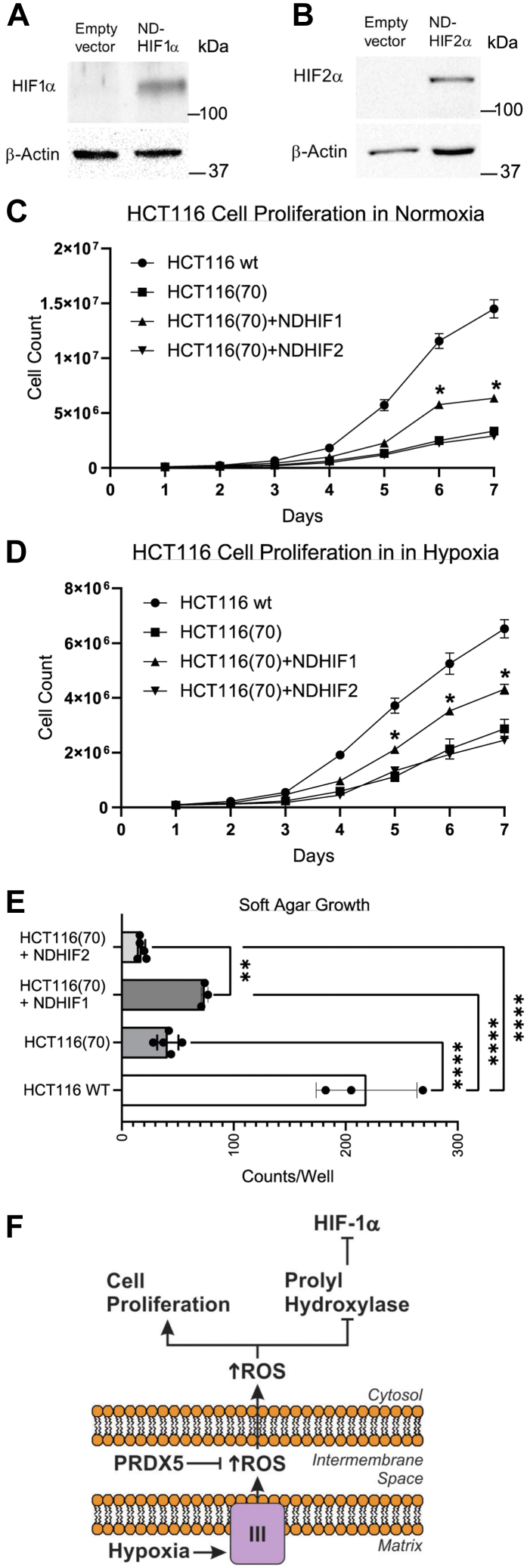
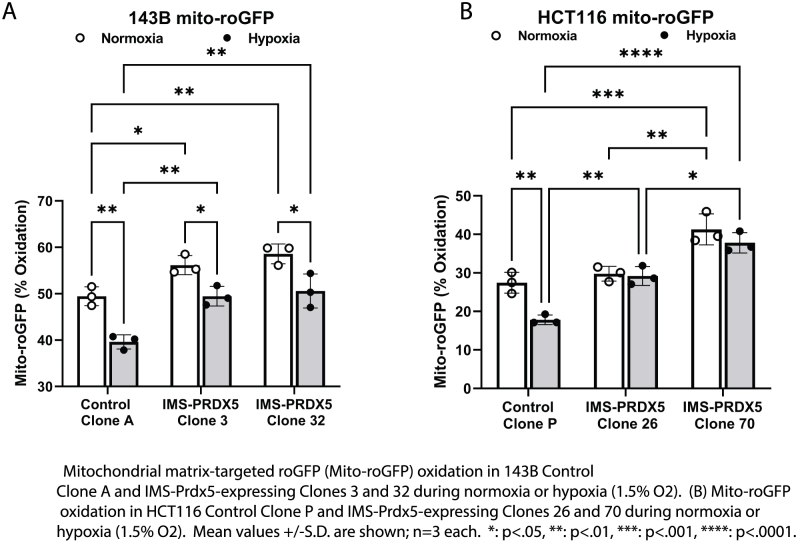
Cancer cells experience increased levels of oxidant stress as a consequence of oncogene activation, nucleotide biosynthesis, and growth factor receptor signaling. Mitochondria contribute to this redox stress by generating reactive oxygen species (ROS) along the electron transport chain, which are released to the matrix and the intermembrane space (IMS). Assessing the contribution of mitochondrial ROS in cancer cells is technically difficult, as electron transport chain inhibitors can increase or decrease ROS generation, while they also block oxidative phosphorylation and ATP synthesis. Mitochondria-targeted antioxidant compounds can scavenge ROS in the matrix compartment but do not act on ROS released to the IMS. We assessed the importance of mitochondrial ROS for tumor cell proliferation, survival, and for tumor xenograft growth by stably expressing a hydrogen peroxide (HO) scavenger, peroxiredoxin-5, in the mitochondrial IMS (IMS-Prdx5) in 143B osteosarcoma and HCT116 colorectal cancer cell lines. IMS-Prdx5 attenuates hypoxia-induced ROS signaling as assessed independently in cytosol and IMS, HIF-1α stabilization and activity, and cellular proliferation under normoxic and hypoxic culture conditions. It also suppressed tumor growth in vivo. Stable expression of nondegradable HIF-1α only partially rescued proliferation in IMS-Prdx5-expressing cells, indicating that mitochondrial HO signaling contributes to tumor cell proliferation and survival through HIF-dependent and HIF-independent mechanisms.
癌细胞由于癌基因激活、核苷酸生物合成和生长因子受体信号转导而经历高水平的氧化剂应激。线粒体通过在线粒体电子传递链中产生活性氧物种 (ROS) 来促成这种氧化还原应激,这些 ROS 被释放到基质和膜间空间 (IMS)。评估线粒体 ROS 在癌细胞中的贡献在技术上具有挑战性,因为电子传递链抑制剂可以增加或减少 ROS 的产生,同时它们也会阻断氧化磷酸化和 ATP 合成。线粒体靶向抗氧化化合物可以清除基质隔间中的 ROS,但对释放到 IMS 的 ROS 不起作用。我们通过在 143B 骨肉瘤和 HCT116 结直肠癌细胞系的线粒体 IMS(IMS-Prdx5)中稳定表达过氧化氢 (HO) 清除剂过氧化物酶 5,来评估线粒体 ROS 对肿瘤细胞增殖、存活和肿瘤异种移植物生长的重要性。IMS-Prdx5 减弱了缺氧诱导的 ROS 信号转导,这在细胞质和 IMS 中独立评估、HIF-1α 稳定和活性以及正常氧和缺氧培养条件下的细胞增殖中得到证实。它还抑制了体内肿瘤生长。非降解性 HIF-1α 的稳定表达仅部分挽救了 IMS-Prdx5 表达细胞的增殖,表明线粒体 HO 信号通过 HIF 依赖和非依赖机制促进肿瘤细胞增殖和存活。