Johnson-Martínez Johannes P, Diener Christian, Levine Anne E, Wilmanski Tomasz, Suskind David L, Ralevski Alexandra, Hadlock Jennifer, Magis Andrew T, Hood Leroy, Rappaport Noa, Gibbons Sean M
Institute for Systems Biology, Seattle, WA 98109, USA.
Department of Bioengineering, University of Washington, Seattle, WA 98195, USA.
bioRxiv. 2024 Mar 9:2023.03.04.531100. doi: 10.1101/2023.03.04.531100.
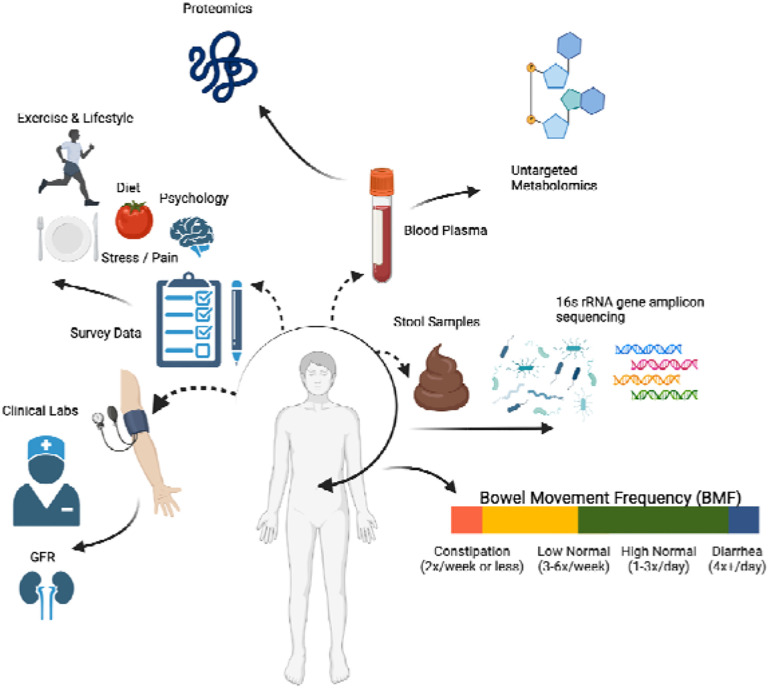
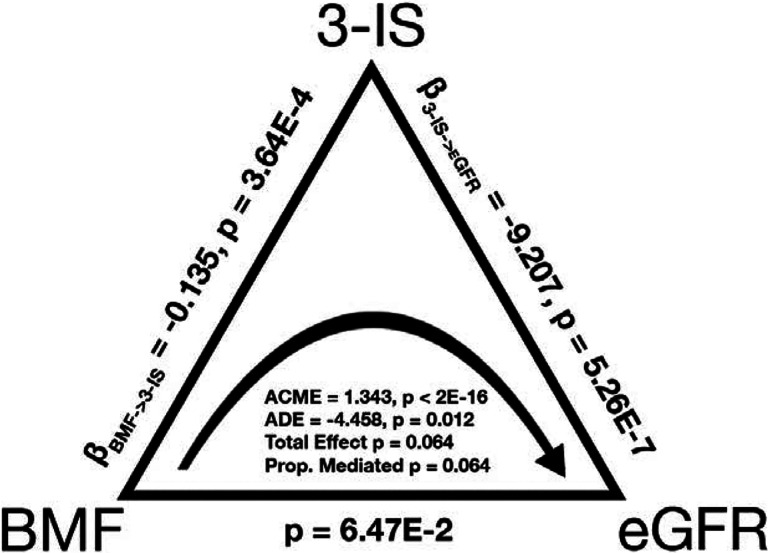
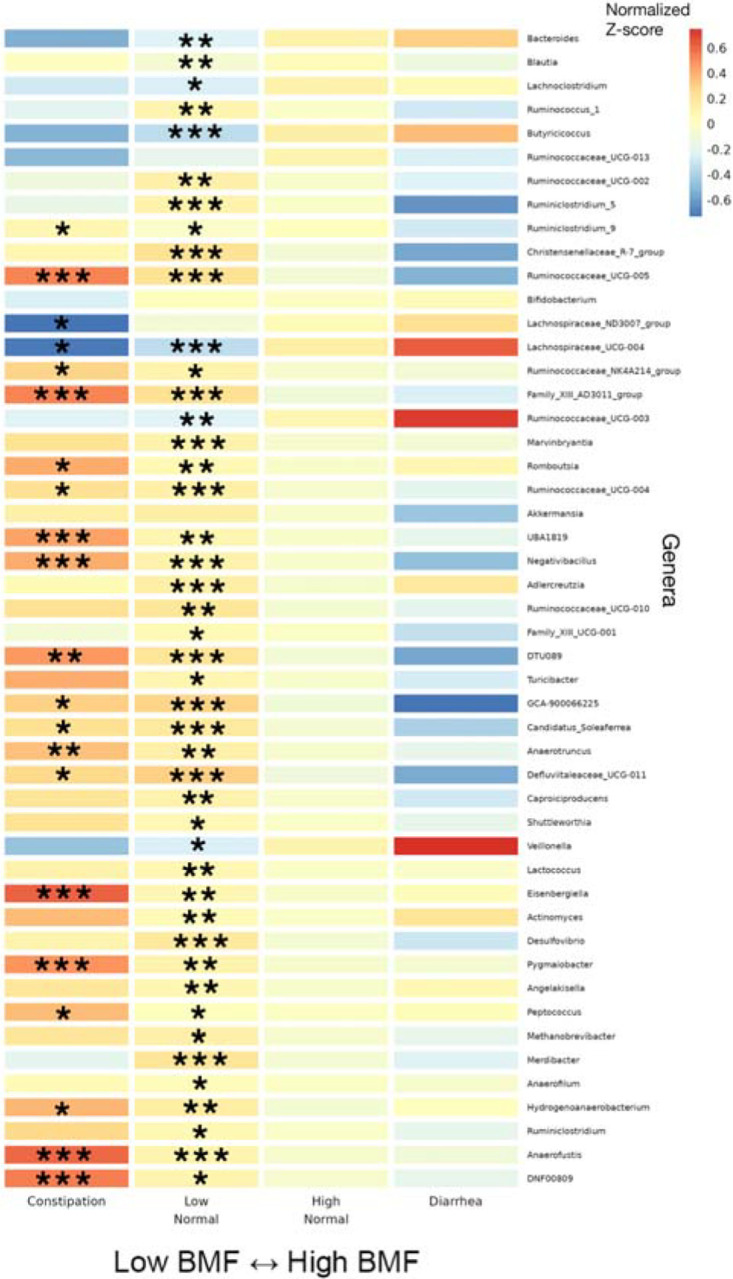
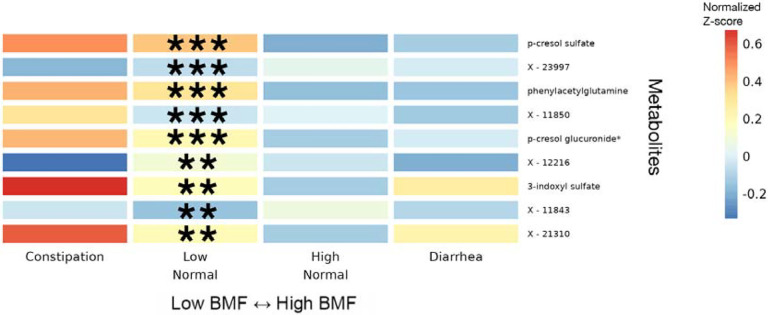
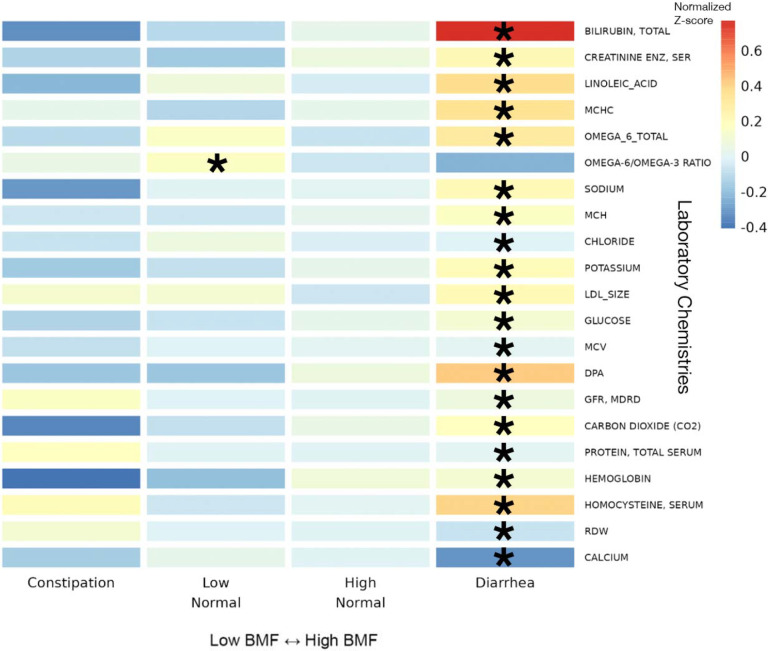
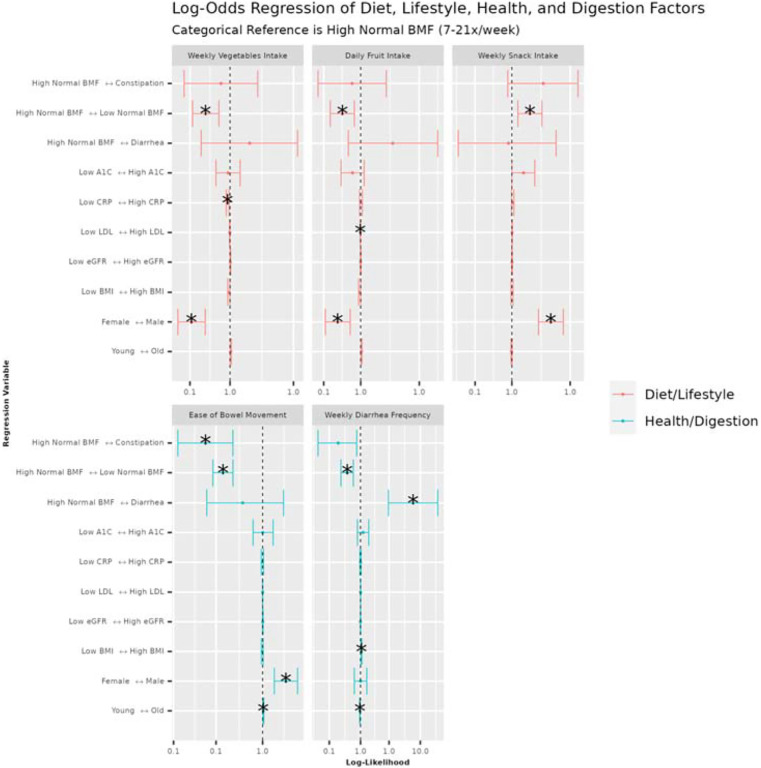
Bowel movement frequency (BMF) has been linked to changes in the composition of the human gut microbiome and to many chronic conditions, like metabolic disorders, neurodegenerative diseases, chronic kidney disease (CKD), and other intestinal pathologies like irritable bowel syndrome and inflammatory bowel disease. Lower BMF (constipation) can lead to compromised intestinal barrier integrity and a switch from saccharolytic to proteolytic fermentation within the microbiota, giving rise to microbially-derived toxins that may make their way into circulation and cause damage to organ systems. However, the connections between BMF, gut microbial metabolism, and the early-stage development and progression of chronic disease remain underexplored. Here, we examined the phenotypic impact of BMF variation in a cohort of generally-healthy, community dwelling adults with detailed clinical, lifestyle, and multi-omic data. We showed significant differences in microbially-derived blood plasma metabolites, gut bacterial genera, clinical chemistries, and lifestyle factors across BMF groups that have been linked to inflammation, cardiometabolic health, liver function, and CKD severity and progression. We found that the higher plasma levels of 3-indoxyl sulfate (3-IS), a microbially-derived metabolite associated with constipation, was in turn negatively associated with estimated glomerular filtration rate (eGFR), a measure of kidney function. Causal mediation analysis revealed that the effect of BMF on eGFR was significantly mediated by 3-IS. Finally, we identify self-reported diet, lifestyle, and psychological factors associated with BMF variation, which indicate several common-sense strategies for mitigating constipation and diarrhea. Overall, we suggest that aberrant BMF is an underappreciated risk factor in the development of chronic diseases, even in otherwise healthy populations.
排便频率(BMF)与人类肠道微生物群组成的变化以及许多慢性疾病有关,如代谢紊乱、神经退行性疾病、慢性肾脏病(CKD)以及其他肠道疾病,如肠易激综合征和炎症性肠病。较低的BMF(便秘)会导致肠道屏障完整性受损,微生物群内从糖酵解发酵转变为蛋白水解发酵,产生微生物衍生的毒素,这些毒素可能进入循环系统并对器官系统造成损害。然而,BMF、肠道微生物代谢与慢性疾病的早期发展和进展之间的联系仍未得到充分探索。在此,我们在一组具有详细临床、生活方式和多组学数据的一般健康、居住在社区的成年人队列中,研究了BMF变化的表型影响。我们发现,不同BMF组在微生物衍生的血浆代谢物、肠道细菌属、临床化学指标和生活方式因素方面存在显著差异,这些差异与炎症、心脏代谢健康、肝功能以及CKD的严重程度和进展有关。我们发现,与便秘相关的微生物衍生代谢物3-吲哚硫酸盐(3-IS)的血浆水平较高,而这又与肾功能指标估计肾小球滤过率(eGFR)呈负相关。因果中介分析表明,BMF对eGFR的影响通过3-IS显著介导。最后,我们确定了与BMF变化相关的自我报告饮食、生活方式和心理因素,这些因素表明了几种缓解便秘和腹泻的常识性策略。总体而言,我们认为异常的BMF是慢性疾病发展中一个未被充分认识的危险因素,即使在其他方面健康的人群中也是如此。