Gu Qiang, Li Lang, Yao Jiahao, Dong Fa-Yan, Gan Yifan, Zhou Shuhuai, Wang Xinyu, Wang Xue-Feng
Harbin Medical University, Harbin, China.
Front Oncol. 2023 Mar 7;13:1120103. doi: 10.3389/fonc.2023.1120103. eCollection 2023.
The most important chemotherapy treatment for glioma patients is temozolomide. However, the development of drug resistance severely restricts the use of temozolomide. Therefore, elucidating the mechanism of temozolomide resistance, enhancing temozolomide sensitivity, and extending patient survival are urgent tasks for researchers.
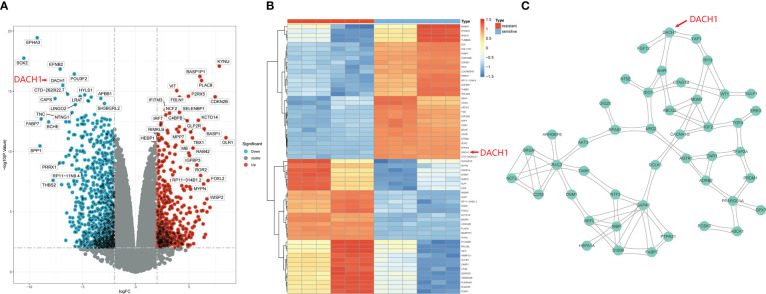
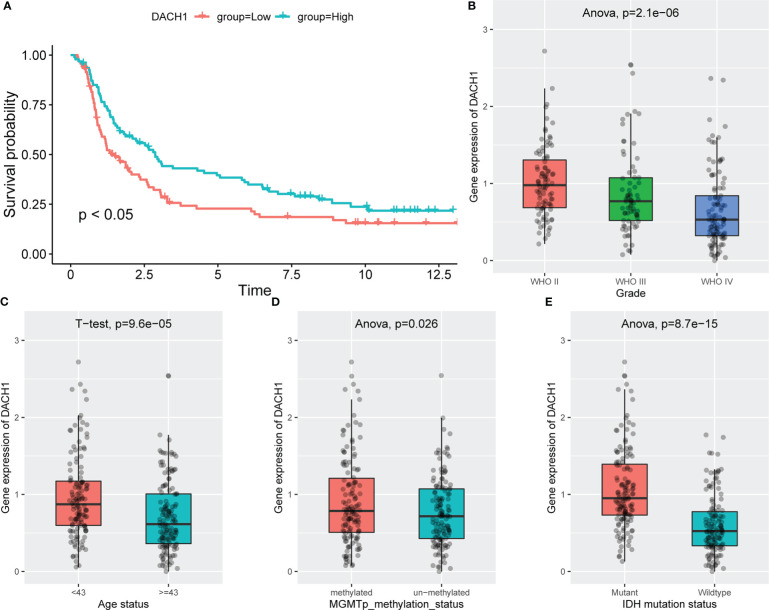
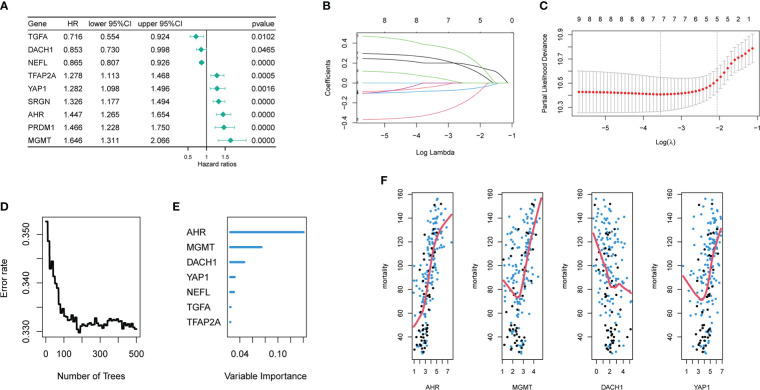
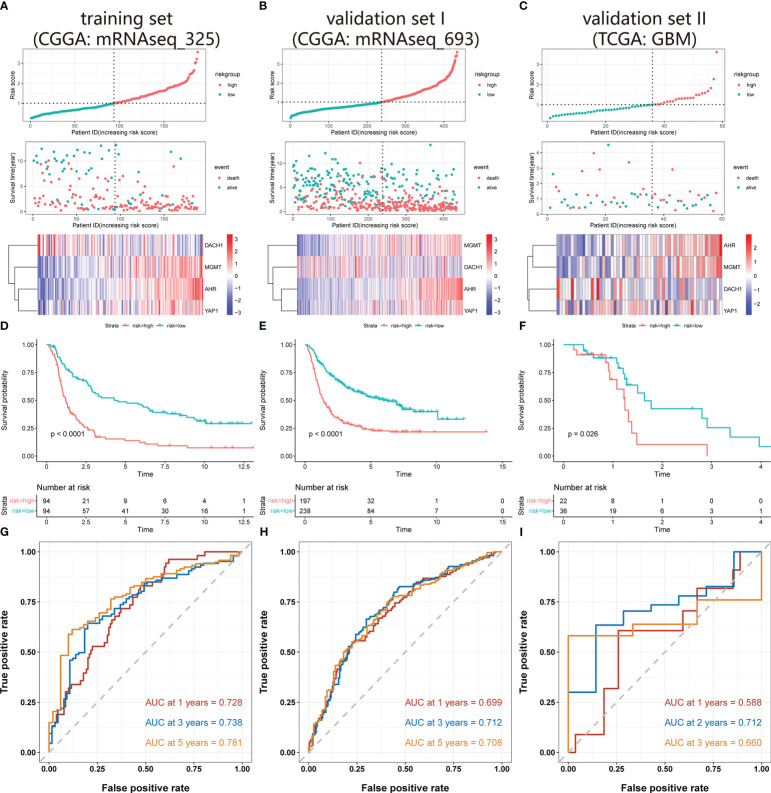
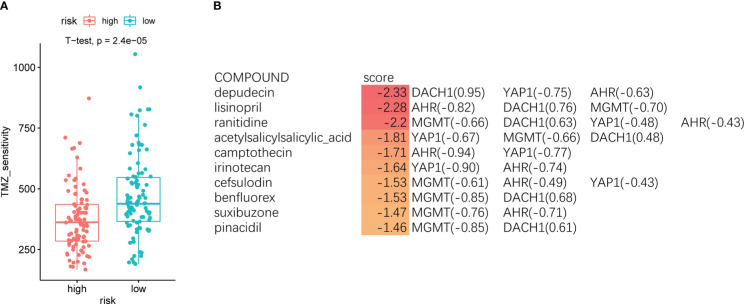
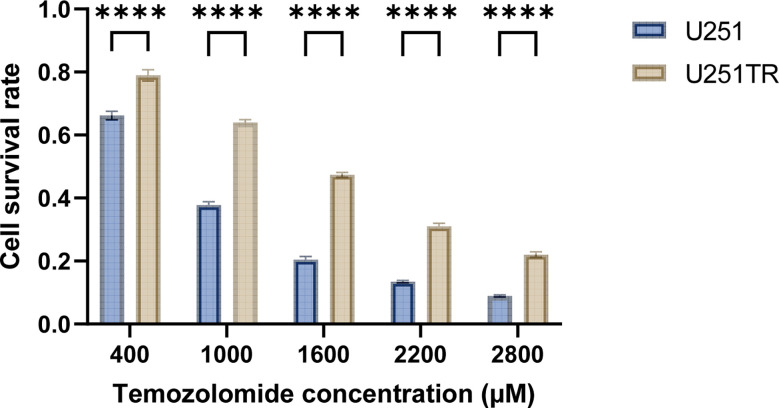
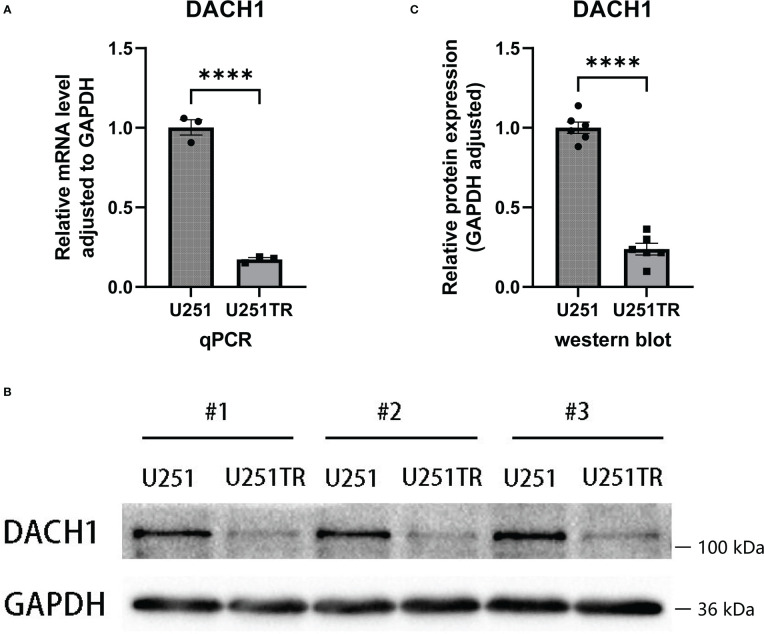
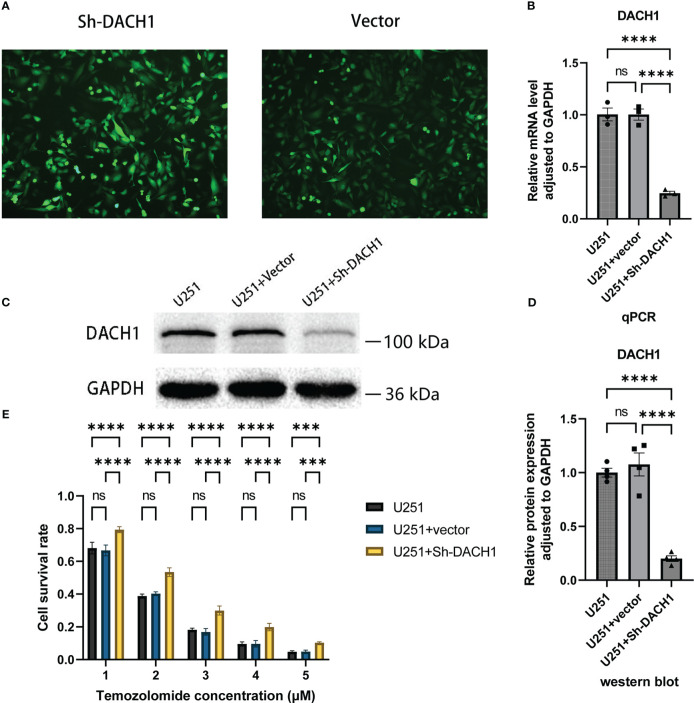
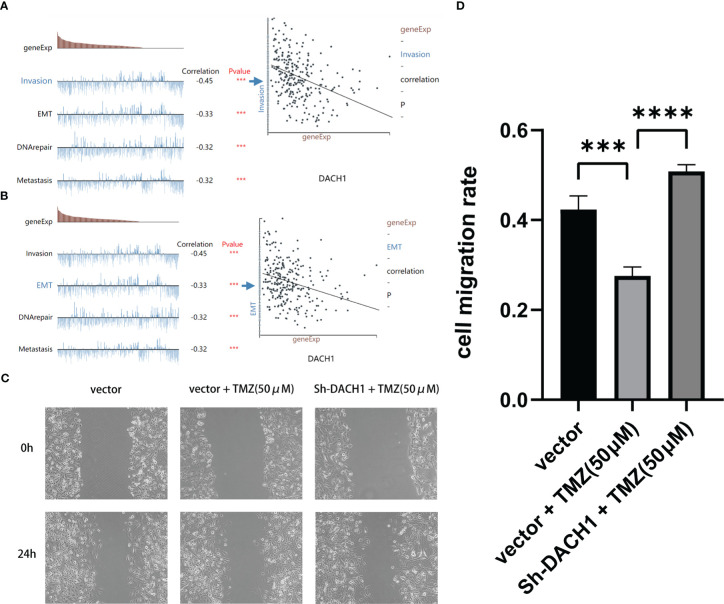
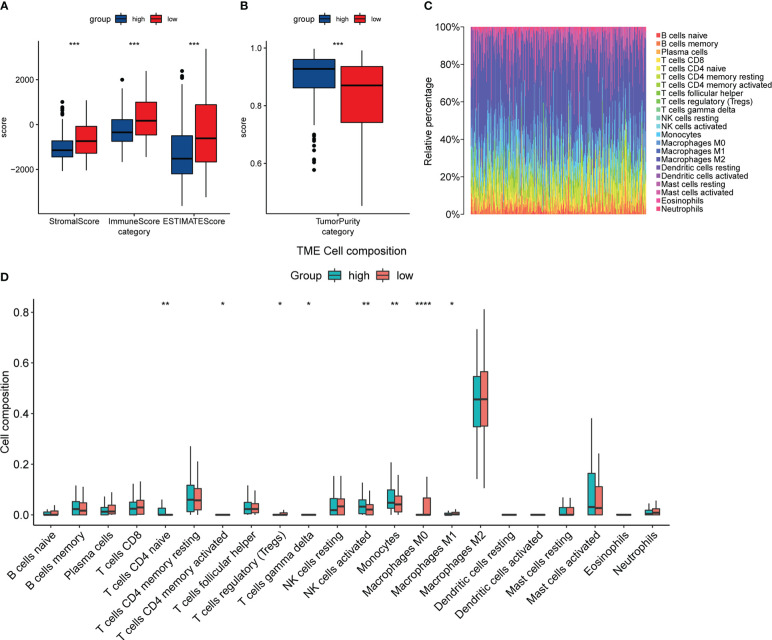
Temozolomide resistance hub differential genes were identified using differential analysis and protein interaction analysis from the GEO datasets (GSE100736 and GSE113510). These genes were further studied in glioma patients treated with temozolomide in the TCGA and CGGA databases. Patients from the mRNAseq_325 dataset (CGGA) were considered as the training set to construct a risk model for predicting glioma sensitivity to temozolomide, while patients from the mRNAseq_693 dataset (CGGA) and TCGA-GBM dataset were considered as the validation set to evaluate the performance of models. PCR and western blot were performed to determine the difference in expression of the feature gene DACH1 between glioma cells and temozolomide-resistant glioma cells. The alterations in the sensitivity of tumor cells to temozolomide were also observed after DACH1 was silenced. The patients were then divided into two groups based on the expression of DACH1, and the differences in patient survival rates, molecular pathway activation, and level of immune infiltration were compared.
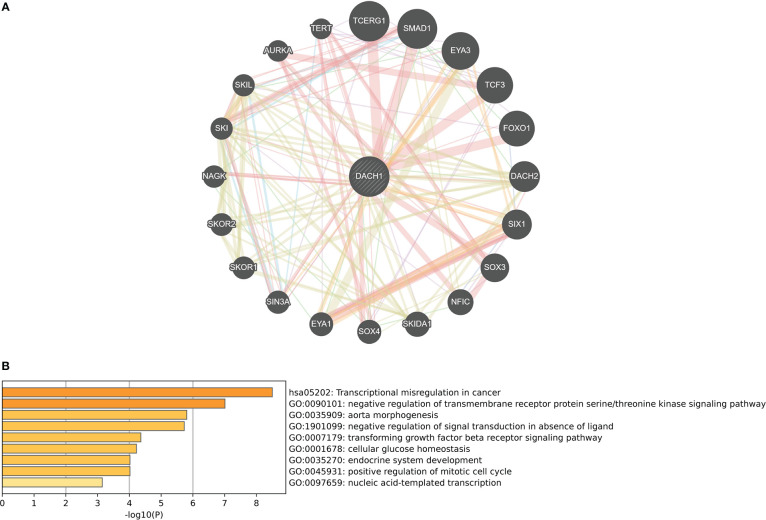
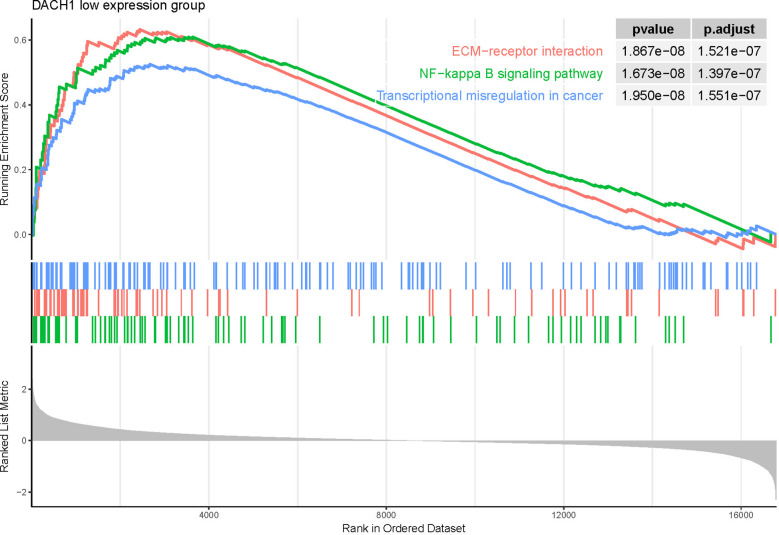
Based on four signature genes (AHR, DACH1, MGMT, and YAP1), a risk model for predicting glioma sensitivity to temozolomide was constructed, and the results of timeROC in both the training and validation sets showed that the model had good predictive performance. The expression of the signature gene DACH1 was significantly downregulated in temozolomide-resistant cells, according to the results of the PCR and western blot experiments. The sensitivity of tumor cells to temozolomide was significantly reduced after DACH1 was silenced. DACH1 probably regulates temozolomide resistance in glioblastoma through the transcriptional dysregulation in cancer and ECM.
This study constructs a risk model that can predict glioma susceptibility to temozolomide and validates the function of the feature gene DACH1, which provides a promising target for the research of temozolomide resistance.
替莫唑胺是胶质瘤患者最重要的化疗药物。然而,耐药性的产生严重限制了替莫唑胺的使用。因此,阐明替莫唑胺耐药机制、提高替莫唑胺敏感性并延长患者生存期是研究人员的紧迫任务。
利用来自GEO数据集(GSE100736和GSE113510)的差异分析和蛋白质相互作用分析,鉴定出替莫唑胺耐药核心差异基因。在TCGA和CGGA数据库中,对接受替莫唑胺治疗的胶质瘤患者进一步研究这些基因。将来自mRNAseq_325数据集(CGGA)的患者作为训练集,构建预测胶质瘤对替莫唑胺敏感性的风险模型,而将来自mRNAseq_693数据集(CGGA)和TCGA-GBM数据集的患者作为验证集,评估模型性能。进行PCR和蛋白质印迹法,以确定胶质瘤细胞与替莫唑胺耐药胶质瘤细胞中特征基因DACH1表达的差异。沉默DACH1后,还观察了肿瘤细胞对替莫唑胺敏感性的变化。然后根据DACH1的表达将患者分为两组,比较患者生存率、分子途径激活和免疫浸润水平的差异。
基于四个特征基因(芳香烃受体、DACH1、O6-甲基鸟嘌呤-DNA甲基转移酶和Yes相关蛋白1)构建了预测胶质瘤对替莫唑胺敏感性的风险模型,训练集和验证集的timeROC结果均表明该模型具有良好的预测性能。PCR和蛋白质印迹实验结果显示,特征基因DACH1在替莫唑胺耐药细胞中的表达显著下调。沉默DACH1后,肿瘤细胞对替莫唑胺的敏感性显著降低。DACH1可能通过癌症和细胞外基质中的转录失调来调节胶质母细胞瘤中的替莫唑胺耐药性。
本研究构建了一个可预测胶质瘤对替莫唑胺敏感性的风险模型,并验证了特征基因DACH1的功能,为替莫唑胺耐药性研究提供了一个有前景的靶点。