• 文献检索
  • 文档翻译
  • 深度研究
  • 学术资讯
  • Suppr Zotero 插件Zotero 插件
  • 邀请有礼
  • 套餐&价格
  • 历史记录
应用&插件
Suppr Zotero 插件Zotero 插件浏览器插件Mac 客户端Windows 客户端微信小程序
定价
高级版会员购买积分包购买API积分包
服务
文献检索文档翻译深度研究API 文档MCP 服务
关于我们
关于 Suppr公司介绍联系我们用户协议隐私条款
关注我们

Suppr 超能文献

核心技术专利:CN118964589B侵权必究
粤ICP备2023148730 号-1Suppr @ 2026

文献检索

告别复杂PubMed语法,用中文像聊天一样搜索,搜遍4000万医学文献。AI智能推荐,让科研检索更轻松。

立即免费搜索

文件翻译

保留排版,准确专业,支持PDF/Word/PPT等文件格式,支持 12+语言互译。

免费翻译文档

深度研究

AI帮你快速写综述,25分钟生成高质量综述,智能提取关键信息,辅助科研写作。

立即免费体验

局部用氟化物应用对患有严重龋齿的幼儿口腔微生物群的影响。

Effects of topical fluoride application on oral microbiota in young children with severe dental caries.

机构信息

Department of Preventive Dentistry, Stomatological Hospital of Chongqing Medical University, Chongqing, China.

Chongqing Key Laboratory of Oral Biomedical Engineering of Higher Education, Department of Preventive Dentistry, Chongqing, China.

出版信息

Front Cell Infect Microbiol. 2023 Mar 7;13:1104343. doi: 10.3389/fcimb.2023.1104343. eCollection 2023.

DOI:10.3389/fcimb.2023.1104343
PMID:36960045
原文链接:https://pmc.ncbi.nlm.nih.gov/articles/PMC10028198/
Abstract

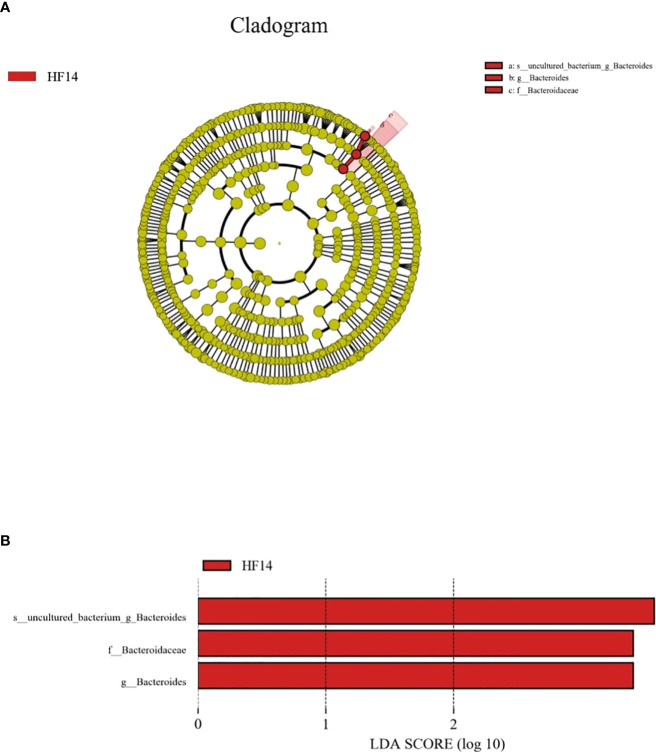
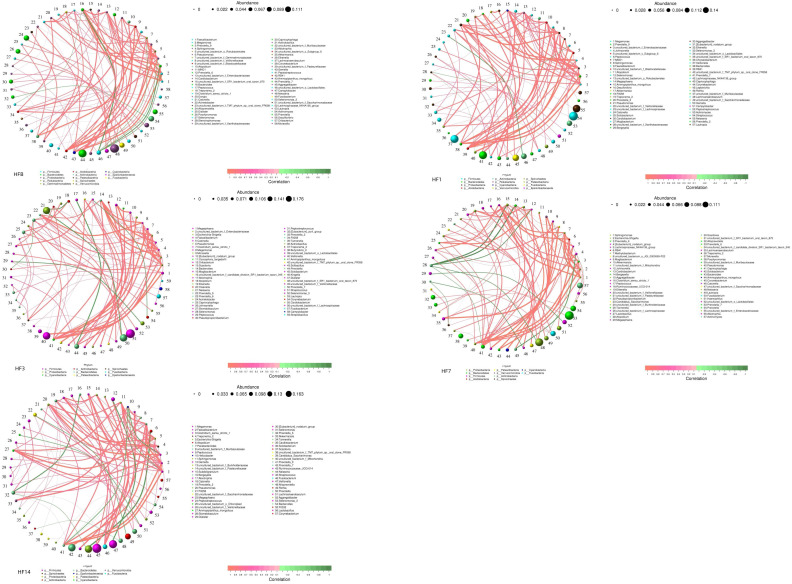
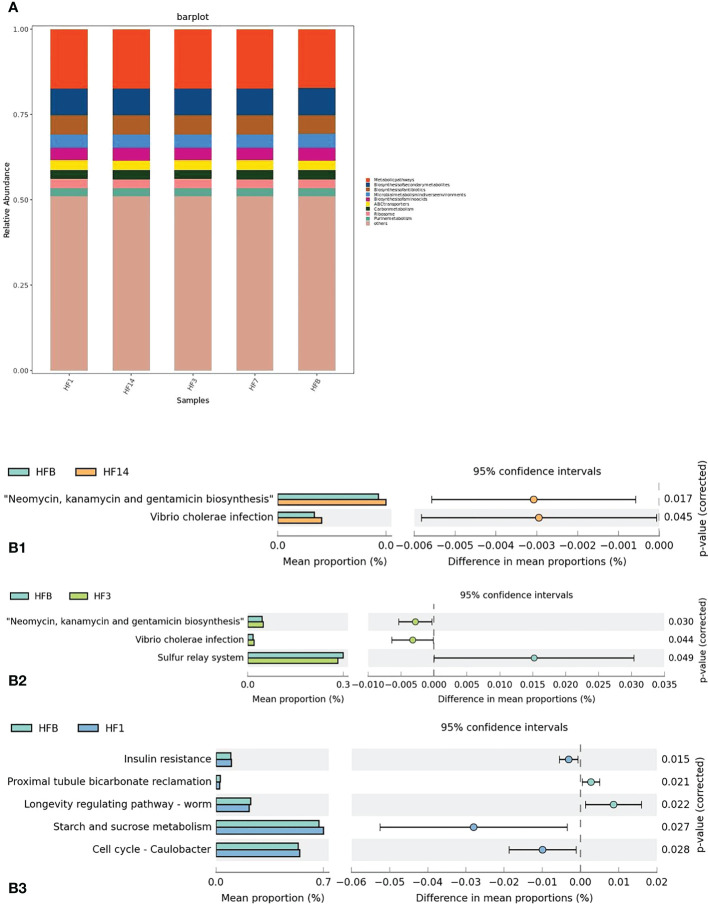
While the effect of fluoride on severe early childhood caries (S-ECC) is clear, knowledge of how it influences the oral microbiota and the consequential effects on oral health is limited. In this cohort study, we investigated the changes introduced in the oral ecosystem before and after using fluoride varnish in 54- to 66-month-old individuals (n=90: 18 children were sampled at 5 different time points). 16S rDNA was amplified from bacterial samples using polymerase chain reaction, and high-throughput sequencing was performed using Illumina MiSeq platforms. Many pronounced microbial changes were related to the effects of fluoride varnishing. The health-associated and were enriched in the saliva microbiome following treatment with fluoride varnishing. Co-occurrence network analysis of the dominant genera showed that different groups clearly showed different bacterial correlations. The PICRUSt algorithm was used to predict the function of the microbial communities from saliva samples. The results showed that starch and sucrose metabolism was greater after fluoride use. BugBase was used to determine phenotypes present in microbial community samples. The results showed that and (phylum ) was greater before fluoride use. We conclude that the changes in oral microbiology play a role in fluoride prevention of S-ECC.

摘要

虽然氟化物对严重婴幼儿龋(S-ECC)的影响是明确的,但关于它如何影响口腔微生物群以及对口腔健康的影响的知识是有限的。在这项队列研究中,我们调查了在 54-66 个月大的个体(n=90:18 名儿童在 5 个不同时间点采样)使用氟化物涂料前后引入的口腔生态系统的变化。使用聚合酶链反应从细菌样本中扩增 16S rDNA,并使用 Illumina MiSeq 平台进行高通量测序。许多明显的微生物变化与氟化物涂料的作用有关。在使用氟化物涂料处理后,口腔微生物组中与健康相关的 和 得到了富集。对优势属的共现网络分析表明,不同组清楚地显示出不同的细菌相关性。使用 PICRUSt 算法从唾液样本预测微生物群落的功能。结果表明,使用氟化物后淀粉和蔗糖代谢增加。使用 BugBase 确定微生物群落样本中存在的表型。结果表明,在使用氟化物之前, 和 (门)更多。我们得出结论,口腔微生物学的变化在氟化物预防 S-ECC 中发挥作用。
https://cdn.ncbi.nlm.nih.gov/pmc/blobs/95c4/10028198/4502593fd676/fcimb-13-1104343-g013.jpg
https://cdn.ncbi.nlm.nih.gov/pmc/blobs/95c4/10028198/728fb0dddd08/fcimb-13-1104343-g001.jpg
https://cdn.ncbi.nlm.nih.gov/pmc/blobs/95c4/10028198/f2bbd90fed9a/fcimb-13-1104343-g002.jpg
https://cdn.ncbi.nlm.nih.gov/pmc/blobs/95c4/10028198/4c39d1bd133e/fcimb-13-1104343-g003.jpg
https://cdn.ncbi.nlm.nih.gov/pmc/blobs/95c4/10028198/c97ea8885697/fcimb-13-1104343-g004.jpg
https://cdn.ncbi.nlm.nih.gov/pmc/blobs/95c4/10028198/4aa5dc6be99e/fcimb-13-1104343-g005.jpg
https://cdn.ncbi.nlm.nih.gov/pmc/blobs/95c4/10028198/924ba7d5e95e/fcimb-13-1104343-g006.jpg
https://cdn.ncbi.nlm.nih.gov/pmc/blobs/95c4/10028198/1e8ea59dfae7/fcimb-13-1104343-g007.jpg
https://cdn.ncbi.nlm.nih.gov/pmc/blobs/95c4/10028198/9f86573ed360/fcimb-13-1104343-g008.jpg
https://cdn.ncbi.nlm.nih.gov/pmc/blobs/95c4/10028198/ff9620bfea60/fcimb-13-1104343-g009.jpg
https://cdn.ncbi.nlm.nih.gov/pmc/blobs/95c4/10028198/58ec0f091fa3/fcimb-13-1104343-g010.jpg
https://cdn.ncbi.nlm.nih.gov/pmc/blobs/95c4/10028198/14043c4b943e/fcimb-13-1104343-g011.jpg
https://cdn.ncbi.nlm.nih.gov/pmc/blobs/95c4/10028198/544ba2bf75de/fcimb-13-1104343-g012.jpg
https://cdn.ncbi.nlm.nih.gov/pmc/blobs/95c4/10028198/4502593fd676/fcimb-13-1104343-g013.jpg
https://cdn.ncbi.nlm.nih.gov/pmc/blobs/95c4/10028198/728fb0dddd08/fcimb-13-1104343-g001.jpg
https://cdn.ncbi.nlm.nih.gov/pmc/blobs/95c4/10028198/f2bbd90fed9a/fcimb-13-1104343-g002.jpg
https://cdn.ncbi.nlm.nih.gov/pmc/blobs/95c4/10028198/4c39d1bd133e/fcimb-13-1104343-g003.jpg
https://cdn.ncbi.nlm.nih.gov/pmc/blobs/95c4/10028198/c97ea8885697/fcimb-13-1104343-g004.jpg
https://cdn.ncbi.nlm.nih.gov/pmc/blobs/95c4/10028198/4aa5dc6be99e/fcimb-13-1104343-g005.jpg
https://cdn.ncbi.nlm.nih.gov/pmc/blobs/95c4/10028198/924ba7d5e95e/fcimb-13-1104343-g006.jpg
https://cdn.ncbi.nlm.nih.gov/pmc/blobs/95c4/10028198/1e8ea59dfae7/fcimb-13-1104343-g007.jpg
https://cdn.ncbi.nlm.nih.gov/pmc/blobs/95c4/10028198/9f86573ed360/fcimb-13-1104343-g008.jpg
https://cdn.ncbi.nlm.nih.gov/pmc/blobs/95c4/10028198/ff9620bfea60/fcimb-13-1104343-g009.jpg
https://cdn.ncbi.nlm.nih.gov/pmc/blobs/95c4/10028198/58ec0f091fa3/fcimb-13-1104343-g010.jpg
https://cdn.ncbi.nlm.nih.gov/pmc/blobs/95c4/10028198/14043c4b943e/fcimb-13-1104343-g011.jpg
https://cdn.ncbi.nlm.nih.gov/pmc/blobs/95c4/10028198/544ba2bf75de/fcimb-13-1104343-g012.jpg
https://cdn.ncbi.nlm.nih.gov/pmc/blobs/95c4/10028198/4502593fd676/fcimb-13-1104343-g013.jpg

相似文献

1
Effects of topical fluoride application on oral microbiota in young children with severe dental caries.局部用氟化物应用对患有严重龋齿的幼儿口腔微生物群的影响。
Front Cell Infect Microbiol. 2023 Mar 7;13:1104343. doi: 10.3389/fcimb.2023.1104343. eCollection 2023.
2
Topical fluoride as a cause of dental fluorosis in children.局部用氟化物是导致儿童氟斑牙的原因。
Cochrane Database Syst Rev. 2024 Jun 20;6(6):CD007693. doi: 10.1002/14651858.CD007693.pub3.
3
Fluoride mouthrinses for preventing dental caries in children and adolescents.用于预防儿童和青少年龋齿的含氟漱口水。
Cochrane Database Syst Rev. 2016 Jul 29;7(7):CD002284. doi: 10.1002/14651858.CD002284.pub2.
4
Pit and fissure sealants versus fluoride varnishes for preventing dental decay in the permanent teeth of children and adolescents.窝沟封闭剂与氟化物漆预防儿童和青少年恒牙龋齿的比较
Cochrane Database Syst Rev. 2016 Jan 18;2016(1):CD003067. doi: 10.1002/14651858.CD003067.pub4.
5
Fluoride supplements (tablets, drops, lozenges or chewing gums) for preventing dental caries in children.用于预防儿童龋齿的氟化物补充剂(片剂、滴剂、含片或口香糖)。
Cochrane Database Syst Rev. 2011 Dec 7;2011(12):CD007592. doi: 10.1002/14651858.CD007592.pub2.
6
Fluoride gels for preventing dental caries in children and adolescents.用于预防儿童和青少年龋齿的氟化物凝胶。
Cochrane Database Syst Rev. 2015 Jun 15;2015(6):CD002280. doi: 10.1002/14651858.CD002280.pub2.
7
Topical fluoride as a cause of dental fluorosis in children.局部用氟是儿童氟斑牙的一个成因。
Cochrane Database Syst Rev. 2010 Jan 20;2010(1):CD007693. doi: 10.1002/14651858.CD007693.pub2.
8
Slow-release fluoride devices for the control of dental decay.用于控制龋齿的缓释氟化物装置。
Cochrane Database Syst Rev. 2018 Mar 1;3(3):CD005101. doi: 10.1002/14651858.CD005101.pub4.
9
Slow-release fluoride devices for the control of dental decay.用于控制龋齿的缓释氟化物装置。
Cochrane Database Syst Rev. 2014 Nov 28(11):CD005101. doi: 10.1002/14651858.CD005101.pub3.
10
Xylitol-containing products for preventing dental caries in children and adults.用于预防儿童和成人龋齿的含木糖醇产品。
Cochrane Database Syst Rev. 2015 Mar 26;2015(3):CD010743. doi: 10.1002/14651858.CD010743.pub2.

引用本文的文献

1
The influence of diet, saliva, and dental history on the oral microbiome in healthy, caries-free Australian adults.饮食、唾液和牙科病史对健康、无龋澳大利亚成年人口腔微生物群的影响。
Sci Rep. 2025 May 28;15(1):18755. doi: 10.1038/s41598-025-03455-0.
2
Assessing the safety of microbiome perturbations.评估微生物群落扰动的安全性。
Microb Genom. 2025 May;11(5). doi: 10.1099/mgen.0.001405.
3
A comparative study of microbial changes in dental plaque before and after single- and multiappointment treatments in patients with severe early childhood caries.

本文引用的文献

1
[Dynamic Microbial Shifts and Functional Analysis of Saliva Microbial Communities with Caries Children].[龋病儿童唾液微生物群落的动态变化及功能分析]
Sichuan Da Xue Xue Bao Yi Xue Ban. 2022 Mar;53(2):242-249. doi: 10.12182/20220360103.
2
Fluoride Use in Caries Prevention in the Primary Care Setting.在初级保健环境中使用氟化物预防龋齿。
Pediatrics. 2020 Dec;146(6). doi: 10.1542/peds.2020-034637.
3
Fluoride-Induced Alteration in the Diversity and Composition of Bacterial Microbiota in Mice Colon.氟化物诱导小鼠结肠细菌微生物群落多样性和组成的改变。
一项关于严重婴幼儿早期龋齿患者单次和多次就诊治疗前后牙菌斑微生物变化的对比研究。
BMC Oral Health. 2024 Jun 15;24(1):695. doi: 10.1186/s12903-024-04458-5.
4
Homemade blenderized tube feeding improves gut microbiome communities in children with enteral nutrition.自制匀浆管饲改善肠内营养儿童的肠道微生物群落。
Front Microbiol. 2023 Aug 23;14:1215236. doi: 10.3389/fmicb.2023.1215236. eCollection 2023.
Biol Trace Elem Res. 2020 Aug;196(2):537-544. doi: 10.1007/s12011-019-01942-w. Epub 2019 Nov 18.
4
Oral Microbiome Alterations Associated with Early Childhood Caries Highlight the Importance of Carbohydrate Metabolic Activities.与幼儿龋齿相关的口腔微生物群改变凸显了碳水化合物代谢活动的重要性。
mSystems. 2019 Nov 5;4(6):e00450-19. doi: 10.1128/mSystems.00450-19.
5
Intestinal barrier damage involved in intestinal microflora changes in fluoride-induced mice.氟化物诱导小鼠肠道菌群变化涉及肠道屏障损伤。
Chemosphere. 2019 Nov;234:409-418. doi: 10.1016/j.chemosphere.2019.06.080. Epub 2019 Jun 12.
6
The Oral Microbiome in the Elderly With Dental Caries and Health.老年人的口腔微生物组与龋齿和健康。
Front Cell Infect Microbiol. 2019 Jan 4;8:442. doi: 10.3389/fcimb.2018.00442. eCollection 2018.
7
Prenatal Oral Health Care and Early Childhood Caries Prevention: A Systematic Review and Meta-Analysis.产前口腔保健和幼儿龋病预防:系统评价和荟萃分析。
Caries Res. 2019;53(4):411-421. doi: 10.1159/000495187. Epub 2019 Jan 10.
8
Antimicrobial Effect of Toothpastes Containing Fluoride, Xylitol, or Xylitol-Probiotic on Salivary and in Children.含氟、木糖醇或木糖醇-益生菌牙膏对儿童唾液的抗菌作用
Niger J Clin Pract. 2018 Feb;21(2):134-138. doi: 10.4103/njcp.njcp_320_16.
9
Microbiome at the Frontier of Personalized Medicine.个性化医疗前沿的微生物组
Mayo Clin Proc. 2017 Dec;92(12):1855-1864. doi: 10.1016/j.mayocp.2017.10.004.
10
Comparison of Antimicrobial Efficacy of Green Tea, Garlic with Lime, and Sodium Fluoride Mouth Rinses against species, and in Children: A Randomized Double-blind Controlled Clinical Trial.绿茶、大蒜与酸橙混合液及含氟漱口水对儿童口腔内变形链球菌和远缘链球菌抗菌效果的比较:一项随机双盲对照临床试验
Int J Clin Pediatr Dent. 2017 Jul-Sep;10(3):234-239. doi: 10.5005/jp-journals-10005-1442. Epub 2017 Feb 27.