Huang Ye, Nguyen Nam V, Mammo Danny A, Albini Thomas A, Hayek Brent R, Timperley Brent D, Krueger Ronald R, Yeh Steven
Department of Ophthalmology and Visual Sciences, Stanley M. Truhlsen Eye Institute, University of Nebraska Medical Center, Omaha, NE, United States.
Cleveland Clinic, Cole Eye Institute, Cleveland, OH, United States.
Front Toxicol. 2023 Mar 8;5:1135792. doi: 10.3389/ftox.2023.1135792. eCollection 2023.
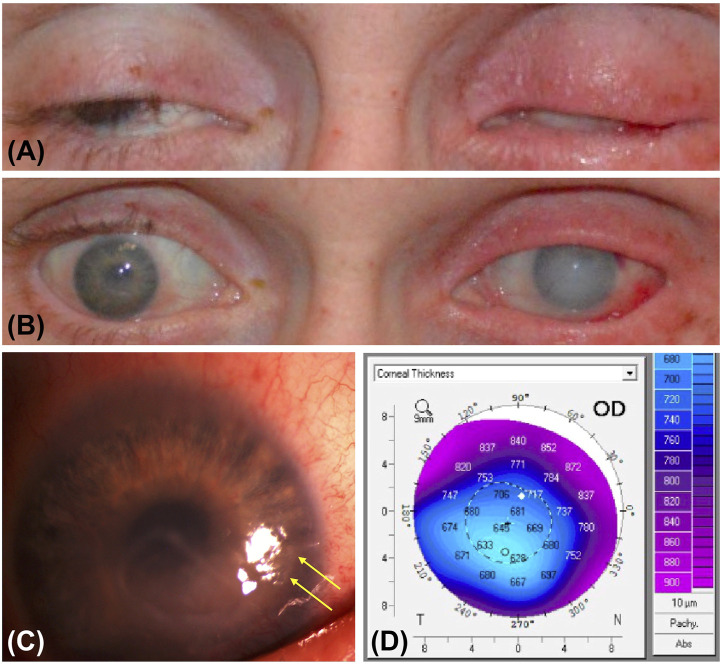
Methamphetamine use has become a rampant public health issue that not only causes devastating consequences to the user but also poses a burden to surrounding communities. A spectrum of ophthalmic sequelae is associated with methamphetamine use and includes episcleritis, scleritis, corneal ulceration, panophthalmitis, endophthalmitis, retinal vasculitis, and retinopathy. In many instances, prompt recognition of the condition and associated infectious process and early initiation of antimicrobial therapy are crucial steps to preventing vision loss. In this review, we summarize the reported ocular complications that may result from methamphetamine use in addition to several postulated mechanisms regarding the ocular toxicity of methamphetamine. The increasing prevalence of methamphetamine use as a public health threat highlights the need for continued investigation of this ophthalmologic issue.
使用甲基苯丙胺已成为一个猖獗的公共卫生问题,不仅给使用者带来毁灭性后果,也给周边社区造成负担。一系列眼部后遗症与使用甲基苯丙胺有关,包括巩膜外层炎、巩膜炎、角膜溃疡、全眼球炎、眼内炎、视网膜血管炎和视网膜病变。在许多情况下,及时识别病情及相关感染过程并尽早开始抗菌治疗是预防视力丧失的关键步骤。在本综述中,我们总结了使用甲基苯丙胺可能导致的已报道眼部并发症,以及关于甲基苯丙胺眼部毒性的几种推测机制。甲基苯丙胺使用作为一种公共卫生威胁的日益流行凸显了持续研究这一眼科问题的必要性。