Department of Neuroanatomy, Institute of Anatomy and Cell Biology, Faculty of Medicine, University of Freiburg, 79104 Freiburg, Germany.
Spemann Graduate School of Biology and Medicine, University of Freiburg, 79104 Freiburg, Germany.
J Neurosci. 2023 Apr 26;43(17):3042-3060. doi: 10.1523/JNEUROSCI.2226-22.2023. Epub 2023 Mar 28.
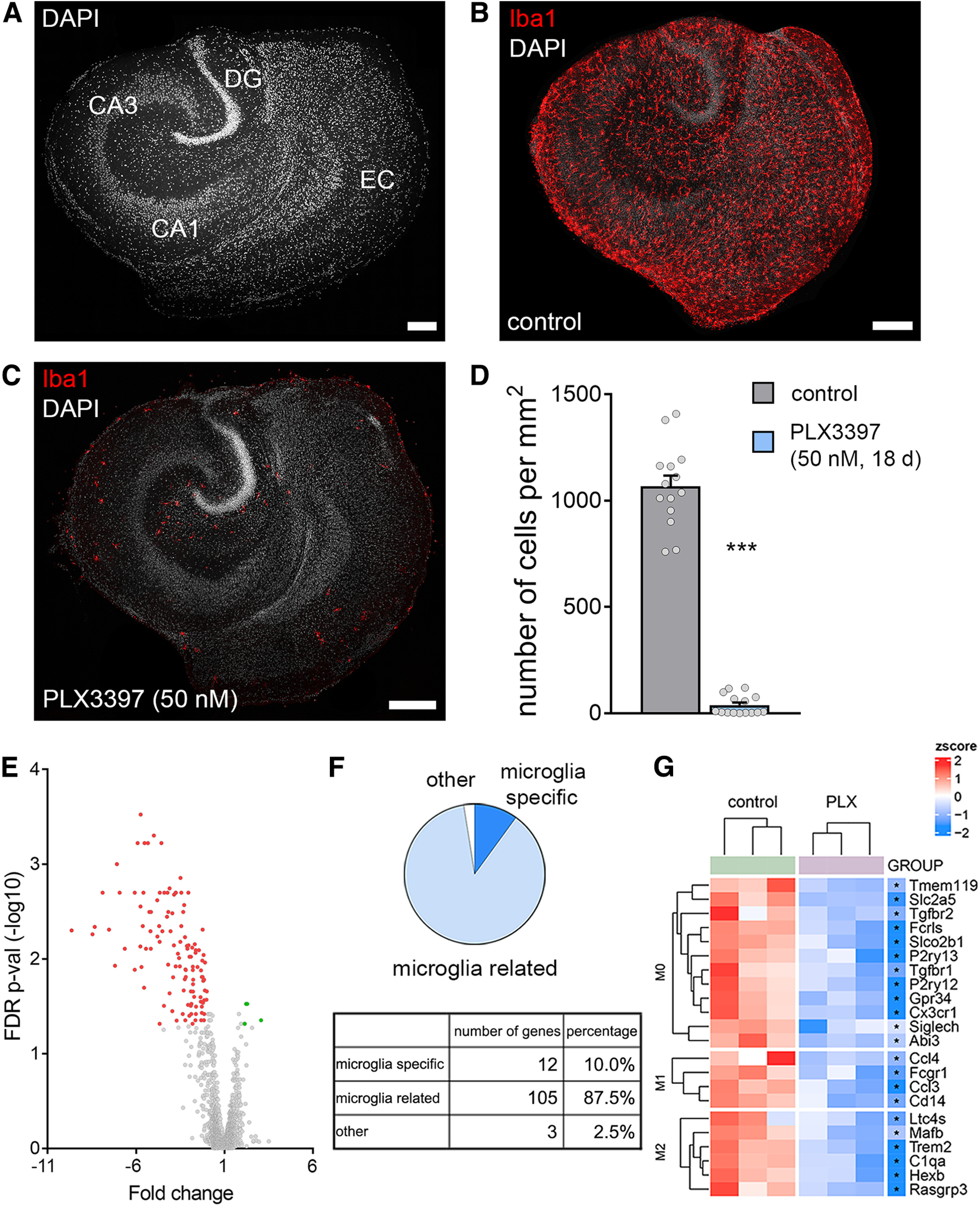
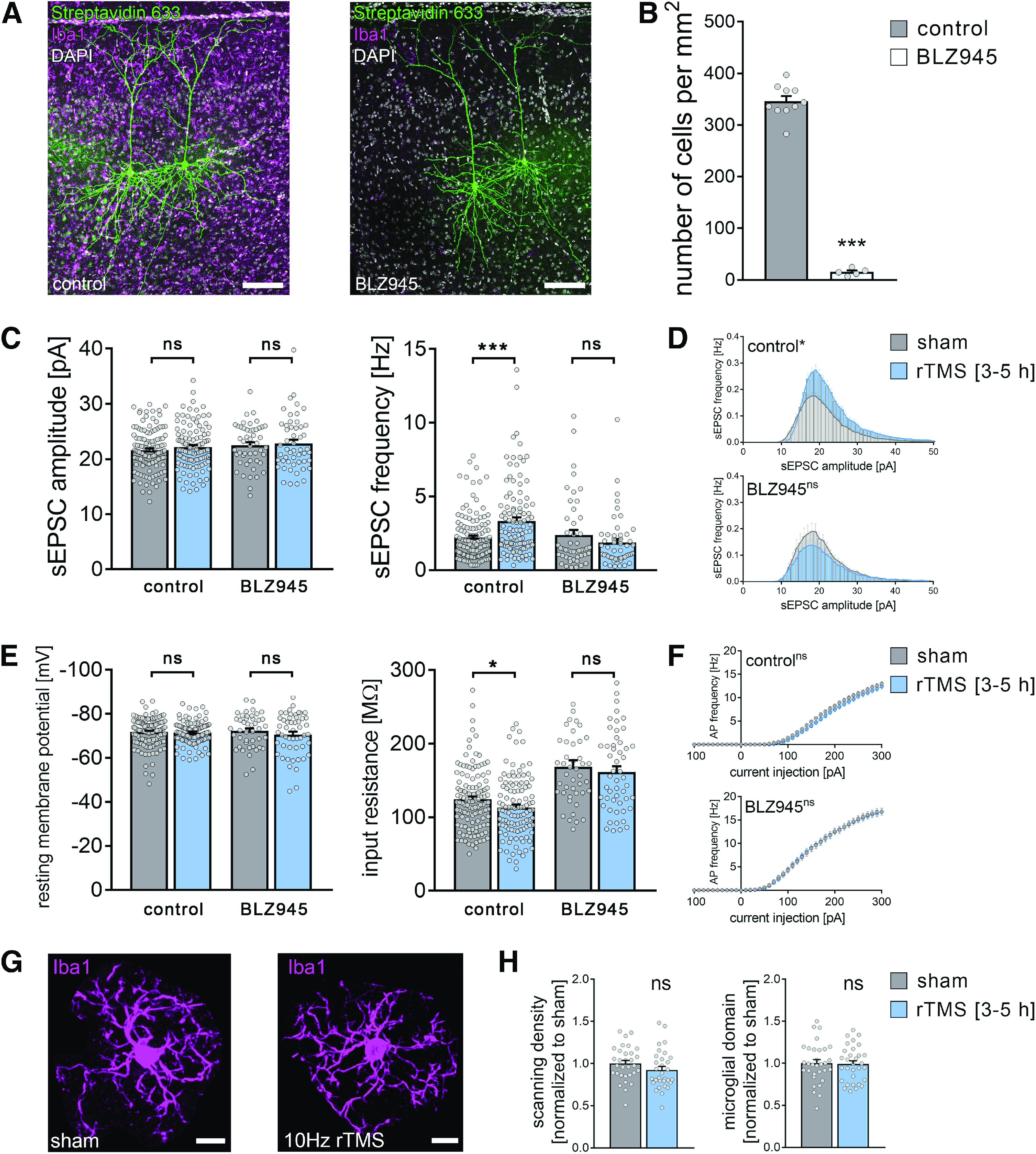
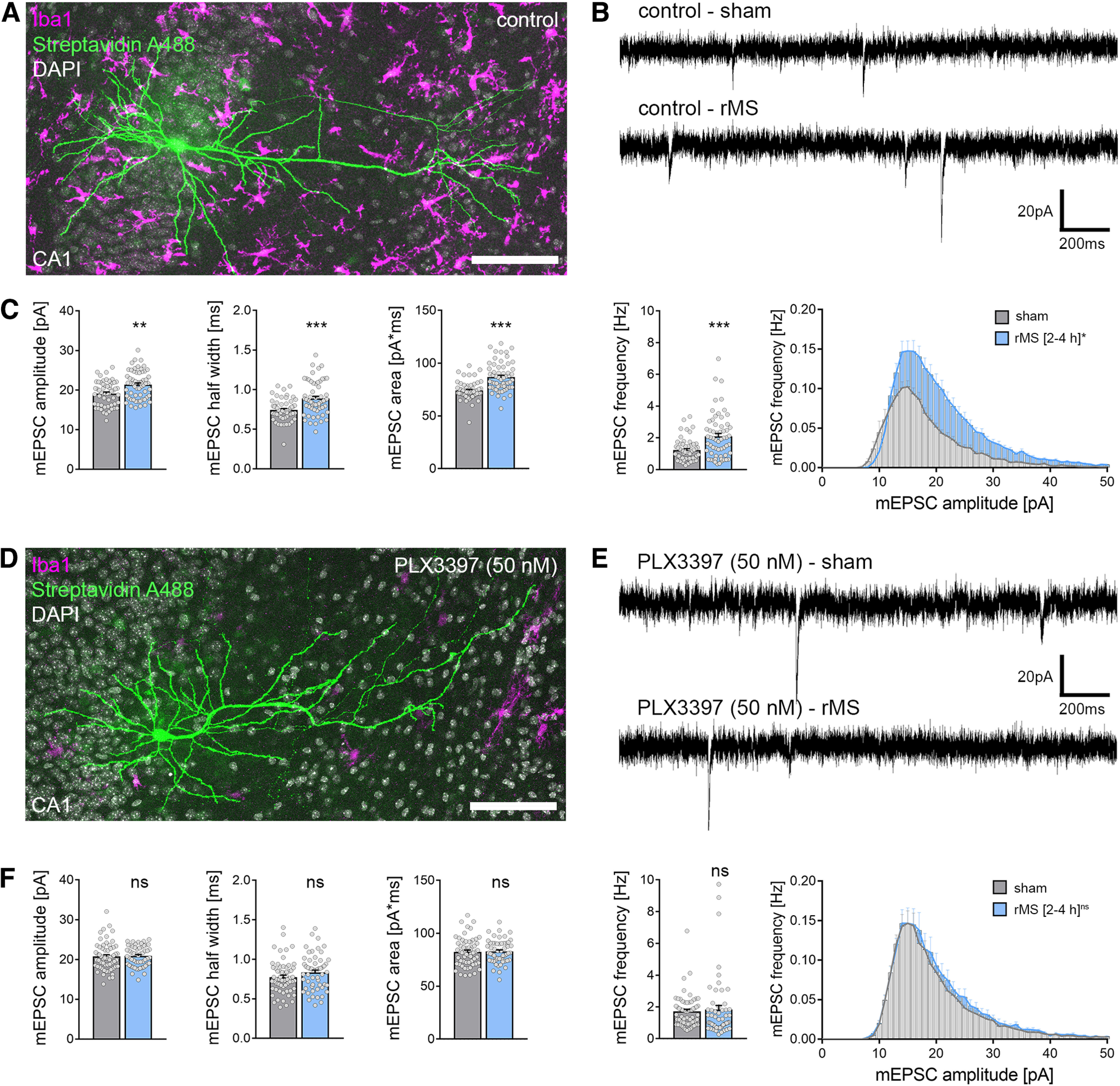
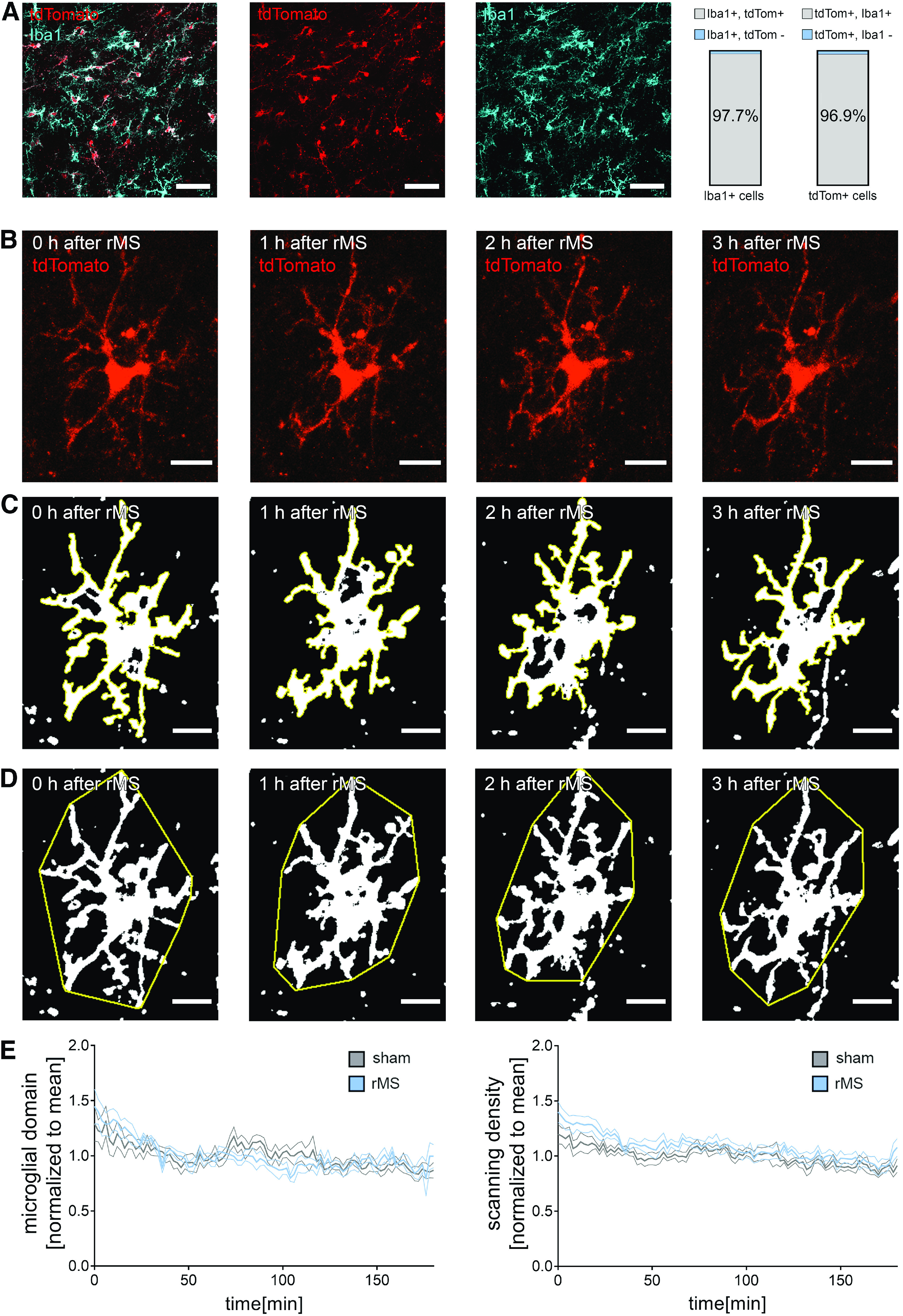
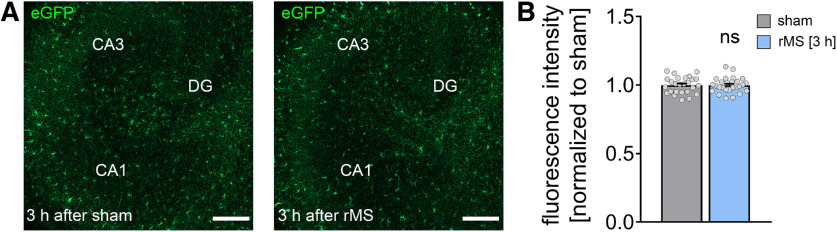
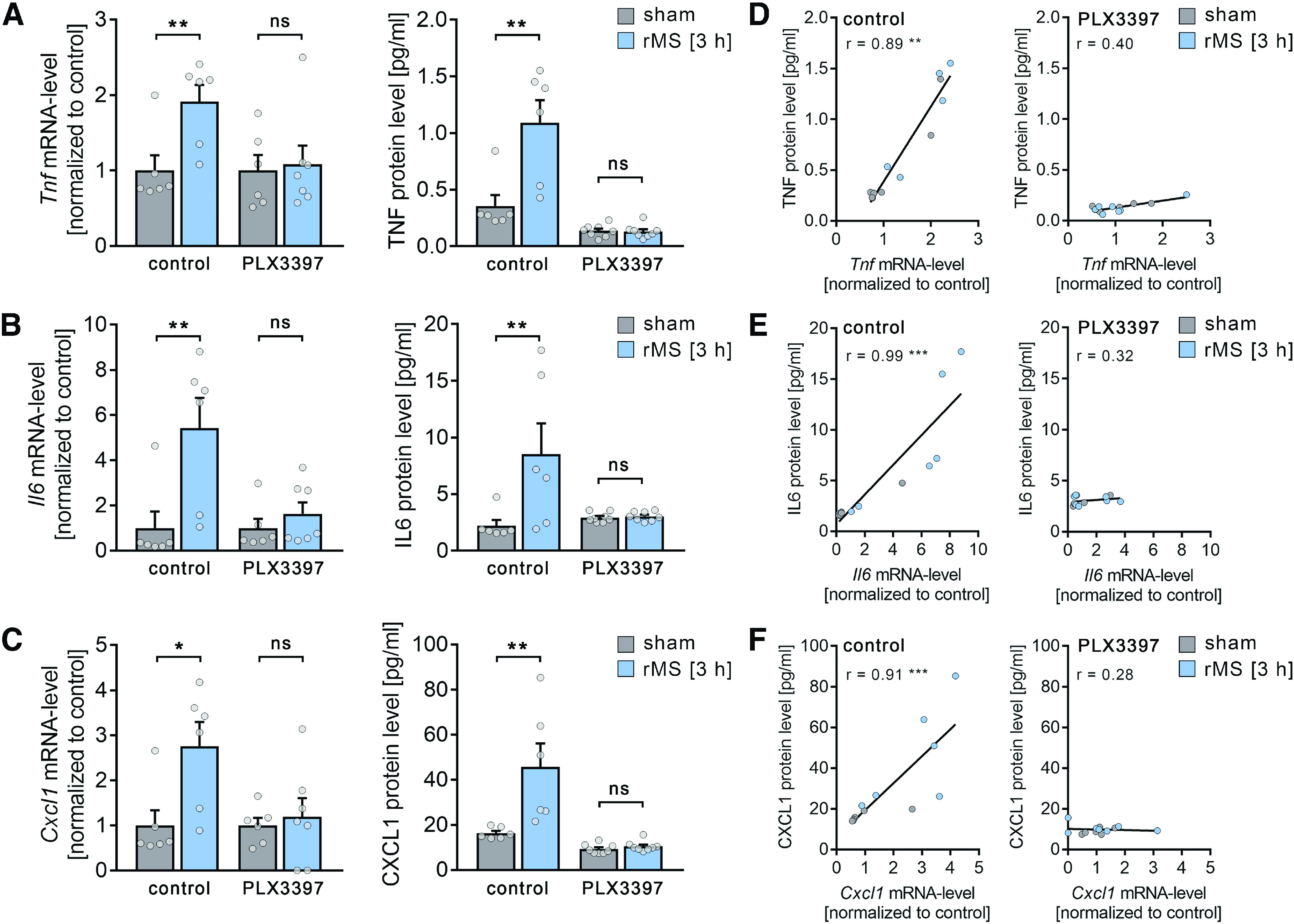
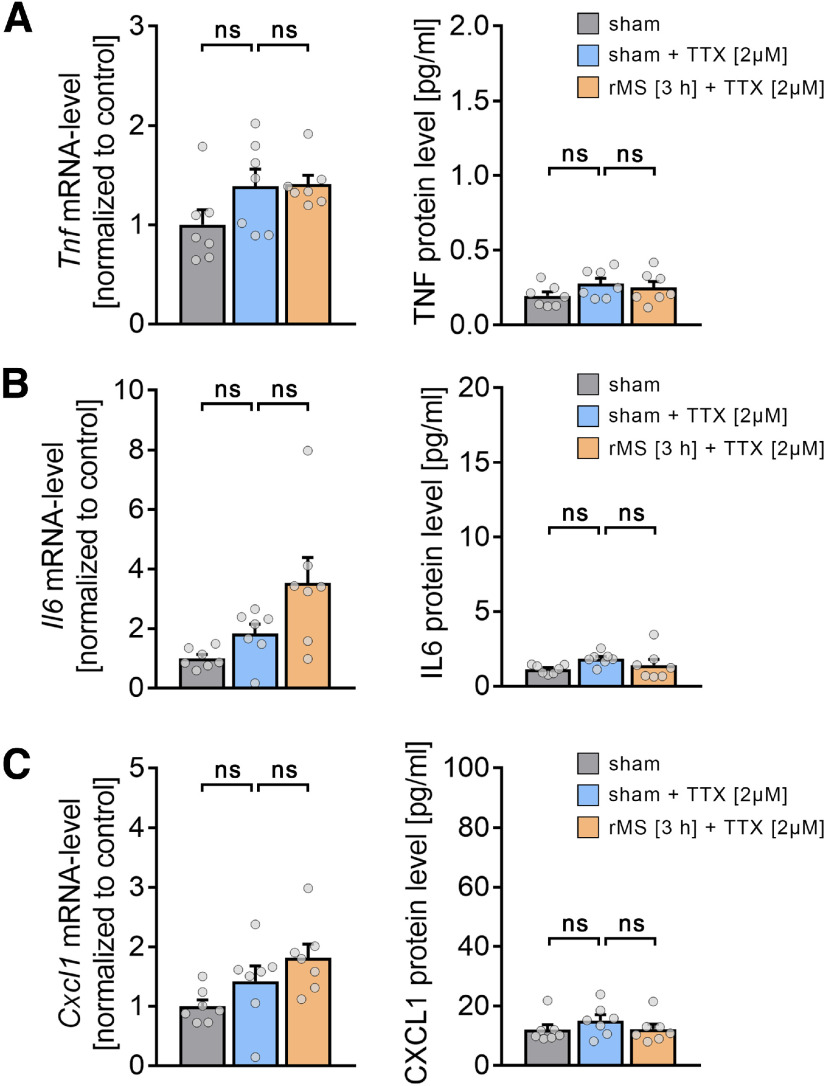
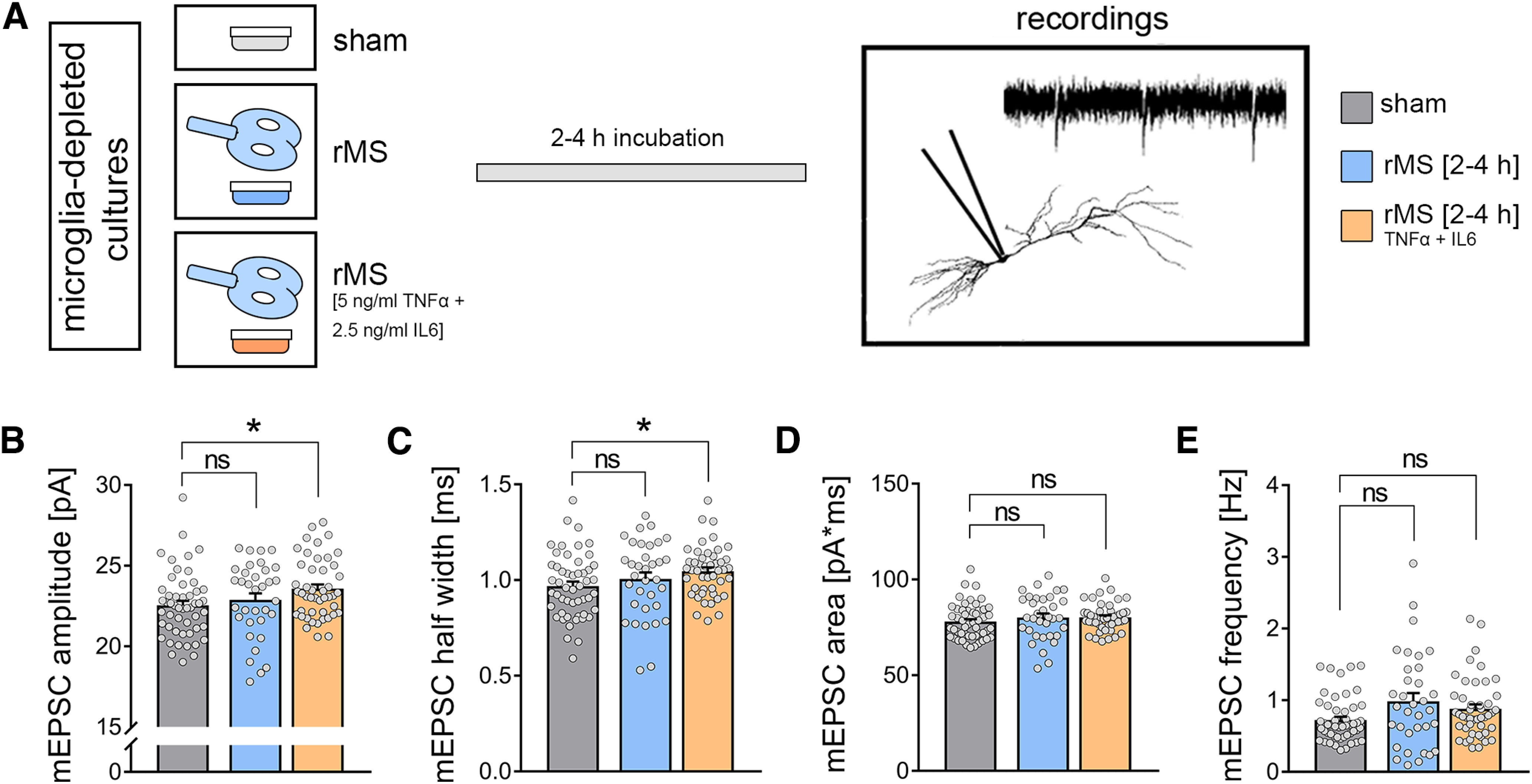
Microglia, the resident immune cells of the CNS, sense the activity of neurons and regulate physiological brain functions. They have been implicated in the pathology of brain diseases associated with alterations in neural excitability and plasticity. However, experimental and therapeutic approaches that modulate microglia function in a brain region-specific manner have not been established. In this study, we tested for the effects of repetitive transcranial magnetic stimulation (rTMS), a clinically used noninvasive brain stimulation technique, on microglia-mediated synaptic plasticity; 10 Hz electromagnetic stimulation triggered a release of plasticity-promoting cytokines from microglia in mouse organotypic brain tissue cultures of both sexes, while no significant changes in microglial morphology or microglia dynamics were observed. Indeed, substitution of tumor necrosis factor α (TNFα) and interleukin 6 (IL6) preserved synaptic plasticity induced by 10 Hz stimulation in the absence of microglia. Consistent with these findings, depletion of microglia abolished rTMS-induced changes in neurotransmission in the mPFC of anesthetized mice of both sexes. We conclude that rTMS affects neural excitability and plasticity by modulating the release of cytokines from microglia. Repetitive transcranial magnetic stimulation (rTMS) is a noninvasive brain stimulation technique that induces cortical plasticity. Despite its wide use in neuroscience and clinical practice (e.g., depression treatment), the cellular and molecular mechanisms of rTMS-mediated plasticity remain not well understood. Herein, we report an important role of microglia and plasticity-promoting cytokines in synaptic plasticity induced by 10 Hz rTMS in organotypic slice cultures and anesthetized mice, thereby identifying microglia-mediated synaptic adaptation as a target of rTMS-based interventions.
小胶质细胞是中枢神经系统的固有免疫细胞,能感知神经元的活动并调节大脑的生理功能。它们与神经兴奋性和可塑性改变相关的脑疾病的病理学有关。然而,尚未建立以特定于脑区的方式调节小胶质细胞功能的实验和治疗方法。在这项研究中,我们测试了重复经颅磁刺激(rTMS)的作用,rTMS 是一种临床使用的非侵入性脑刺激技术,对小胶质细胞介导的突触可塑性的影响;10 Hz 电磁刺激可触发两性小鼠器官型脑组织培养物中小胶质细胞释放促进可塑性的细胞因子,而未观察到小胶质细胞形态或小胶质细胞动力学的显著变化。实际上,肿瘤坏死因子 α(TNFα)和白细胞介素 6(IL6)的替代物可在没有小胶质细胞的情况下保留 10 Hz 刺激诱导的突触可塑性。与这些发现一致的是,小胶质细胞耗竭消除了 rTMS 在麻醉的雌雄小鼠的 mPFC 中诱导的神经传递变化。我们得出结论,rTMS 通过调节小胶质细胞细胞因子的释放来影响神经兴奋性和可塑性。重复经颅磁刺激(rTMS)是一种非侵入性脑刺激技术,可诱导皮质可塑性。尽管它在神经科学和临床实践中(例如,抑郁症治疗)得到广泛应用,但 rTMS 介导的可塑性的细胞和分子机制仍未得到很好的理解。在此,我们报告了在器官型切片培养物和麻醉小鼠中,10 Hz rTMS 诱导的突触可塑性中小胶质细胞和促进可塑性的细胞因子的重要作用,从而确定了小胶质细胞介导的突触适应是 rTMS 为基础的干预的靶标。