Damiani Francesca, Giuliano Maria Grazia, Cornuti Sara, Putignano Elena, Tognozzi Andrea, Suckow Vanessa, Kalscheuer Vera M, Pizzorusso Tommaso, Tognini Paola
Laboratory of Biology BIO@SNS, Scuola Normale Superiore, Piazza dei Cavalieri 7, 56126 Pisa, Italy.
Laboratory of Biology BIO@SNS, Scuola Normale Superiore, Piazza dei Cavalieri 7, 56126 Pisa, Italy; Health Science Interdisciplinary Center, Sant'Anna School of Advanced Studies, Piazza Martiri della Libertà 33, 56127 Pisa, Italy.
Cell Rep. 2025 Apr 22;44(4):115546. doi: 10.1016/j.celrep.2025.115546. Epub 2025 Apr 10.
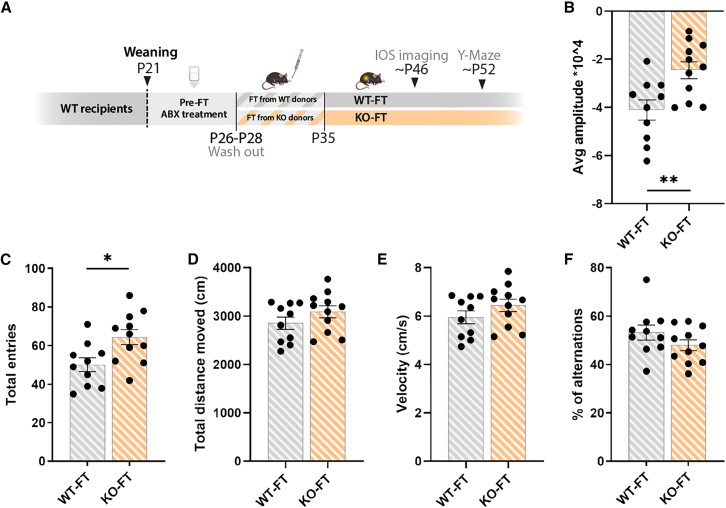
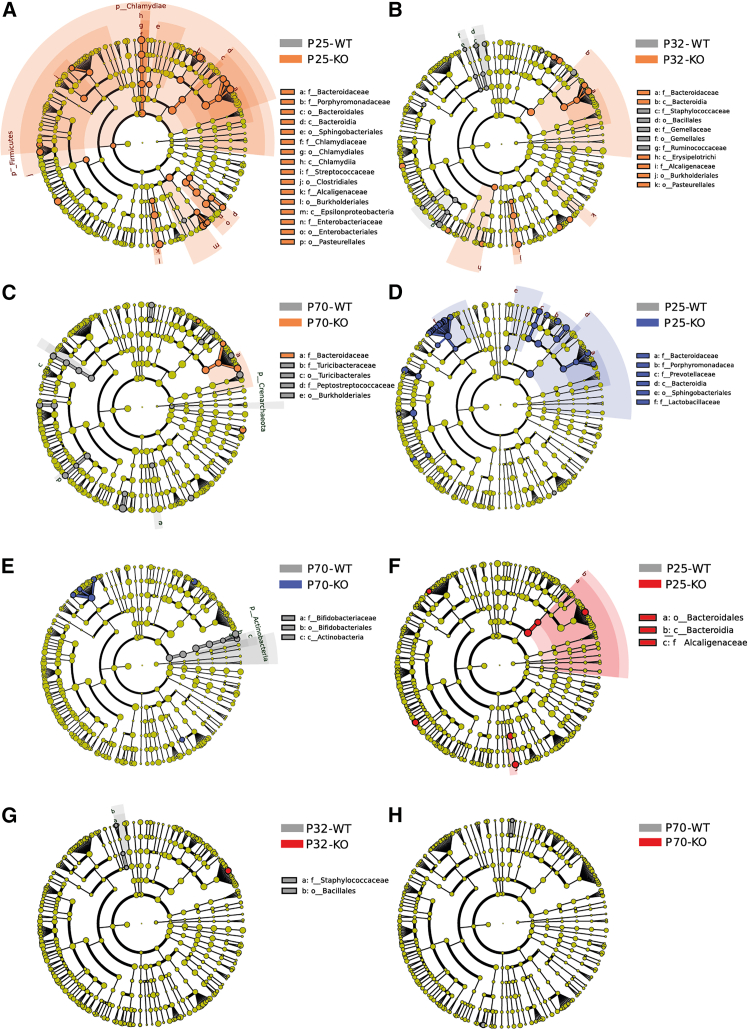
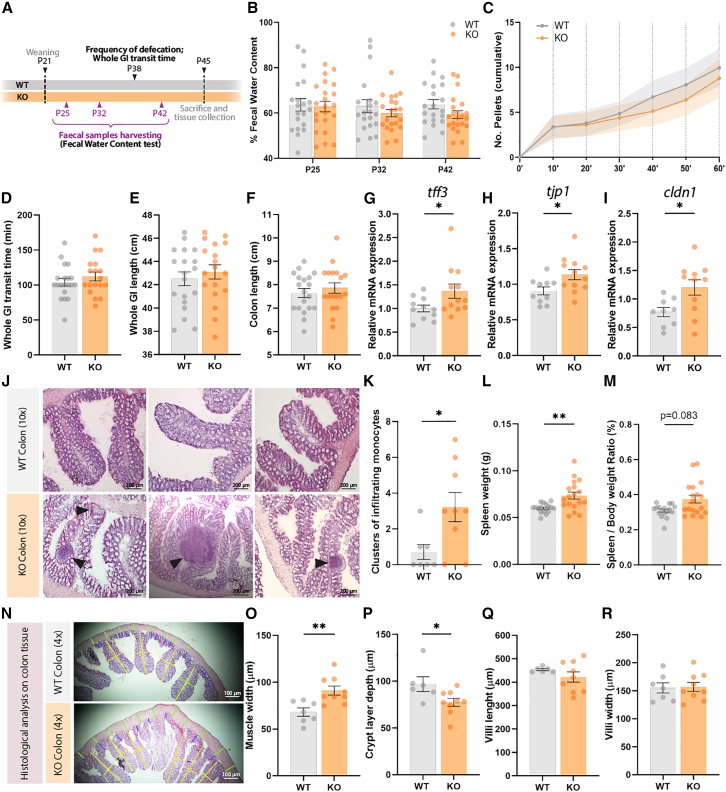
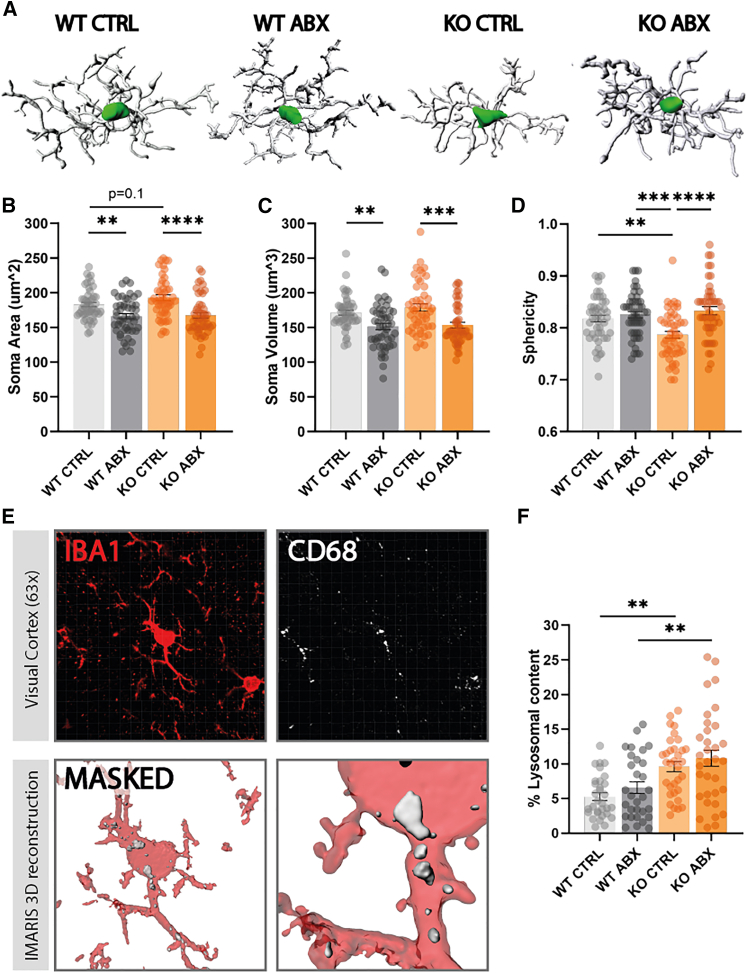
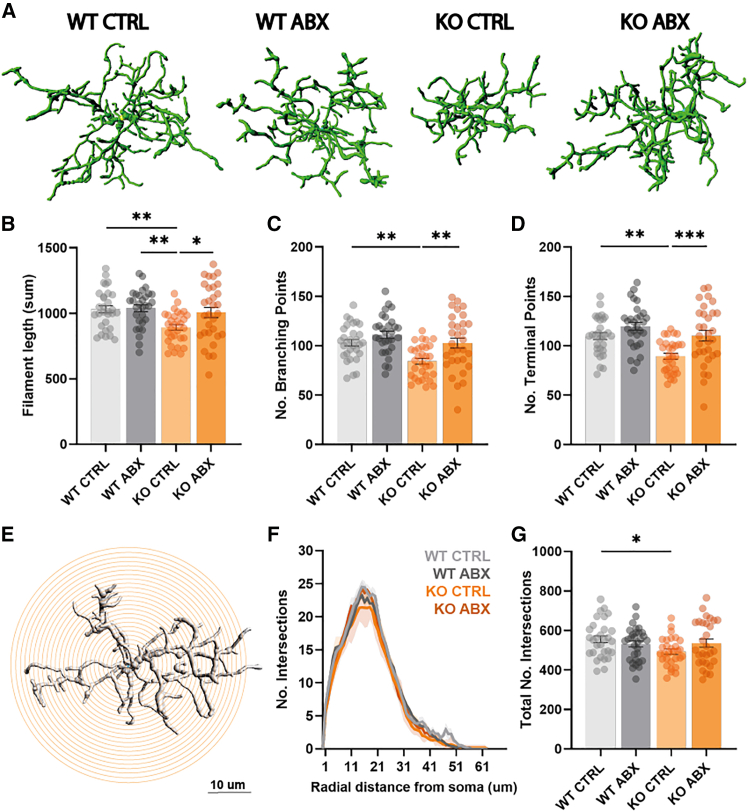
Cyclin-dependent kinase-like 5 (CDKL5) deficiency disorder (CDD) is a rare neurodevelopmental disorder often associated with gastrointestinal (GI) issues and subclinical immune dysregulation, suggesting a link to the gut microbiota. We analyze the fecal microbiota composition in two CDKL5 knockout (KO) mouse models at postnatal days (P) 25, 32 (youth), and 70 (adulthood), revealing significant microbial imbalances, particularly during juvenile stages. To investigate the role of the intestinal microbiota in CDD and assess causality, we administer antibiotics, which lead to improved visual cortical responses and reduce hyperactivity. Additionally, microglia morphology changes, indicative of altered surveillance and activation states, are reversed. Strikingly, fecal transplantation from CDKL5 KO to wild-type (WT) recipient mice successfully transfers both visual response deficits and hyperactive behavior. These findings show that gut microbiota alterations contribute to the severity of neurological symptoms in CDD, shedding light on the interplay between microbiota, microglia, and neurodevelopmental outcomes.
细胞周期蛋白依赖性激酶样5(CDKL5)缺乏症(CDD)是一种罕见的神经发育障碍,常与胃肠道(GI)问题和亚临床免疫失调相关,提示与肠道微生物群存在联系。我们分析了两种CDKL5基因敲除(KO)小鼠模型在出生后第25天、32天(幼年)和70天(成年)时的粪便微生物群组成,发现存在显著的微生物失衡,尤其是在幼年阶段。为了研究肠道微生物群在CDD中的作用并评估因果关系,我们使用了抗生素,结果视觉皮层反应得到改善,多动症状减轻。此外,小胶质细胞形态的变化(表明监测和激活状态改变)也得到了逆转。令人惊讶的是,将CDKL5 KO小鼠的粪便移植到野生型(WT)受体小鼠中,成功地传递了视觉反应缺陷和多动行为。这些发现表明,肠道微生物群的改变会导致CDD神经症状的严重程度增加,揭示了微生物群、小胶质细胞和神经发育结果之间的相互作用。