Majnooni Mohammad Bagher, Fakhri Sajad, Ghanadian Syed Mustafa, Bahrami Gholamreza, Mansouri Kamran, Iranpanah Amin, Farzaei Mohammad Hosein, Mojarrab Mahdi
Student Research Committee, Kermanshah University of Medical Sciences, Kermanshah 6714415153, Iran.
Pharmaceutical Sciences Research Center, Health Institute, Kermanshah University of Medical Sciences, Kermanshah 6734667149, Iran.
Metabolites. 2023 Feb 22;13(3):323. doi: 10.3390/metabo13030323.
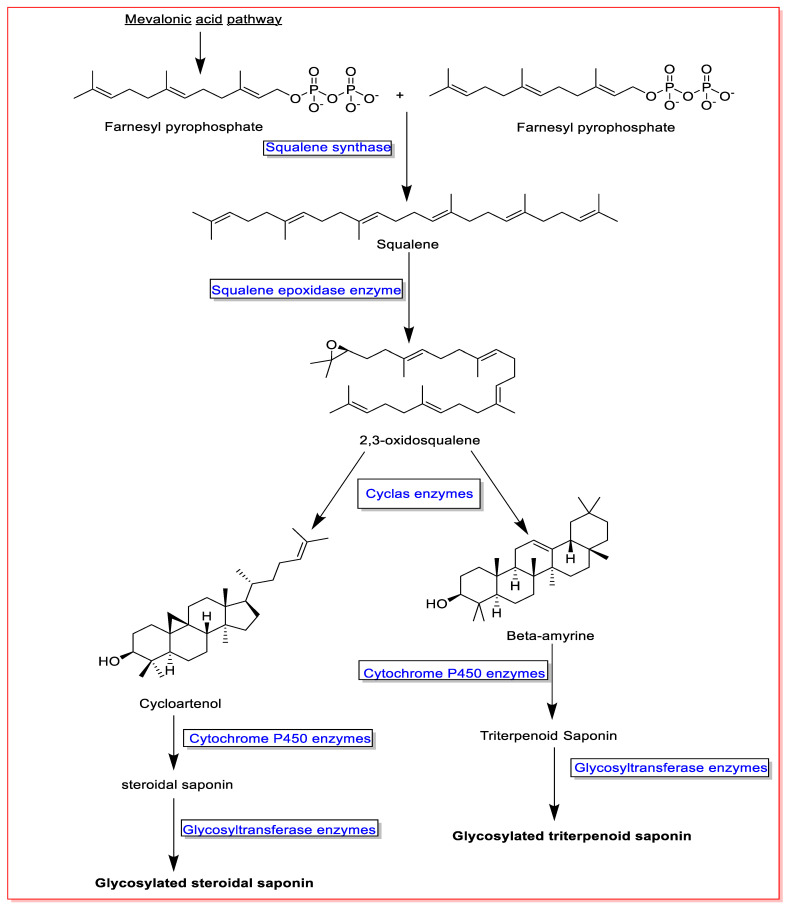
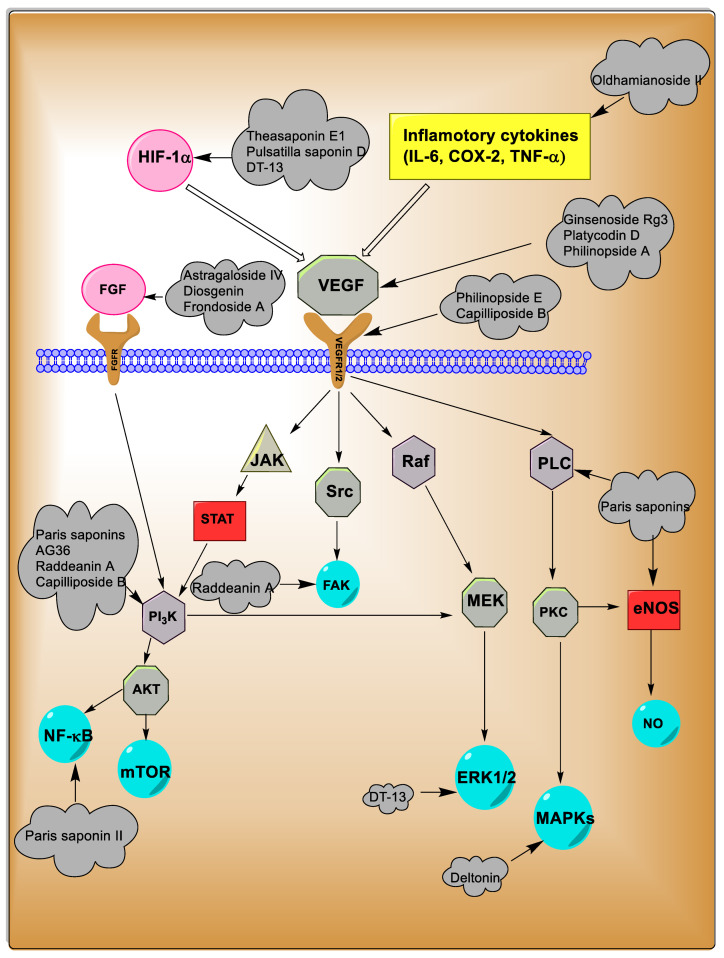
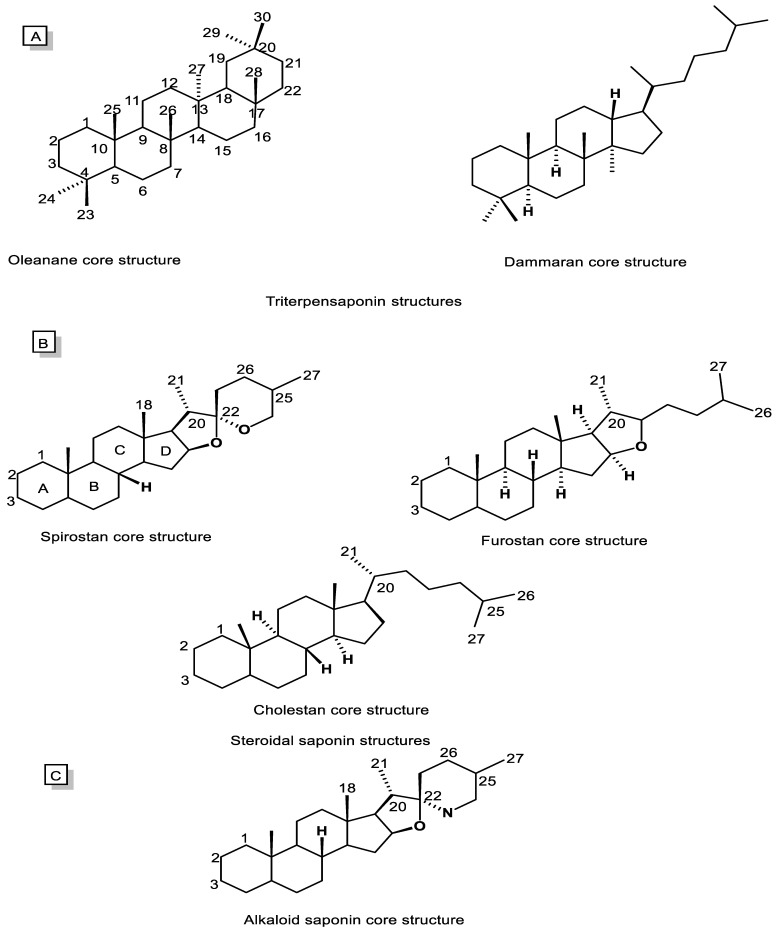
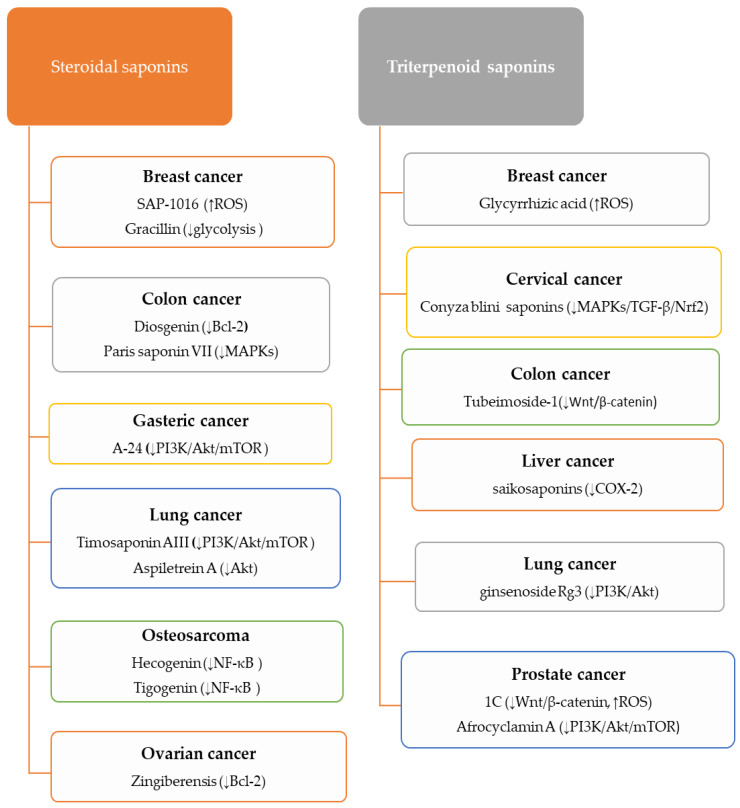
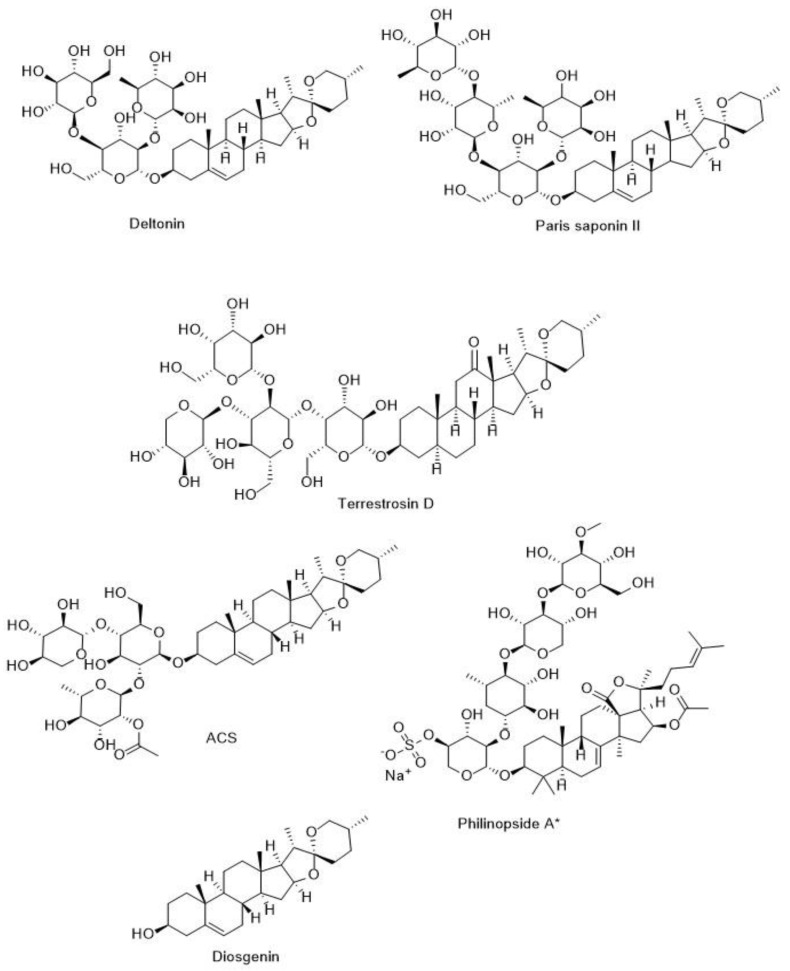
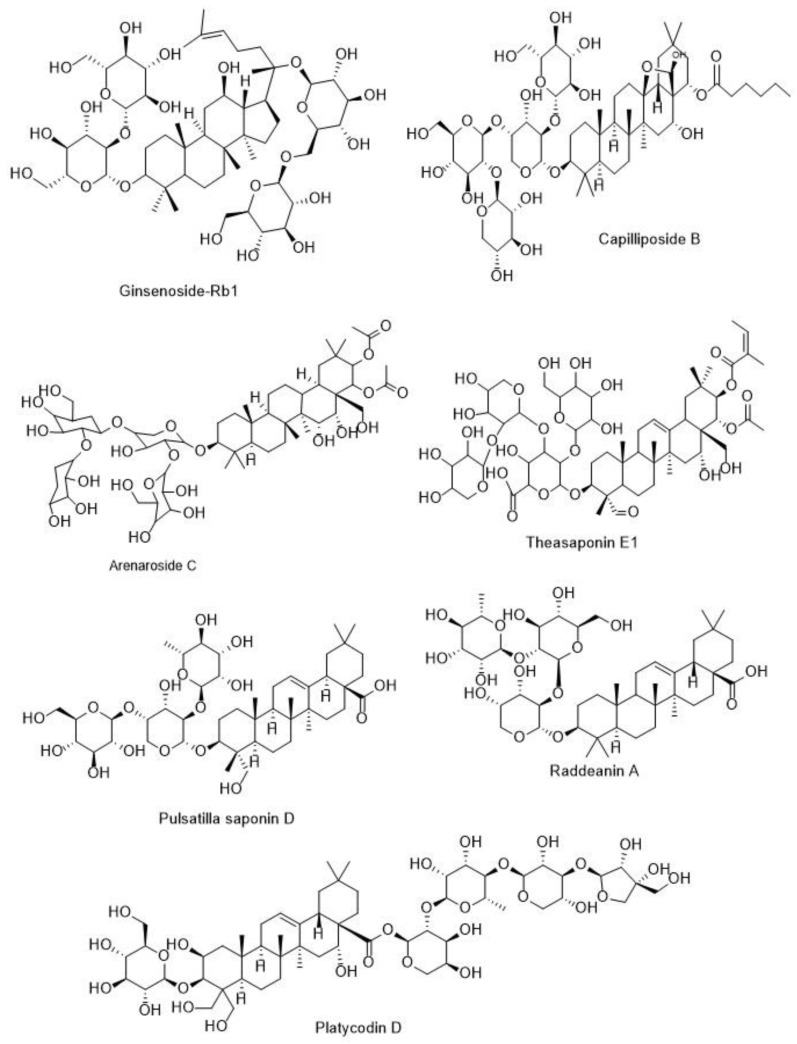
Saponins are one of the broadest classes of high-molecular-weight natural compounds, consisting mainly of a non-polar moiety with 27 to 30 carbons and a polar moiety containing sugars attached to the sapogenin structure. Saponins are found in more than 100 plant families as well as found in marine organisms. Saponins have several therapeutic effects, including their administration in the treatment of various cancers. These compounds also reveal noteworthy anti-angiogenesis effects as one of the critical strategies for inhibiting cancer growth and metastasis. In this study, a comprehensive review is performed on electronic databases, including PubMed, Scopus, ScienceDirect, and ProQuest. Accordingly, the structural characteristics of triterpenoid/steroid saponins and their anti-cancer effects were highlighted, focusing on their anti-angiogenic effects and related mechanisms. Consequently, the anti-angiogenic effects of saponins, inhibiting the expression of genes related to vascular endothelial growth factor (VEGF) and hypoxia-inducible factor 1-α (HIF-1α) are two main anti-angiogenic mechanisms of triterpenoid and steroidal saponins. The inhibition of inflammatory signaling pathways that stimulate angiogenesis, such as pro-inflammatory cytokines, mitogen-activated protein kinase (MAPKs), and phosphoinositide 3-kinases/protein kinase B (PI3K/Akt), are other anti-angiogenic mechanisms of saponins. Furthermore, the anti-angiogenic and anti-cancer activity of saponins was closely related to the binding site of the sugar moiety, the type and number of their monosaccharide units, as well as the presence of some functional groups in their aglycone structure. Therefore, saponins are suitable candidates for cancer treatment by inhibiting angiogenesis, for which extensive pre-clinical and comprehensive clinical trial studies are recommended.
皂苷是一类最广泛的高分子量天然化合物,主要由一个含27至30个碳原子的非极性部分和一个连接在皂苷元结构上含糖的极性部分组成。皂苷存在于100多个植物科以及海洋生物中。皂苷具有多种治疗作用,包括用于治疗各种癌症。这些化合物还显示出显著的抗血管生成作用,这是抑制癌症生长和转移的关键策略之一。在本研究中,对包括PubMed、Scopus、ScienceDirect和ProQuest在内的电子数据库进行了全面综述。因此,重点突出了三萜类/甾体皂苷的结构特征及其抗癌作用,尤其关注它们的抗血管生成作用及相关机制。结果表明,皂苷的抗血管生成作用,即抑制与血管内皮生长因子(VEGF)和缺氧诱导因子1-α(HIF-1α)相关基因的表达,是三萜类和甾体皂苷的两种主要抗血管生成机制。抑制刺激血管生成的炎症信号通路,如促炎细胞因子、丝裂原活化蛋白激酶(MAPKs)和磷脂酰肌醇3-激酶/蛋白激酶B(PI3K/Akt),是皂苷的其他抗血管生成机制。此外,皂苷的抗血管生成和抗癌活性与糖部分的结合位点、单糖单元的类型和数量以及苷元结构中某些官能团的存在密切相关。因此,皂苷是通过抑制血管生成进行癌症治疗的合适候选物,为此建议进行广泛的临床前和全面的临床试验研究。