Domínguez-Arca Vicente, Hellweg Thomas, Antelo Luis T
Biosystems and Bioprocess Engineering (Bio2Eng) Group, Institute of Marine Research of Spanish Research Council, IIM-CSIC, C/Eduardo Cabello 6, 36208 Vigo, Spain.
Faculty of Chemistry, Physical and Biophysical Chemistry, Bielefeld University, Universitätsstr. 25, 33615 Bielefeld, Germany.
Mar Drugs. 2025 May 26;23(6):227. doi: 10.3390/md23060227.
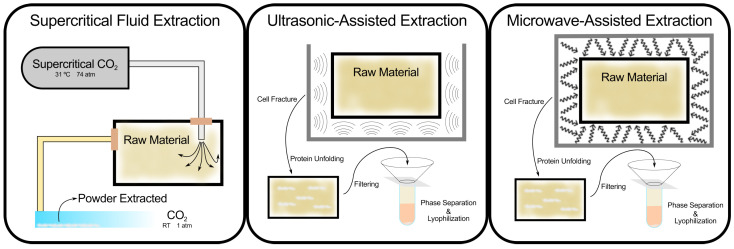
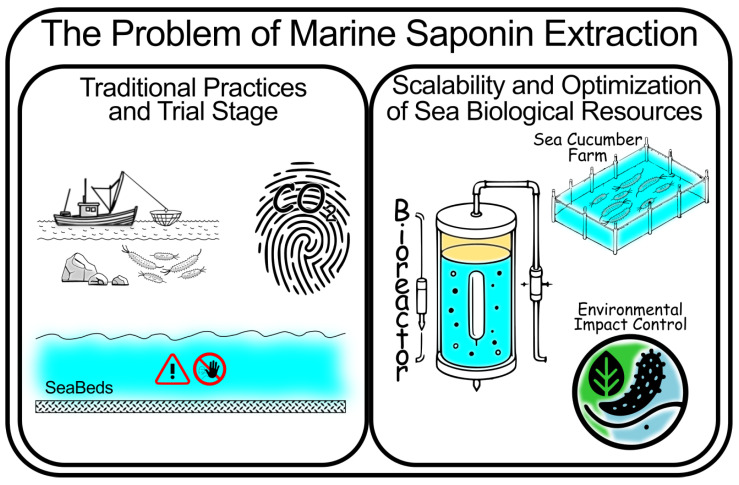
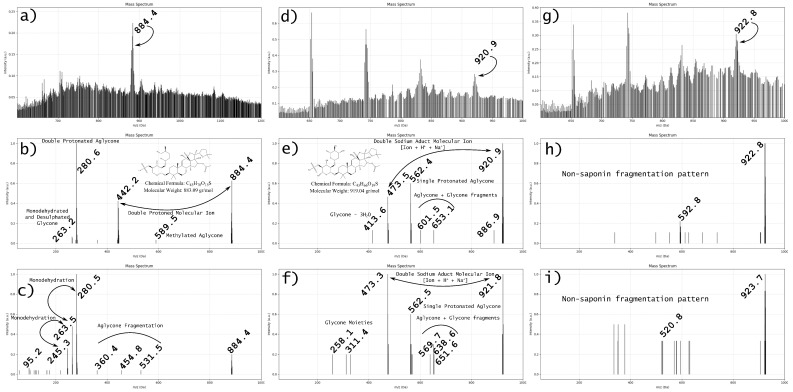
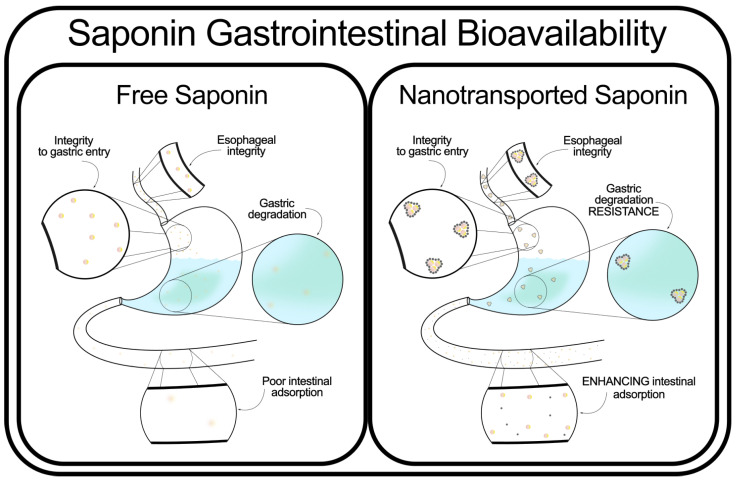
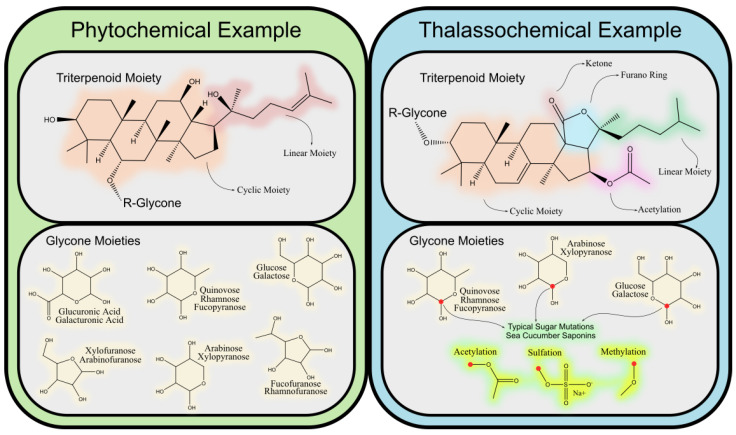
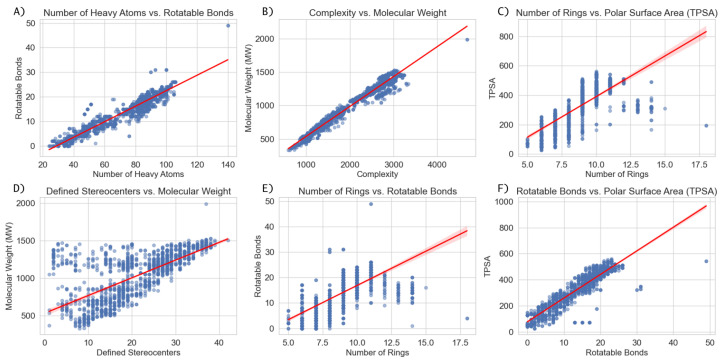
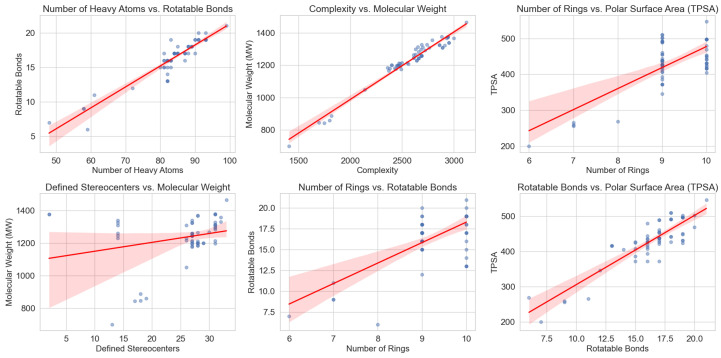
The expanding field of nutraceuticals and functional food science is increasingly turning to marine-derived bioactive compounds, particularly saponins, for their diverse pharmacological properties. These so-called thalassochemicals display distinctive structural features-such as sulfated glycosidic moieties and amphiphilic backbones-that underpin potent antitumor, hypolipidemic, antioxidant, and antimicrobial activities. In contrast to their terrestrial analogs, marine saponins remain underexplored, and their complexity poses analytical and functional challenges. This review provides a critical and integrative synthesis of recent advances in the structural elucidation, biological function, and technological application of marine saponins. Special emphasis is placed on the unresolved limitations in their isolation, characterization, and structural validation, including coelution of isomers, adduct formation in MS spectra, and lack of orthogonal techniques such as NMR or FTIR. We illustrate these limitations through original MS/MS data and propose experimental workflows to improve compound purity and identification fidelity. In addition to discussing known structure-activity relationships (SARs) and mechanisms of action, we extend the scope by integrating recent developments in computational modeling, including machine learning, molecular descriptors, and quantitative structure-activity relationship (QSAR) models. These tools offer new avenues for predicting saponin bioactivity, despite current limitations in available high-quality datasets. Furthermore, we include a classification and comparison of steroidal and triterpenoid saponins from marine versus terrestrial sources, complemented by detailed chemical schematics. We also address the impact of processing techniques, delivery systems, and bioavailability enhancements using encapsulation and nanocarriers. Finally, this review contextualizes these findings within the regulatory and sustainability frameworks that shape the future of saponin commercialization. By bridging analytical chemistry, computational biology, and food technology, this work establishes a roadmap for the targeted development of marine saponins as next-generation nutraceuticals and functional food ingredients.
营养保健品和功能食品科学这一不断拓展的领域越来越多地转向海洋来源的生物活性化合物,尤其是皂苷,因其具有多样的药理特性。这些所谓的海洋化合物具有独特的结构特征,如硫酸化糖苷部分和两亲性骨架,这些特征支撑着其强大的抗肿瘤、降血脂、抗氧化和抗菌活性。与陆地同类物相比,海洋皂苷的研究仍不充分,其复杂性带来了分析和功能方面的挑战。本综述对海洋皂苷在结构解析、生物学功能和技术应用方面的最新进展进行了批判性和综合性的总结。特别强调了其在分离、表征和结构验证方面尚未解决的局限性,包括异构体的共洗脱、质谱图中的加合物形成,以及缺乏核磁共振(NMR)或傅里叶变换红外光谱(FTIR)等正交技术。我们通过原始的串联质谱(MS/MS)数据来说明这些局限性,并提出实验工作流程以提高化合物纯度和鉴定准确性。除了讨论已知的构效关系(SARs)和作用机制外,我们还通过整合计算建模的最新进展来扩展范围,包括机器学习、分子描述符和定量构效关系(QSAR)模型。尽管目前高质量数据集存在局限性,但这些工具为预测皂苷生物活性提供了新途径。此外,我们对海洋和陆地来源的甾体皂苷和三萜皂苷进行了分类和比较,并辅以详细的化学示意图。我们还讨论了加工技术、递送系统以及使用包封和纳米载体提高生物利用度的影响。最后,本综述将这些发现置于塑造皂苷商业化未来的监管和可持续发展框架内。通过将分析化学、计算生物学和食品技术联系起来,这项工作为将海洋皂苷作为下一代营养保健品和功能食品成分进行靶向开发制定了路线图。