Olukitibi Titus A, Ao Zhujun, Warner Bryce, Unat Rodrigo, Kobasa Darwyn, Yao Xiaojian
Laboratory of Molecular Human Retrovirology, Winnipeg, MB R3E 0J9, Canada.
Department of Medical Microbiology, Max Rady College of Medicine, Rady Faculty of Health Sciences, University of Manitoba, Winnipeg, MB R3E 0J9, Canada.
Vaccines (Basel). 2023 Feb 24;11(3):545. doi: 10.3390/vaccines11030545.
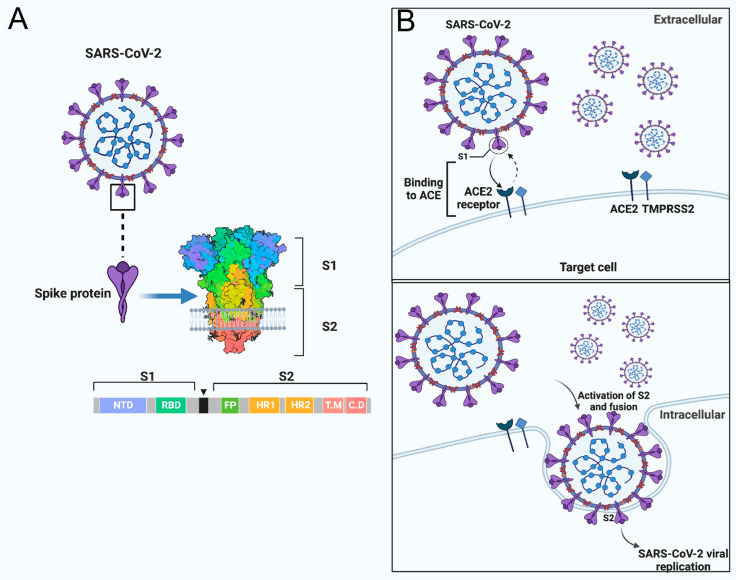
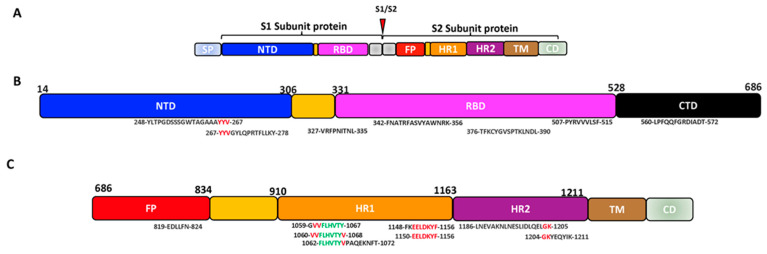
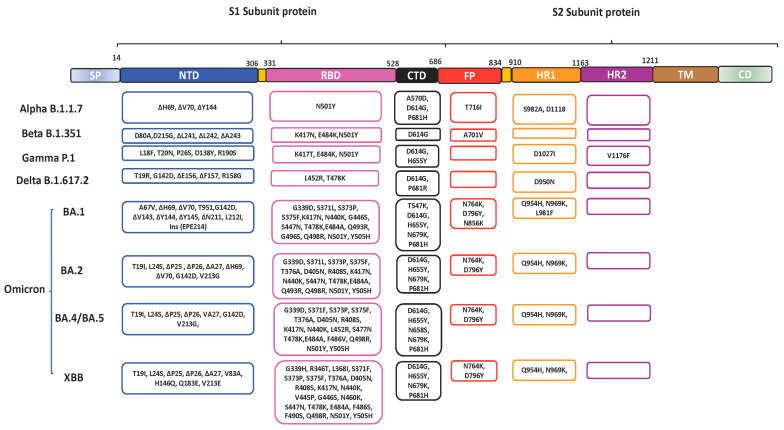
Over the years, several distinct pathogenic coronaviruses have emerged, including the pandemic SARS-CoV-2, which is difficult to curtail despite the availability of licensed vaccines. The difficulty in managing SARS-CoV-2 is linked to changes in the variants' proteins, especially in the spike protein (SP) used for viral entry. These mutations, especially in the SP, enable the virus to evade immune responses induced by natural infection or vaccination. However, some parts of the SP in the S1 subunit and the S2 subunit are considered conserved among coronaviruses. In this review, we will discuss the epitopes in the SARS-CoV-2 S1 and S2 subunit proteins that have been demonstrated by various studies to be conserved among coronaviruses and may be immunogenic for the development of a vaccine. Considering the higher conservancy of the S2, we will further discuss the likely challenges that could limit the S2 subunit from inducing robust immune responses and the promising approaches to increase its immunogenicity.
多年来,出现了几种不同的致病性冠状病毒,包括大流行的严重急性呼吸综合征冠状病毒2(SARS-CoV-2),尽管有许可疫苗,但仍难以遏制。管理SARS-CoV-2的困难与病毒变体蛋白质的变化有关,特别是用于病毒进入的刺突蛋白(SP)。这些突变,尤其是SP中的突变,使病毒能够逃避自然感染或疫苗接种诱导的免疫反应。然而,S1亚基和S2亚基中SP的某些部分在冠状病毒中被认为是保守的。在这篇综述中,我们将讨论严重急性呼吸综合征冠状病毒2 S1和S2亚基蛋白中的表位,各种研究已证明这些表位在冠状病毒中是保守的,并且可能对疫苗开发具有免疫原性。考虑到S2的保守性更高,我们将进一步讨论可能限制S2亚基诱导强大免疫反应的挑战以及提高其免疫原性的有前景的方法。