Stevens Sebastian, Gallagher Susan, Andrews Tim, Ashall-Payne Liz, Humphreys Lloyd, Leigh Simon
Research Department, Organisation for the Review of Care and Health Applications, Daresbury, United Kingdom.
Centre for Health Technology, University of Plymouth, Plymouth, United Kingdom.
Front Clin Diabetes Healthc. 2022 Oct 24;3:936752. doi: 10.3389/fcdhc.2022.936752. eCollection 2022.
Diabetes mellitus (DM) is a leading cause of morbidity and mortality worldwide. At the same time, digital health technologies (DHTs), which include mobile health apps (mHealth) have been rapidly gaining popularity in the self-management of chronic diseases, particularly following the COVID-19 pandemic. However, while a great variety of DM-specific mHealth apps exist on the market, the evidence supporting their clinical effectiveness is still limited.
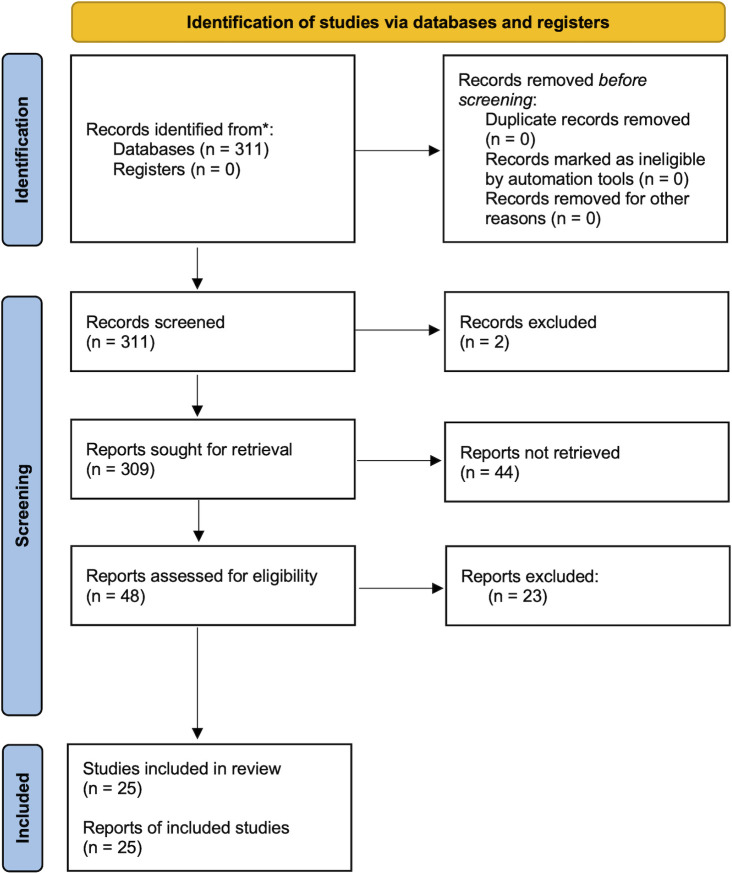
A systematic review was performed. A systematic search was conducted in a major electronic database to identify randomized controlled trials (RCTs) of mHealth interventions in DM published between June 2010 and June 2020. The studies were categorized by the type of DM and impact of DM-specific mHealth apps on the management of glycated haemoglobin (HbA1c) was analysed.
In total, 25 studies comprising 3,360 patients were included. The methodological quality of included trials was mixed. Overall, participants diagnosed with T1DM, T2DM and Prediabetes all demonstrated greater improvements in HbA1c as a result of using a DHT compared with those who experienced usual care. The analysis revealed an overall improvement in HbA1c compared with usual care, with a mean difference of -0.56% for T1DM, -0.90% for T2DM and -0.26% for Prediabetes.
DM-specific mHealth apps may reduce HbA1c levels in patients with T1DM, T2DM and Prediabetes. The review highlights a need for further research on the wider clinical effectiveness of diabetes-specific mHealth specifically within T1DM and Prediabetes. These should include measures which go beyond HbA1c, capturing outcomes including short-term glycemic variability or hypoglycemic events.
糖尿病(DM)是全球发病和死亡的主要原因。与此同时,包括移动健康应用程序(mHealth)在内的数字健康技术(DHTs)在慢性病的自我管理中迅速普及,尤其是在新冠疫情之后。然而,尽管市场上存在各种各样的糖尿病专用移动健康应用程序,但支持其临床有效性的证据仍然有限。
进行了一项系统评价。在一个主要的电子数据库中进行了系统检索,以识别2010年6月至2020年6月期间发表的关于糖尿病移动健康干预措施的随机对照试验(RCTs)。这些研究按糖尿病类型进行分类,并分析了糖尿病专用移动健康应用程序对糖化血红蛋白(HbA1c)管理的影响。
总共纳入了25项研究,涉及3360名患者。纳入试验的方法学质量参差不齐。总体而言,与接受常规护理的患者相比,被诊断为1型糖尿病(T1DM)、2型糖尿病(T2DM)和糖尿病前期的参与者在使用数字健康技术后糖化血红蛋白均有更大改善。分析显示,与常规护理相比,糖化血红蛋白总体有所改善,1型糖尿病的平均差异为-0.56%,2型糖尿病为-0.90%,糖尿病前期为-0.26%。
糖尿病专用移动健康应用程序可能会降低1型糖尿病、2型糖尿病和糖尿病前期患者的糖化血红蛋白水平。该评价强调需要进一步研究糖尿病专用移动健康在更广泛临床有效性方面的作用,特别是在1型糖尿病和糖尿病前期患者中。这些研究应包括超越糖化血红蛋白的测量指标,涵盖短期血糖变异性或低血糖事件等结果。