Smell and Taste Clinic, Department of Otorhinolaryngology, University Hospital Carl Gustav Carus, Technische Universität Dresden, Dresden, Germany.
Smell and Taste Clinic, 2nd ORL Academic Department, Aristotle University, Thessaloniki, Greece.
ORL J Otorhinolaryngol Relat Spec. 2023;85(5):253-263. doi: 10.1159/000529563. Epub 2023 Mar 30.
Current scientific developments seem to allow for an "olfactory implant" in analogy to cochlear implants. However, the position and surgical approaches for electrical stimulation of the olfactory system are unclear.
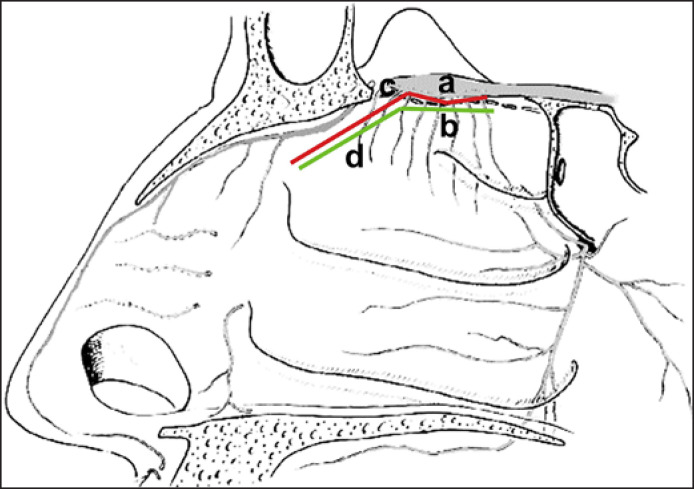
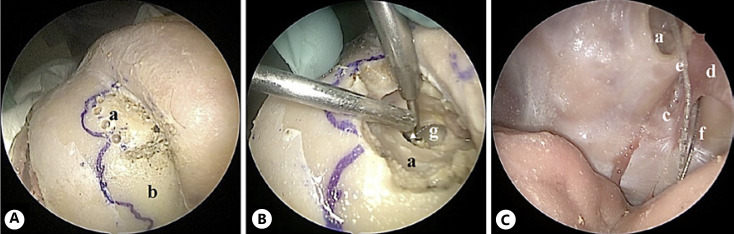
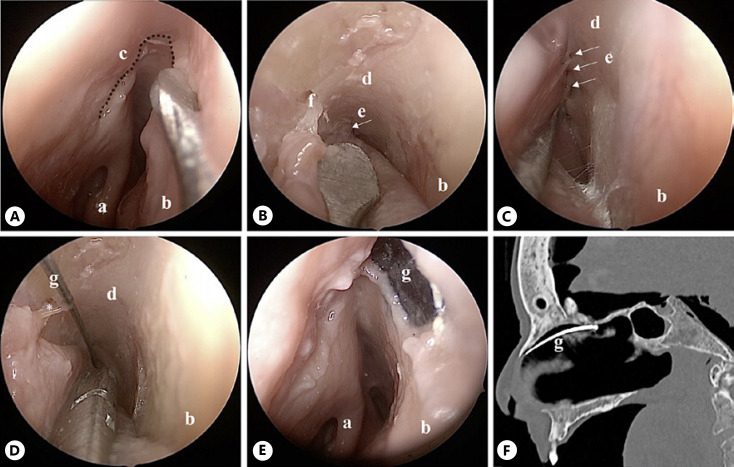
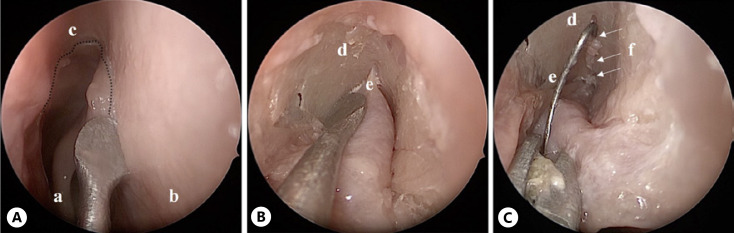
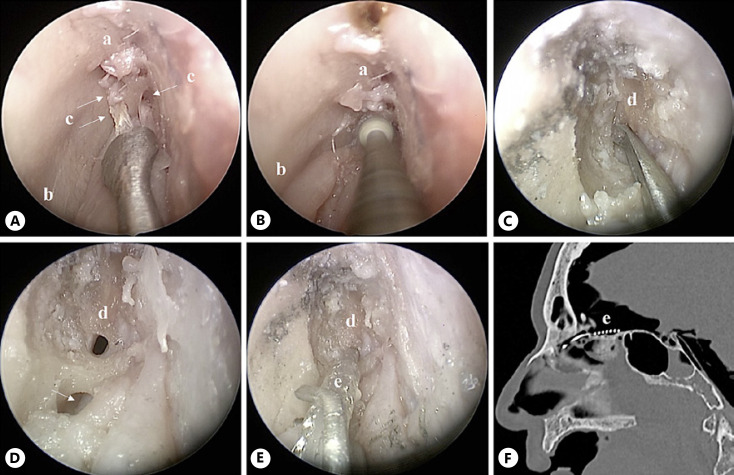
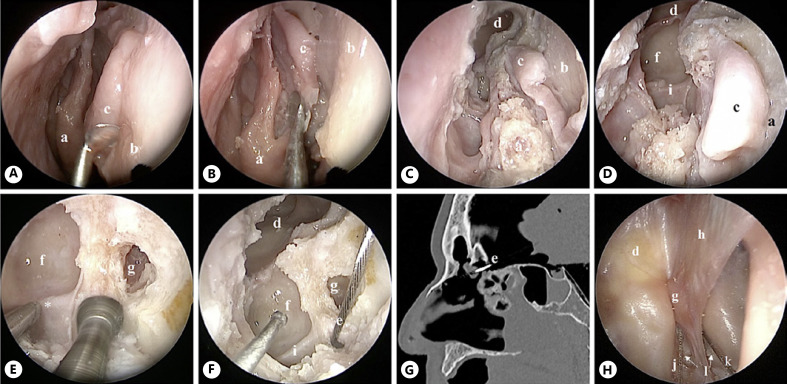
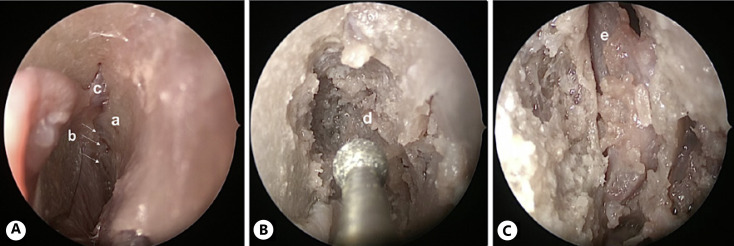
In a human anatomic cadaver study, we investigated different endoscopic approaches to electrically stimulate the olfactory bulb (OB) based on the following considerations: (1) the stimulating electrode should be close to the OB. (2) The surgical procedure should be as non-invasive and safe as possible and (3) as easy as possible for an experienced ENT surgeon.
In summary, the endoscopic intracranial positioning of the electrode via a widened ostium of the fila olfactoria or a frontal sinus surgery like a Draf IIb procedure is a good option in terms of patients' risk, degree of difficulty for ENT surgeons, and position to the OB. Endoscopic intranasal positioning appeared to be the best option in terms of patient risk and the degree of difficulty for ENT surgeons. Although a bigger approach to the OB using a drill and the combined intranasal endoscopic and external approach enabled a close placement of the electrode to the OB, they do not seem relevant in practice due to their higher invasiveness.
The study suggested that an intranasal positioning of a stimulating electrode is possible, with placements beneath the cribriform plate, extra- or intracranially, applying elegant surgical techniques with low or medium risk to the patient and a close placement to OB.
目前的科学发展似乎允许类似于耳蜗植入的“嗅觉植入”。然而,电刺激嗅觉系统的位置和手术方法尚不清楚。
在一项人体解剖尸体研究中,我们根据以下考虑因素研究了不同的经内镜电刺激嗅球(OB)的方法:(1)刺激电极应靠近 OB。(2)手术过程应尽可能非侵入性和安全,(3)对于有经验的耳鼻喉科医生来说应尽可能容易。
总之,通过扩大嗅丝的管腔或类似于 Draf IIb 手术的额窦手术,经内镜将电极颅内定位到 OB 是一种很好的选择,这在患者风险、耳鼻喉科医生的难度程度和 OB 的位置方面都是如此。经内镜鼻腔内定位在患者风险和耳鼻喉科医生难度程度方面似乎是最佳选择。尽管使用钻头和经鼻内镜与外部联合应用的更大 OB 方法可以使电极更靠近 OB,但由于其侵入性更大,因此在实践中似乎并不相关。
该研究表明,刺激电极的经鼻内定位是可能的,可以在筛板下方、颅外或颅内进行,采用低风险或中等风险的优雅手术技术,将电极与 OB 紧密放置。