Department of Anatomical and Cellular Pathology, State Key Laboratory of Translational Oncology, The Chinese University of Hong Kong, Shatin, Hong Kong.
Guangdong Provincial Key Laboratory of Regional Immunity and Diseases, Carson International Cancer Center, Department of Pharmacology, Shenzhen University Health Science Center, Shenzhen, China.
Nat Commun. 2023 Mar 31;14(1):1794. doi: 10.1038/s41467-023-37515-8.
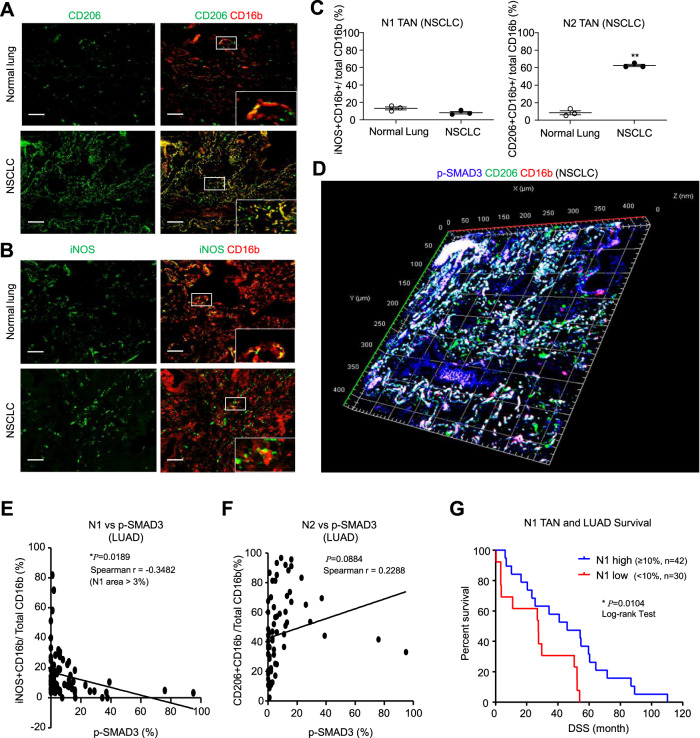
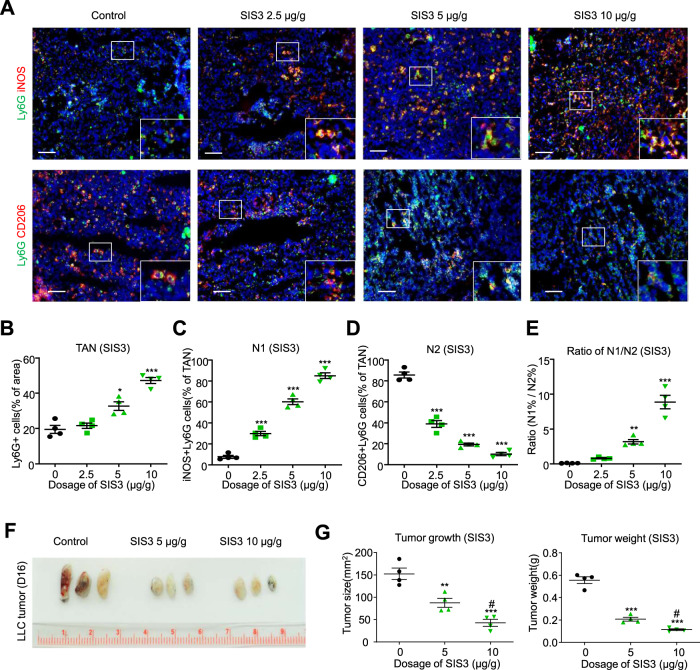
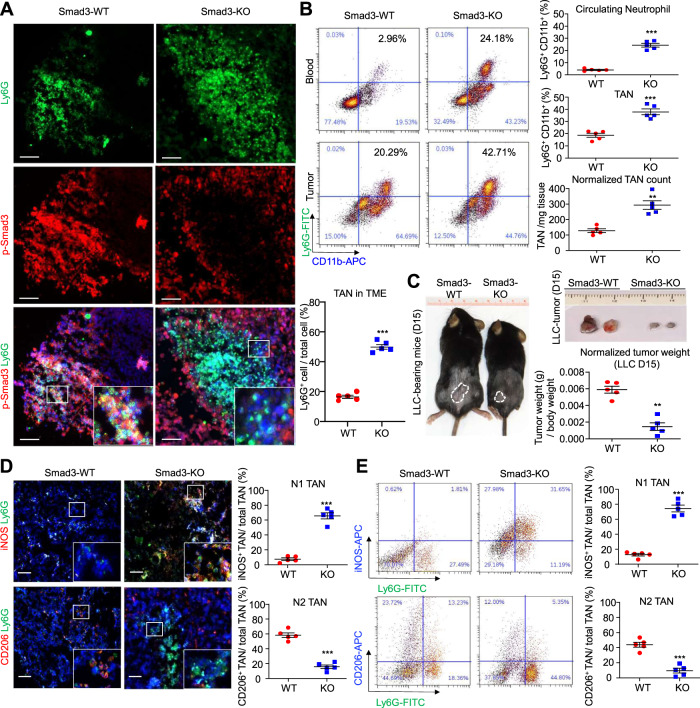
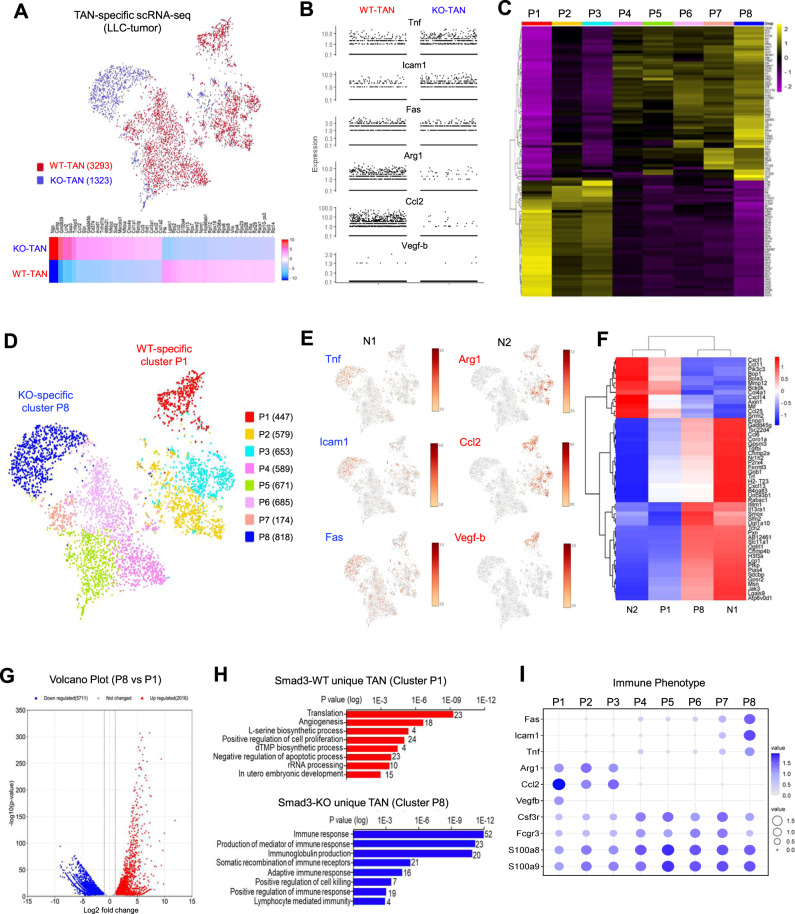
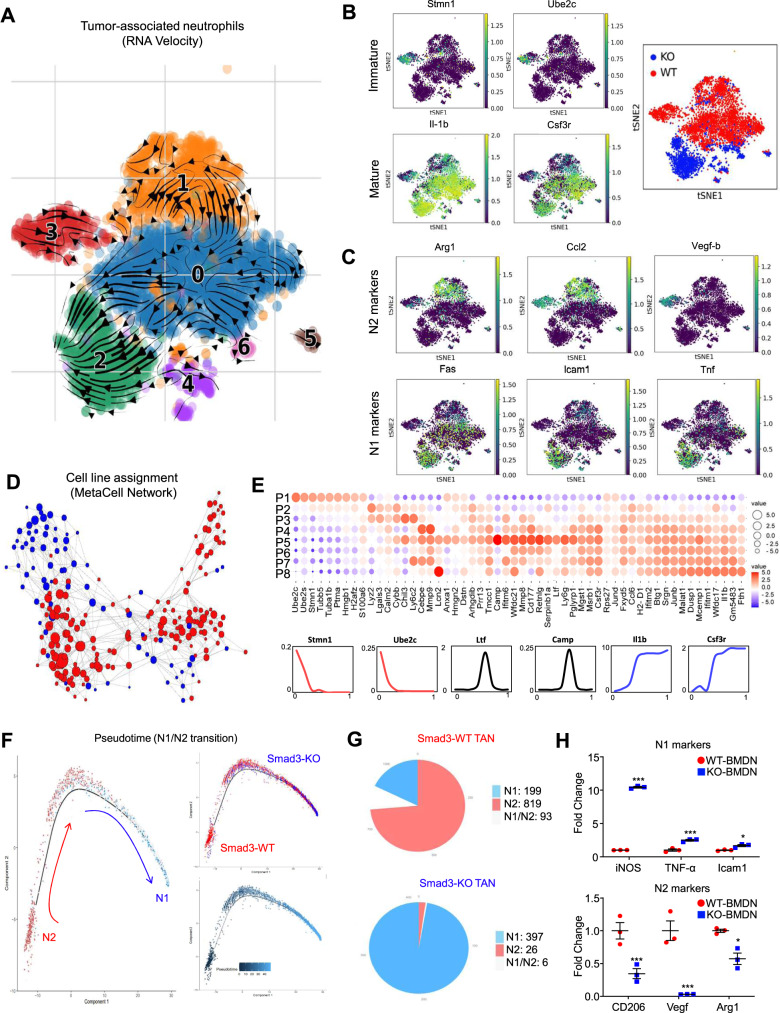
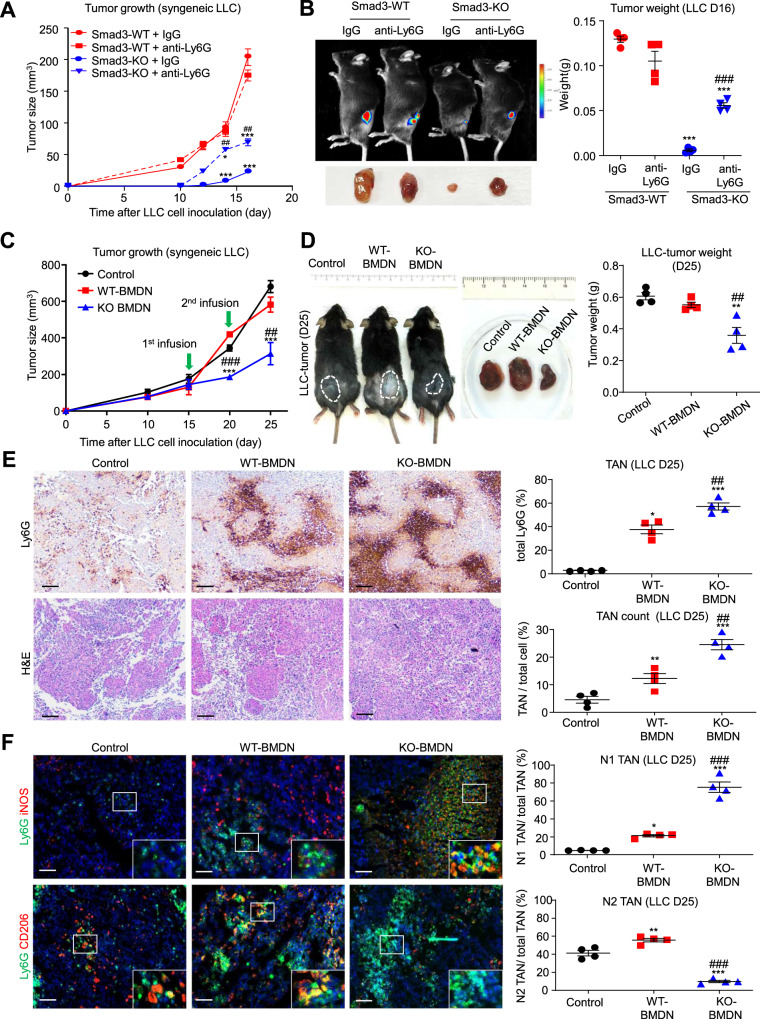
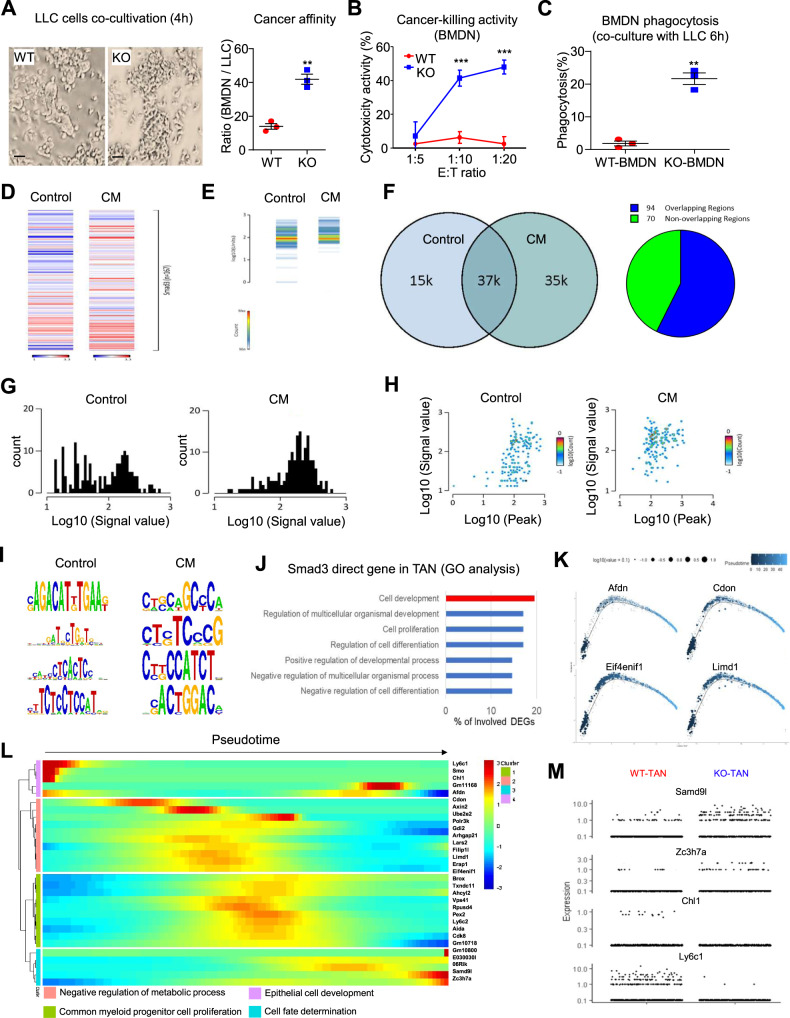
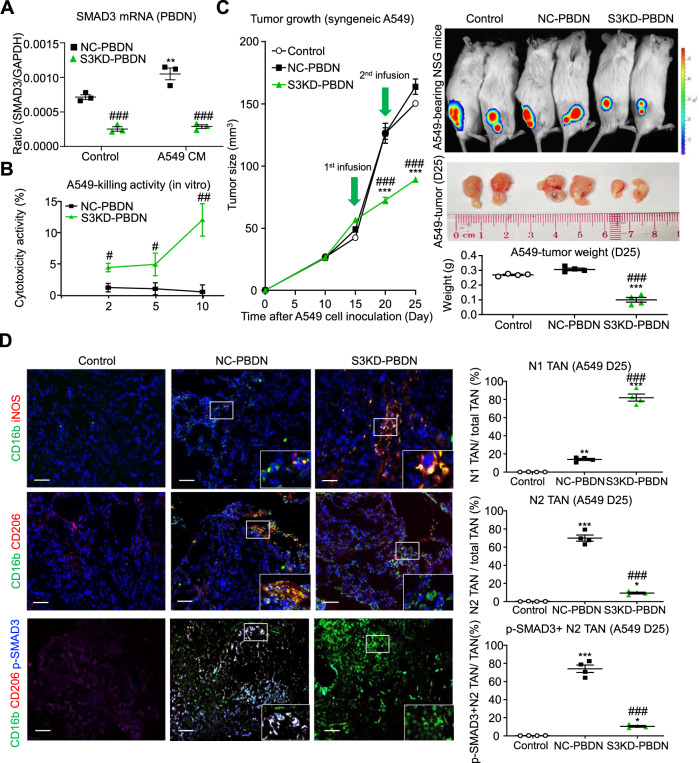
Neutrophils are dynamic with their phenotype and function shaped by the microenvironment, such as the N1 antitumor and N2 pro-tumor states within the tumor microenvironment (TME), but its regulation remains undefined. Here we examine TGF-β1/Smad3 signaling in tumor-associated neutrophils (TANs) in non-small cell lung carcinoma (NSCLC) patients. Smad3 activation in N2 TANs is negatively correlate with the N1 population and patient survival. In experimental lung carcinoma, TANs switch from a predominant N2 state in wild-type mice to an N1 state in Smad3-KO mice which associate with enhanced neutrophil infiltration and tumor regression. Neutrophil depletion abrogates the N1 anticancer phenotype in Smad3-KO mice, while adoptive transfer of Smad3-KO neutrophils reproduces this protective effect in wild-type mice. Single-cell analysis uncovers a TAN subset showing a mature N1 phenotype in Smad3-KO TME, whereas wild-type TANs mainly retain an immature N2 state due to Smad3. Mechanistically, TME-induced Smad3 target genes related to cell fate determination to preserve the N2 state of TAN. Importantly, genetic deletion and pharmaceutical inhibition of Smad3 enhance the anticancer capacity of neutrophils against NSCLC via promoting their N1 maturation. Thus, our work suggests that Smad3 signaling in neutrophils may represent a therapeutic target for cancer immunotherapy.
中性粒细胞具有动态的表型和功能,其表型和功能受微环境的影响,如肿瘤微环境(TME)中的 N1 抗肿瘤和 N2 促肿瘤状态,但它的调节仍然不清楚。在这里,我们检查了非小细胞肺癌(NSCLC)患者肿瘤相关中性粒细胞(TAN)中的 TGF-β1/Smad3 信号。N2 TAN 中的 Smad3 激活与 N1 群体呈负相关,并与患者生存相关。在实验性肺癌中,TAN 从野生型小鼠中的主要 N2 状态转变为 Smad3-KO 小鼠中的 N1 状态,这与中性粒细胞浸润增强和肿瘤消退有关。中性粒细胞耗竭可消除 Smad3-KO 小鼠中的 N1 抗癌表型,而 Smad3-KO 中性粒细胞的过继转移可在野生型小鼠中重现这种保护作用。单细胞分析揭示了 TAN 亚群在 Smad3-KO TME 中表现出成熟的 N1 表型,而野生型 TAN 主要由于 Smad3 而保留不成熟的 N2 状态。从机制上讲,TME 诱导的 Smad3 靶基因与细胞命运决定有关,以维持 TAN 的 N2 状态。重要的是,Smad3 的遗传缺失和药物抑制通过促进其 N1 成熟,增强了中性粒细胞对 NSCLC 的抗癌能力。因此,我们的工作表明,中性粒细胞中的 Smad3 信号可能代表癌症免疫治疗的一个治疗靶点。