Department of Anesthesiology, Guizhou Provincial People's Hospital, Guiyang, Guizhou Province, China.
Institute of Anesthesiology, Guizhou Medical University, Guiyang, Guizhou Province, China.
PeerJ. 2023 Mar 28;11:e15122. doi: 10.7717/peerj.15122. eCollection 2023.
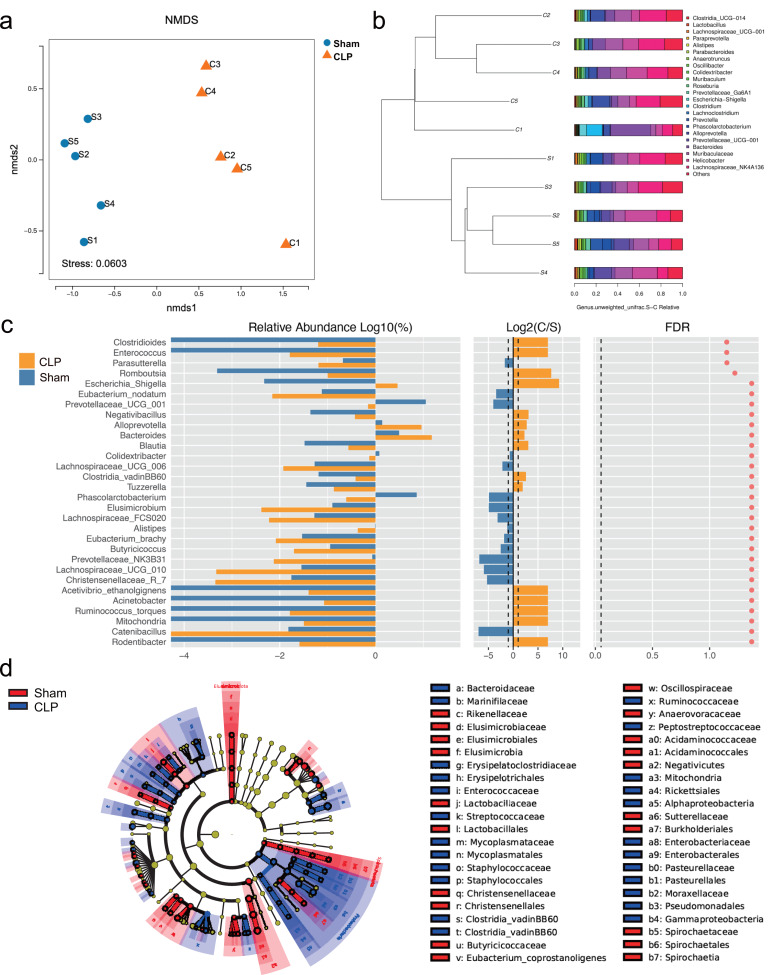
Intestinal microbiota homeostasis and the gut-brain axis are key players associated with host health and alterations in metabolic, inflammatory, and neurodegenerative disorders. Sepsis-associated encephalopathy (SAE), which is closely associated with bacterial translocation, is a common secondary organ dysfunction and an urgent, unsolved problem affecting patient quality of life. Our study examined the neuroprotective effects of the gut microbiome and short-chain fatty acid (SCFA) metabolites on SAE.
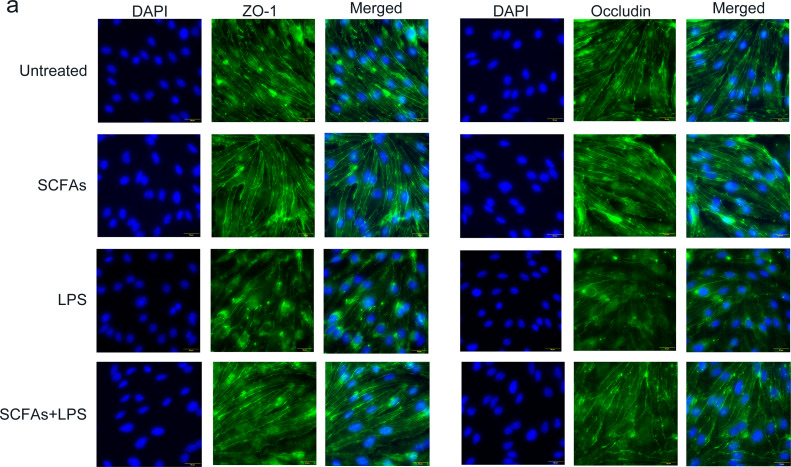
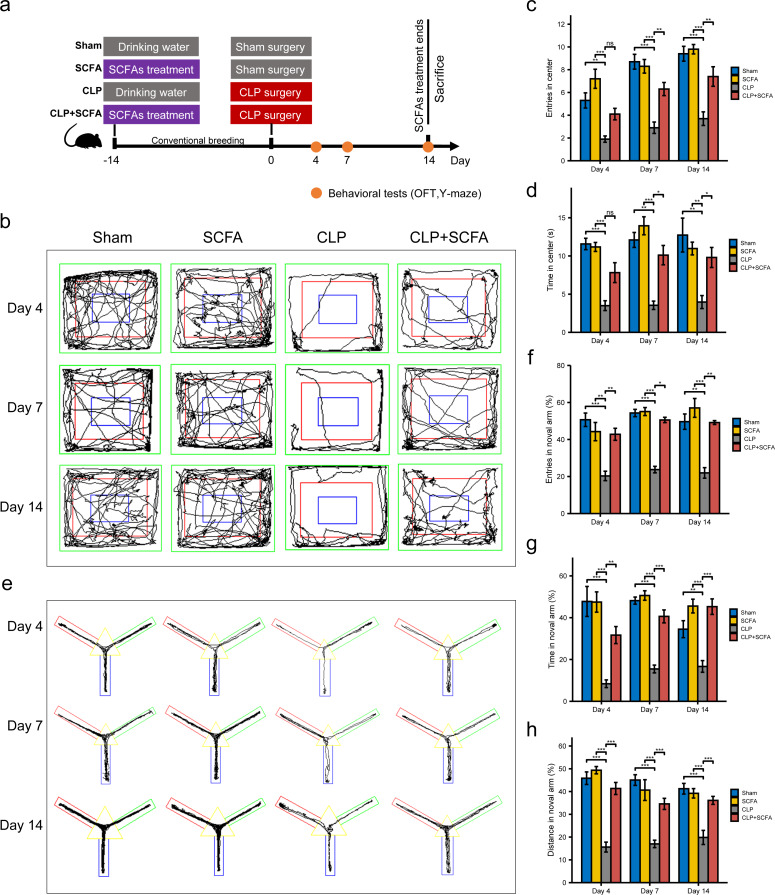
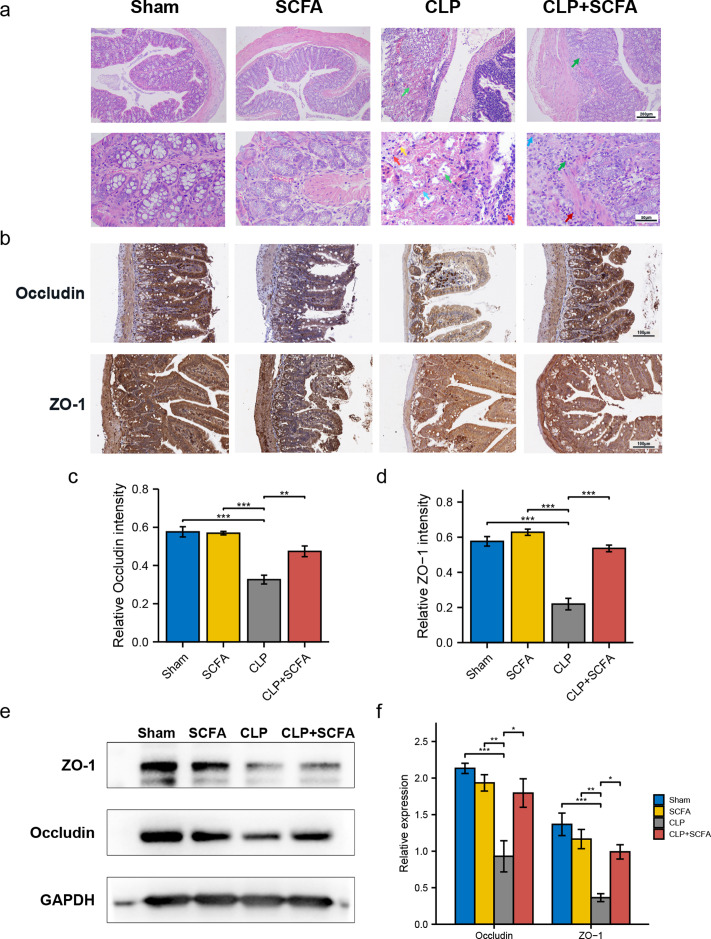
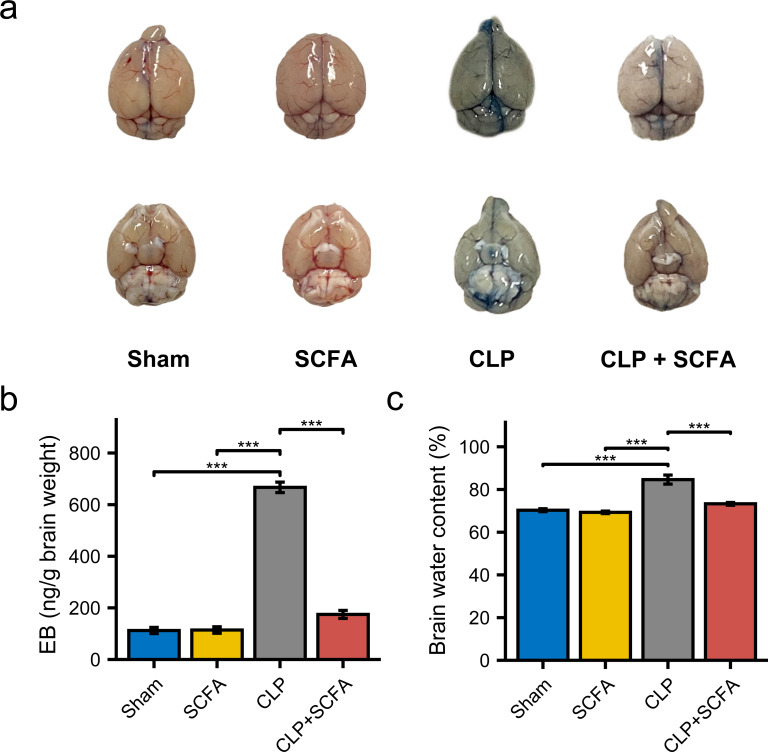
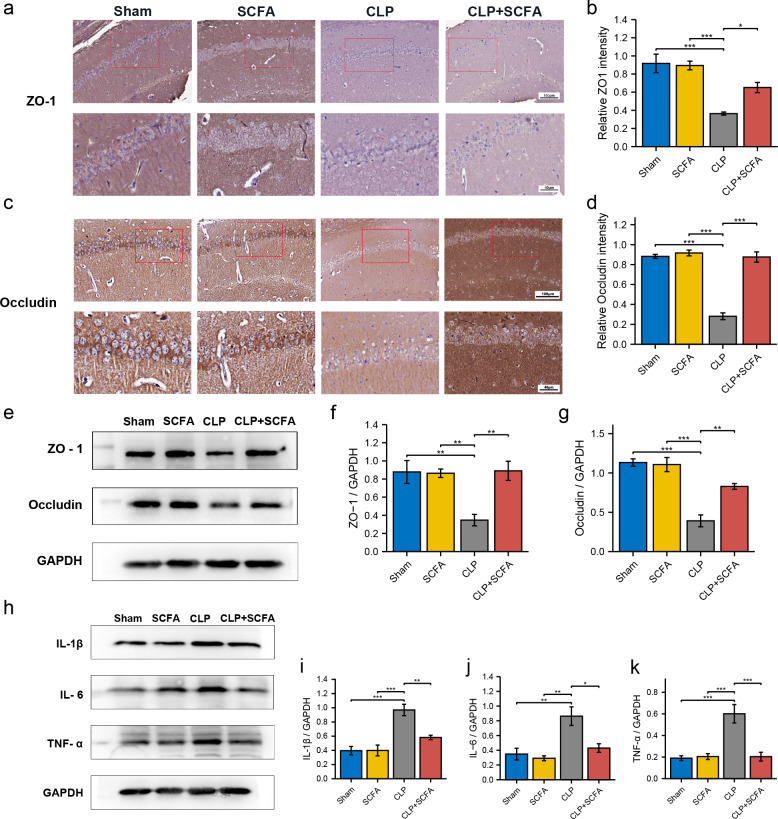
Male C57BL/6 mice were administered SCFAs in drinking water, then subjected to cecal ligation and puncture (CLP) surgery to induce SAE. 16S rRNA sequencing was used to investigate gut microbiome changes. The open field test (OFT) and Y-maze were performed to evaluate brain function. The permeability of the blood-brain barrier (BBB) was assessed by Evans blue (EB) staining. Hematoxylin and eosin (HE) staining was used to examine intestinal tissue morphology. The expression levels of tight junction (TJ) proteins and inflammatory cytokines was assessed by western blots and immunohistochemistry. In vitro, bEND.3 cells were incubated with SCFAs and then with lipopolysaccharide (LPS). Immunofluorescence was used to examine the expression of TJ proteins.
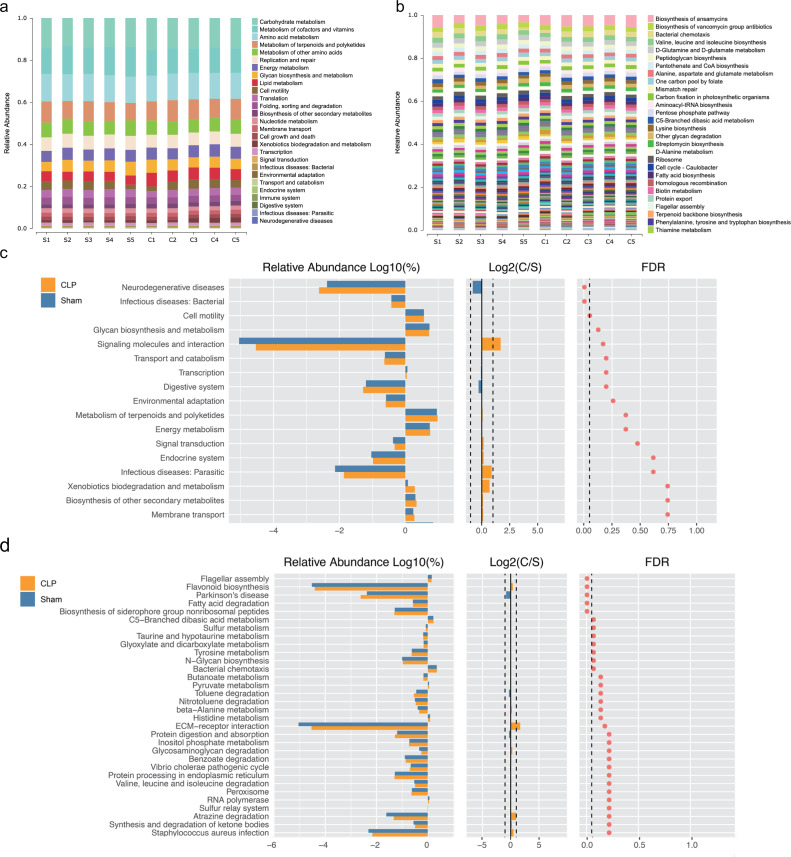
The composition of the gut microbiota was altered in SAE mice; this change may be related to SCFA metabolism. SCFA treatment significantly alleviated behavioral dysfunction and neuroinflammation in SAE mice. SCFAs upregulated occludin and ZO-1 expression in the intestine and brain in SAE mice and LPS-treated cerebromicrovascular cells.
These findings suggested that disturbances in the gut microbiota and SCFA metabolites play key roles in SAE. SCFA supplementation could exert neuroprotective effects against SAE by preserving BBB integrity.
肠道微生物组和肠-脑轴是与宿主健康以及代谢、炎症和神经退行性疾病变化相关的关键因素。与细菌易位密切相关的脓毒症相关性脑病(SAE)是一种常见的继发性器官功能障碍,也是影响患者生活质量的一个紧迫且未解决的问题。我们的研究探讨了肠道微生物组和短链脂肪酸(SCFA)代谢物对 SAE 的神经保护作用。
雄性 C57BL/6 小鼠通过饮用含 SCFAs 的水,然后接受盲肠结扎和穿孔(CLP)手术以诱导 SAE。通过 16S rRNA 测序来研究肠道微生物组的变化。通过旷场试验(OFT)和 Y 迷宫来评估大脑功能。通过 Evans 蓝(EB)染色评估血脑屏障(BBB)的通透性。通过苏木精和伊红(HE)染色来观察肠道组织形态。通过 Western blot 和免疫组化来评估紧密连接(TJ)蛋白和炎症细胞因子的表达水平。在体外,bEND.3 细胞与 SCFAs 孵育,然后用脂多糖(LPS)处理。免疫荧光用于检查 TJ 蛋白的表达。
SAE 小鼠的肠道微生物组组成发生改变;这种变化可能与 SCFA 代谢有关。SCFA 处理显著缓解了 SAE 小鼠的行为功能障碍和神经炎症。SCFAs 上调了 SAE 小鼠和 LPS 处理的脑微血管细胞中肠道和大脑中的 occludin 和 ZO-1 表达。
这些发现表明,肠道微生物组和 SCFA 代谢物的紊乱在 SAE 中起关键作用。SCFA 补充可能通过维持 BBB 完整性对 SAE 发挥神经保护作用。