Malhan Deeksha, Yalçin Müge, Schoenrock Britt, Blottner Dieter, Relógio Angela
Institute for Theoretical Biology (ITB), Charité-Universitätsmedizin Berlin, Corporate Member of Freie Universität Berlin, Humboldt-Universität zu Berlin, and Berlin Institute of Health, Berlin, 10117, Germany.
Molecular Cancer Research Center (MKFZ), Medical Department of Hematology, Oncology, and Tumour Immunology, Charité-Universitätsmedizin Berlin, Corporate Member of Freie Universität Berlin, Humboldt-Universität zu Berlin, and Berlin Institute of Health, Berlin, 10117, Germany.
NPJ Microgravity. 2023 Apr 3;9(1):30. doi: 10.1038/s41526-023-00273-4.
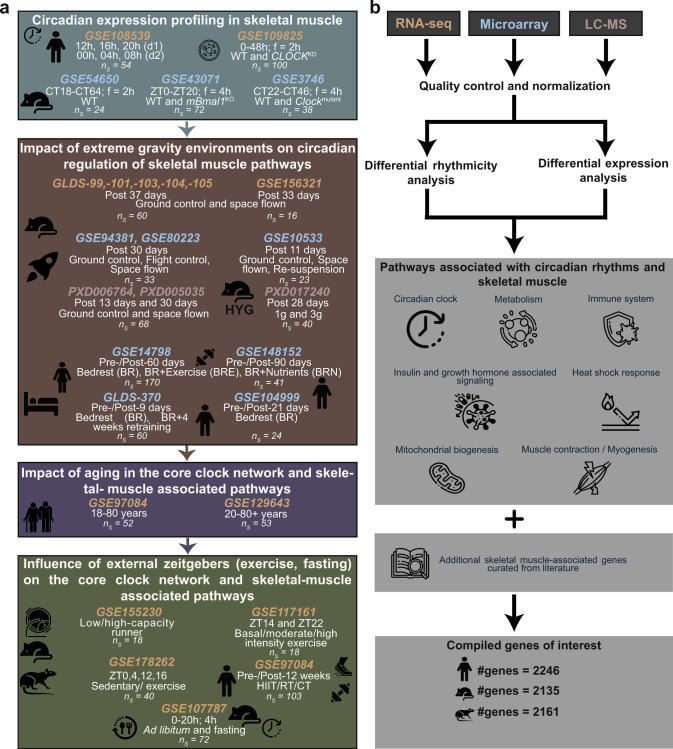
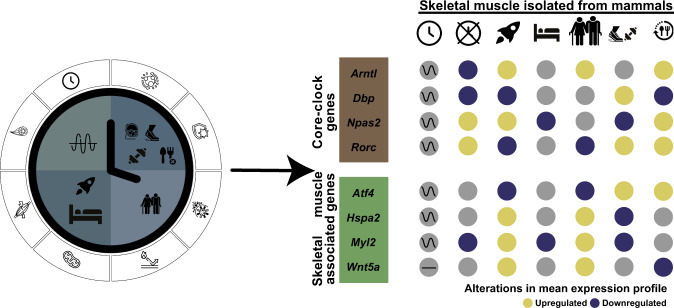
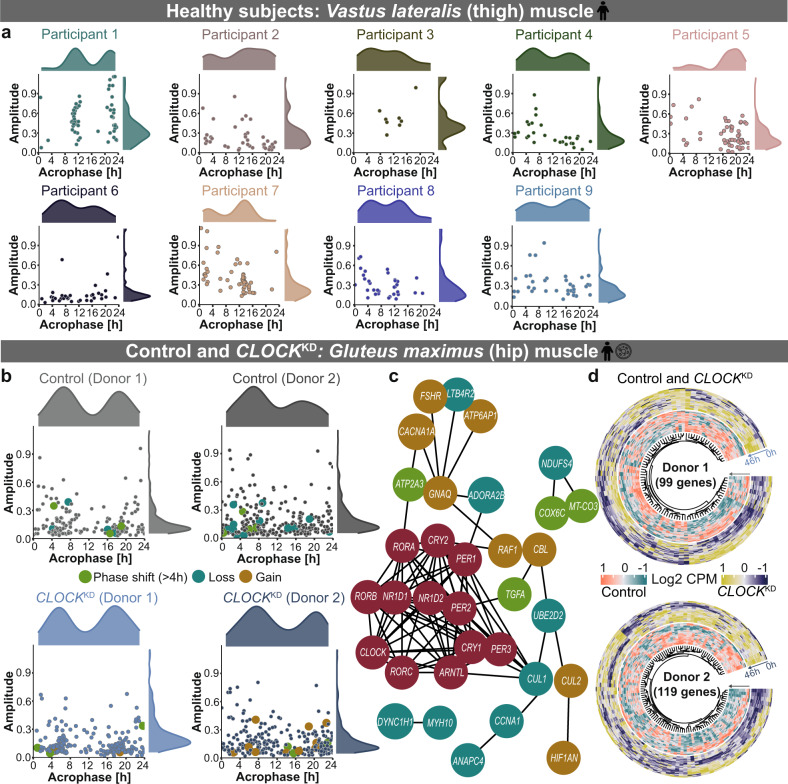
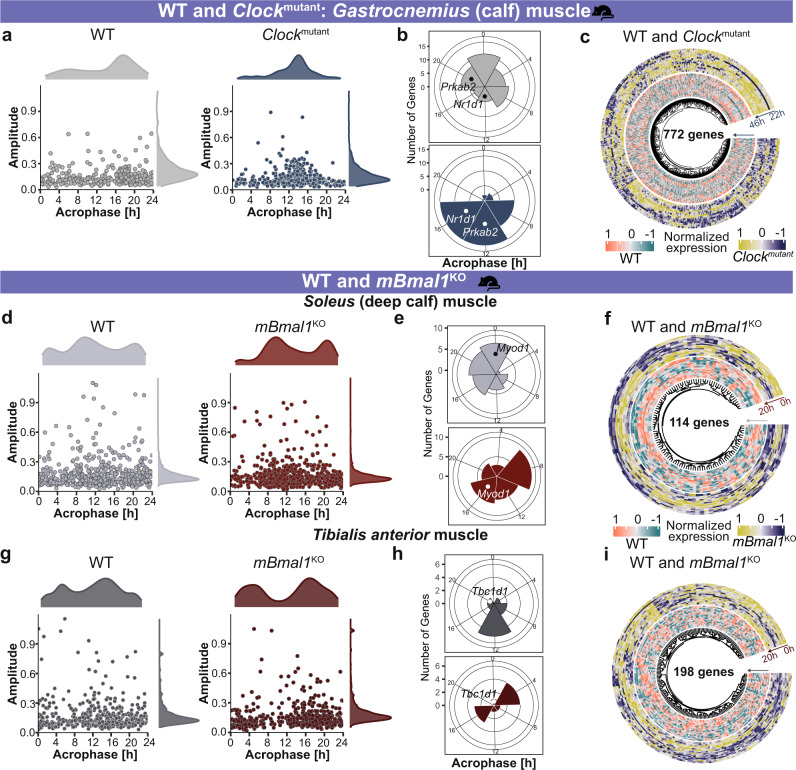
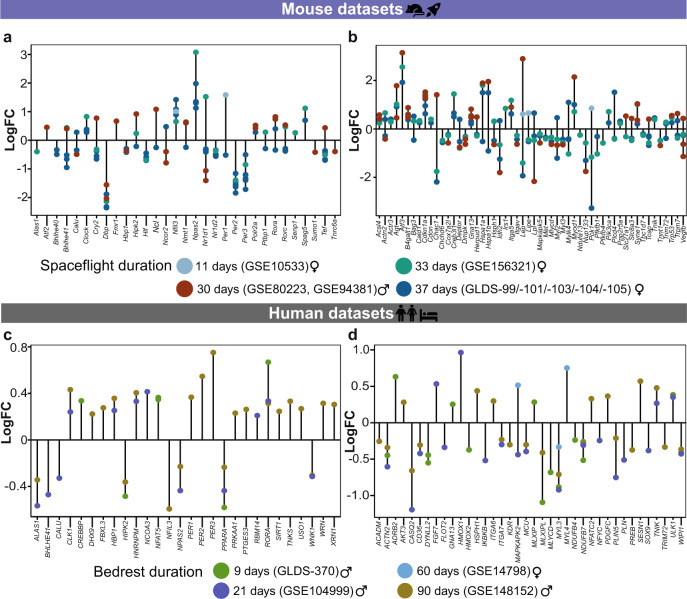
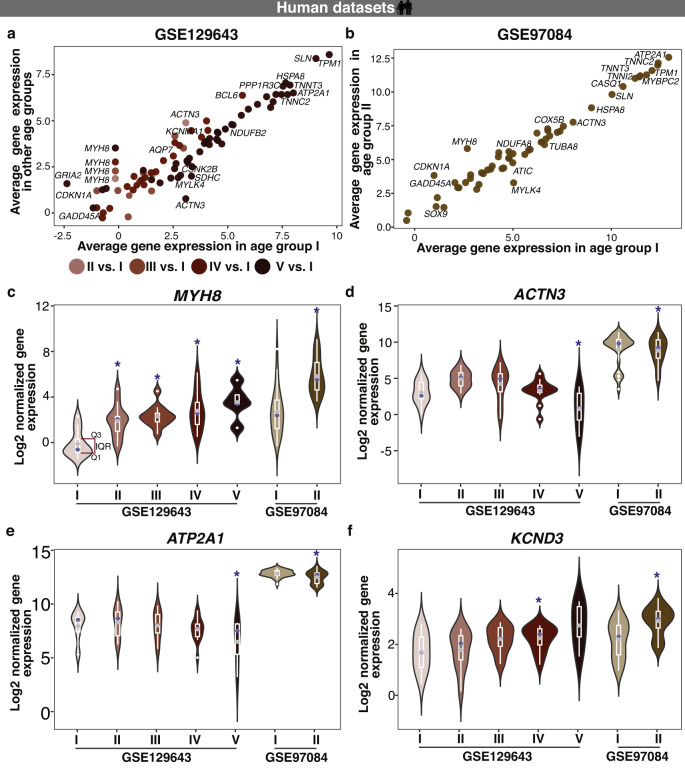
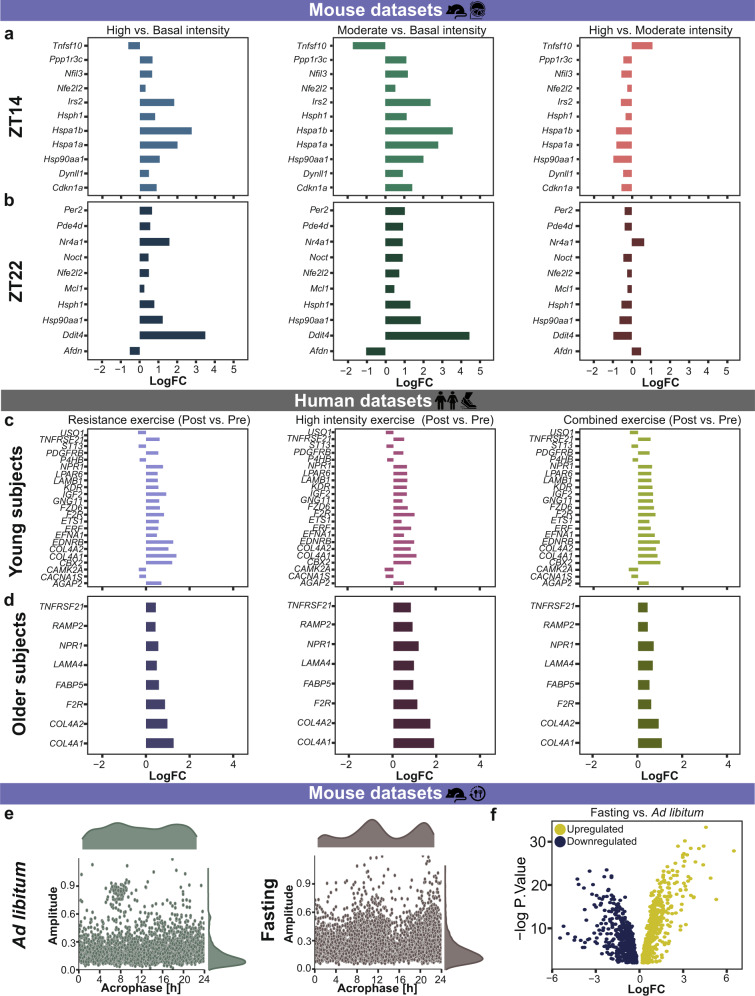
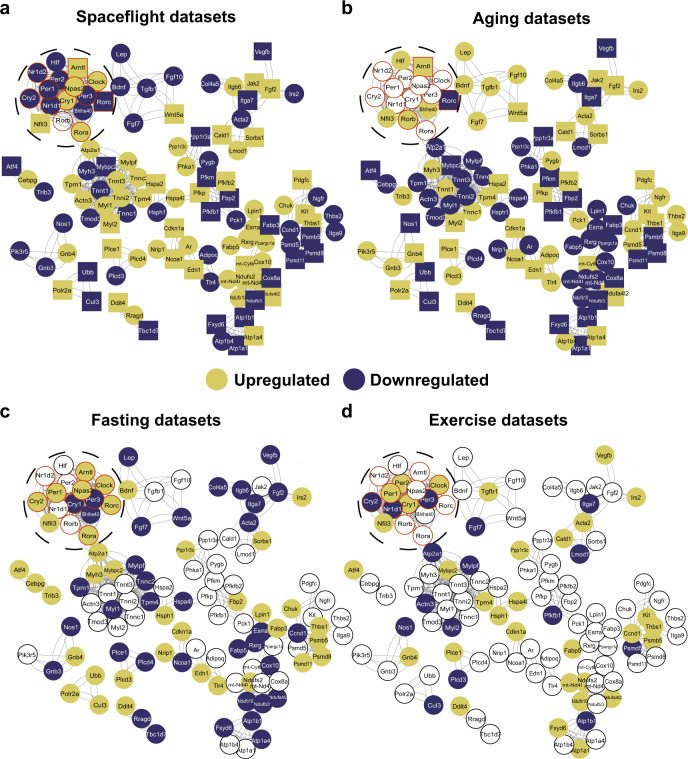
The circadian clock regulates cellular and molecular processes in mammals across all tissues including skeletal muscle, one of the largest organs in the human body. Dysregulated circadian rhythms are characteristic of aging and crewed spaceflight, associated with, for example, musculoskeletal atrophy. Molecular insights into spaceflight-related alterations of circadian regulation in skeletal muscle are still missing. Here, we investigated potential functional consequences of clock disruptions on skeletal muscle using published omics datasets obtained from spaceflights and other clock-altering, external (fasting and exercise), or internal (aging) conditions on Earth. Our analysis identified alterations of the clock network and skeletal muscle-associated pathways, as a result of spaceflight duration in mice, which resembles aging-related gene expression changes observed in humans on Earth (e.g., ATF4 downregulation, associated with muscle atrophy). Furthermore, according to our results, external factors such as exercise or fasting lead to molecular changes in the core-clock network, which may compensate for the circadian disruption observed during spaceflights. Thus, maintaining circadian functioning is crucial to ameliorate unphysiological alterations and musculoskeletal atrophy reported among astronauts.
昼夜节律时钟调节哺乳动物所有组织中的细胞和分子过程,包括骨骼肌,骨骼肌是人体最大的器官之一。昼夜节律失调是衰老和载人航天飞行的特征,例如与肌肉骨骼萎缩有关。目前仍缺乏对骨骼肌中与航天相关的昼夜节律调节改变的分子见解。在这里,我们利用从航天飞行以及地球上其他改变生物钟的外部(禁食和运动)或内部(衰老)条件下获得的已发表的组学数据集,研究了生物钟破坏对骨骼肌的潜在功能影响。我们的分析确定,由于小鼠的航天飞行持续时间,生物钟网络和骨骼肌相关通路发生了改变,这类似于在地球上人类中观察到的与衰老相关的基因表达变化(例如,ATF4下调,与肌肉萎缩有关)。此外,根据我们的结果,运动或禁食等外部因素会导致核心生物钟网络发生分子变化,这可能会补偿航天飞行期间观察到的昼夜节律紊乱。因此,维持昼夜节律功能对于改善宇航员中报告的非生理改变和肌肉骨骼萎缩至关重要。