Pu Longjun, Zhao Lina, Lu Qiongxuan, Chen Changchun
Umeå Centre for Molecular Medicine, Umeå University, Umeå, Sweden.
Department of Molecular Biology, Umeå University, Umeå, Sweden.
MicroPubl Biol. 2023 Mar 22;2023. doi: 10.17912/micropub.biology.000776. eCollection 2023.
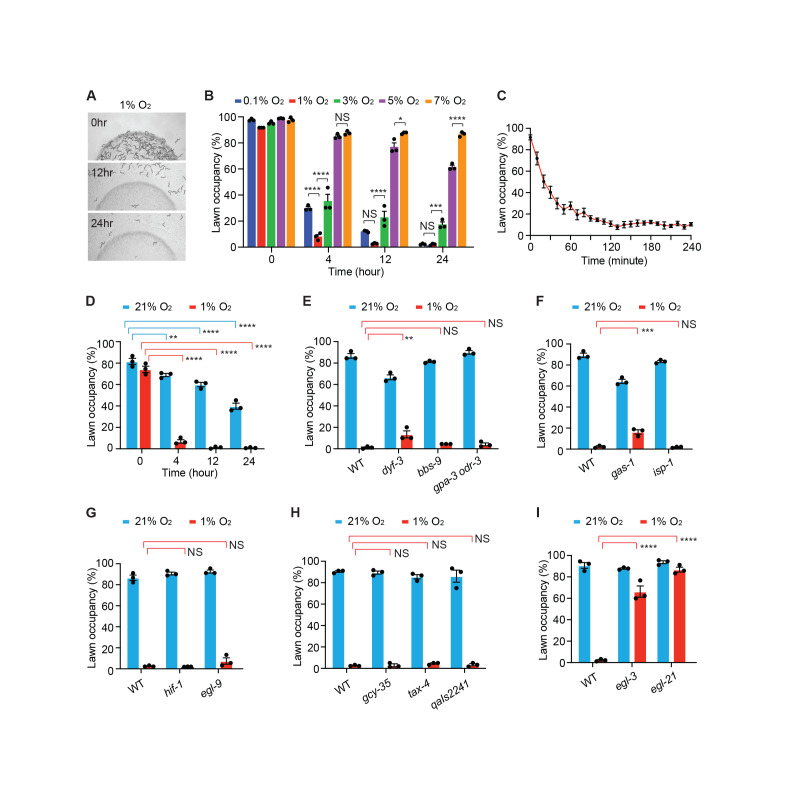
Hypoxia alters eating behavior in different animals. In , hypoxia induces a strong food leaving response. We found that this behavior was independent of the known O response mechanisms including acute O sensation and HIF-1 signaling of chronic hypoxia response. Mutating and , encoding the neuropeptide pro-protein convertase and carboxypeptidase, led to defects in hypoxia induced food leaving, suggesting that neuropeptidergic signaling was required for this response. However, we failed to identify any neuropeptide mutants that were severely defective in hypoxia induced food leaving, suggesting that multiple neuropeptides act redundantly to modulate this behavior.
缺氧会改变不同动物的进食行为。在[具体情况未提及]中,缺氧会引发强烈的离开食物反应。我们发现这种行为独立于已知的氧气反应机制,包括急性氧气感知和慢性缺氧反应的缺氧诱导因子-1(HIF-1)信号传导。编码神经肽前体蛋白转化酶和羧肽酶的[基因名称未提及]和[基因名称未提及]发生突变,导致缺氧诱导的离开食物行为出现缺陷,这表明神经肽信号传导是这种反应所必需的。然而,我们未能鉴定出任何在缺氧诱导的离开食物行为中存在严重缺陷的神经肽突变体,这表明多种神经肽通过冗余作用来调节这种行为。