Department of Operative Dentistry, Periodontology, and Endodontology, Faculty of Medicine, Heinrich-Heine-University, Moorenstr. 5, 40225, Düsseldorf, Germany.
Department of Cranio- and Maxillofacial Surgery, Faculty of Medicine, Heinrich-Heine-University, Düsseldorf, Germany.
Sci Rep. 2023 Apr 10;13(1):5836. doi: 10.1038/s41598-023-33019-z.
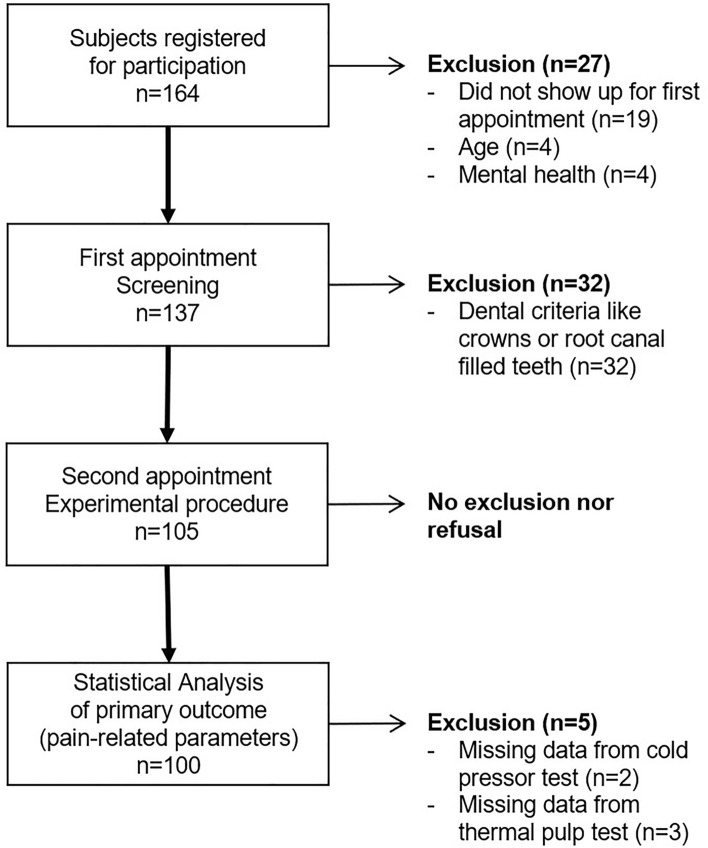
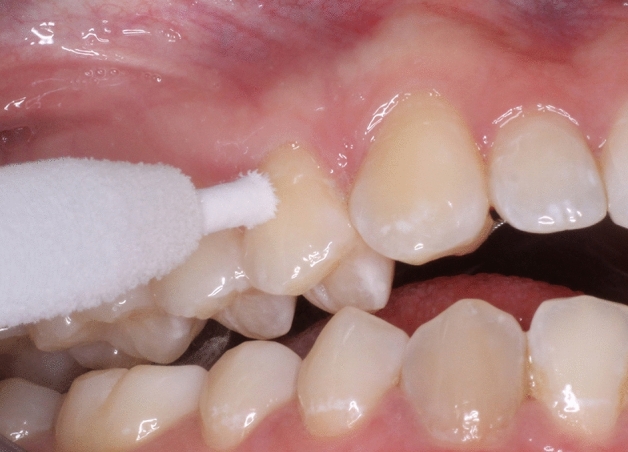
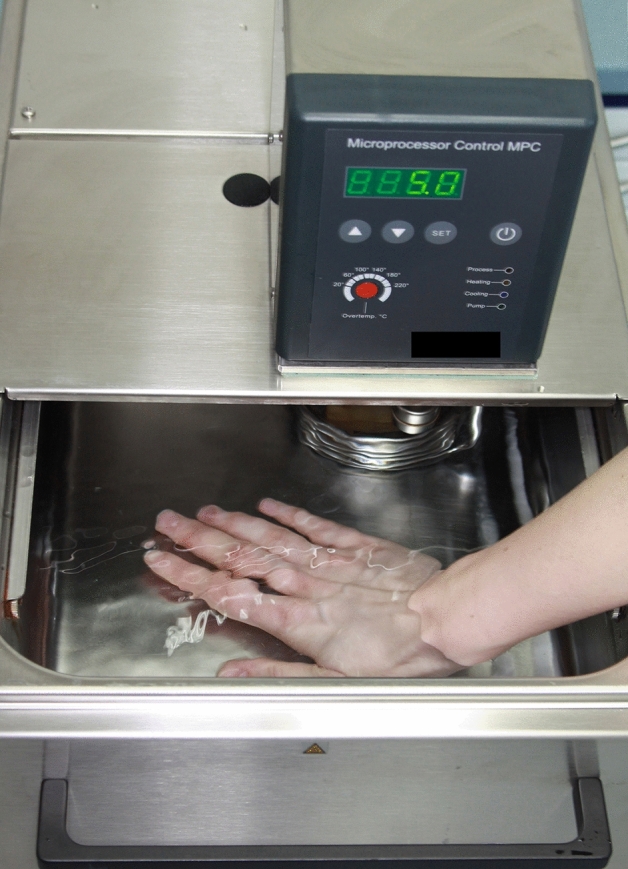
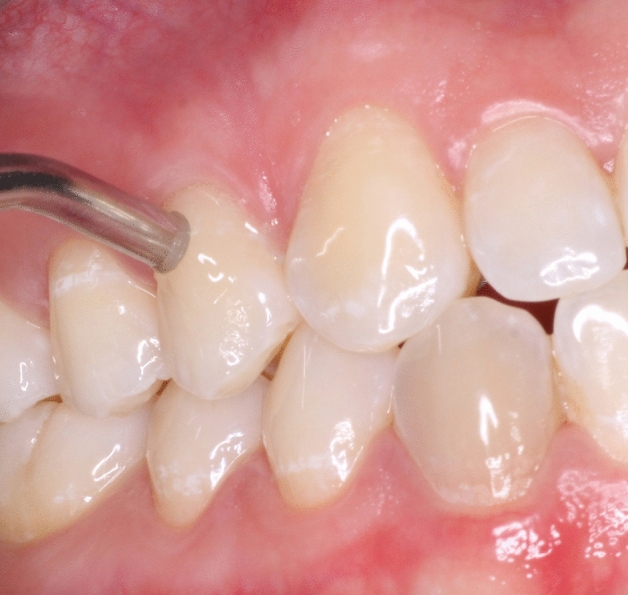
In this pilot study, the general pain perception and the dental pulp sensibility of probable sleep bruxism (SB) subjects were compared with that of non-SB subjects. The cold pressor test (CPT), electric pulp test (EPT), and thermal pulp test with CO snow were executed by one trained dentist (blind to SB diagnosis). A one-factorial multivariate analysis of variance (MANOVA) with SB diagnosis as independent variable and standardized measures regarding pain perception and evaluation was performed. One-hundred-and-five participants (53 SB and 52 non-SB subjects) were included. The one-factorial MANOVA revealed a significant difference between SB and non-SB subjects (p = 0.01) concerning pain perception variables. Post-hoc univariate analyses of variance (ANOVA) showed statistically significant lower general pain tolerance (p = 0.02), higher general subjective sensibility of the teeth (p < 0.01), and a statistical trend for higher subjective dental pain intensity (p = 0.07) in SB subjects. In most of the standardized variables, probable SB subjects seem to react and feel similar to non-SB subjects. However, as probable SB subjects subjectively perceive their teeth to be more sensitive and tend to rate their subjective dental pain intensity more intensely after CO testing, data might point to a somatosensory amplification.
在这项初步研究中,比较了可能的睡眠磨牙症(SB)患者和非 SB 患者的一般疼痛感知和牙髓敏感性。由一名受过训练的牙医(对 SB 诊断不知情)进行冷加压试验(CPT)、电牙髓测试(EPT)和 CO 雪的热牙髓测试。采用单因素多元方差分析(MANOVA),以 SB 诊断为自变量,以疼痛感知和评估的标准化指标为因变量进行分析。共纳入 105 名参与者(53 名 SB 患者和 52 名非 SB 患者)。单因素 MANOVA 显示 SB 和非 SB 患者在疼痛感知变量方面存在显著差异(p=0.01)。事后单因素方差分析(ANOVA)显示,SB 患者的一般疼痛耐受力显著降低(p=0.02),牙齿一般主观敏感性更高(p<0.01),主观牙齿疼痛强度也有统计学趋势(p=0.07)。在大多数标准化变量中,可能的 SB 患者的反应和感觉似乎与非 SB 患者相似。然而,由于可能的 SB 患者主观上认为他们的牙齿更敏感,并且在 CO 测试后往往会更强烈地评定他们的主观牙齿疼痛强度,这些数据可能表明存在躯体感觉放大。