Cochrane ENT, Nuffield Department of Surgical Sciences, University of Oxford, Oxford, UK.
Wadham College, University of Oxford, Oxford, UK.
Cochrane Database Syst Rev. 2023 Apr 12;4(4):CD015321. doi: 10.1002/14651858.CD015321.pub2.
Vestibular migraine is a form of migraine where one of the main features is recurrent attacks of vertigo. These episodes are often associated with other features of migraine, including headache and sensitivity to light or sound. These unpredictable and severe attacks of vertigo can lead to a considerable reduction in quality of life. The condition is estimated to affect just under 1% of the population, although many people remain undiagnosed. A number of interventions have been used, or proposed to be used, as prophylaxis for this condition, to help reduce the frequency of the attacks. Many of these interventions include dietary, lifestyle or behavioural changes, rather than medication. OBJECTIVES: To assess the benefits and harms of non-pharmacological treatments used for prophylaxis of vestibular migraine.
The Cochrane ENT Information Specialist searched the Cochrane ENT Register; Central Register of Controlled Trials (CENTRAL); Ovid MEDLINE; Ovid Embase; Web of Science; ClinicalTrials.gov; ICTRP and additional sources for published and unpublished trials. The date of the search was 23 September 2022.
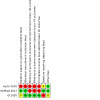
We included randomised controlled trials (RCTs) and quasi-RCTs in adults with definite or probable vestibular migraine comparing dietary modifications, sleep improvement techniques, vitamin and mineral supplements, herbal supplements, talking therapies, mind-body interventions or vestibular rehabilitation with either placebo or no treatment. We excluded studies with a cross-over design, unless data from the first phase of the study could be identified. DATA COLLECTION AND ANALYSIS: We used standard Cochrane methods. Our primary outcomes were: 1) improvement in vertigo (assessed as a dichotomous outcome - improved or not improved), 2) change in vertigo (assessed as a continuous outcome, with a score on a numerical scale) and 3) serious adverse events. Our secondary outcomes were: 4) disease-specific health-related quality of life, 5) improvement in headache, 6) improvement in other migrainous symptoms and 7) other adverse effects. We considered outcomes reported at three time points: < 3 months, 3 to < 6 months, > 6 to 12 months. We used GRADE to assess the certainty of evidence for each outcome. MAIN RESULTS: We included three studies in this review with a total of 319 participants. Each study addressed a different comparison and these are outlined below. We did not identify any evidence for the remaining comparisons of interest in this review. Dietary interventions (probiotics) versus placebo We identified one study with 218 participants (85% female). The use of a probiotic supplement was compared to a placebo and participants were followed up for two years. Some data were reported on the change in vertigo frequency and severity over the duration of the study. However, there were no data regarding improvement of vertigo or serious adverse events. Cognitive behavioural therapy (CBT) versus no intervention One study compared CBT to no treatment in 61 participants (72% female). Participants were followed up for eight weeks. Data were reported on the change in vertigo over the course of the study, but no information was reported on the proportion of people whose vertigo improved, or on the occurrence of serious adverse events. Vestibular rehabilitation versus no intervention The third study compared the use of vestibular rehabilitation to no treatment in a group of 40 participants (90% female) and participants were followed up for six months. Again, this study reported some data on change in the frequency of vertigo during the study, but no information on the proportion of participants who experienced an improvement in vertigo or the number who experienced serious adverse events. We are unable to draw meaningful conclusions from the numerical results of these studies, as the data for each comparison of interest come from single, small studies and the certainty of the evidence was low or very low. AUTHORS' CONCLUSIONS: There is a paucity of evidence for non-pharmacological interventions that may be used for prophylaxis of vestibular migraine. Only a limited number of interventions have been assessed by comparing them to no intervention or a placebo treatment, and the evidence from these studies is all of low or very low certainty. We are therefore unsure whether any of these interventions may be effective at reducing the symptoms of vestibular migraine and we are also unsure whether they have the potential to cause harm.
前庭性偏头痛是偏头痛的一种形式,其主要特征之一是反复发作的眩晕。这些发作常伴有偏头痛的其他特征,包括头痛和对光或声音敏感。这些不可预测且严重的眩晕发作可能会导致生活质量显著下降。据估计,这种疾病仅影响不到 1%的人口,但许多人仍未被诊断出来。已经使用了许多干预措施,或者提议使用这些干预措施作为前庭性偏头痛的预防措施,以帮助减少发作的频率。其中许多干预措施包括饮食、生活方式或行为改变,而不是药物治疗。
评估用于前庭性偏头痛预防的非药物治疗的益处和危害。
Cochrane ENT 信息专家检索了 Cochrane ENT 登记册;CENTRAL(对照试验中央注册库);Ovid MEDLINE;Ovid Embase;Web of Science;ClinicalTrials.gov;ICTRP 和其他未发表试验的来源。检索日期为 2022 年 9 月 23 日。
我们纳入了比较饮食改变、改善睡眠技术、维生素和矿物质补充剂、草药补充剂、谈话疗法、身心干预或前庭康复与安慰剂或无治疗的在成人中明确或可能的前庭性偏头痛的随机对照试验(RCTs)和准 RCTs。我们排除了交叉设计的研究,除非可以确定研究的第一阶段的数据。
我们使用了标准的 Cochrane 方法。我们的主要结局是:1)眩晕改善(评估为二分类结局-改善或未改善),2)眩晕变化(评估为连续结局,使用数字量表上的评分)和 3)严重不良事件。我们的次要结局是:4)疾病特异性健康相关生活质量,5)头痛改善,6)其他偏头痛症状改善和 7)其他不良反应。我们考虑了在以下三个时间点报告的结局:<3 个月、3 至<6 个月、>6 至 12 个月。我们使用 GRADE 评估每个结局的证据确定性。
我们纳入了这项综述中的三项研究,共有 319 名参与者。每项研究都涉及不同的比较,如下所述。我们在本综述中没有发现任何其他感兴趣的比较的证据。
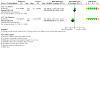
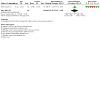
饮食干预(益生菌)与安慰剂:我们确定了一项涉及 218 名参与者(85%为女性)的研究。比较了益生菌补充剂与安慰剂,参与者随访了两年。在研究过程中,有一些关于眩晕频率和严重程度变化的数据。然而,没有关于眩晕改善或严重不良事件的数据。
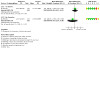
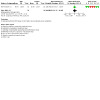
认知行为疗法(CBT)与无干预:一项研究比较了 CBT 与无治疗在 61 名参与者(72%为女性)中的效果。参与者随访了八周。报告了研究过程中眩晕变化的数据,但没有报告眩晕改善的参与者比例,也没有报告严重不良事件的发生情况。
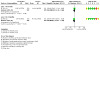
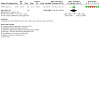
第三项研究比较了 40 名参与者(90%为女性)使用前庭康复与无治疗的效果,参与者随访了六个月。同样,这项研究报告了一些关于研究期间眩晕频率变化的数据,但没有关于参与者中眩晕改善比例或发生严重不良事件数量的信息。
我们无法从这些研究的数值结果中得出有意义的结论,因为每个感兴趣的比较的数据都来自单一的小型研究,证据的确定性为低或非常低。
前庭性偏头痛预防用非药物干预措施的证据有限。只有少数干预措施通过与无干预或安慰剂治疗进行比较进行了评估,这些研究的证据全部为低或非常低确定性。因此,我们不确定这些干预措施中的任何一种是否能有效减轻前庭性偏头痛的症状,也不确定它们是否有可能造成危害。