State Key Joint Laboratory of Environment Simulation and Pollution Control, School of Environment, Tsinghua University, Beijing, 100084, China.
Beijing Key Lab for Source Control Technology of Water Pollution, College of Environmental Science and Engineering, Beijing Forestry University, Beijing, 100083, China.
Nat Commun. 2023 Apr 12;14(1):2059. doi: 10.1038/s41467-023-37676-6.
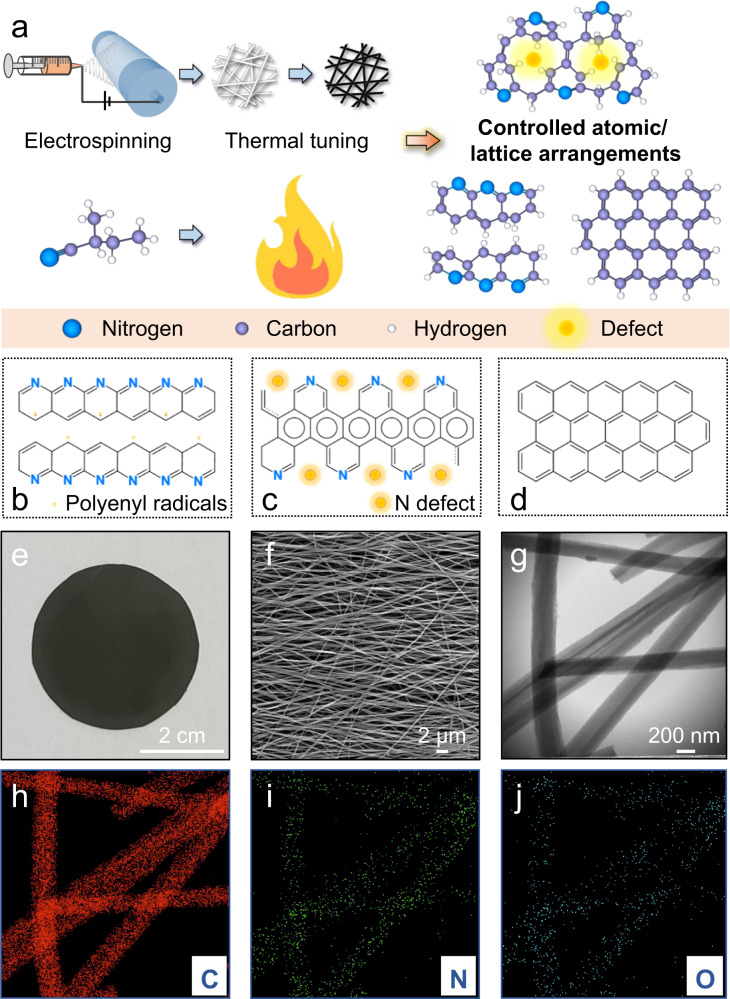
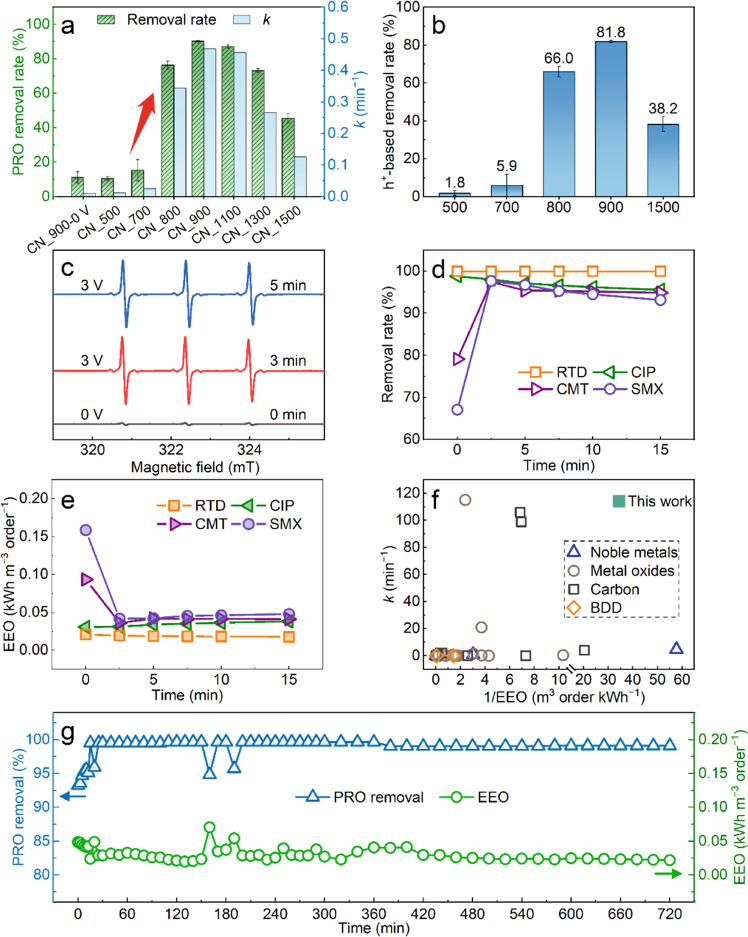
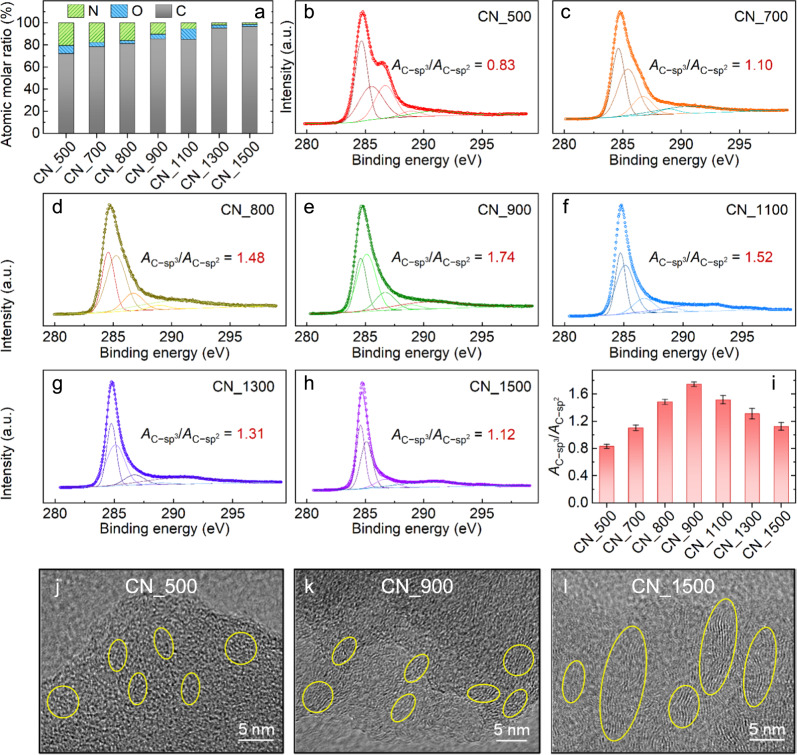
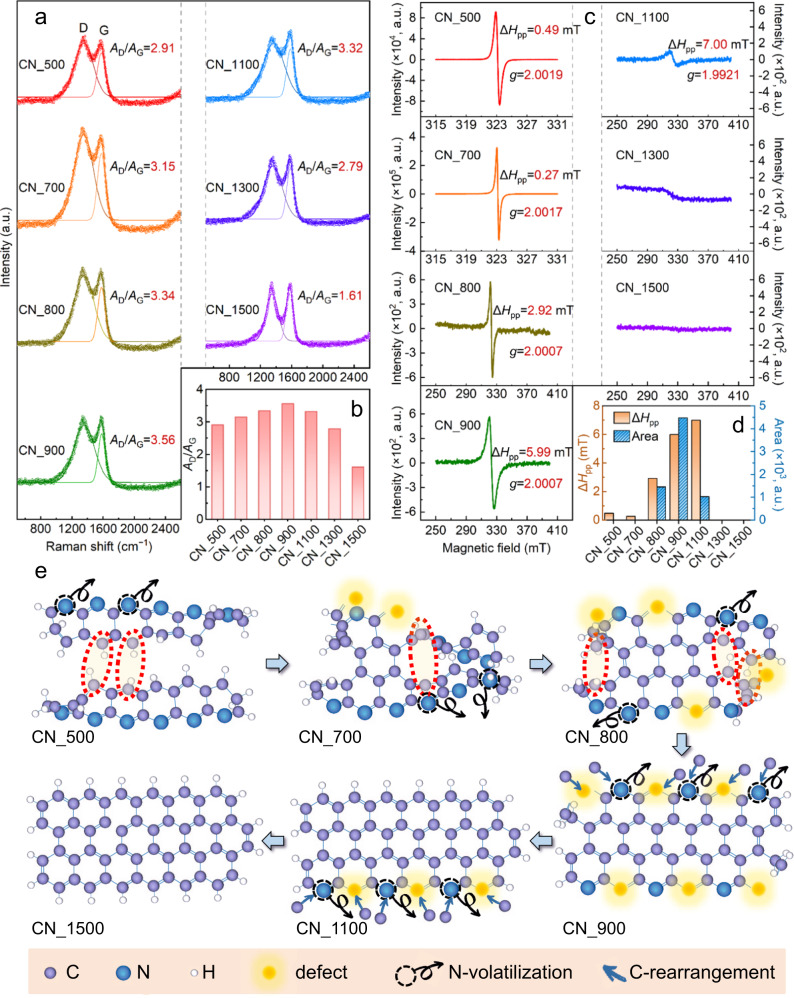
Achieving controllable fine-tuning of defects in catalysts at the atomic level has become a zealous pursuit in catalysis-related fields. However, the generation of defects is quite random, and their flexible manipulation lacks theoretical basis. Herein, we present a facile and highly controllable thermal tuning strategy that enables fine control of nanodefects via subtle manipulation of atomic/lattice arrangements in electrocatalysts. Such thermal tuning endows common carbon materials with record high efficiency in electrocatalytic degradation of pollutants. Systematic characterization and calculations demonstrate that an optimal thermal tuning can bring about enhanced electrocatalytic efficiency by manipulating the N-centered annulation-volatilization reactions and C-based sp/sp configuration alteration. Benefiting from this tuning strategy, the optimized electrocatalytic anodic membrane successfully achieves >99% pollutant (propranolol) degradation during a flow-through (~2.5 s for contact time), high-flux (424.5 L m h), and long-term (>720 min) electrocatalytic filtration test at a very low energy consumption (0.029 ± 0.010 kWh m order). Our findings highlight a controllable preparation approach of catalysts while also elucidating the molecular level mechanisms involved.
在原子水平上实现对催化剂缺陷的可控精细调谐已成为催化相关领域的热切追求。然而,缺陷的产生是相当随机的,它们的灵活操纵缺乏理论基础。在此,我们提出了一种简便且高度可控的热调谐策略,通过在电催化剂中精细调控原子/晶格排列来实现纳米缺陷的精细控制。这种热调谐使常见的碳材料在电催化降解污染物方面具有创纪录的高效率。系统的表征和计算表明,通过操纵 N 中心的环化-挥发反应和基于 C 的 sp/sp 构型改变,可以实现最佳的热调谐,从而提高电催化效率。得益于这种调谐策略,优化后的电催化阳极膜在低能耗(0.029 ± 0.010 kWh m order)下,通过在 2.5s 左右的接触时间内实现了 >99%的污染物(普萘洛尔)降解、高通量(424.5 L m h)和长期(>720min)电催化过滤测试。我们的研究结果突出了一种可控的催化剂制备方法,同时阐明了涉及的分子水平机制。