Department of Health Sciences and Technology, ETH Zurich, Schmelzbergstrasse 9, 8092, Zurich, Switzerland.
School of Life Sciences, University of Applied Sciences and Arts Northwestern Switzerland, 4132, Muttenz, Switzerland.
Arch Toxicol. 2023 Jun;97(6):1701-1721. doi: 10.1007/s00204-023-03490-8. Epub 2023 Apr 12.
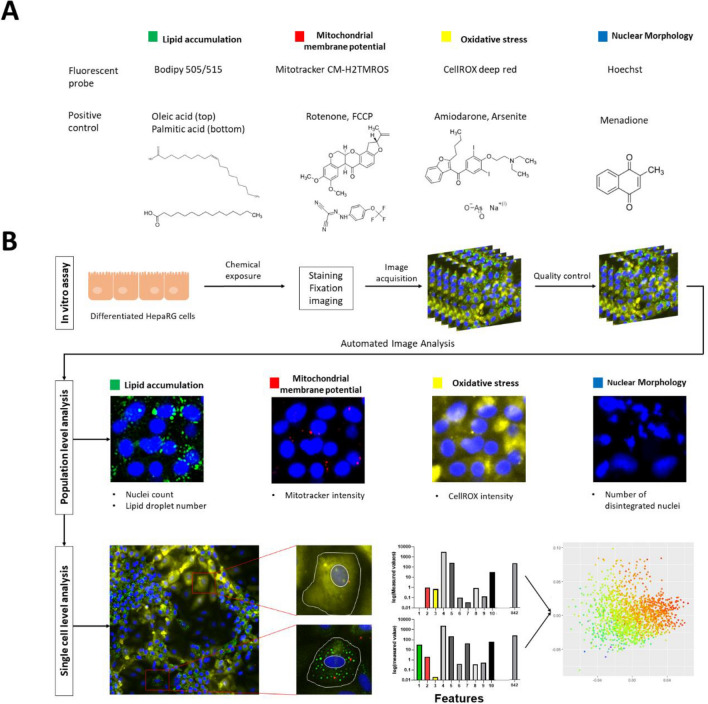
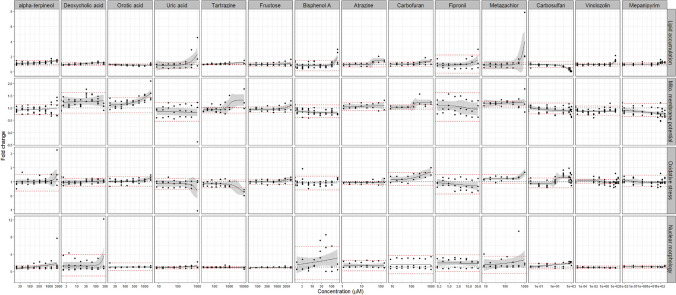
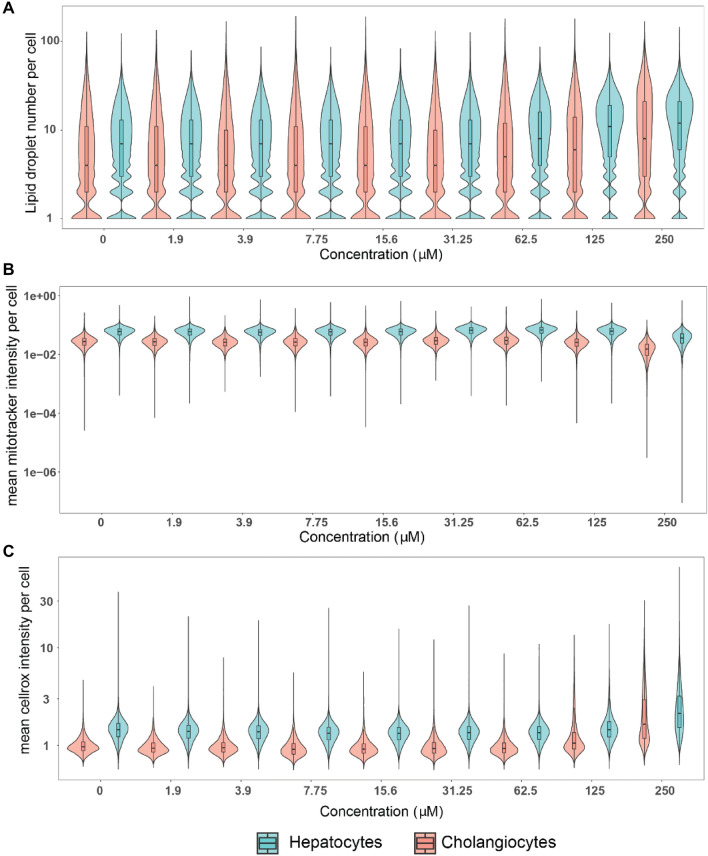
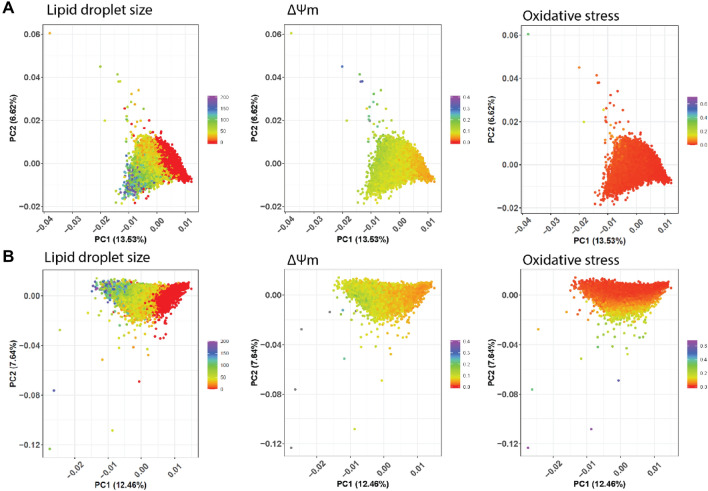
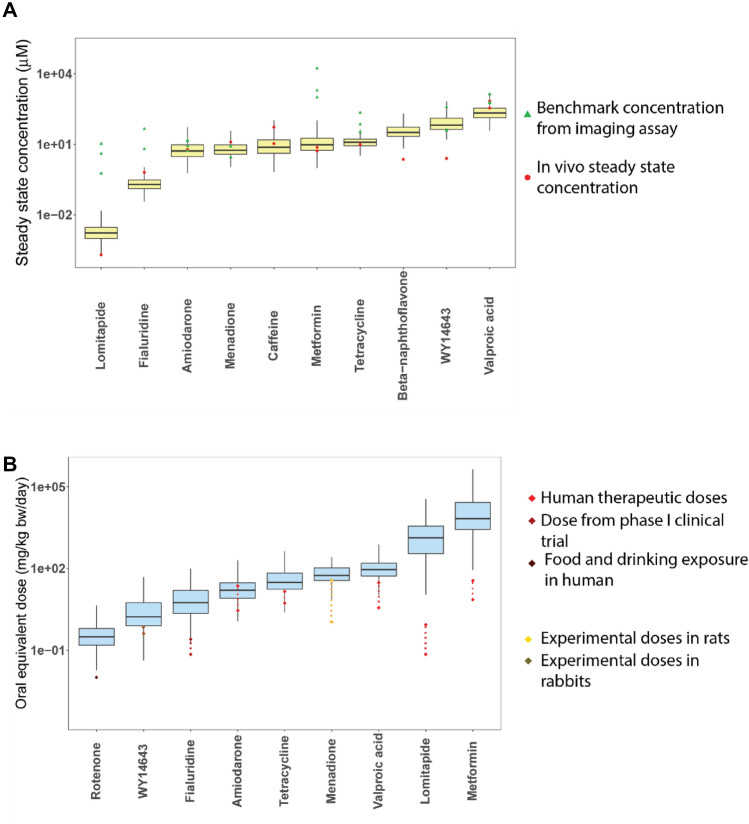
Chemically induced steatosis is characterized by lipid accumulation associated with mitochondrial dysfunction, oxidative stress and nucleus distortion. New approach methods integrating in vitro and in silico models are needed to identify chemicals that may induce these cellular events as potential risk factors for steatosis and associated hepatotoxicity. In this study we used high-content imaging for the simultaneous quantification of four cellular markers as sentinels for hepatotoxicity and steatosis in chemically exposed human liver cells in vitro. Furthermore, we evaluated the results with a computational model for the extrapolation of human oral equivalent doses (OED). First, we tested 16 reference chemicals with known capacities to induce cellular alterations in nuclear morphology, lipid accumulation, mitochondrial membrane potential and oxidative stress. Then, using physiologically based pharmacokinetic modeling and reverse dosimetry, OEDs were extrapolated from data of any stimulated individual sentinel response. The extrapolated OEDs were confirmed to be within biologically relevant exposure ranges for the reference chemicals. Next, we tested 14 chemicals found in food, selected from thousands of putative chemicals on the basis of structure-based prediction for nuclear receptor activation. Amongst these, orotic acid had an extrapolated OED overlapping with realistic exposure ranges. Thus, we were able to characterize known steatosis-inducing chemicals as well as data-scarce food-related chemicals, amongst which we confirmed orotic acid to induce hepatotoxicity. This strategy addresses needs of next generation risk assessment and can be used as a first chemical prioritization hazard screening step in a tiered approach to identify chemical risk factors for steatosis and hepatotoxicity-associated events.
化学诱导性脂肪变性的特征是脂质积累与线粒体功能障碍、氧化应激和核变形有关。需要整合体外和计算模型的新方法来识别可能诱导这些细胞事件的化学物质,这些细胞事件可能是脂肪变性和相关肝毒性的潜在风险因素。在这项研究中,我们使用高内涵成像技术同时定量检测四种细胞标志物,作为体外化学暴露人肝细胞肝毒性和脂肪变性的标志物。此外,我们还使用计算模型评估了这些结果,以推断人体口服等效剂量(OED)。首先,我们测试了 16 种已知具有改变核形态、脂质积累、线粒体膜电位和氧化应激能力的参考化学物质。然后,使用基于生理的药代动力学建模和反向剂量测定,从任何刺激的个体标志物反应数据推断 OED。推断的 OED 被证实处于参考化学物质的生物相关暴露范围内。接下来,我们测试了 14 种在食品中发现的化学物质,这些化学物质是基于核受体激活的结构预测从数千种潜在化学物质中选择的。在这些化学物质中,乳清酸的推断 OED 与现实暴露范围重叠。因此,我们能够对已知的脂肪变性诱导化学物质以及数据稀缺的食品相关化学物质进行特征描述,其中我们证实乳清酸会引起肝毒性。该策略满足下一代风险评估的需求,可作为一种分层方法中的第一步化学优先危害筛选步骤,以识别脂肪变性和相关肝毒性事件的化学风险因素。