Department of Molecular Pathology, Nara Medical University, 840 Shijo-cho, Kashihara 634-8521, Japan.
Int J Mol Sci. 2023 Apr 1;24(7):6588. doi: 10.3390/ijms24076588.
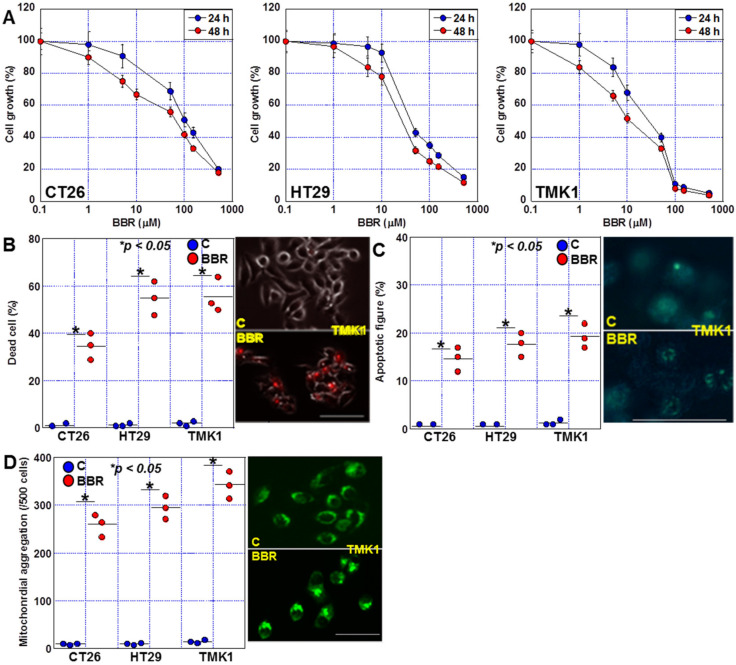
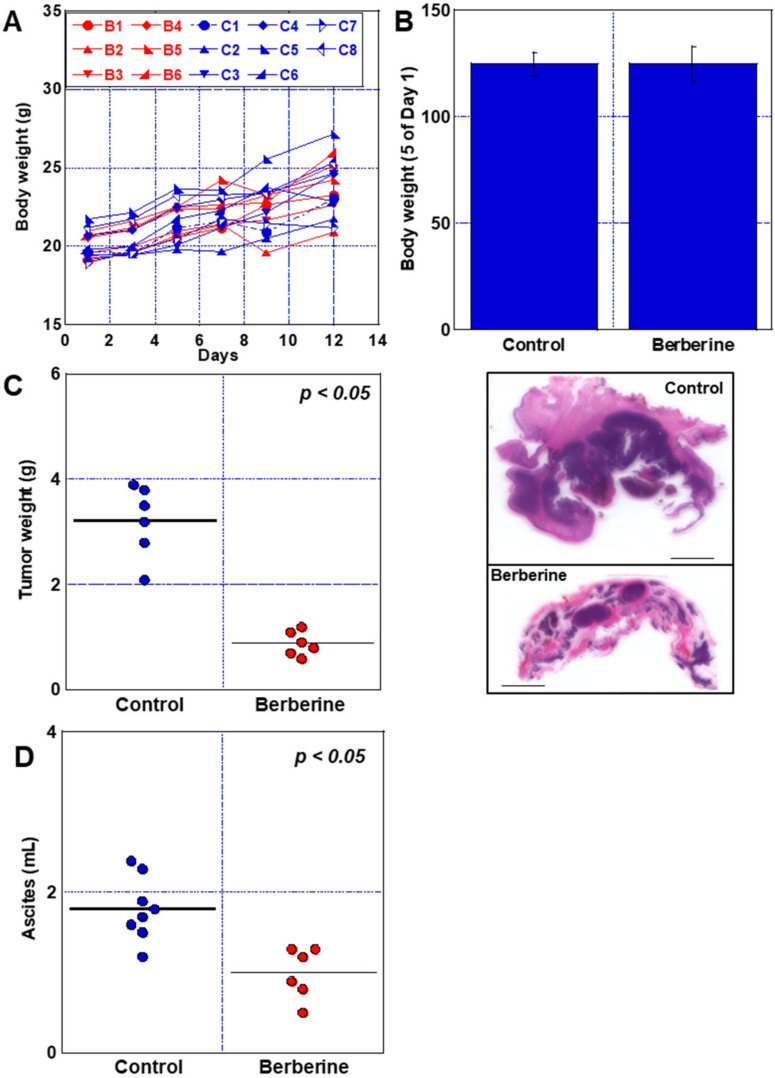
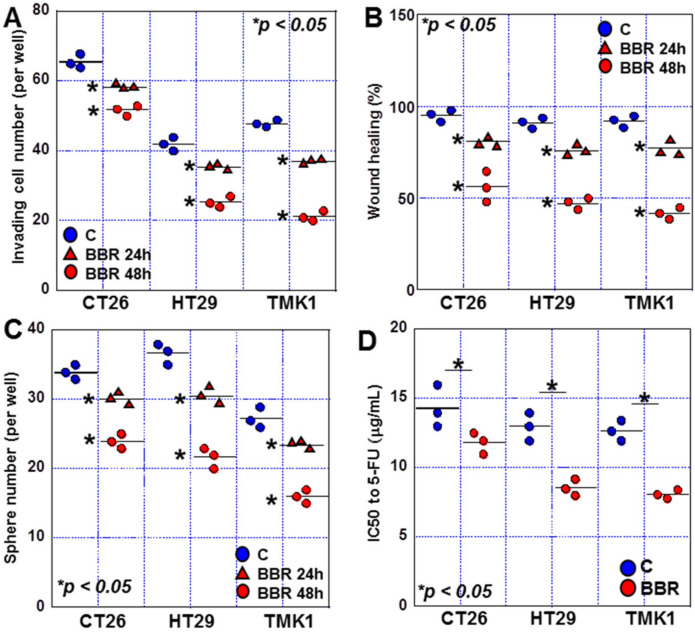
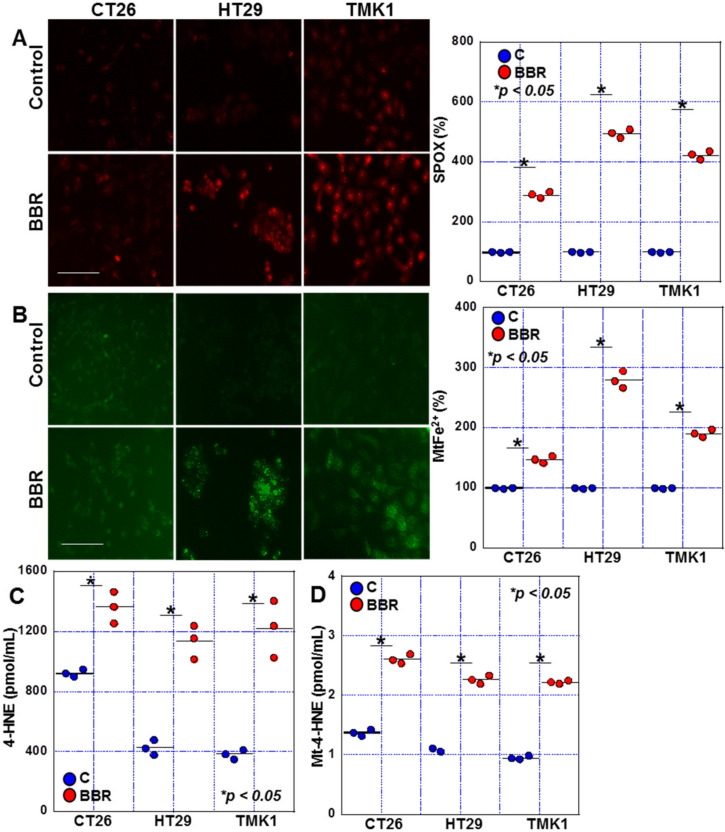
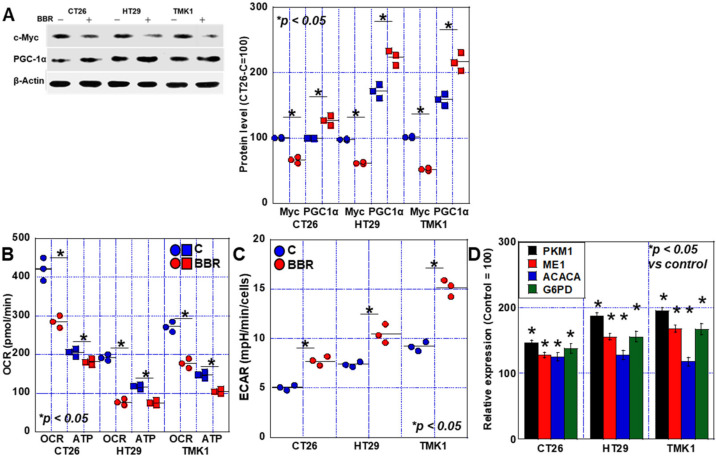
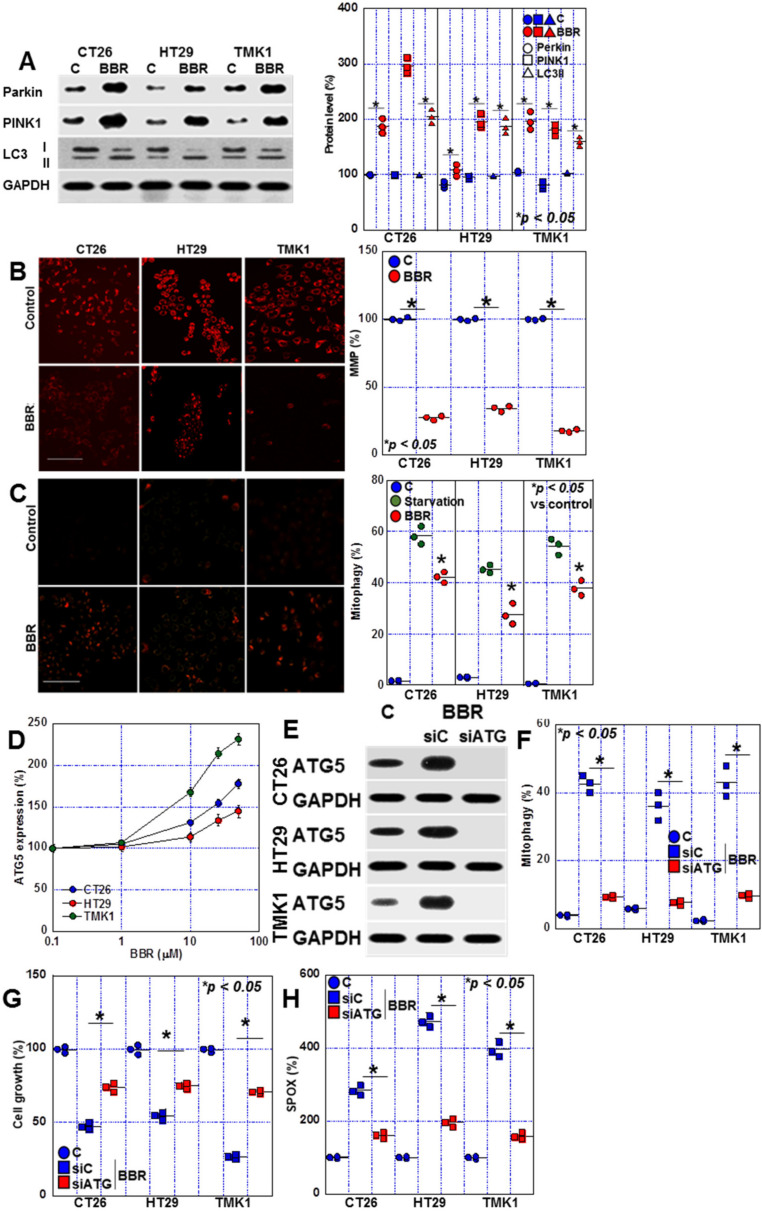
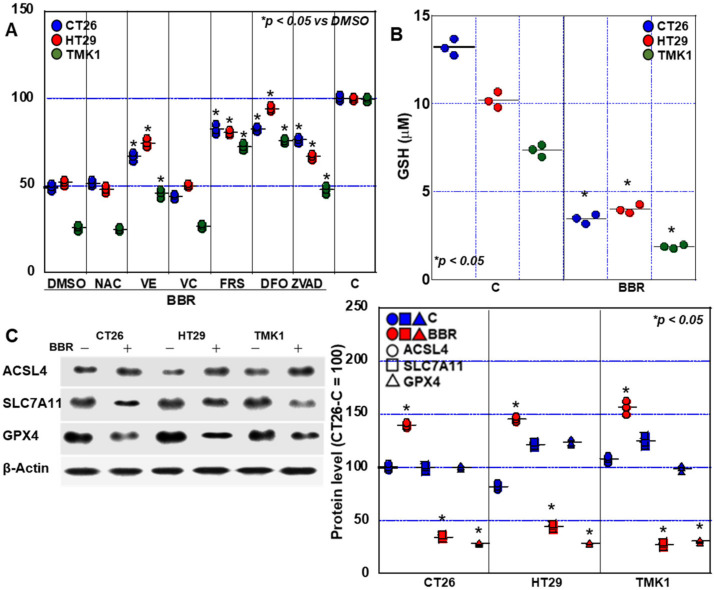
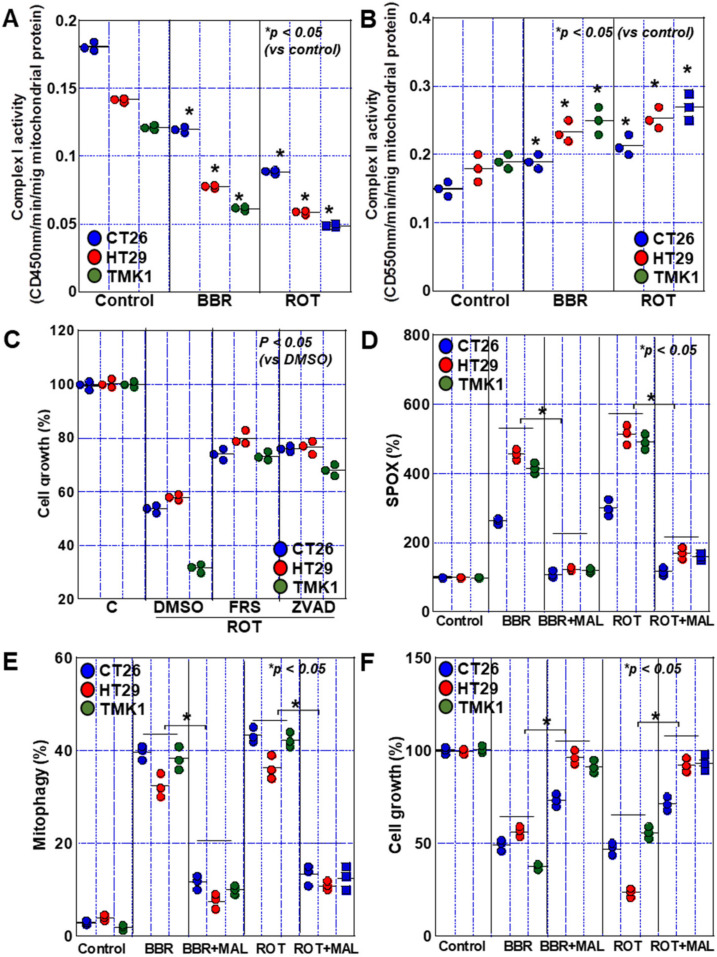
Berberine (BBR) is a plant alkaloid that has various biological activities. The effects of BBR on gastrointestinal cancer (GIC) have also been investigated and anti-tumor effects such as induction of cell death have been reported. However, the mechanism of BBR-induced cell death has not been fully elucidated. To this end, we investigated the effects of BBR using three GIC cell lines. Our analyses revealed that BBR inhibited cell proliferation, invasion, sphere formation, and anticancer drug resistance in all of the cell lines. BBR also induced an increase in mitochondrial superoxide, lipid peroxide and Fe levels, decreased mitochondrial membrane potential and respiration, decreased glutathione peroxidase 4 expression and glutathione and induced Parkin/PINK1-associated mitophagy. BBR, as well as rotenone, inhibited mitochondrial complex I and enhanced complex II, which were associated with autophagy, reactive oxidative species production, and cell death. Inhibition of complex II by malonate abrogated these changes. BBR-induced cell death was partially rescued by ferrostatin-1, deferoxamine, Z-VAD-FMK, and ATG5 knockdown. Furthermore, oral administration of BBR significantly reduced tumor weight and ascites in a syngeneic mouse peritoneal metastasis model using CT26 GIC cells. These findings suggest that BBR induced a combined type of cell death via complex I inhibition and autophagy. The marked anti-tumor and anti-stemness effects are expected to be useful as a new cell death-inducing agent for the treatment of GIC.
小檗碱(BBR)是一种植物生物碱,具有多种生物活性。BBR 对胃肠道癌症(GIC)的作用也已经过研究,据报道具有抗肿瘤作用,如诱导细胞死亡。然而,BBR 诱导细胞死亡的机制尚未完全阐明。为此,我们使用三种 GIC 细胞系研究了 BBR 的作用。我们的分析表明,BBR 抑制了所有细胞系的细胞增殖、侵袭、球体形成和抗癌药物耐药性。BBR 还诱导线粒体超氧化物、脂质过氧化物和 Fe 水平增加,线粒体膜电位和呼吸降低,谷胱甘肽过氧化物酶 4 表达和谷胱甘肽降低,并诱导 Parkin/PINK1 相关的线粒体自噬。BBR 和鱼藤酮抑制线粒体复合物 I 并增强与自噬、活性氧产生和细胞死亡相关的复合物 II。丙二酸抑制复合物 II 可消除这些变化。铁抑素-1、去铁胺、Z-VAD-FMK 和 ATG5 敲低部分挽救了 BBR 诱导的细胞死亡。此外,BBR 的口服给药在使用 CT26 GIC 细胞的同种小鼠腹膜转移模型中显著降低了肿瘤重量和腹水。这些发现表明,BBR 通过抑制复合物 I 和自噬诱导了一种混合类型的细胞死亡。其显著的抗肿瘤和抗干性作用有望成为治疗 GIC 的新型细胞死亡诱导剂。