Minervini Giuseppe, Franco Rocco, Marrapodi Maria Maddalena, Crimi Salvatore, Badnjević Almir, Cervino Gabriele, Bianchi Alberto, Cicciù Marco
Multidisciplinary Department of Medical-Surgical and Odontostomatological Specialties, University of Campania "Luigi Vanvitelli", 80121 Naples, Italy.
Department of Biomedicine and Prevention, University of Rome "Tor Vergata", 00100 Rome, Italy.
J Clin Med. 2023 Apr 2;12(7):2652. doi: 10.3390/jcm12072652.
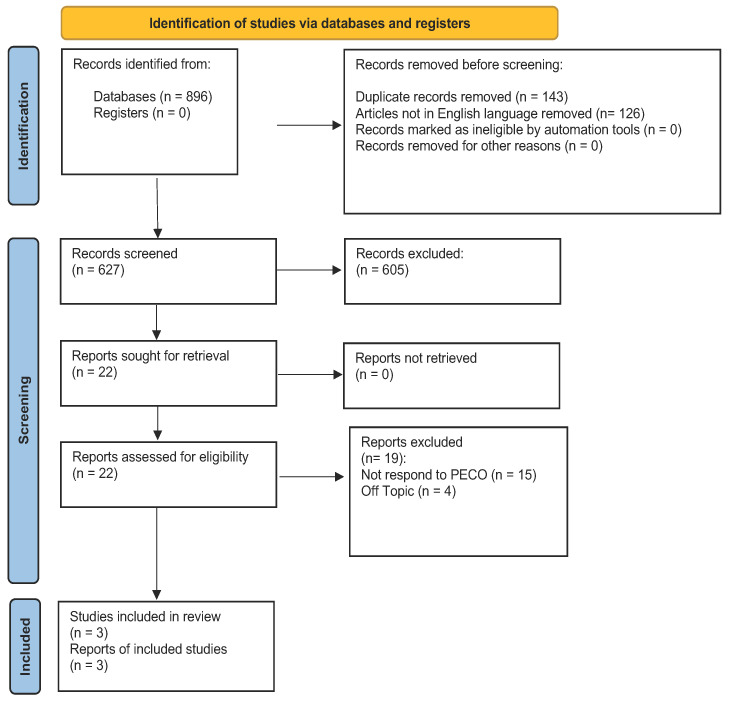
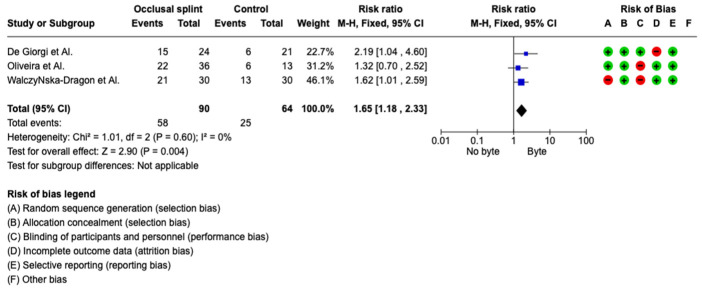
Temporomandibular disorders (TMDs) are a series of disorders that affect the muscles and joint. Symptoms include joint pain, muscle pain, and limitation of mouth opening. One of several multifactorial diseases, temporomandibular dysfunction has mostly been linked to five etiological factors: occlusion, trauma, severe pain stimuli, parafunctional activities, and psychological elements, including stress, anxiety, and depression. The position of the human body as it is displayed in space is referred to as posture. Several nerve pathways regulate posture, and through ligaments, TMD and posture affect each other. The purpose of this study is to evaluate the possible correlation between posture and TMD through a meta-analysis of the literature; Methods: A literature search was performed on PubMed, Lilacs, and Web of science, and articles published from 2000 to 31 December 2022 were considered, according to the keywords entered. The term "temporomandibular disorders" has been combined with "posture", using the Boolean connector AND; Results: At the end of the research, 896 studies were identified from the search conducted on the 3 engines. Only three were chosen to draw up the present systematic study summarizing the article's main findings. The meta-analysis showed through forest plot analysis a correlation between posture and TMD Conclusions: This literature meta-analysis showed a correlation between posture and TMD. Nerve pathways probably regulate both body posture and mandibular posture. Further clinical studies will be needed to confirm this hypothesis and to indicate the main conclusions or interpretations.
颞下颌关节紊乱病(TMDs)是一系列影响肌肉和关节的疾病。症状包括关节疼痛、肌肉疼痛和张口受限。作为多种多因素疾病之一,颞下颌关节功能紊乱主要与五个病因相关:咬合、创伤、严重疼痛刺激、副功能活动以及心理因素,包括压力、焦虑和抑郁。人体在空间中呈现的位置称为姿势。多条神经通路调节姿势,并且通过韧带,颞下颌关节紊乱病和姿势相互影响。本研究的目的是通过对文献的荟萃分析评估姿势与颞下颌关节紊乱病之间可能存在的相关性;方法:在PubMed、Lilacs和科学网进行文献检索,根据输入的关键词,纳入2000年至2022年12月31日发表的文章。使用布尔连接词AND将术语“颞下颌关节紊乱病”与“姿势”组合;结果:在研究结束时,从在这三个数据库进行的检索中识别出896项研究。仅选择三项来撰写本系统研究,总结文章的主要发现。荟萃分析通过森林图分析显示姿势与颞下颌关节紊乱病之间存在相关性。结论:本文献荟萃分析显示姿势与颞下颌关节紊乱病之间存在相关性。神经通路可能同时调节身体姿势和下颌姿势。需要进一步的临床研究来证实这一假设并指明主要结论或解释。