Lekaviciute Roberta, Kriauciunas Albertas
Faculty of Odontology, Medical Academy, Lithuanian University of Health Sciences, Kaunas, LTU.
Faculty of Odontology, Clinic of Dental and Maxillofacial Orthopaedics, Medical Academy, Lithuanian University of Health Sciences, Kaunas, LTU.
Cureus. 2024 Feb 13;16(2):e54130. doi: 10.7759/cureus.54130. eCollection 2024 Feb.
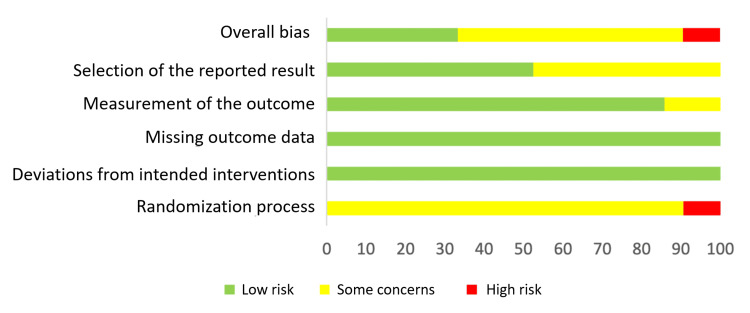
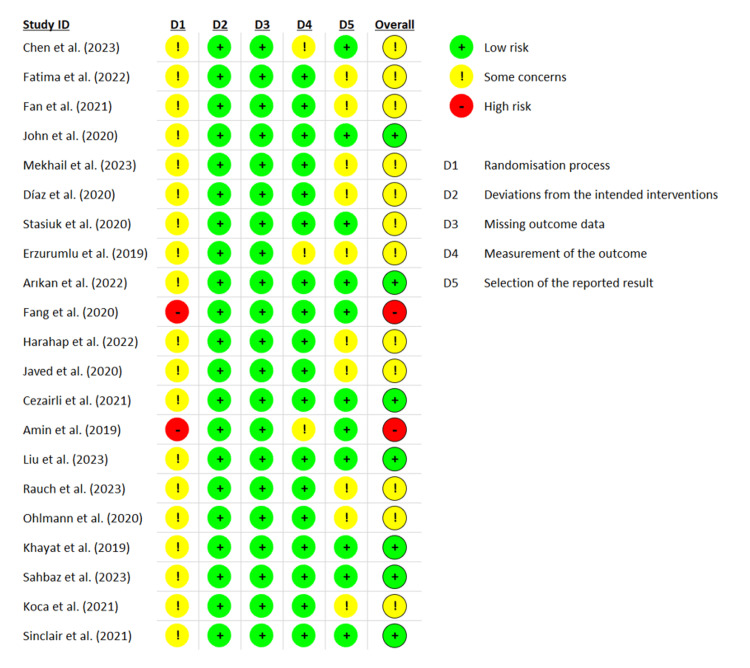
Temporomandibular disorders (TMD) originate from various components within the temporomandibular joint (TMJ), causing an impact on the masticatory muscles, the joint itself, and associated structures. They are a widely prevalent issue across the world. According to epidemiological research, up to 50% of adults in the population have TMD-related symptoms. The objective of this work was to analyze the existing scientific literature regarding the association between malocclusion classes, bruxism, and tooth loss in relation to the etiology of TMD. This systematic review was conducted following the Preferred Reporting Items for Systematic Reviews and Meta-Analyses (PRISMA) 2020 analysis protocol. For the development of the question focus, the population, intervention, control, and outcomes (PICO) study design protocol was used. The question in focus according to the PICO format was: "Do malocclusion, tooth loss, and bruxism contribute to temporomandibular disorders?". The review was performed with articles from PubMed, Web of Science, and Google Scholar databases according to the specified inclusion and exclusion criteria. The included articles were not older than five years. The risk of bias was assessed in the included studies by using the Cochrane Risk-of-bias 2 (RoB-2) tool. Out of a total of 32 results received, 21 articles were chosen according to the established criteria after conducting a review and analysis of their full texts. The article search sequence was presented in the PRISMA 2020 flow diagram, and the outcomes of the chosen articles were presented. The literature results revealed a relationship between occlusion and the development of TMD. The influence of occlusal factors on the TMJ was explained by an examination of joint anatomy and symptoms related to TMD. This study revealed variations in TMJ factors across different malocclusion classes. Additionally, it was observed that the occurrence and attributes of TMD are influenced by the number of tooth loss quadrants and the frequency of missing teeth. Furthermore, a correlation was found between bruxism and the symptoms of TMD, including myofascial pain, disc displacement, arthralgia, and muscle disorders. This literature review provides comprehensive information on the relationship between malocclusion classes, bruxism, tooth loss, and TMDs. This prompts healthcare professionals to prioritize patients' occlusal assessment and TMJ condition.
颞下颌关节紊乱病(TMD)起源于颞下颌关节(TMJ)内的各种组成部分,对咀嚼肌、关节本身及相关结构产生影响。它们是全球范围内广泛存在的问题。根据流行病学研究,高达50%的成年人口有与TMD相关的症状。这项工作的目的是分析现有关于错(牙合)分类、磨牙症和牙齿缺失与TMD病因之间关联的科学文献。本系统评价按照系统评价与Meta分析的首选报告项目(PRISMA)2020分析方案进行。为确定问题重点,采用了人群、干预措施、对照和结局(PICO)研究设计方案。按照PICO格式确定的重点问题是:“错(牙合)、牙齿缺失和磨牙症是否会导致颞下颌关节紊乱病?”。根据指定的纳入和排除标准,对来自PubMed、科学网和谷歌学术数据库的文章进行了综述。纳入的文章不早于五年。使用Cochrane偏倚风险2(RoB - 2)工具对纳入研究的偏倚风险进行评估。在总共收到的32个结果中,在对其全文进行审查和分析后,根据既定标准选择了21篇文章。文章检索流程在PRISMA 2020流程图中呈现,并展示了所选文章的结果。文献结果揭示了咬合与TMD发生之间的关系。通过对关节解剖结构和与TMD相关症状的检查,解释了咬合因素对TMJ的影响。本研究揭示了不同错(牙合)分类中TMJ因素的差异。此外,观察到TMD的发生和特征受失牙象限数量和缺牙频率的影响。此外,还发现磨牙症与TMD的症状之间存在相关性,包括肌筋膜疼痛、盘移位、关节痛和肌肉紊乱。这篇文献综述提供了关于错(牙合)分类、磨牙症、牙齿缺失与TMD之间关系的全面信息。这促使医疗保健专业人员优先考虑患者的咬合评估和TMJ状况。