Bastia Giulia, Al Souki Karim Suhail, Pourrut Bertrand
Environmental and Forestry Sciences, Department of Agriculture and Food Sciences, Alma Mater Studiorum-University of Bologna, Via Zamboni 33, 40126 Bologna, Italy.
Department of Environmental Chemistry and Technology, Faculty of Environment, Jan Evangelista Purkyně University in Ústí nad Labem, Pasteurova 3632/15, 400 96 Ústí nad Labem, Czech Republic.
Plants (Basel). 2023 Apr 5;12(7):1560. doi: 10.3390/plants12071560.
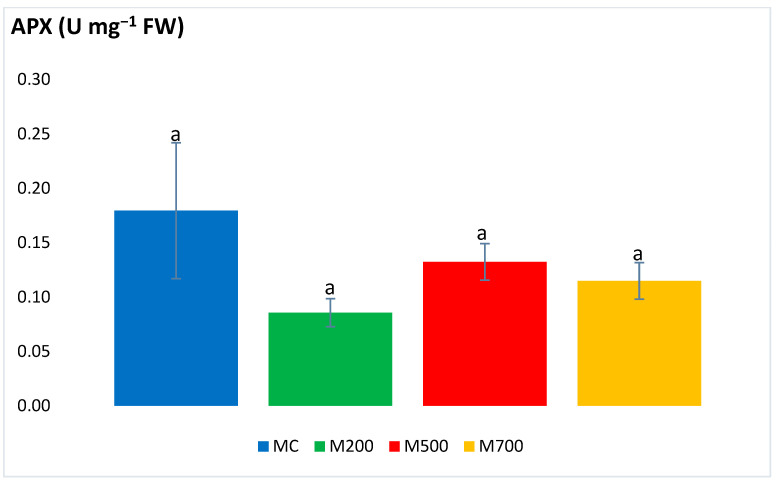
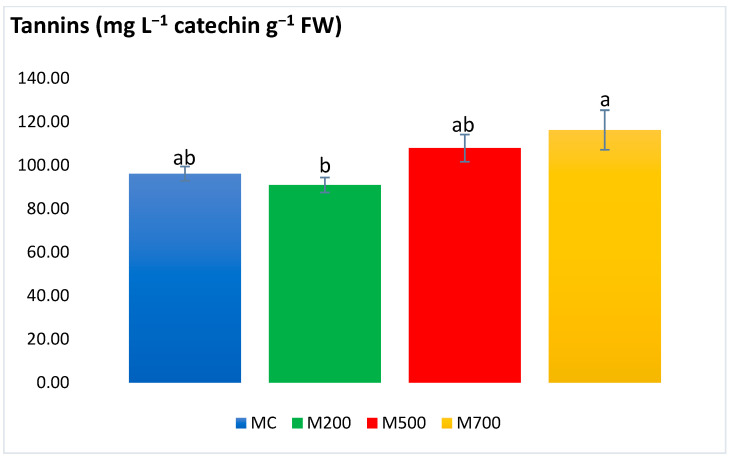
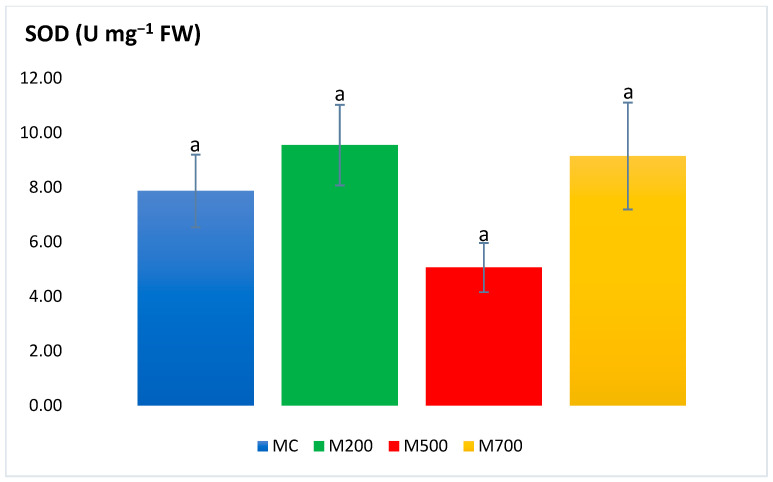
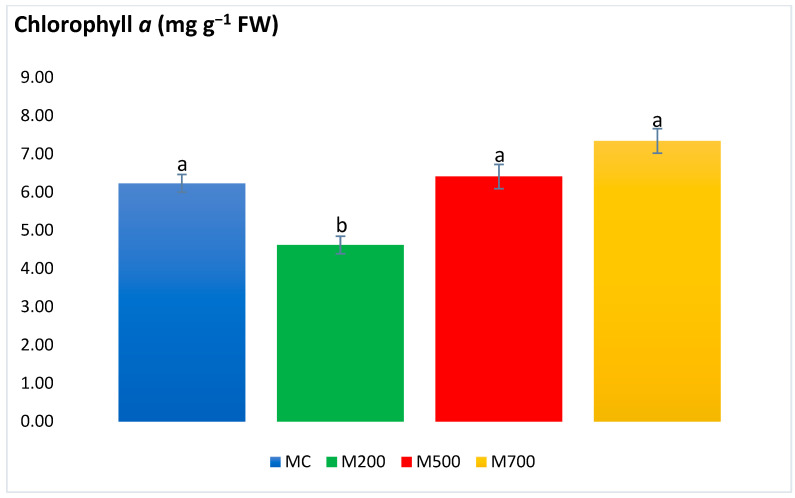
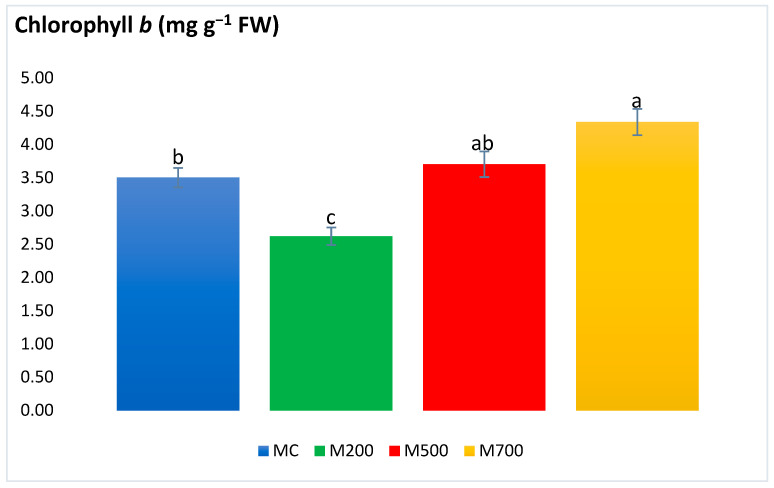
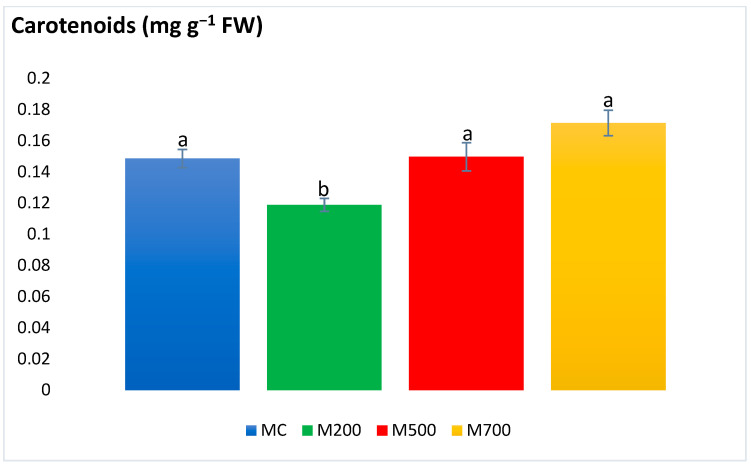
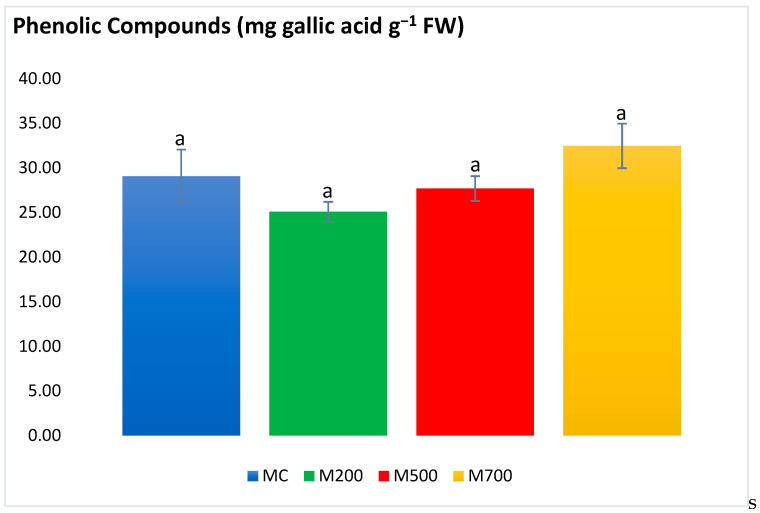
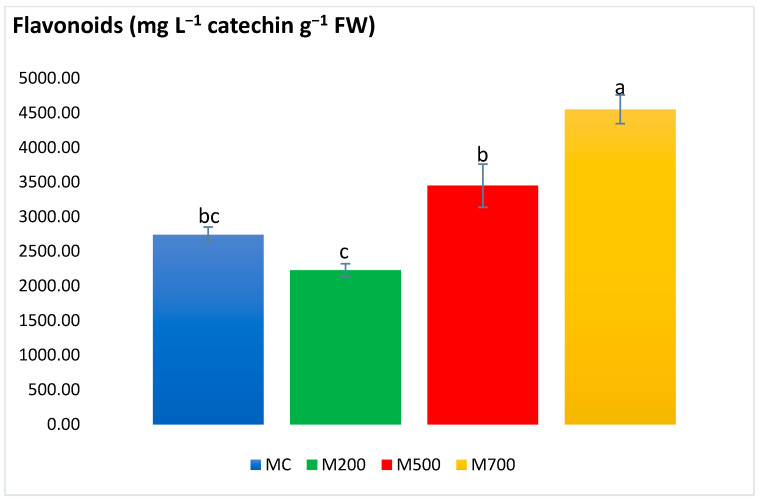
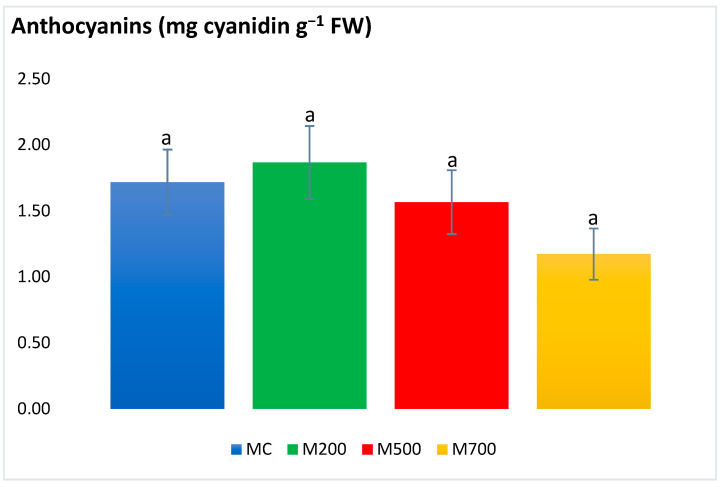
demonstrated good phytostabilization potentials by decreasing the trace elements (T.E.s) mobility and enhancing the degraded soil quality. Nevertheless, most of the published work was performed under controlled conditions in pot experiments and/or with soils being spiked. Hence, data about the plant's tolerance to increased T.E. concentrations in real conditions is still scarce and requires further investigation. For this sake, a field experiment was established by cultivating miscanthus plants in three different agricultural plots representing gradient trace element (Cd, Pb and Zn) concentrations. Another uncontaminated plot was also introduced. Results showed that T.E. concentrations in the leaves were tolerable to the plant. In addition, no variations were detected between the miscanthus cultivated in the contaminated and uncontaminated soils at the level of antioxidant enzymatic activities (ascorbate peroxidase and superoxide dismutase), photosynthetic pigments (chlorophyll and and carotenoids), and secondary metabolites (phenolic compounds, flavonoids, anthocyanins, and tannins). These outcomes validate the high capacity of miscanthus to resist and tolerate contaminated conditions. Such results may contribute to further understanding of the miscanthus tolerance mechanisms.
通过降低微量元素(T.E.s)的迁移性和改善退化土壤质量,显示出良好的植物稳定化潜力。然而,大多数已发表的研究是在盆栽试验的受控条件下和/或使用添加了污染物的土壤进行的。因此,关于植物在实际条件下对增加的T.E.浓度的耐受性的数据仍然很少,需要进一步研究。为此,通过在代表梯度微量元素(镉、铅和锌)浓度的三个不同农业地块种植芒草植物,开展了一项田间试验。还引入了另一个未受污染的地块。结果表明,叶片中的T.E.浓度对植物来说是可耐受的。此外,在受污染土壤和未受污染土壤中种植的芒草之间,在抗氧化酶活性(抗坏血酸过氧化物酶和超氧化物歧化酶)、光合色素(叶绿素和类胡萝卜素)以及次生代谢产物(酚类化合物、黄酮类化合物、花青素和单宁)水平上未检测到差异。这些结果证实了芒草抵抗和耐受污染条件的高能力。这些结果可能有助于进一步了解芒草的耐受机制。