Department of Population Health and Pathobiology, College of Veterinary Medicine, North Carolina State University, Raleigh, NC, United States of America.
Department of Veterinary Surgery and Animal Reproduction, School of Veterinary Medicine and Animal Science, São Paulo State University (Unesp), Botucatu, São Paulo, Brazil.
PLoS One. 2023 Apr 13;18(4):e0284218. doi: 10.1371/journal.pone.0284218. eCollection 2023.
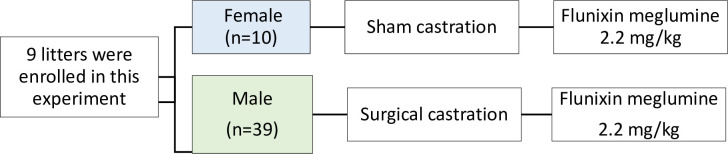
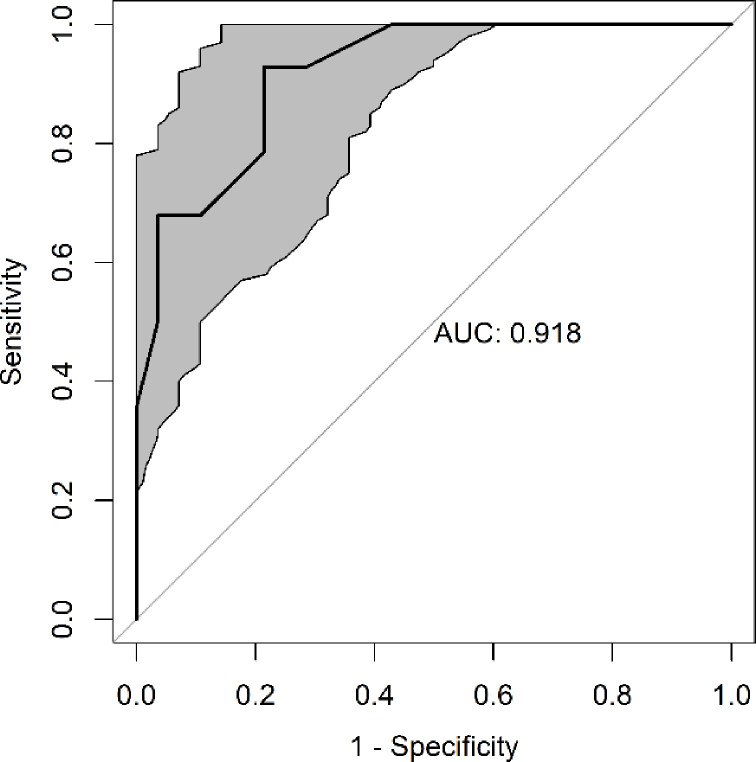
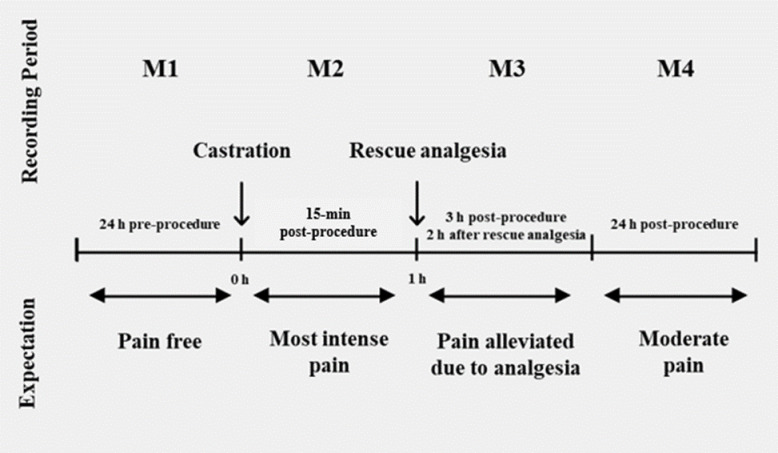
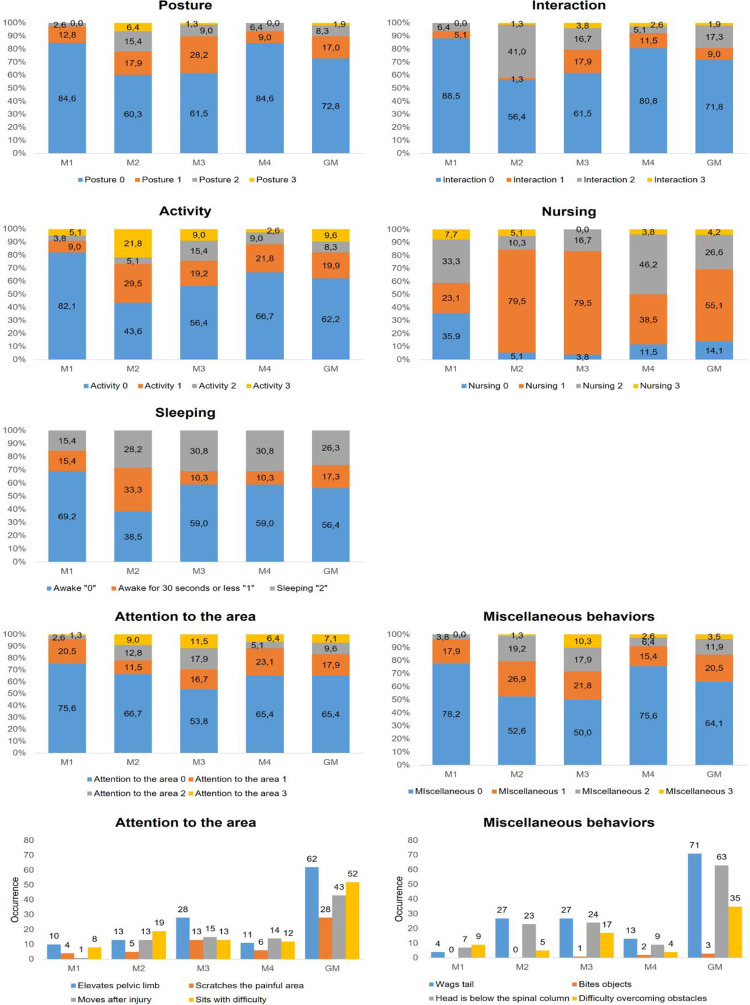
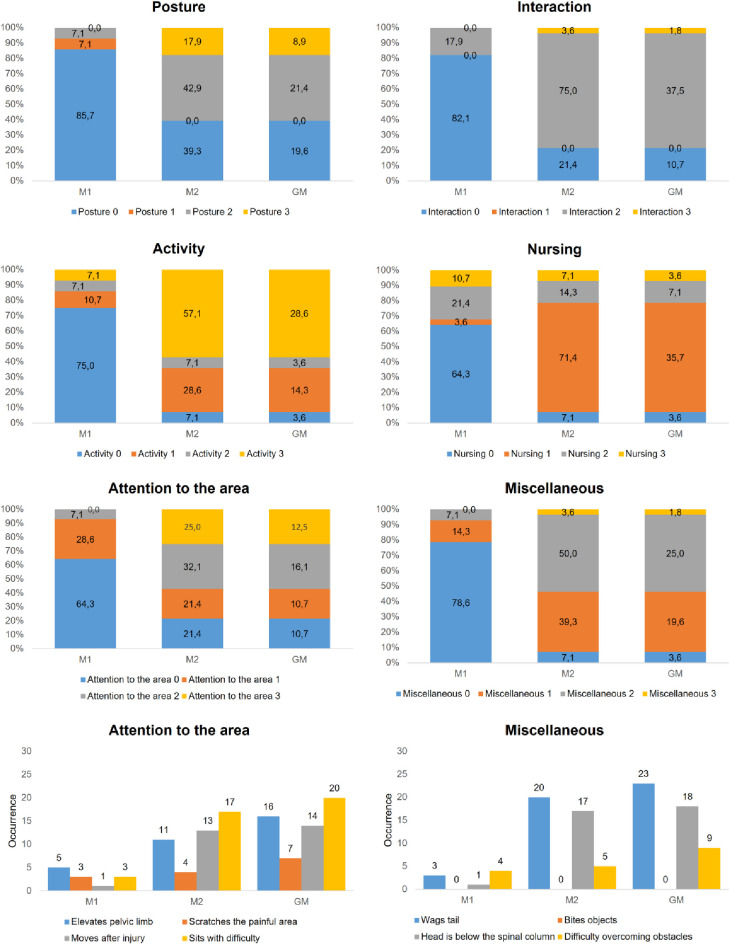
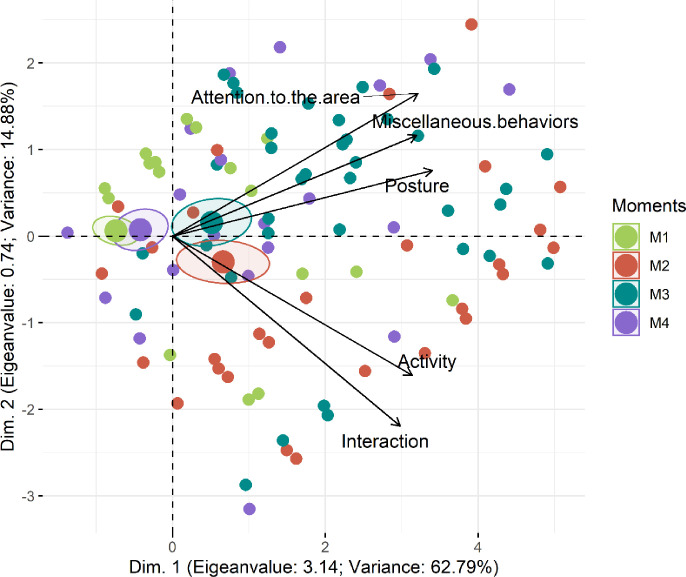
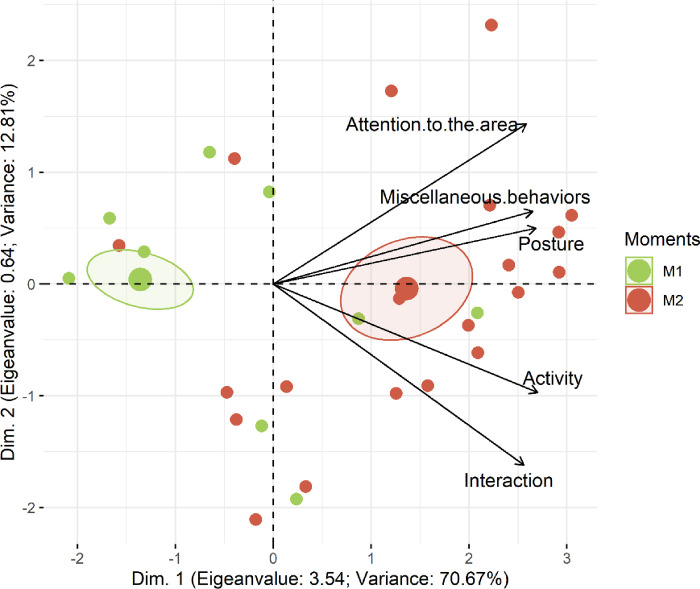
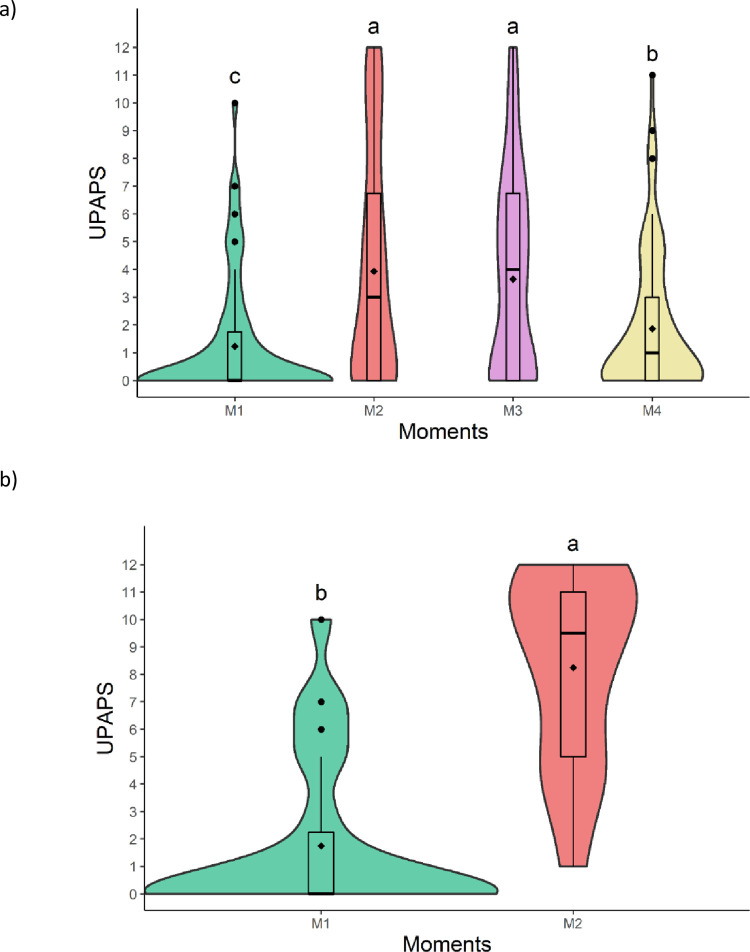
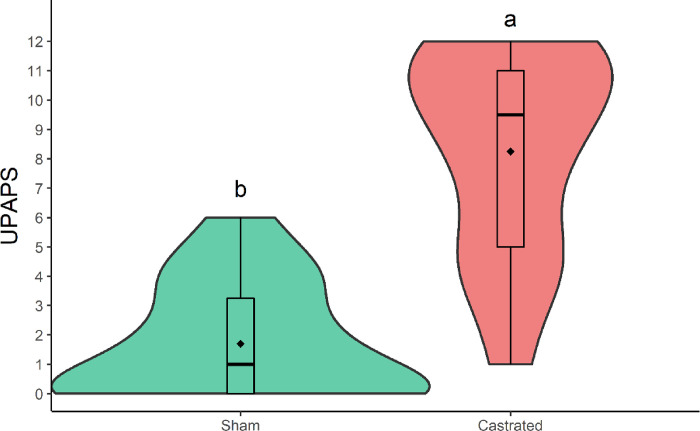
To accurately assess pain and support broadly-based analgesic protocols to mitigate swine pain, it is imperative to develop and validate a species-specific pain scale. The objective of this study was to investigate the clinical validity and reliability of an acute pain scale (UPAPS) adapted for newborn piglets undergoing castration. Thirty-nine male piglets (five days of age, 1.62 ± 0.23 kg BW) served as their own control, were enrolled in the study and underwent castration in conjunction with an injectable analgesic administered one-hour post-castration (flunixin meglumine 2.2 mg/kg IM). An additional 10, non-painful female piglets were included to account for the effect of natural behavioral variation by day on pain scale results. Behavior of each piglet was video recorded continuously at four recording periods (24 h pre-castration, 15 min post-castration, 3 and 24 h post-castration). Pre- and post-operative pain was assessed by using a 4-point scale (score 0-3) including the following six behavioral items: posture, interaction and interest in surroundings, activity, attention to the affected area, nursing, and miscellaneous behavior. Behavior was assessed by two trained blinded observers and statistical analysis was performed using R software. Inter-observer agreement was very good (ICC = 0.81). The scale was unidimensional based on the principal component analysis, all items except for nursing were representative (rs ≥ 0.74) and had excellent internal consistency (Cronbach's alpha ≥ 0.85). The sum of scores were higher in castrated piglets post-procedure compared to pre-procedure, and higher than in non-painful female piglets confirming responsiveness and construct validity, respectively. Scale sensitivity was good when piglets were awake (92.9%) and specificity was moderate (78.6%). The scale had excellent discriminatory ability (area under the curve > 0.92) and the optimal cut-off sum for analgesia was 4 out of 15. The UPAPS scale is a valid and reliable clinical tool to assess acute pain in castrated pre-weaned piglets.
为了准确评估疼痛并支持广泛的镇痛方案以减轻猪的疼痛,开发和验证一种特定于物种的疼痛量表至关重要。本研究的目的是研究一种适应于接受去势的新生仔猪的急性疼痛量表(UPAPS)的临床有效性和可靠性。39 只雄性仔猪(5 天大,1.62±0.23kgBW)作为自身对照,被纳入研究,并在去势后 1 小时内接受注射镇痛剂(肌内注射氟尼辛美加明 2.2mg/kg)。另外还纳入了 10 只非疼痛的雌性仔猪,以考虑自然行为变化对疼痛量表结果的影响。每个仔猪的行为连续在四个记录期(去势前 24 小时、去势后 15 分钟、去势后 3 小时和 24 小时)进行视频记录。使用 4 分制(0-3 分)评估术前和术后疼痛,包括以下六个行为项目:姿势、对周围环境的互动和兴趣、活动、对受影响区域的注意力、哺乳和杂项行为。行为由两名经过培训的盲法观察员评估,并使用 R 软件进行统计分析。观察者间一致性非常好(ICC=0.81)。该量表基于主成分分析具有单维性,除了哺乳外,所有项目都具有代表性(rs≥0.74),且具有极好的内部一致性(Cronbach's alpha≥0.85)。与术前相比,术后去势仔猪的总分更高,且高于非疼痛的雌性仔猪,分别证实了该量表的反应性和结构有效性。当仔猪清醒时,该量表的敏感性较好(92.9%),特异性为中度(78.6%)。该量表具有极好的鉴别能力(曲线下面积>0.92),最佳镇痛截断值总和为 15 分中的 4 分。UPAPS 量表是一种评估去势前断奶仔猪急性疼痛的有效且可靠的临床工具。